

Free visual inspection and a written scope of work before any mitigation begins - photos, moisture readings, and drying logs go in your claim file
The scope we write is the scope we bill. Anything new gets shown to you, in writing, before we touch it.
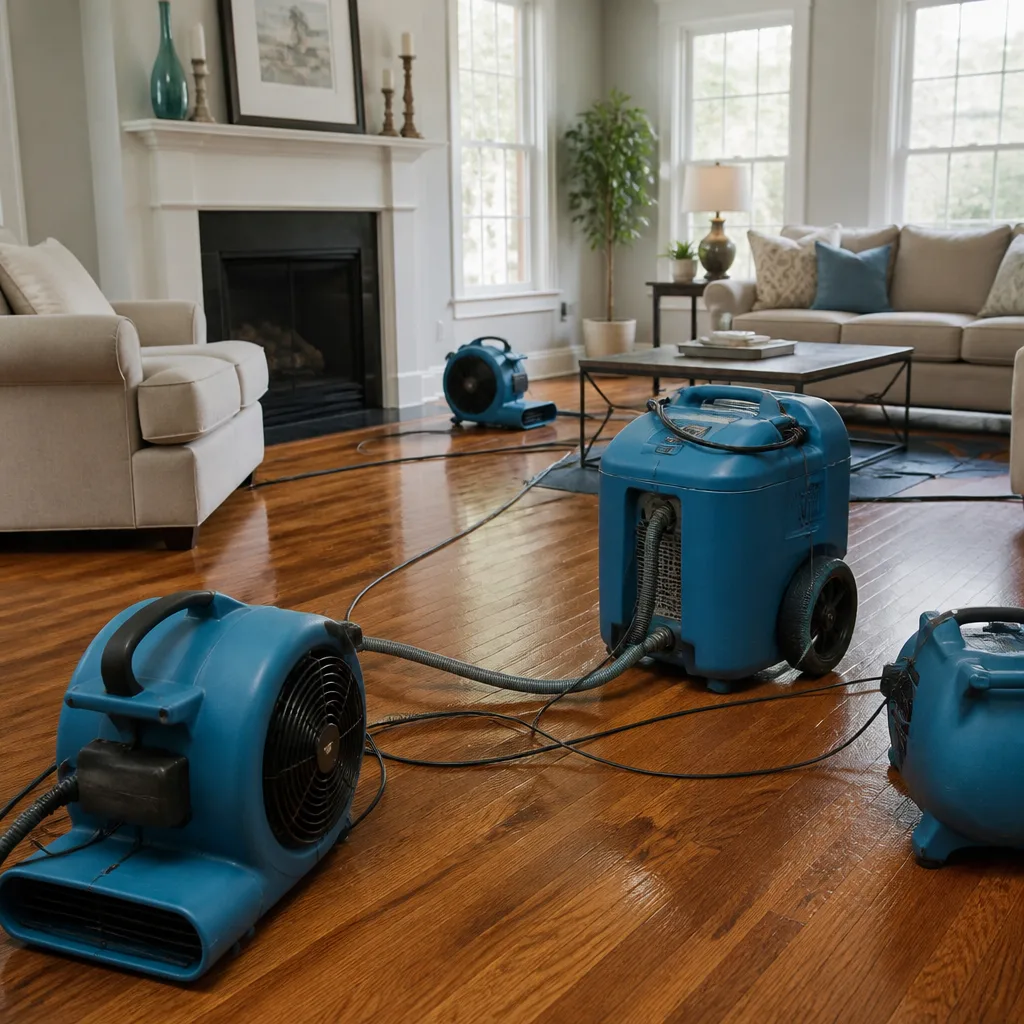
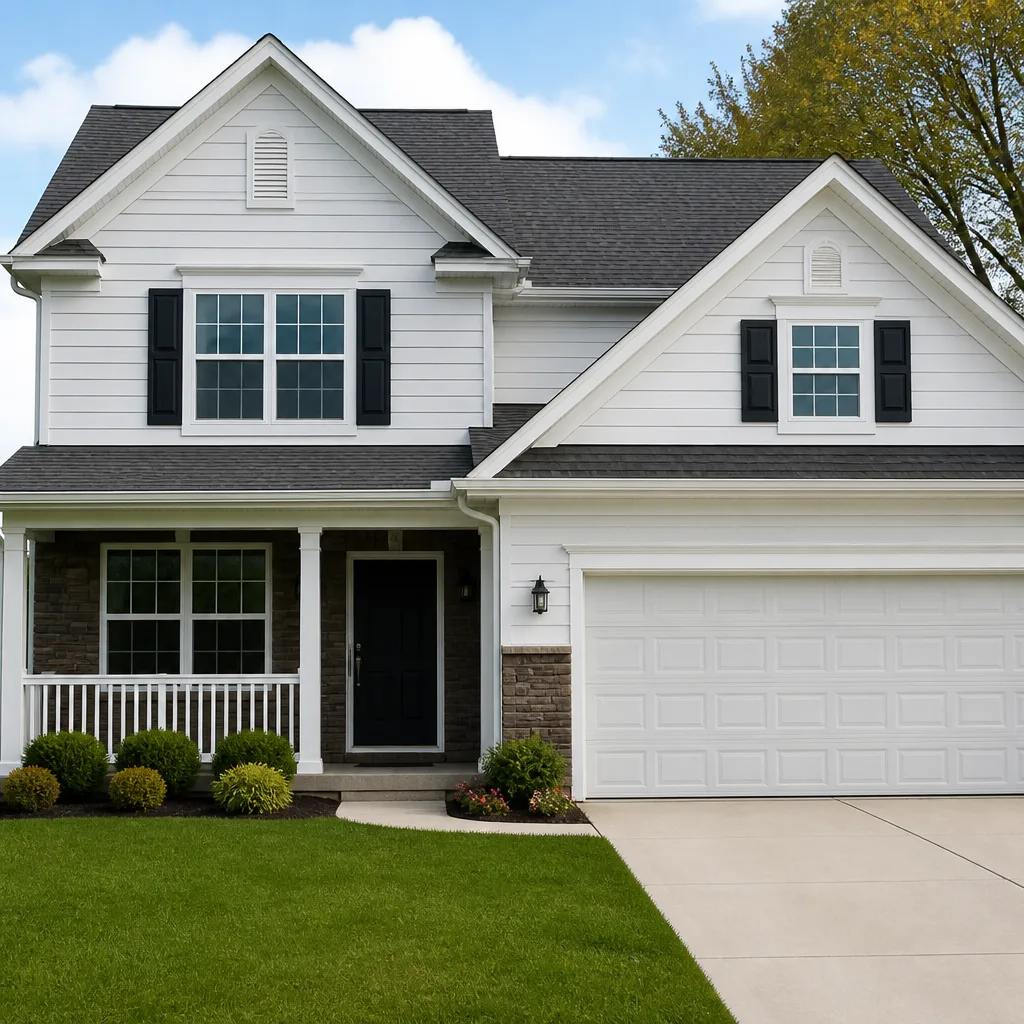
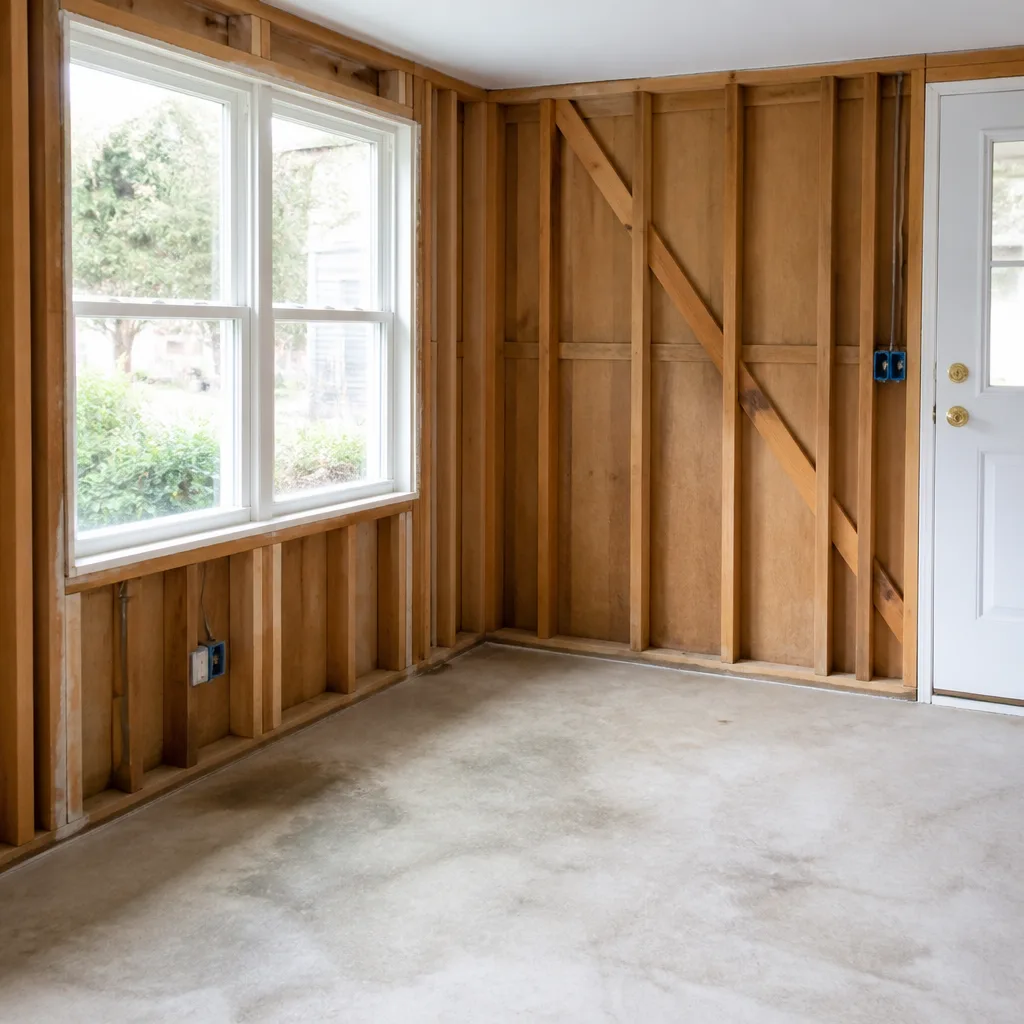
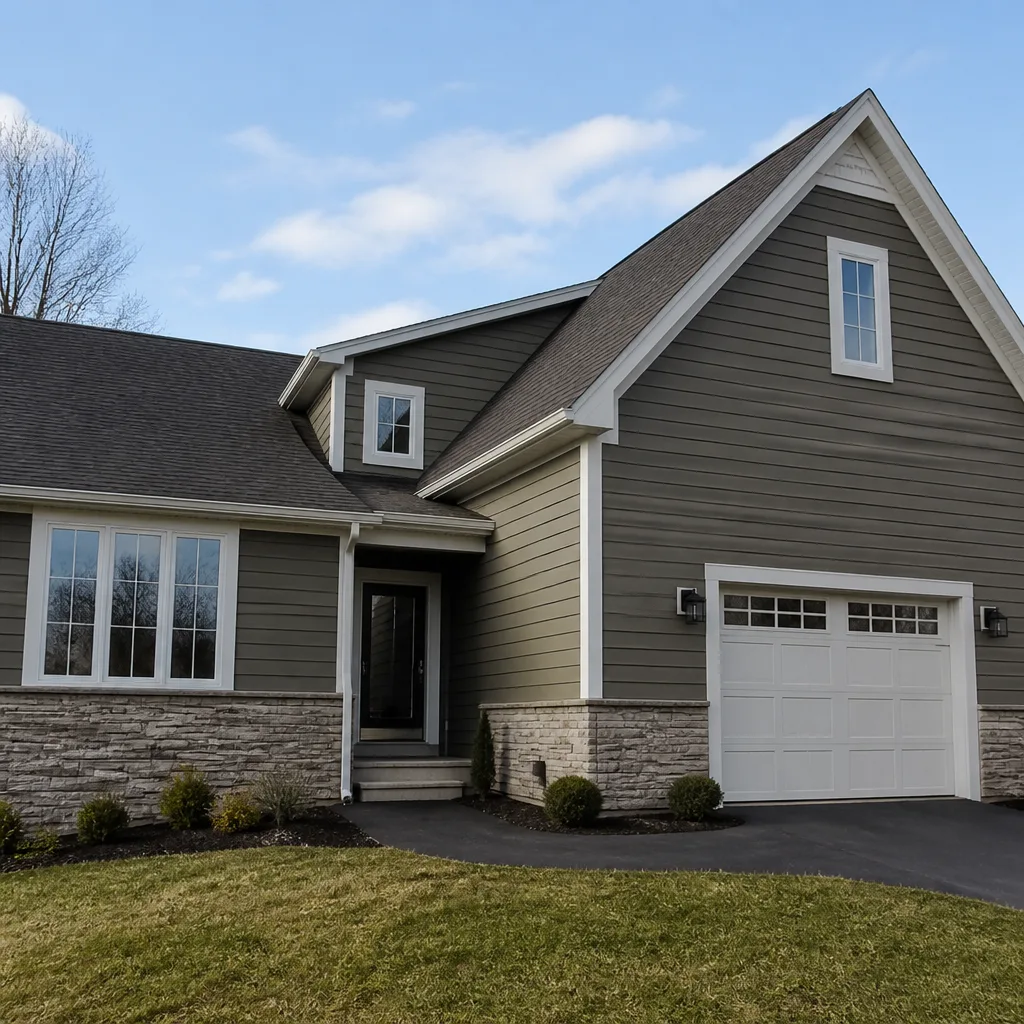
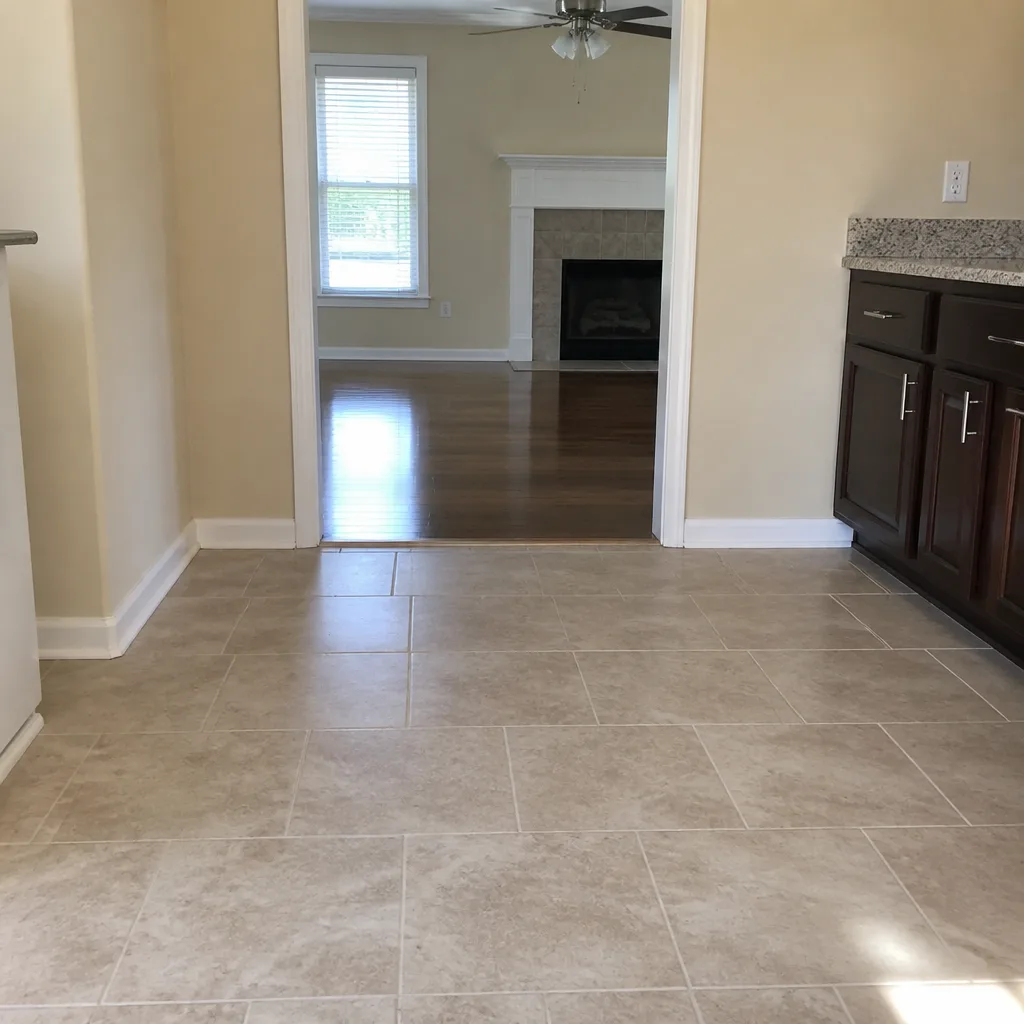
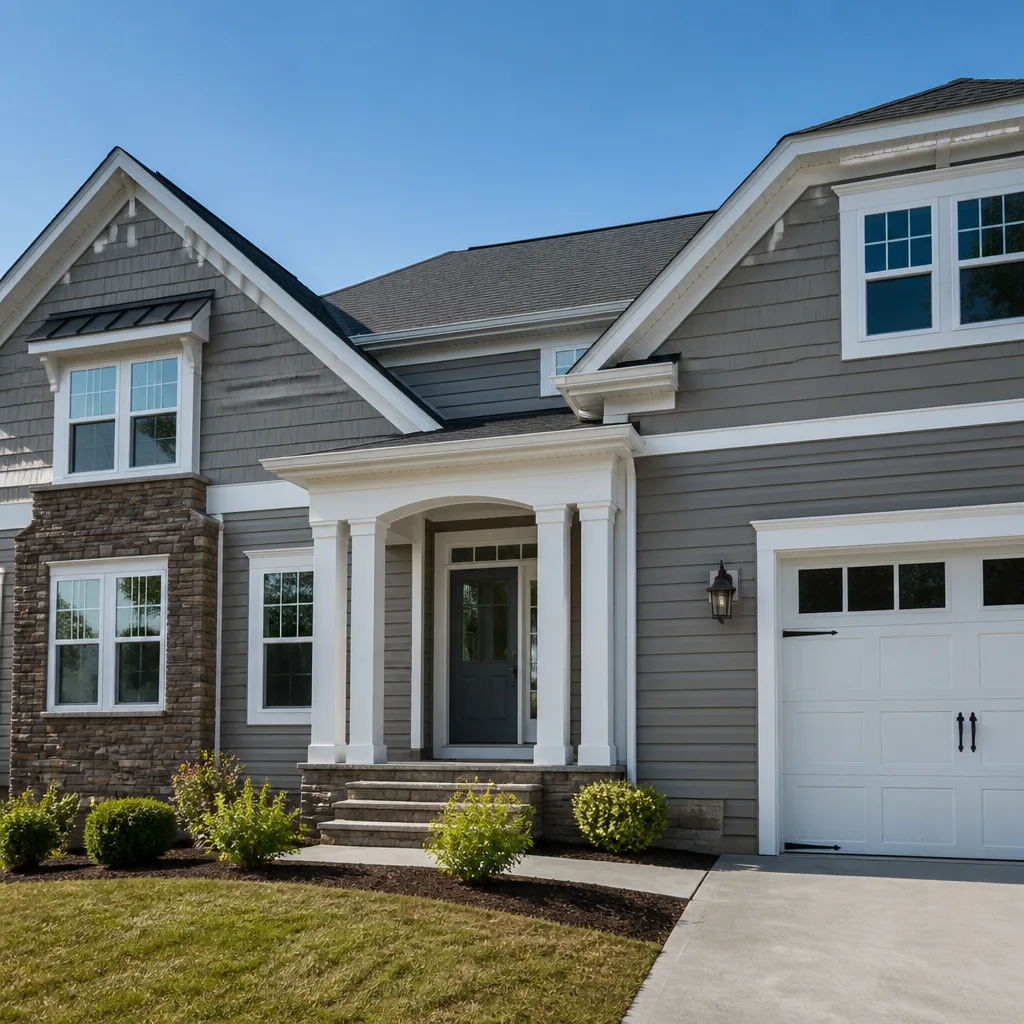
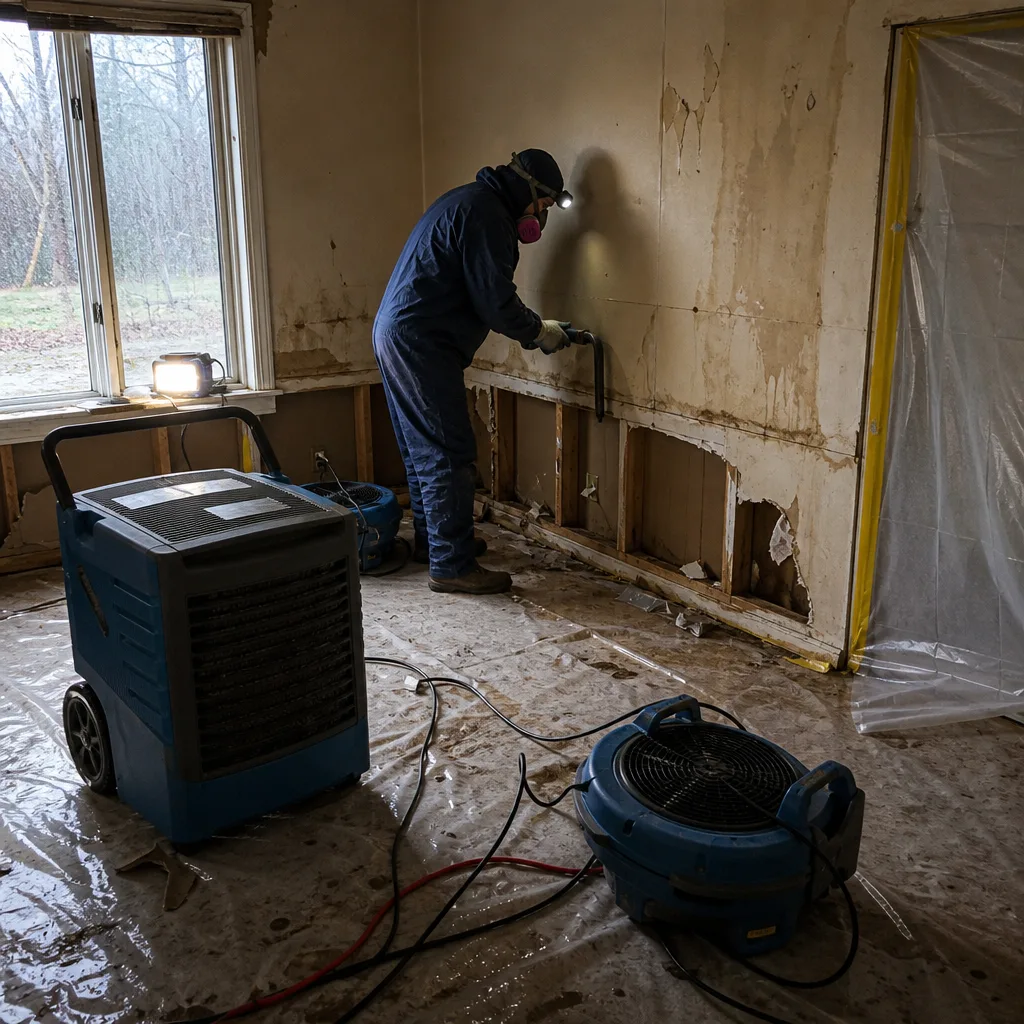 Before
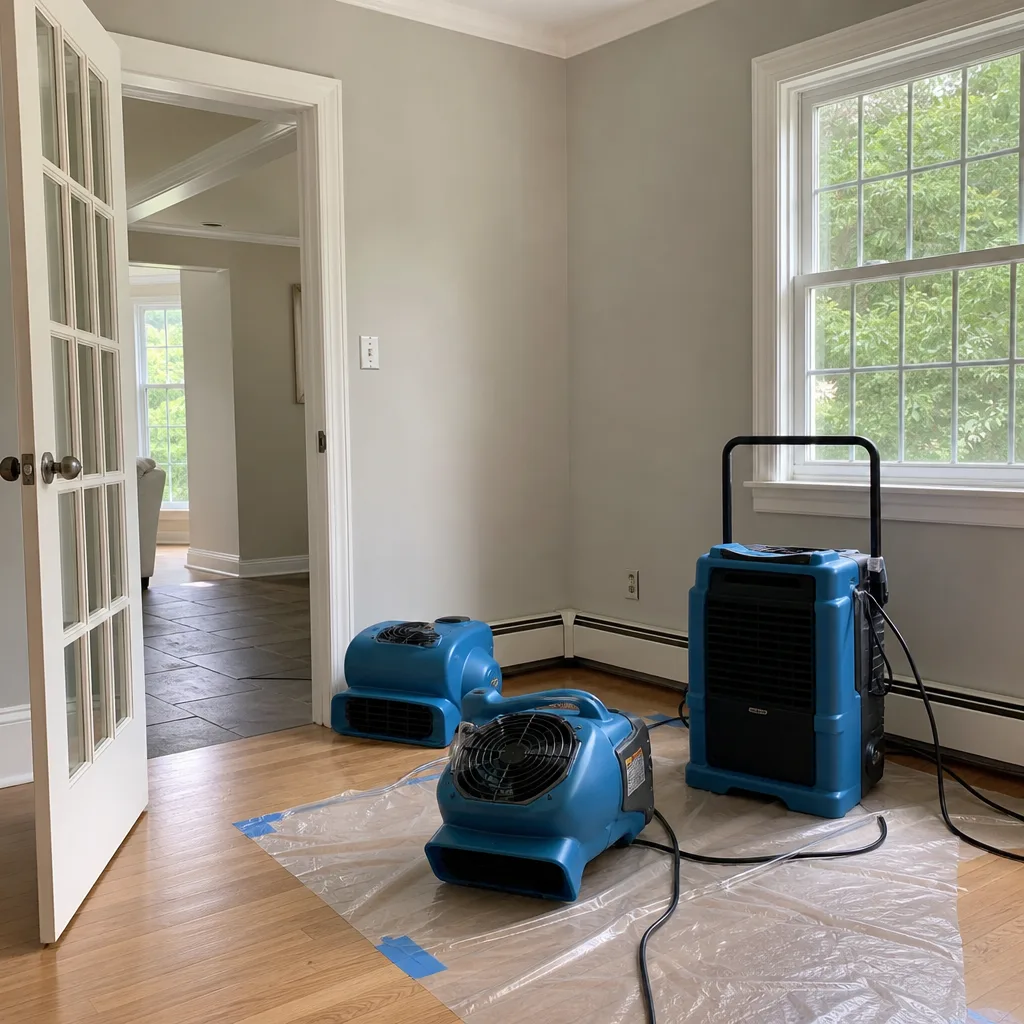 After
After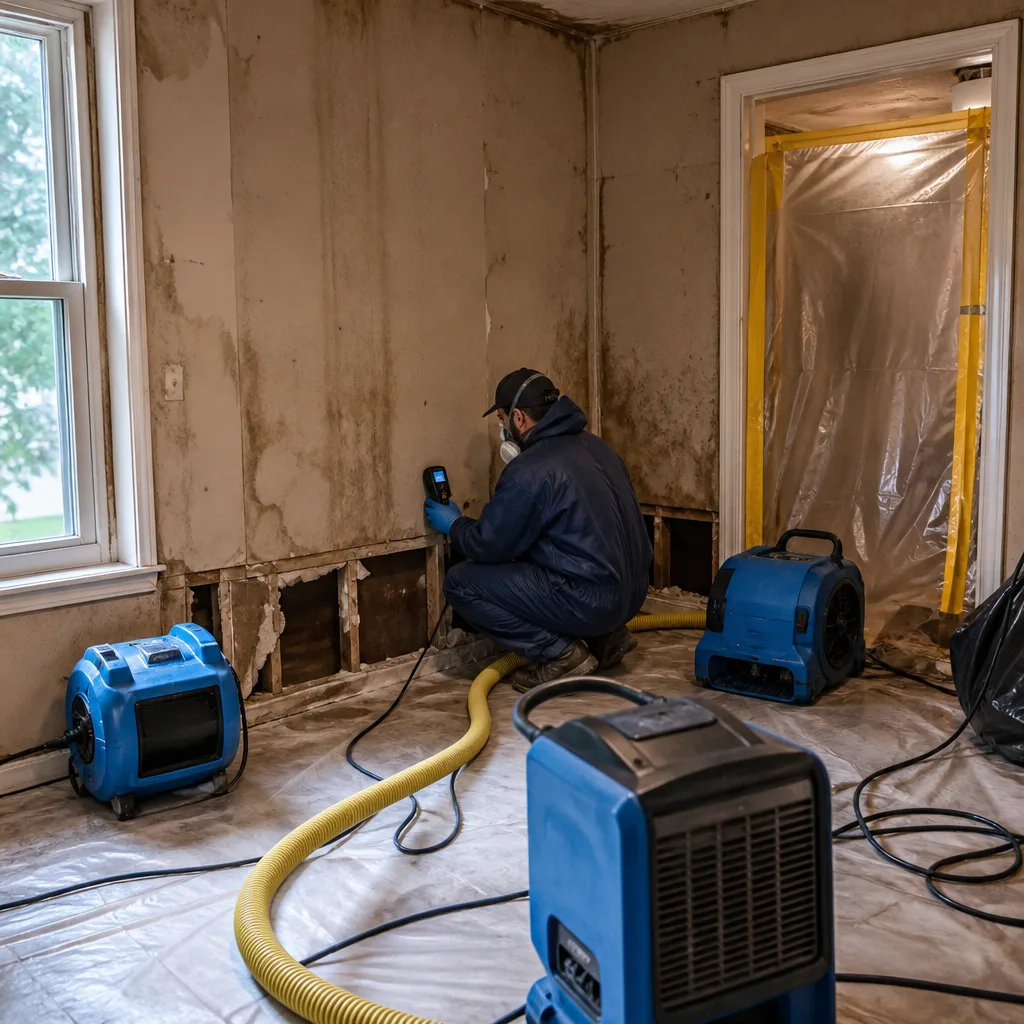 Before
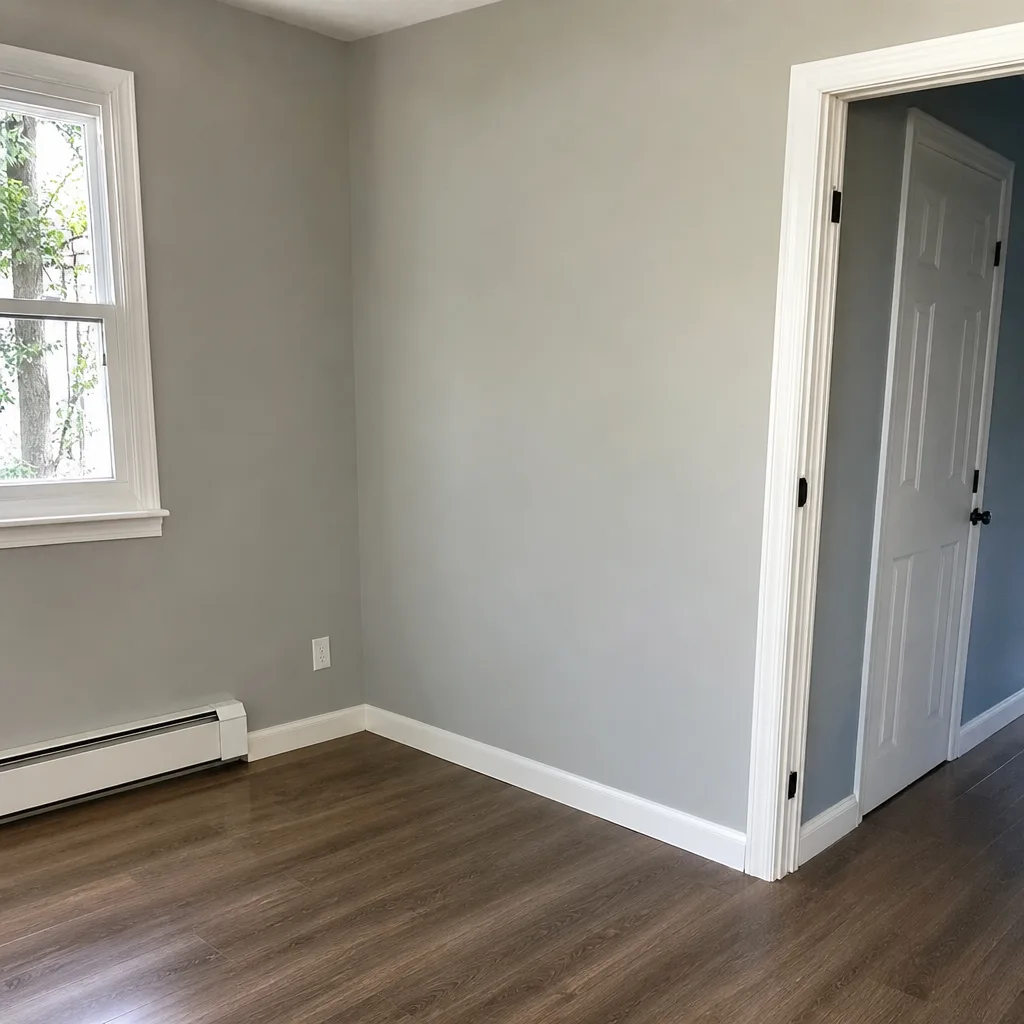 After
After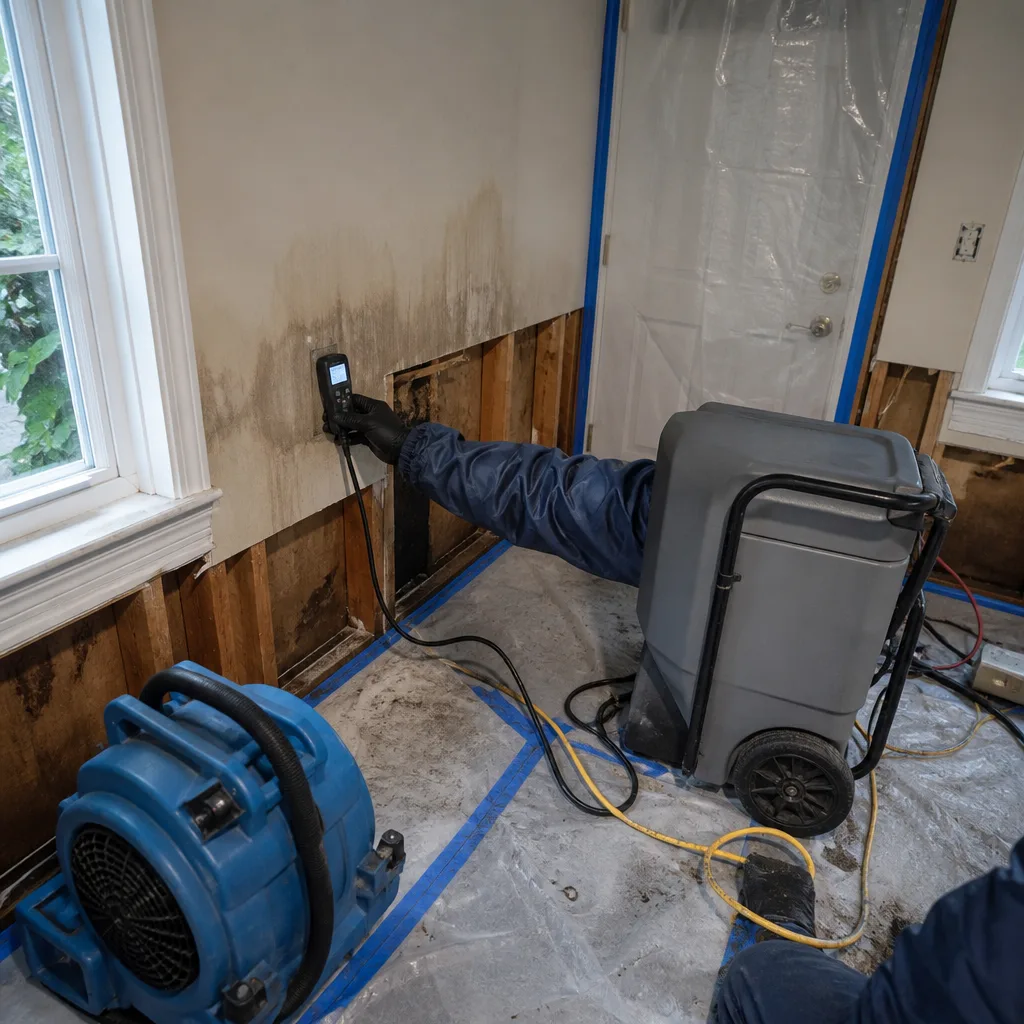 Before
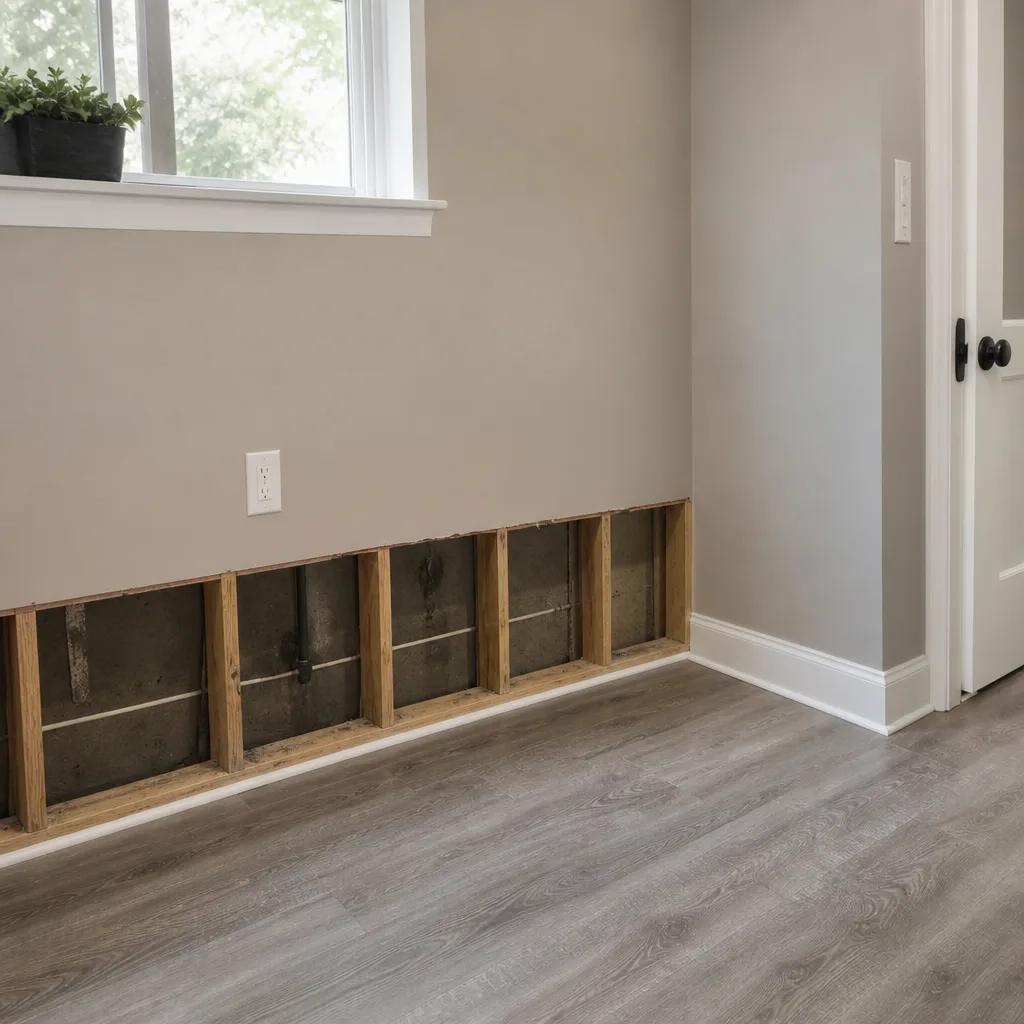 After
After24/7 Emergency Fire & Smoke Damage Restoration in Harrington Park
Fire damage in Harrington Park needs a response now, not a callback. Our crews are on standby 24 hours a day, every day, with a live dispatcher answering the phone at 2 a.m. the same way we answer at noon. When you call (914) 935-7914, you get a real person who can dispatch a certified fire restoration team to your Harrington Park home within 45 minutes, not a recording that promises a callback by morning. The first hour after a fire is when soot is still loose enough to be removed from hard surfaces before it etches into finishes. It’s when smoke odor hasn’t yet embedded into insulation and drywall permanently. We start with a free visual inspection the same visit, so you know exactly what you’re dealing with before any work begins.
Need Emergency Fire & Smoke Damage Restoration in Harrington Park Now?
Crews minutes away, answering live 24 hours a day. The sooner we start, the less it costs.
Understanding Fire & Smoke Damage Restoration Severity in Harrington Park Properties
Not all fire damage is equal, and in Harrington Park the same fire in two different houses can mean two very different restoration projects. We classify damage by soot type and smoke migration distance. A contained kitchen fire might leave light protein soot on cabinets and a thin haze on the ceiling, but a basement fire in a 1960s split-level pushes smoke through open-web floor trusses into cold-air returns, carrying oily soot particles through the entire HVAC loop, and that calls for full duct cleaning and deodorization, not a surface wipe-down. Smoke follows pressure gradients, so it travels up stairwells, through gaps around plumbing chases, and into wall cavities far from the original fire. Harrington Park’s homes, built largely between the late 1940s and early 1980s, have balloon framing and open joist bays in many cases, which means fewer fire stops than modern code requires. That’s not a knock on the homes; it’s just the structural reality that shapes how far smoke travels and how much tearing out is needed to deodorize properly.
Why Harrington Park Property Owners Choose Floodline Restoration Co.
- 45-minute response commitment - when you call about a fire in Harrington Park, our crew is rolling within 45 minutes, not after a call center triages your file to a subcontractor.
- 24/7 live answer, never a machine - a real dispatcher picks up at any hour. You’ll never leave a voicemail and hope someone calls back after the soot has set.
- IICRC-certified crews on every job - our technicians hold FSRT and OCT certifications specific to fire and smoke restoration, plus WRT for the water side of fire suppression cleanup.
- Free visual inspection before any commitment - we tell you what we see, what it costs to fix, and what can wait. No pressure, no upsell.
- Direct insurance billing - we handle the carrier communication and paperwork so you don’t play messenger between two parties who should be talking to each other.
- One team from first board-up to final coat of paint - no handoff to a different crew mid-job. The techs who assess your Harrington Park home are the same ones who rebuild it.
Our Fire & Smoke Damage Restoration Process
Inspection & Assessment
We walk the entire house, not just the fire room. We’re looking at smoke migration through wall cavities, the cold-air return system, and the basement, where your Harrington Park foundation may already be holding moisture from the same clay soils that make this borough a flood risk in every storm. We check soot type, heat damage, and water category from suppression efforts.
Emergency Board-Up & Stabilization
Securing the home comes first. We board up windows properly, tarp any roof openings, and isolate the HVAC so soot doesn’t keep circulating. In Harrington Park’s older Cape Cods, we account for original wood windows and ice-damaged rooflines, because a torn tarp in a spring nor’easter means re-wetting fire-damaged insulation.
Water Extraction & Structural Drying
Fire suppression water is water damage, plain and simple. We run moisture mapping on walls, floors, and that concrete block basement, using Dri-Eaz sensors and hygrometers to find hidden wicking before it grows mold. Thermal imaging shows us exactly where cold, wet cavities sit behind finished drywall.
Smoke & Soot Removal
Every type of soot needs a different approach. We use dry chemical sponges for light protein soot, HEPA vacuuming for loose particulate, and specific cleaning agents for oily smoke residue. Harrington Park split-levels almost always need the cold-air returns cleaned end to end, because that’s where the finest soot travels.
Odor Removal & Deodorization
Surface cleaning doesn’t fix embedded smoke odor. We run hydroxyl generators and thermal fogging, treating wall cavities, duct runs, and insulation. In homes where fire met clay-damp basements, we pull musty smoke odor out of the same cavities we’re drying.
Repairs & Restoration
Drywall, trim, paint, flooring, insulation, cabinetry - whatever the fire and the suppression water destroyed, our crews rebuild through our Reconstruction & Cleanup in Harrington Park. The same team that pulled the soot out of your walls is the team that puts them back, with no subcontracted surprises.
Working With Your Insurance Company
Most Harrington Park homeowners have never filed a fire claim, and honestly, that’s what we’re here for. From the first hour, we document everything: photos room by room, moisture readings, soot coverage maps, and a line-item scope of work that matches your carrier’s estimating format. Curt Bowman built Floodline Restoration Co. around the idea that homeowners shouldn’t have to fight their insurance company alone. We send the paperwork directly to your adjuster, speak with them on your behalf, and bill the carrier directly. You get a copy of everything we send. No surprises, no pushback, no “the adjuster didn’t mention that” three months later. This is what direct insurance billing means here: we handle the claim, you handle your life.
What We Provide Your Insurer
- Thorough documentation of the loss
- Photos of all damage, room by room
- Moisture readings and drying logs
- A detailed, line-item scope of work
- Direct coordination with your carrier
Built for Harrington Park’s Loss Calendar
Fire loss in Harrington Park doesn’t follow a single season the way water damage does, but we see patterns that match this borough’s housing stock and weather year after year. January and February hard freezes strain undersized supply lines in 1950s colonials, and the resulting burst pipes often lead to electrical failures and small fires in basements where water meets aging junction boxes. Spring brings the first real warmth after freeze-thaw cycles that have cracked mortar joints in concrete block foundations; a March rainstorm saturates Bergen County clay, and when a fire occurs above that damp basement, the suppression water gets trapped behind finished walls and wicks for weeks. Summer thunderstorms push groundwater against foundations across the Hackensack River watershed, making Harrington Park a place where a small basement fire always comes with pre-existing moisture. And in fall, aging furnaces fire up for the first time in months; dust and debris in heat exchangers create small smolder events that fill homes with smoke before the smoke detectors even trip. This is the reality of fire restoration work here: it always comes with water, and the water behaves according to Harrington Park’s soils.
Fire & Smoke Damage Restoration Across Harrington Park’s Neighborhoods
Harrington Park is small, just under two square miles, but its streets have distinct housing ages and construction types that shape how we approach fire restoration. The neighborhoods east of Lafayette Road, near Highland Field and the borough school, are dense with post-war Cape Cods and early ranches, where smoke travels fast through shared attic spaces and open soffit vents. Homes along Elm Street and the quieter blocks west of Blanche Avenue tend toward larger 1960s and 1970s colonials and split-levels, the two styles that give us the most work for full HVAC cleaning and deodorization, because open floor trusses spread soot into cold-air returns within hours. The area around Church Lane and the historic district includes some of the borough’s oldest homes, where plaster walls and balloon framing mean smoke moves vertically fast, and repairs sometimes double as careful preservation work. Anything north of Harriot Avenue toward the Northvale border is newer, relatively speaking, with tighter building envelopes that keep smoke contained but trap odor longer, requiring aggressive HEPA air scrubbing and hydroxyl treatments. For a Fire & Smoke Damage Restoration call on any of these streets, the difference between a two-room cleanup and a full-home deodorization comes down to how quickly we’re inside.
Specialized Fire & Smoke Damage Restoration Services We Offer in Harrington Park
Smoke & Soot Removal
Protein soot from a kitchen fire is sticky and nearly invisible until it bonds to paint and plastic. Oily soot from synthetic materials, common in Harrington Park’s finished basements and home offices, requires solvent-based agents and often full content cleaning. We remove soot from every surface type, from finished wood trim in a 1960s colonial to the inside of cabinet voids where smoke penetrates but flames never reach.
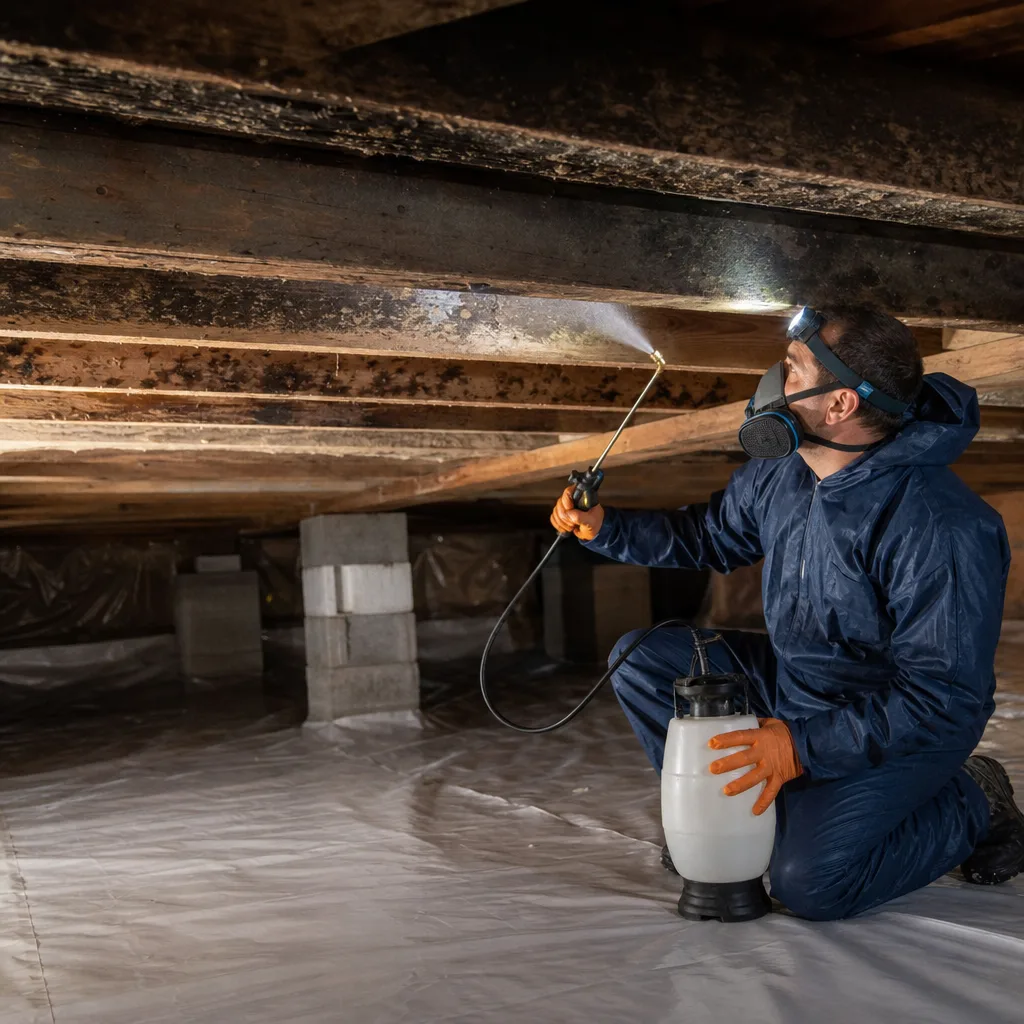
Structural Drying
After a fire, walls look dry but they rarely are. In Harrington Park, the clay that holds groundwater against your foundation also holds suppression water inside concrete block cavities. We run Dri-Eaz moisture sensors and thermal imaging to map exactly where water is hiding, then set up containment, air movers, and dehumidification to bring the entire structure to dry standard before we rebuild anything.
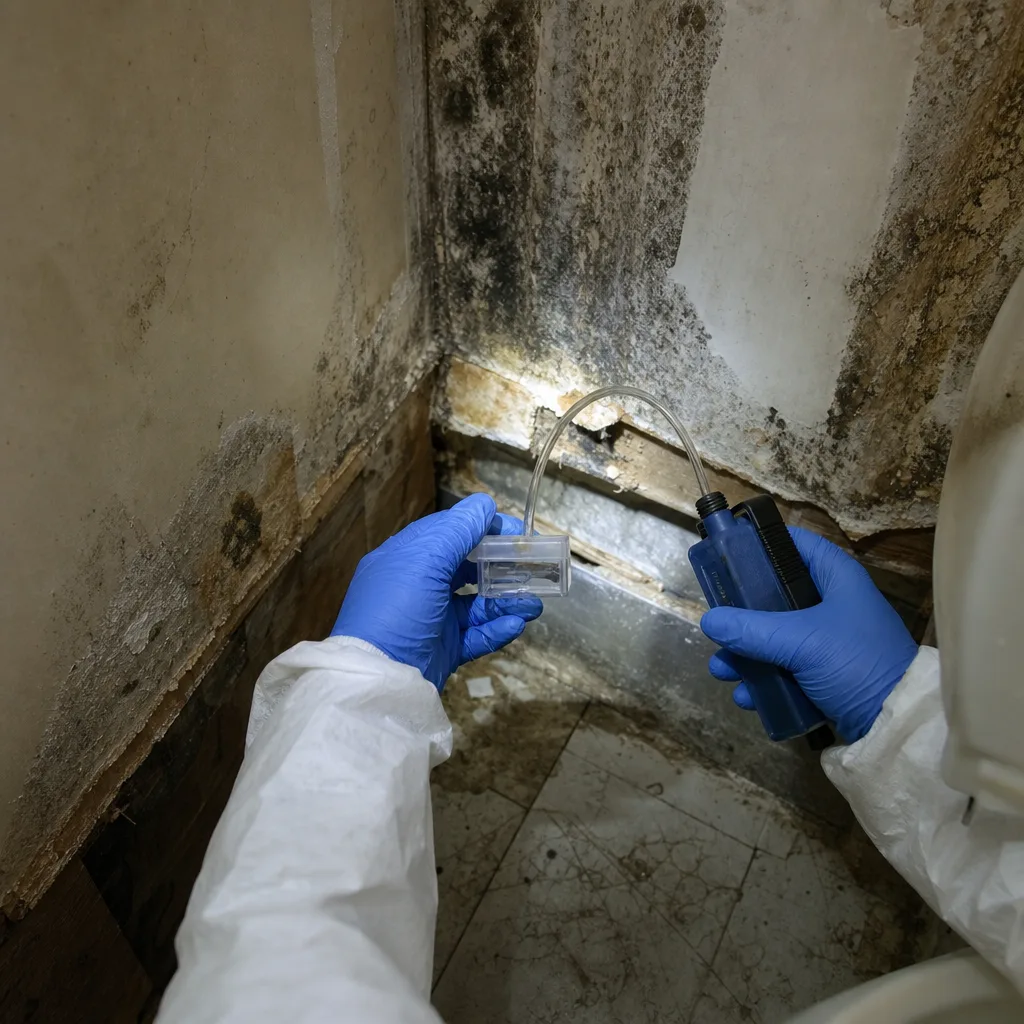
Contents Cleaning & Pack-Out
When a basement fire in a split-level forces us to open walls for smoke removal, everything in that room needs to be inventoried, cleaned, and often packed out while we work. We use XPOWER air scrubbers and HEPA vacuums on site, but for heavily damaged contents we pack out to a controlled environment, clean each item according to soot type, and return it to your home photo-documented and accounted for.
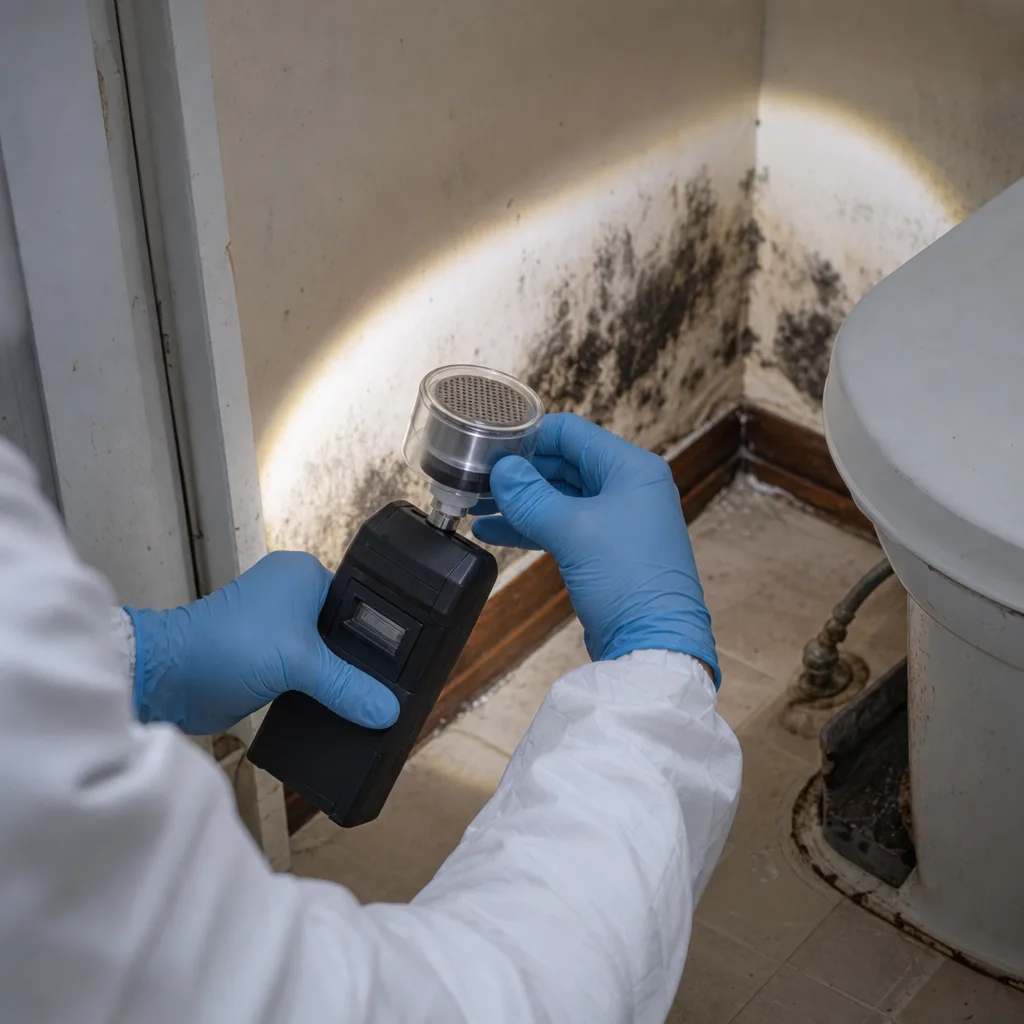
Odor Removal & Deodorization
Smoke odor in a 1960s Harrington Park split-level lives in the open web floor trusses and the cold-air returns. Surface sprays mask it for a week. We remove it with hydroxyl generators, thermal fogging, and HVAC cleaning down to the duct runs, treatment that reaches the cavities where soot particles actually are. This is the difference between a house that smells clean and a house that is clean.
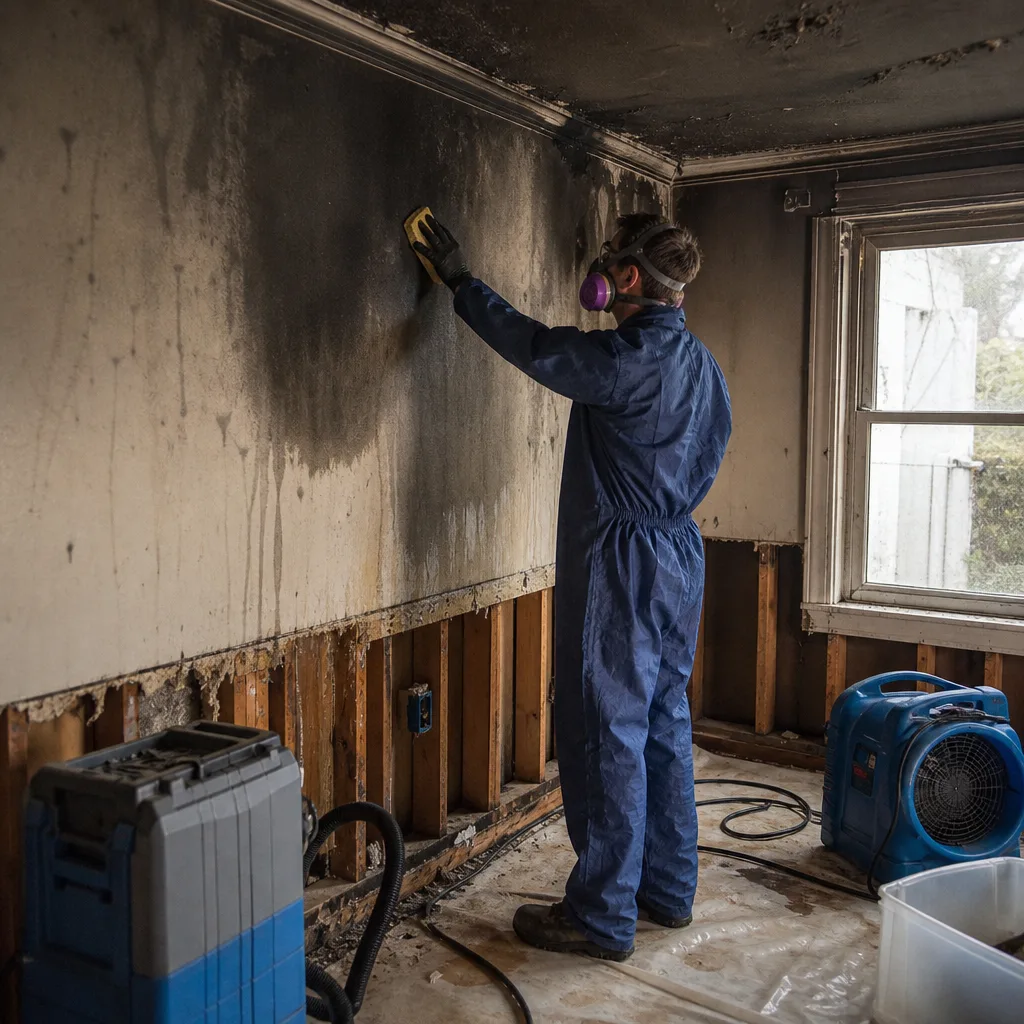
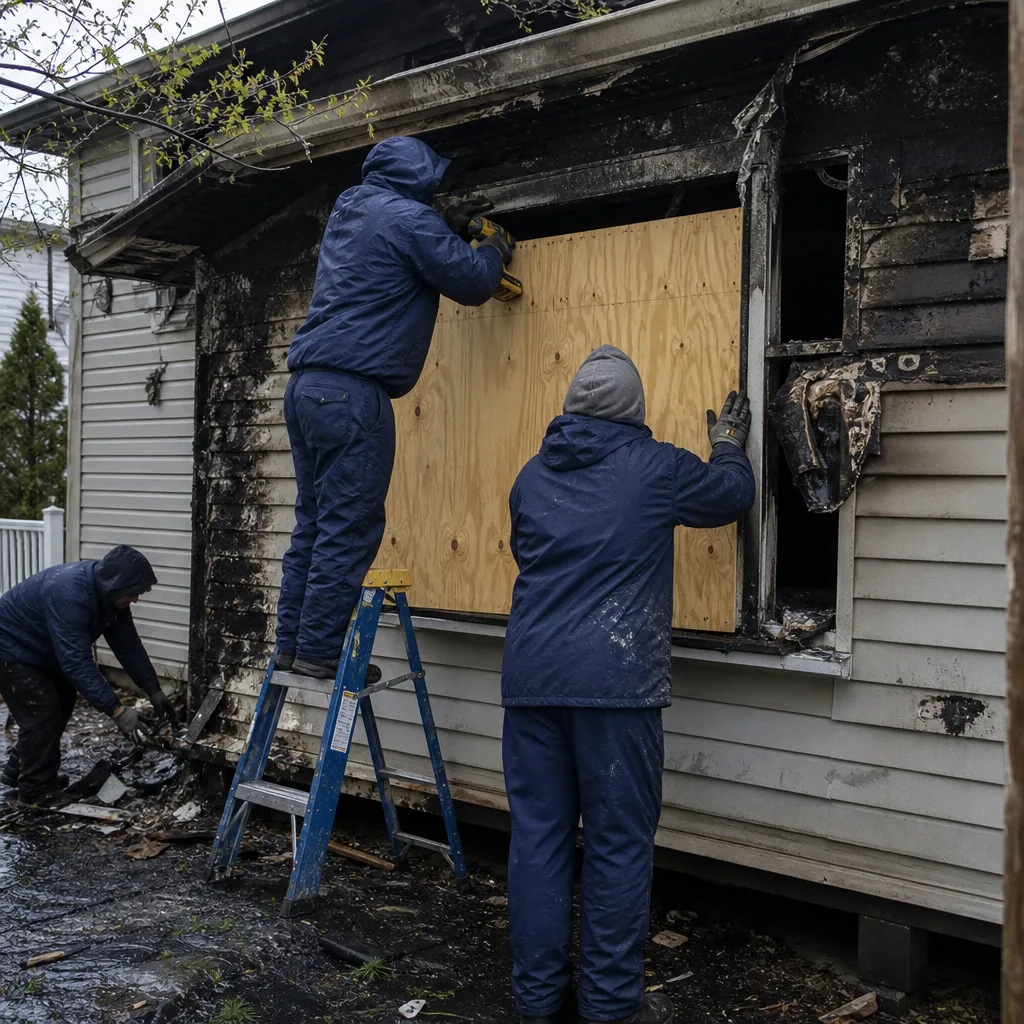
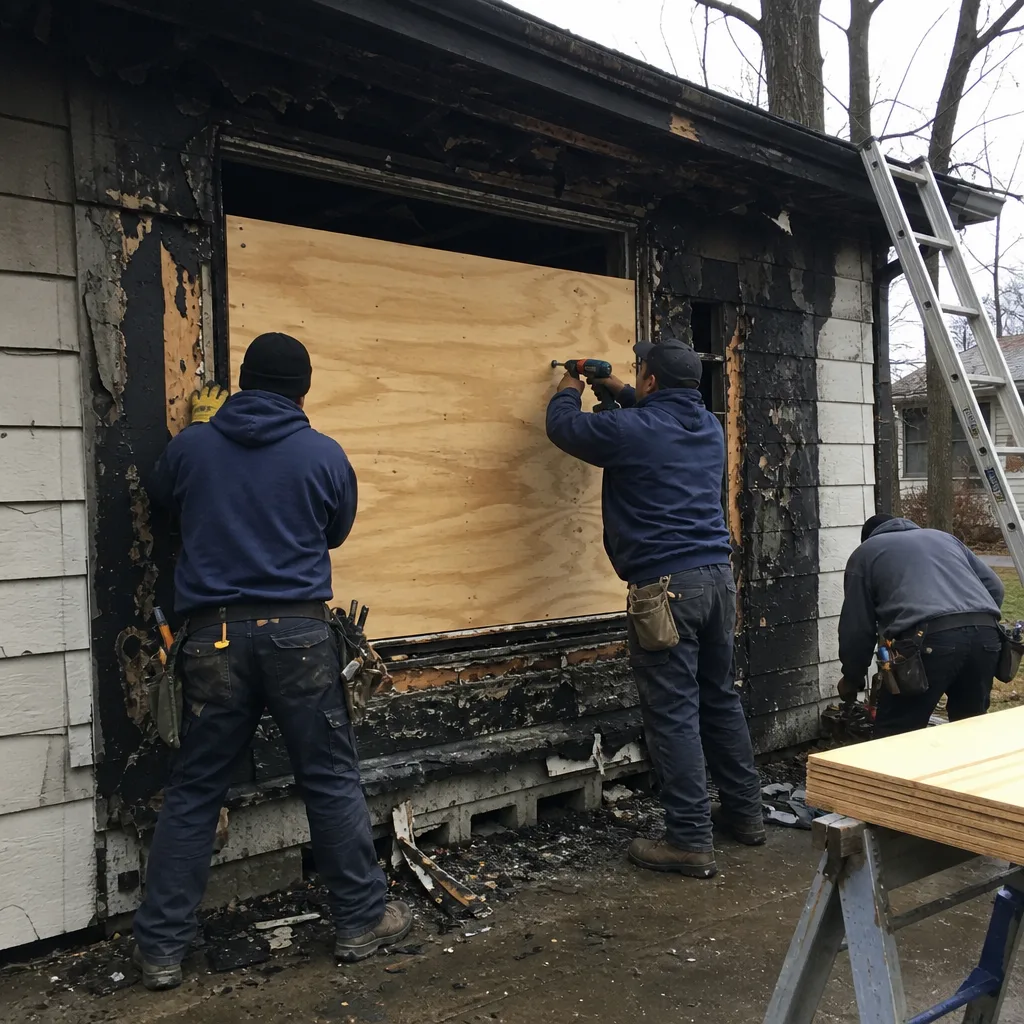
Emergency Board-Up & Tarping
Harrington Park’s older Cape Cods and colonials have original wood windows and rooflines that may have ice damage from prior winters. Standard plywood over lead-painted sills fails fast, and loose tarps tear in the nor’easter winds that hit Bergen County every fall and spring. We secure openings with proper anchoring and weather-rated materials so that rain doesn’t re-wet what the fire and the suppression water already soaked.
Structural Fire Repair
Rebuild work after a fire in Harrington Park means addressing what the fire destroyed and what the water exposed. Our crews replace charred framing, rehang drywall, repaint, and refinish, but we also treat the moisture that was already in your concrete block foundation before anyone lit a match. One team for all of it, so nobody has to explain the job twice.
What happens when you call
- 1
A real person answersNo phone trees - you reach a local pro.
- 2
You get an upfront price rangeHonest numbers before anyone is dispatched.
- 3
A background-checked tech heads outLicensed & insured, dispatched right away.
- 4
You approve before work beginsNothing starts until you say go.
Fire & Smoke Damage Restoration Costs in Harrington Park, NJ
A straightforward smoke cleanup after a small kitchen fire in Harrington Park runs $1,200 to $3,400, covering HEPA vacuuming, surface cleaning, and basic deodorization. A basement fire with suppression water and structural drying work typically lands between $7,500 and $22,000, depending on how far the smoke traveled through the house and how much drywall and insulation comes out. Full-house smoke deodorization with HVAC cleaning in a 1960s split-level starts around $5,000 and can reach $15,000 when contents pack-out is included. If the fire suppression water saturated clay-damp block walls, add structural drying and antimicrobial treatment, which usually adds $2,800 to $6,500 to the total. Most of this is covered by homeowners insurance, and we bill your carrier directly. Our free visual inspection gives you a firm written scope before any work begins, so you walk into the claim with real numbers, not guesses.
We Also Serve Cities Near Harrington Park
Our crews work throughout northern Bergen County, including Northvale, Hillsdale, Park Ridge, and Woodcliff Lake. If you’re in one of those towns and dealing with fire or smoke damage, call the same number, (914) 935-7914, and we’ll get someone to you just as fast.
Harrington Park Fire & Smoke Damage Restoration Questions, Answered
Why does fire damage in Harrington Park basements often require structural drying even when the fire was small?
Because Harrington Park sits on Bergen County clay that holds groundwater against foundation walls, and your 1950s or 1960s concrete block basement likely already has degraded mortar joints that wick moisture into wall cavities. When fire suppression water drains through the floor, it follows the same path and gets trapped behind finished drywall, making our Sewage Cleanup in Harrington Park expertise relevant for contaminated water situations. A small fire means less heat and smoke, but the same amount of hidden water, and that water needs structural drying before mold takes hold. Call (914) 935-7914 and we’ll moisture-map the basement before we touch anything else.
How do you remove smoke odor from a 1960s split-level in Harrington Park without gutting the whole house?
We clean the cold-air return system, treat wall cavities with thermal fogging, and run hydroxyl generators in every affected room. Split-levels have open web floor trusses that let soot travel far from the fire, but most of that soot settles in ducts and cavities we can reach through small access points. Full gutting is rarely necessary. The key is treating the right surfaces the first time, and we tell you exactly which ones after inspection.
Can you save contents from a basement fire in a Harrington Park colonial, or does everything get thrown out?
Most things can be saved. Soot-covered furniture, clothing, books, and tools all respond to different cleaning methods, from dry chemical sponges to ultrasonic cleaning for electronics and small items. Things that can’t be saved are usually those burned or too heat-damaged to function. We inventory everything, clean what’s cleanable, and document what isn’t for your insurance claim. Talk to us at (914) 935-7914 before you start throwing things away.
After a kitchen fire in Harrington Park, how long before mold starts in the water-damaged areas?
Mold can start in 24 to 48 hours if suppression water has reached drywall, insulation, or wood. In Harrington Park’s clay-driven basements, where moisture already sits against concrete block behind finished walls, the clock starts faster. If you had a fire this morning, don’t wait until tomorrow to call. (914) 935-7914 is live now, and the sooner we extract and dry, the less mold remediation you’ll need later.
Does Harrington Park’s water classification after a fire change what can be dried versus removed?
It does. Fire suppression water that mixes with soot, ash, and household chemicals is classified as Category 2 or Category 3, depending on what burned, which is why Harrington Park Biohazard & Crime Scene Cleanup protocols may apply. Porous materials like carpet pad and upholstery that absorbed that water often get removed instead of dried. Drywall and structural wood can usually be dried if we reach them quickly. The difference matters for safety and for what your insurance will pay to replace.
How fast can someone actually get to my home in Harrington Park after a fire?
Within 45 minutes, on average. We answer the phone with a live dispatcher at all hours, and crews stationed near the Bergen County border can be at your door before the fire department finishes their report. The first hour after a fire is when soot is still removable and water hasn’t saturated into wall cavities. Call (914) 935-7914 as soon as the fire is out, and we’ll be rolling.
Will insurance cover fire and smoke damage restoration in Harrington Park, or will I pay out of pocket?
Most standard homeowners policies cover fire, smoke, and the water damage from suppression, minus your deductible. What gets tricky is when pre-existing water damage from clay-driven seepage is documented by the adjuster. We write our scopes to separate fire-caused damage from pre-existing conditions clearly, with photo documentation, so your carrier can see exactly what the fire did. We bill them directly and handle that conversation.
Are your technicians certified for fire restoration work?
Yes. Our crews hold IICRC Fire and Smoke Restoration Technician (FSRT) and Odor Control Technician (OCT) certifications, plus Water Restoration Technician (WRT) for the drying side of every fire job. They work to RIA and IFA standards, are background-checked, and arrive in uniform. Curt Bowman requires every tech on a fire job to have both fire and water credentials, because in Harrington Park you’re always dealing with both.
What to Do in the First 30 Minutes After a Fire in Harrington Park
Get everyone out, call 911, and when the fire department says it’s safe, call us at (914) 935-7914. Don’t wipe down soot-covered surfaces; dry cloths press soot into paint and permanently stain it. Don’t turn on your HVAC, because it’ll circulate soot through the house. Don’t walk through soot more than necessary, and don’t move things out of the fire room until we’ve documented the loss. The less you disturb, the more we can restore.
Serving Harrington Park, NJ - Our Local Coverage Area
We’re based in the Harrington Park area and know this community well. Use the map below to see our service coverage - if you’re nearby, we can almost certainly help.
Call Floodline Restoration Co. for Fire & Smoke Damage Restoration in Harrington Park
When you’re ready, call (914) 935-7914. A live person answers. We’ll get a crew to your Harrington Park home, do a free visual inspection, and give you a written scope before any work begins. The 90-Day Done Right Promise is in writing on every job: if it’s not done right, we make it right. No arguing, no paperwork battles, no “the adjuster will get back to you.” Serving Harrington Park, Fire & Smoke Damage Restoration in Harrington Park, with the same team from first board-up to final coat of paint.
Written by Curt Bowman, Owner at Floodline Restoration Co., serving New Jersey homeowners since 2010.