

Free visual inspection and a written scope of work before any mitigation begins - photos, moisture readings, and drying logs go in your claim file
The scope we write is the scope we bill. Anything new gets shown to you, in writing, before we touch it.
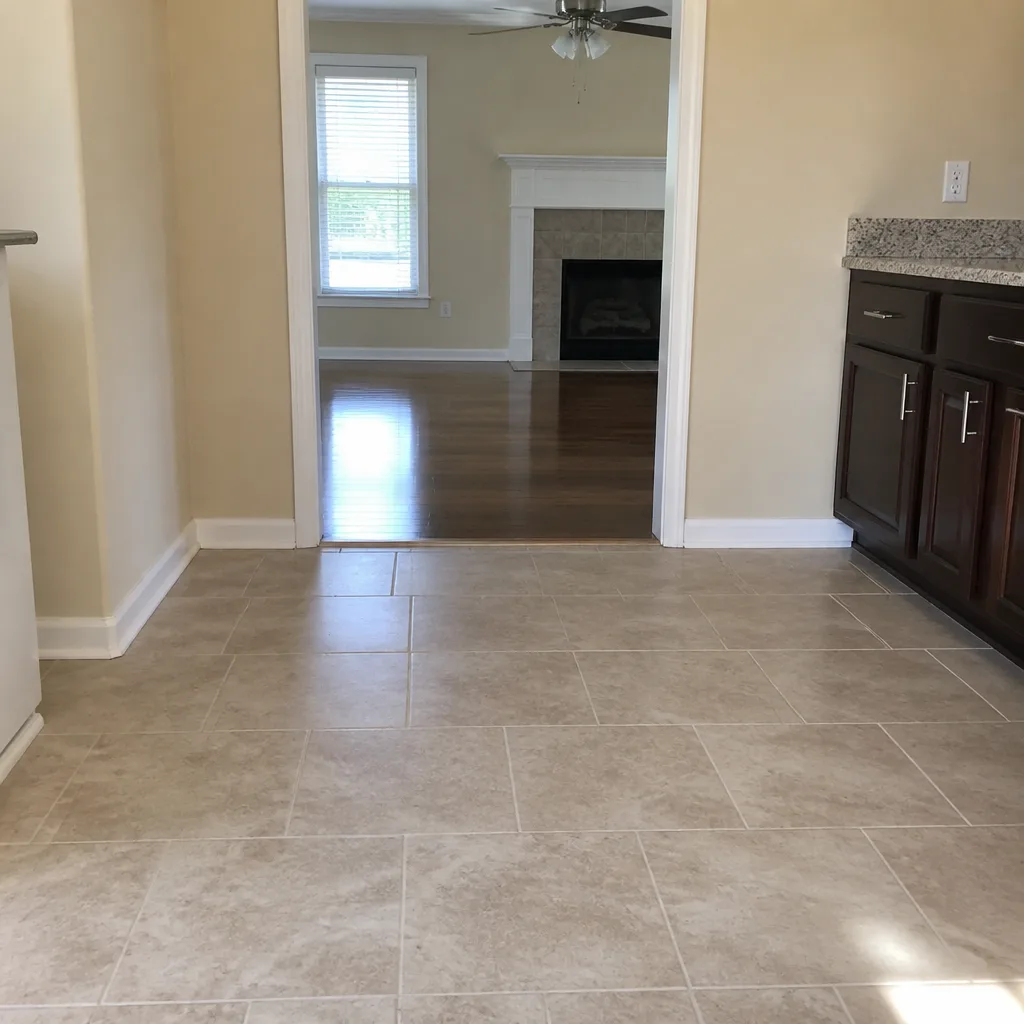
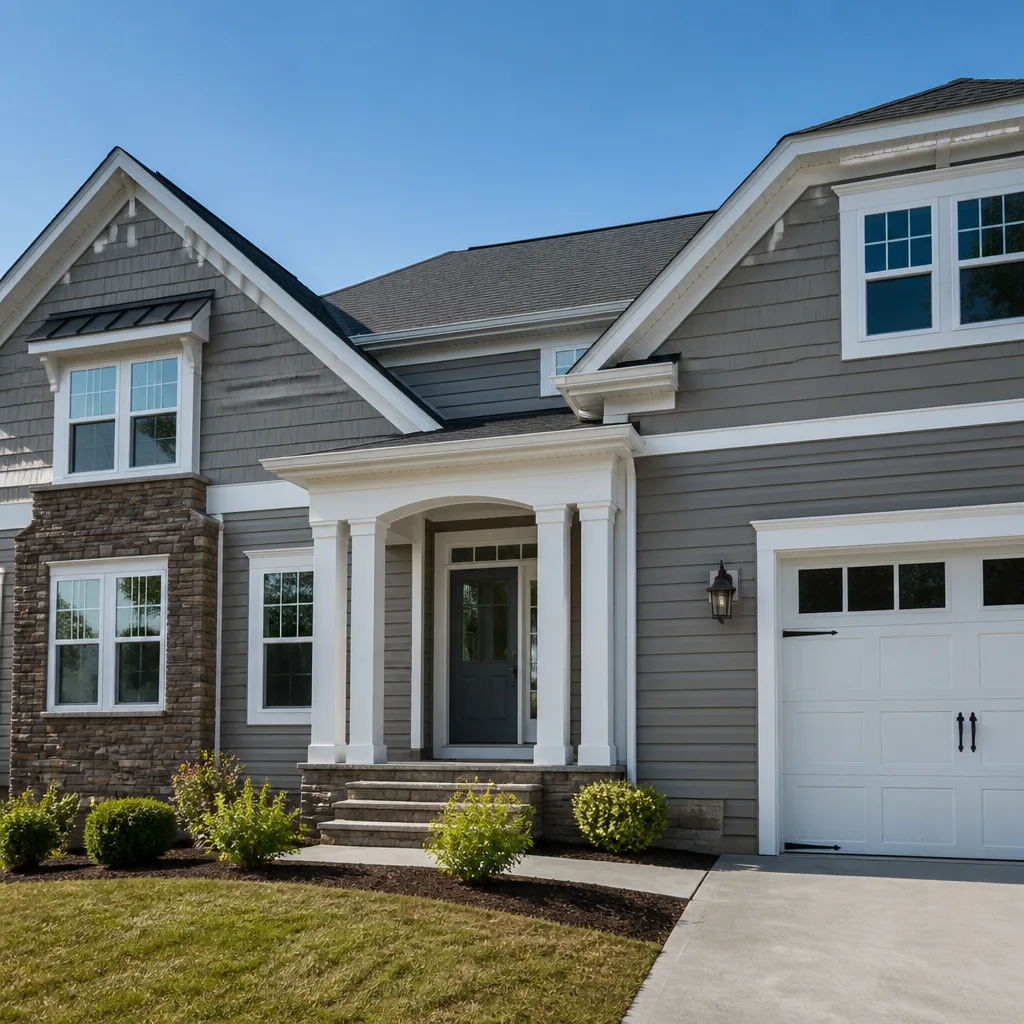
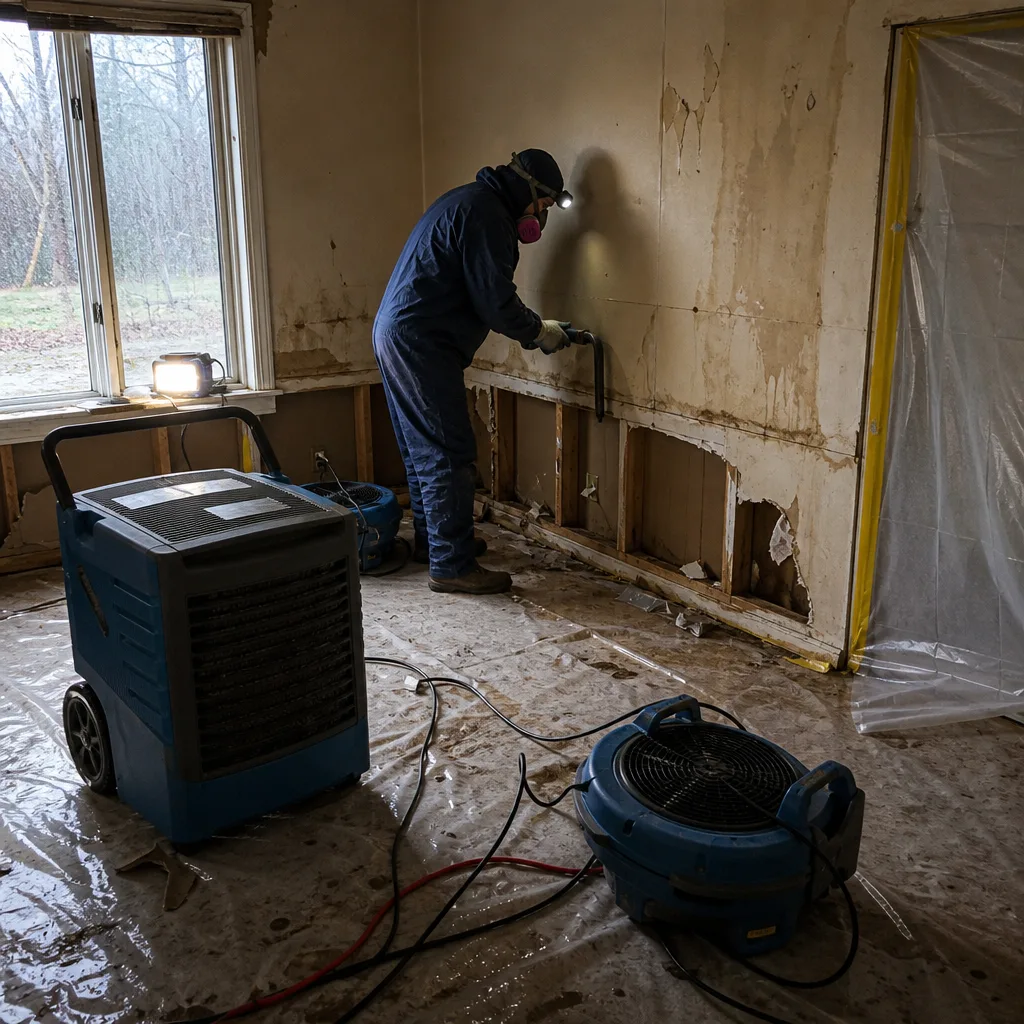 Before
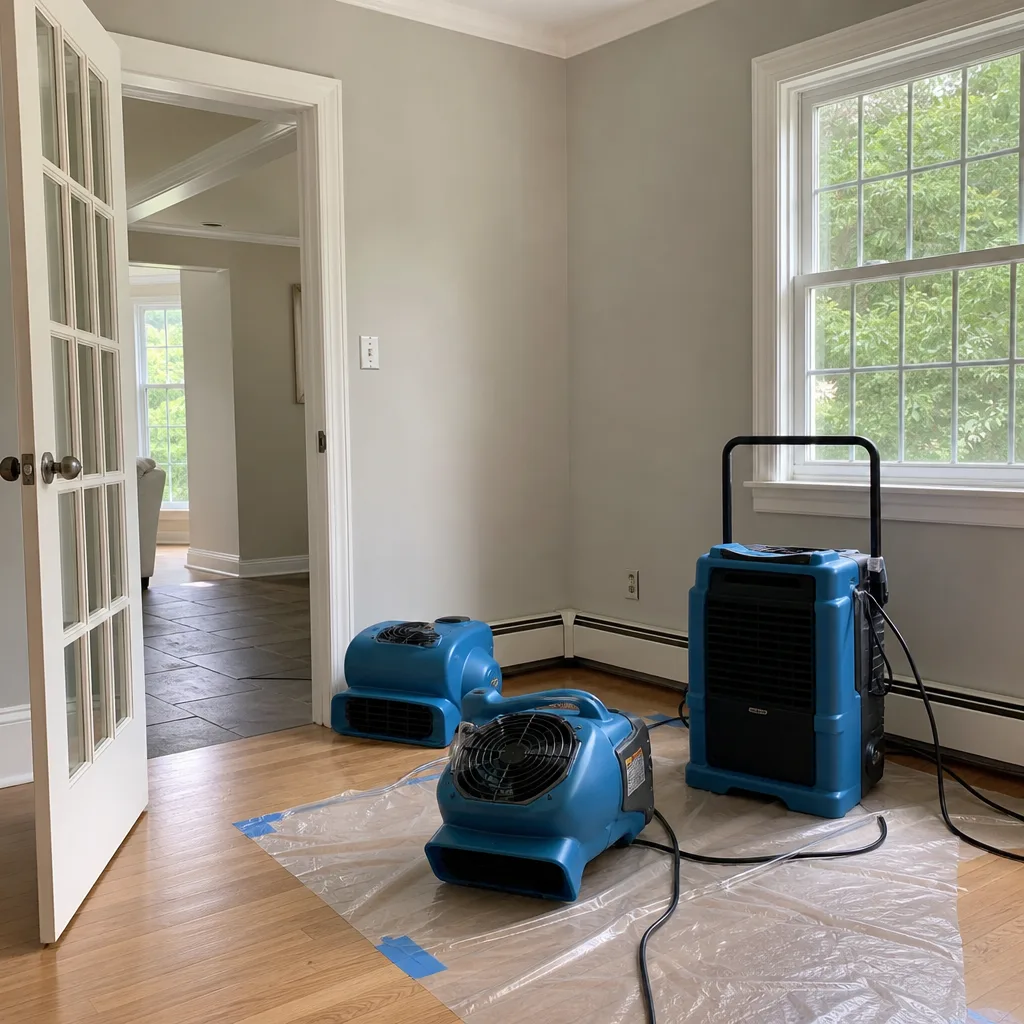 After
After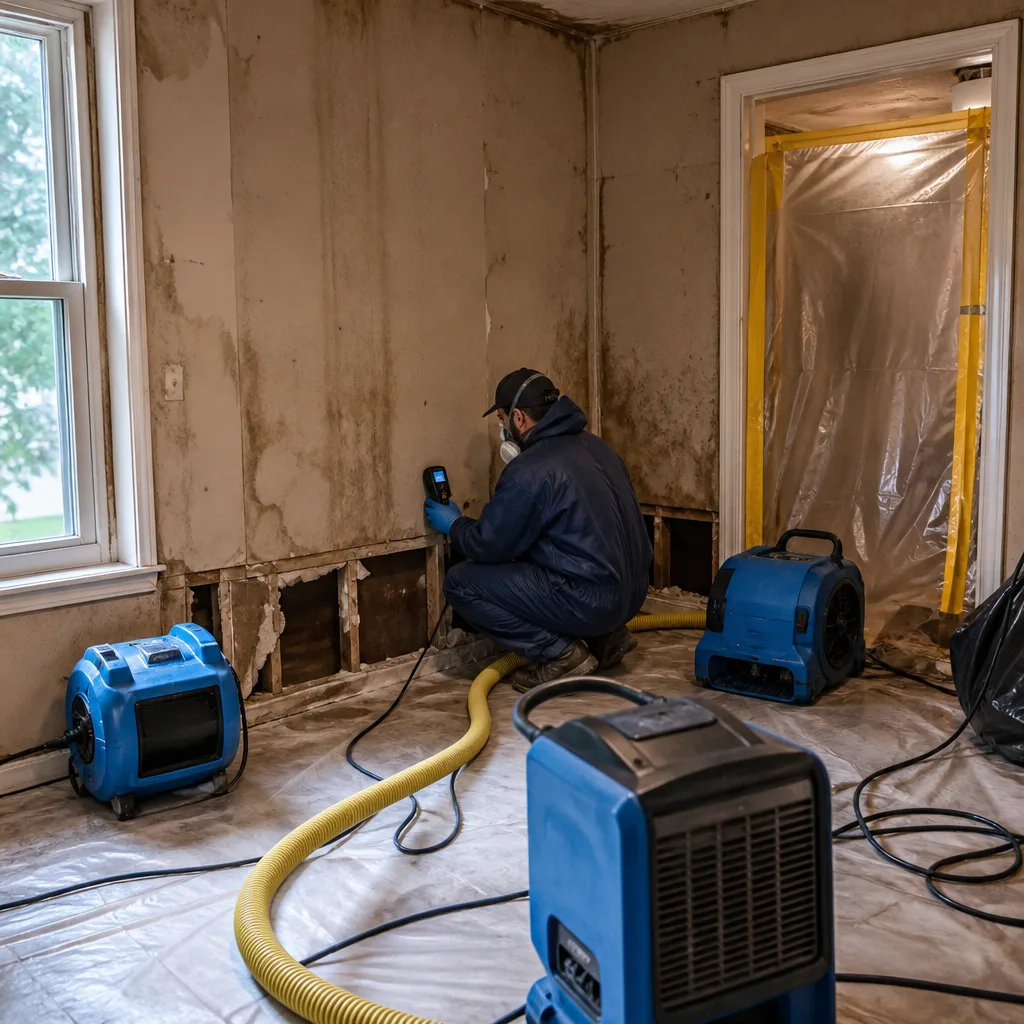 Before
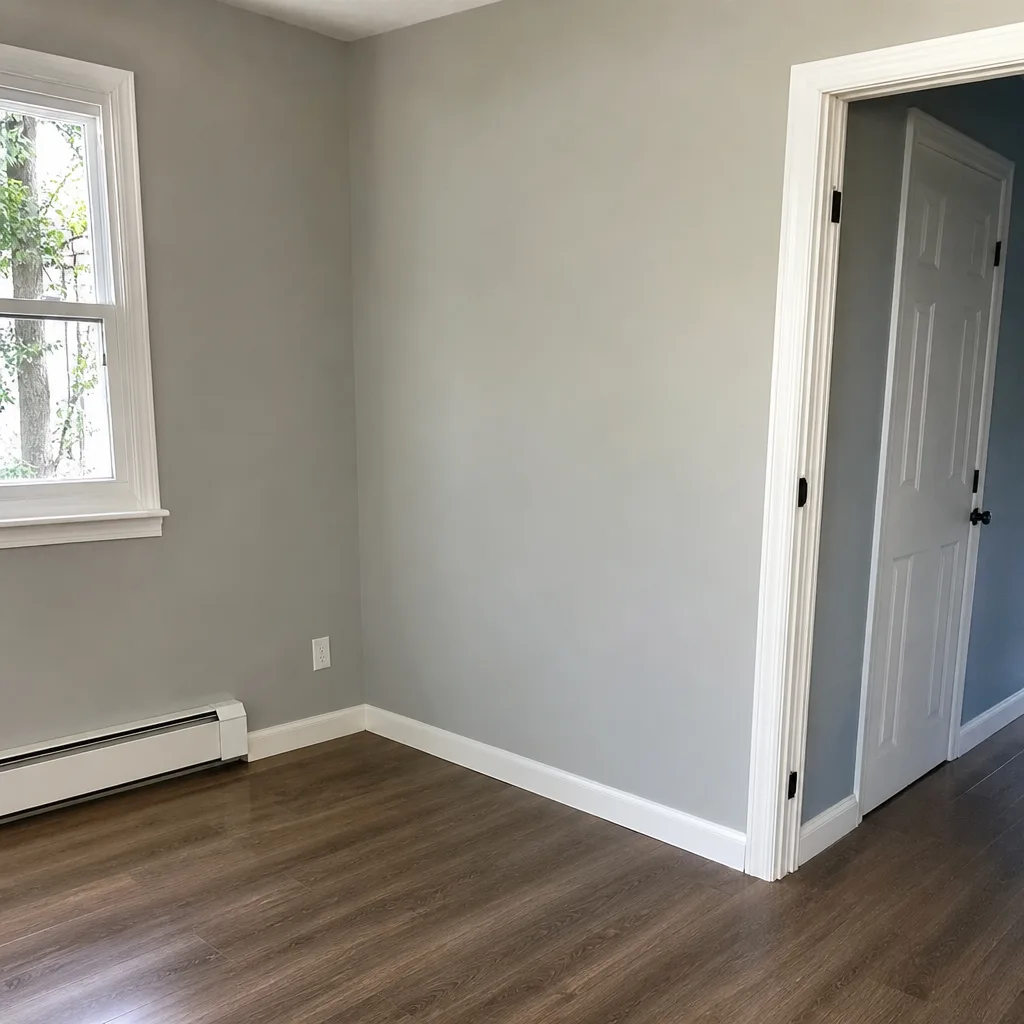 After
After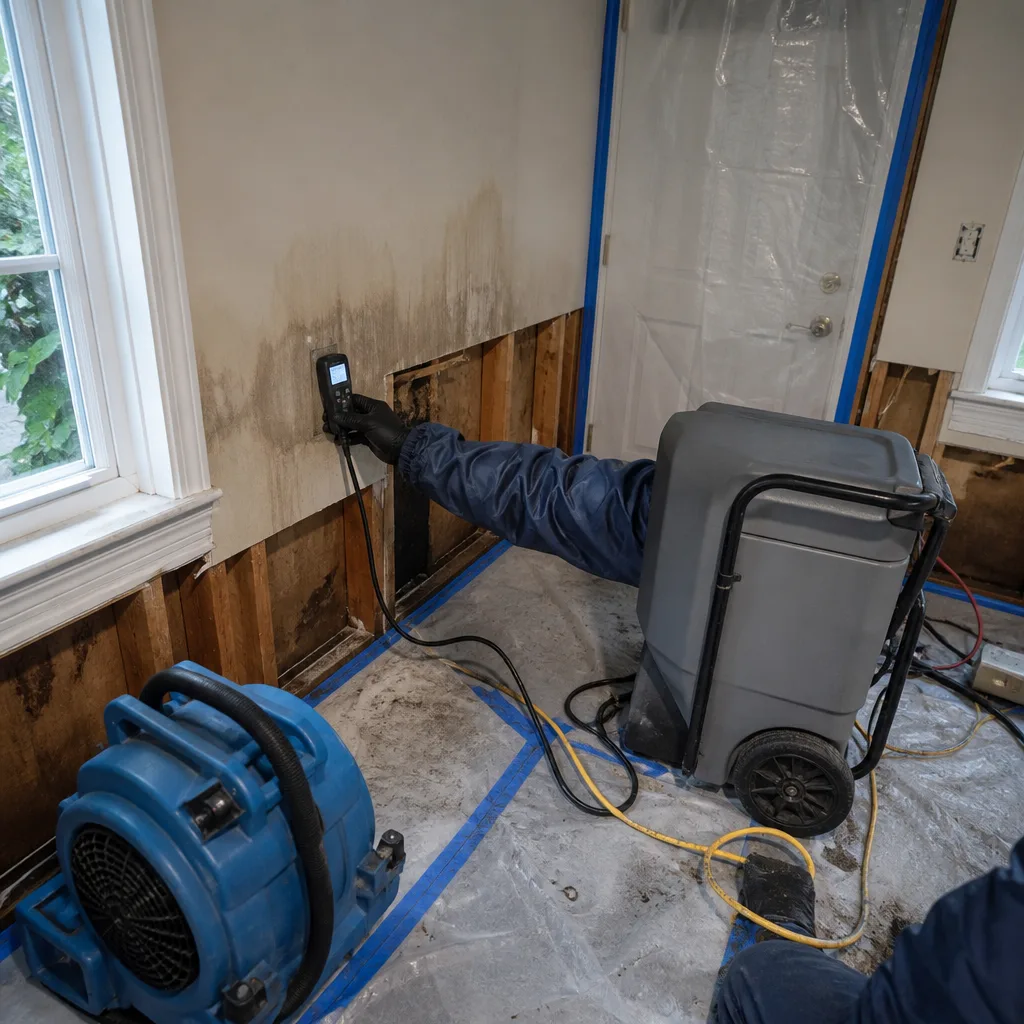 Before
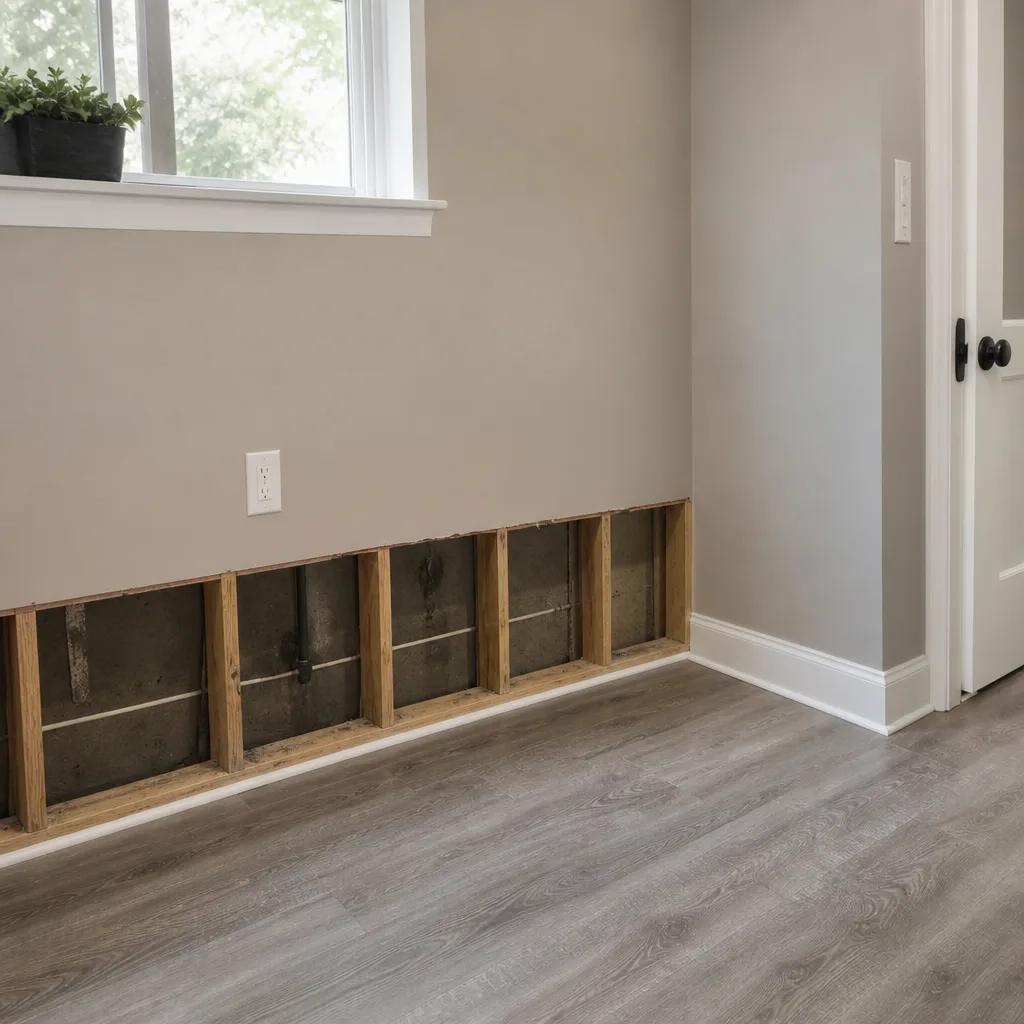 After
After24/7 Emergency Mold Remediation in Park Ridge
Mold remediation in Park Ridge typically costs between $2,400 and $6,800 for a finished basement, with most jobs completed in three to five days. We answer live at (914) 935-7914 around the clock, and a certified crew can be at your door within 45 minutes. The first call matters because mold doubles roughly every 24 to 48 hours once spores find moisture. If you’re standing in a wet basement off Spring Valley Road or Mill Pond, waiting isn’t neutral: it’s financing a bigger claim. Curt Bowman founded Floodline Restoration Co. in 2010 with a dispatch board, not a sales desk, and that’s why a real person picks up at two in the morning.
Understanding Mold Remediation Severity in Park Ridge Properties
Not all mold jobs are the same. The distinction starts with water category. Category 1 is clean water from a supply line. Category 2 carries contaminants such as sump overflow or dishwasher discharge. Category 3 is grossly unsanitary, and around the Pascack Brook, that’s what we’re usually facing: floodwater carrying silt, lawn chemicals, and possibly sewage. Once Category 3 water sits in a finished basement for more than 48 hours, the remediation scope shifts from cleaning to full containment. We establish negative air pressure, seal the work area with 6-mil poly, and run HEPA air scrubbers before we touch a single stud. In Park Ridge’s 1950s split-levels and Cape Cods with finished lower levels, mold often travels inside wall cavities before it ever shows on drywall. That’s why clearance testing after remediation matters. You don’t just want the visible mold gone; you want the spore count in the air back to a baseline comparable to the outdoors. Without that, the next warm, humid stretch pulls the problem right back to the surface.
Why Park Ridge Property Owners Choose Floodline Restoration Co.
- 45-minute response commitment - crews are dispatched from the local service area and arrive fast, with Dri-Eaz dehumidifiers and XPOWER air movers on the truck, not ordered later.
- 24/7 live answer, never an automated system - a live dispatcher answers every call, including weekends and holidays, because floodwater doesn’t check a clock.
- IICRC-certified crews - our technicians hold certifications in water damage restoration, applied structural drying, and mold remediation, so the moisture map on day one is built by someone trained to read it.
- Free visual inspection - we look first, explain what we’re seeing in plain language, and hand you a written scope before any work begins.
- Direct insurance billing - we document everything, coordinate with your adjuster, and bill the carrier directly so you’re not playing messenger.
- One team from extraction to reconstruction - the same background-checked, uniformed crew that strips out wet drywall is the crew that rebuilds it. No mid-job handoff, no inherited strangers.
Our Mold Remediation Process
Inspection & Assessment
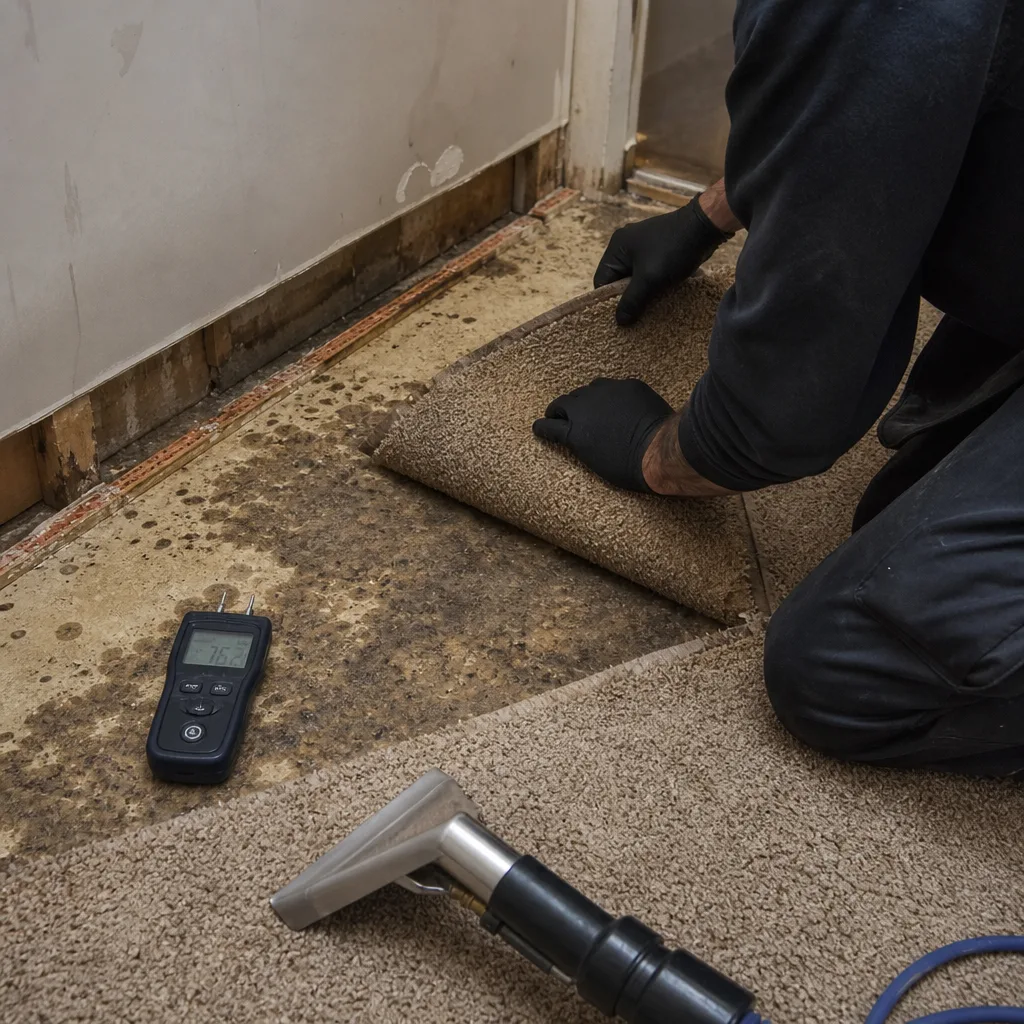
We map moisture across floors, walls, and ceiling cavities with thermal imaging and penetrating moisture meters. In Park Ridge homes, the first place water hides is the concrete slab under 1950s-era vinyl or carpet. We also check the crawl space, because a damp crawl space feeds mold into the living space above it, even if the basement looks dry.
Containment & Stabilization
Before removing anything, we set up containment barriers and negative air pressure so mold spores don’t spread through the HVAC system into upstairs bedrooms. If we find prior failed remediation work, which we often do near the brook, we include that in the scope before tearing into the current damage.
Drying & Dehumidification
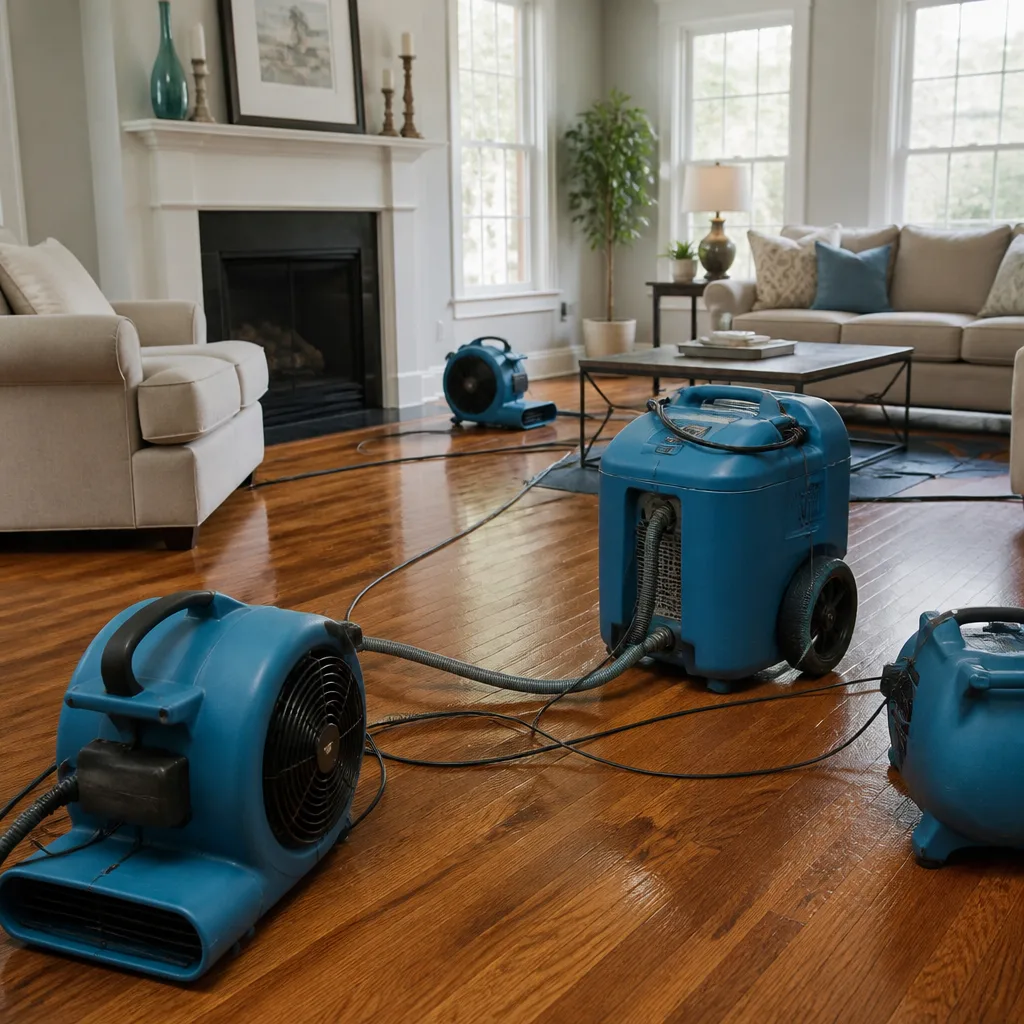
Dri-Eaz dehumidifiers and XPOWER air movers get placed according to the moisture map, not by guesswork. We take daily readings and adjust the equipment until the structure hits the dry standard: typically 6% to 9% moisture content for framing, lower for drywall. The log goes to you and your carrier.
Cleaning & Sanitization
Affected surfaces get HEPA vacuuming followed by antimicrobial treatment. We don’t paint over mold or cover it with new drywall. If a previous contractor did, we strip that layer and start clean. The goal is removal, not masking.
Moisture & Humidity Control
Park Ridge’s floodplain homes need more than a one-time drying job. We evaluate vapor barriers, sump pump capacity, gutter discharge, and dehumidifier settings. Many homes near the Pascack Brook benefit from a dedicated crawl space treatment with a new vapor barrier and sealed vents to lower indoor humidity below the mold-friendly 60 percent threshold.
Repairs & Restoration
Once the structure passes clearance testing, the same crew rebuilds. Drywall, insulation, flooring, trim. The 90-Day Done Right Promise, our Keystone Standard, is handed to you in writing. If it’s not done right, we make it right. No arguing, no paperwork battle.
Need Emergency Mold Remediation in Park Ridge Now?
Crews minutes away, answering live 24 hours a day. The sooner we start, the less it costs.
Working With Your Insurance Company
Flood insurance claims in Park Ridge work differently from standard homeowner policies. Most standard policies exclude overland flooding, which means Pascack Brook overflows often fall under FEMA’s National Flood Insurance Program instead of your regular carrier. That changes the paperwork, the adjuster, and the timeline. We’ve handled enough NFIP claims in this borough to know what the Substantial Damage review process requires, and we document from the first hour with that standard in mind. Photo documentation starts before we move anything. Moisture logs are dated and signed. The line-item scope of work matches the format adjusters expect. If your home has flooded more than once, that history matters to the claim too. We bill the carrier directly and keep you informed without asking you to be the middleman.
What We Provide Your Insurer
- Thorough documentation of the loss
- Photos of all damage, room by room
- Moisture readings and drying logs
- A detailed, line-item scope of work
- Direct coordination with your carrier
Built for Park Ridge’s Loss Calendar
Park Ridge’s mold season tracks the Pascack Brook’s behavior, and the brook behaves badly in cycles. Early spring is the first wave: heavy rain on saturated soil sends the brook over its banks into the low-lying streets near Mill Road and Fremont Avenue. That’s when finished basements in the 1950s split-levels take on water and mold gets its start. Late summer thunderstorms can bring a second pulse, especially when the ground is already waterlogged. Then comes the hidden season. Freeze-thaw cycling through late winter drives ice dams on the shallow-pitched Cape Cod rooflines common in Park Ridge. Meltwater backs up under shingles, seeps into attic sheathing, and by the time the stain shows on the ceiling, mold has already colonized the insulation. The takeaway for homeowners here is simple: spring floods start the clock, but ice dams and trapped crawl space moisture keep it running all year. A moisture check in November can prevent a remediation job in March.
Mold Remediation Across Park Ridge’s Neighborhoods
The Mill Pond section sits closest to the brook, and it’s where we see the most repeat flood damage. Homes there have been through restoration before, sometimes twice, and part of our job is sorting out what the last crew actually did. We handled a finished basement in the Mill Pond section after the Pascack Brook’s spring overflow. Before setting up containment, we found the previous contractor had covered wet framing with new drywall and skipped antimicrobial treatment, so we had to strip that layer, map moisture readings across the slab and studs, then run Dri-Eaz dehumidifiers with XPOWER air movers for six days before passing post-remediation verification. Along Spring Valley Road and up toward the Saddle River border, the homes are newer but the crawl spaces are still damp because the water table stays high. Homeowners near Woodcliff Lake see fewer overland floods but more condensation-driven humidity issues, which means air quality complaints without visible mold. The Collins Avenue corridor has older colonials with original cinder block foundations that wick moisture from the ground, feeding mold on the interior side of finished walls. Each neighborhood has a pattern. We read the house before we read the map.
Specialized Mold Remediation Services We Offer in Park Ridge
Mold Inspection & Testing
We inspect first and test when it informs the scope. Air sampling tells us whether spores are circulating through the living space or trapped inside a single wall cavity. For Park Ridge homes near the brook, we often test after remediation too, to prove the air is back to baseline before you move the furniture back downstairs.
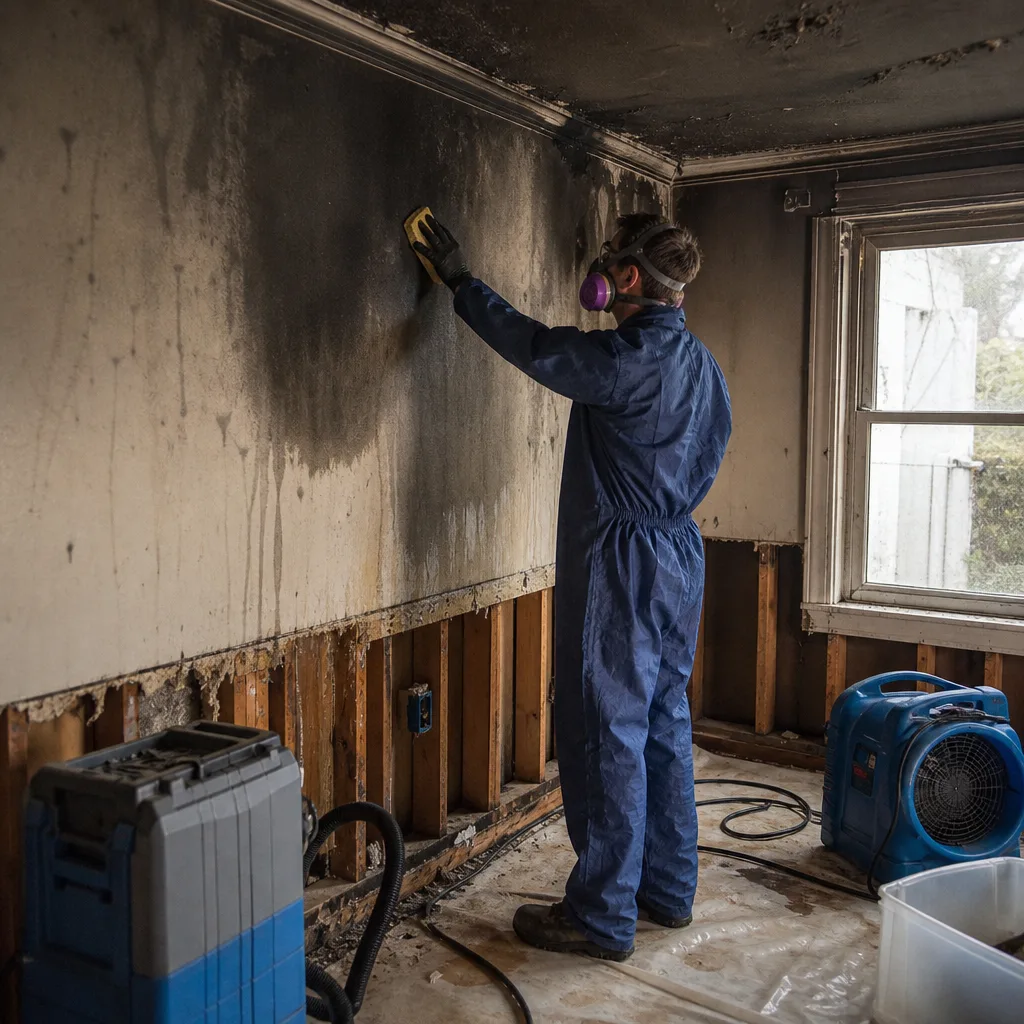
Mold Removal
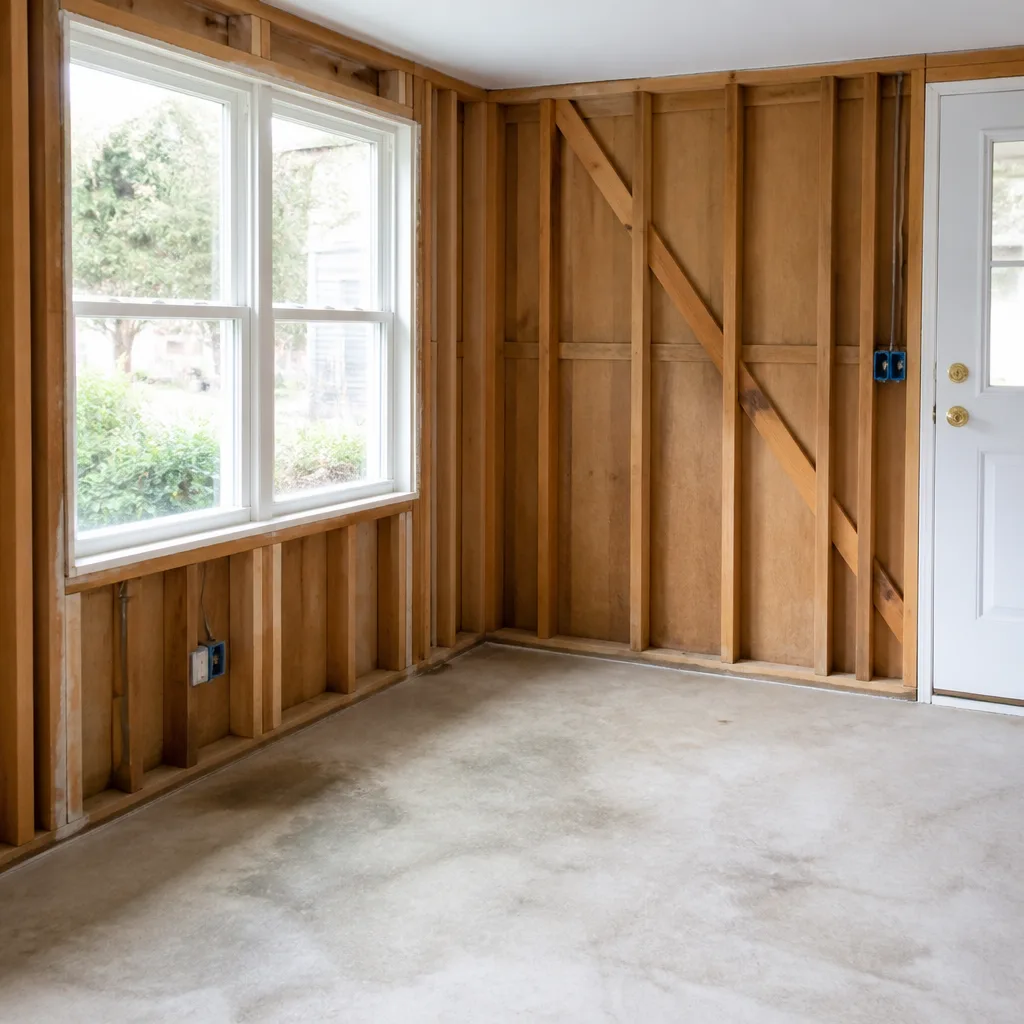
This means physical removal of contaminated material: drywall, insulation, carpet, underlayment. We bag it, seal it, and dispose of it according to IICRC standards. We don’t fog a room and call it done, because in a flood-cut basement, fog doesn’t remove the mold that’s growing inside the drywall itself.
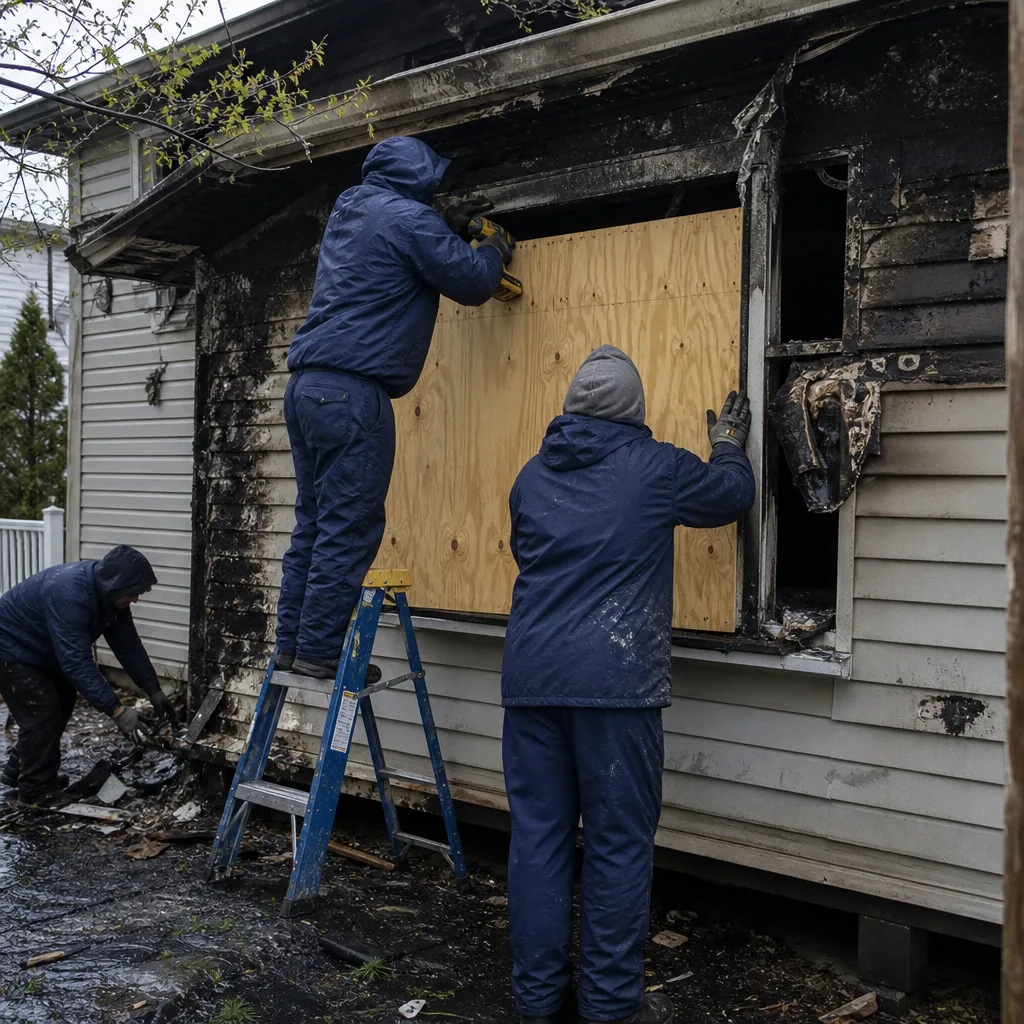
Black Mold Remediation
Stachybotrys, what you likely know as black mold, thrives on cellulose-rich materials that stayed wet for days. In Park Ridge’s floodplain, that’s drywall, ceiling tiles, and cardboard boxes stored on basement floors. Containment is even more critical here because the spores are heavier and spread easily through disturbance. We treat every black mold job as a containment job, no exceptions.
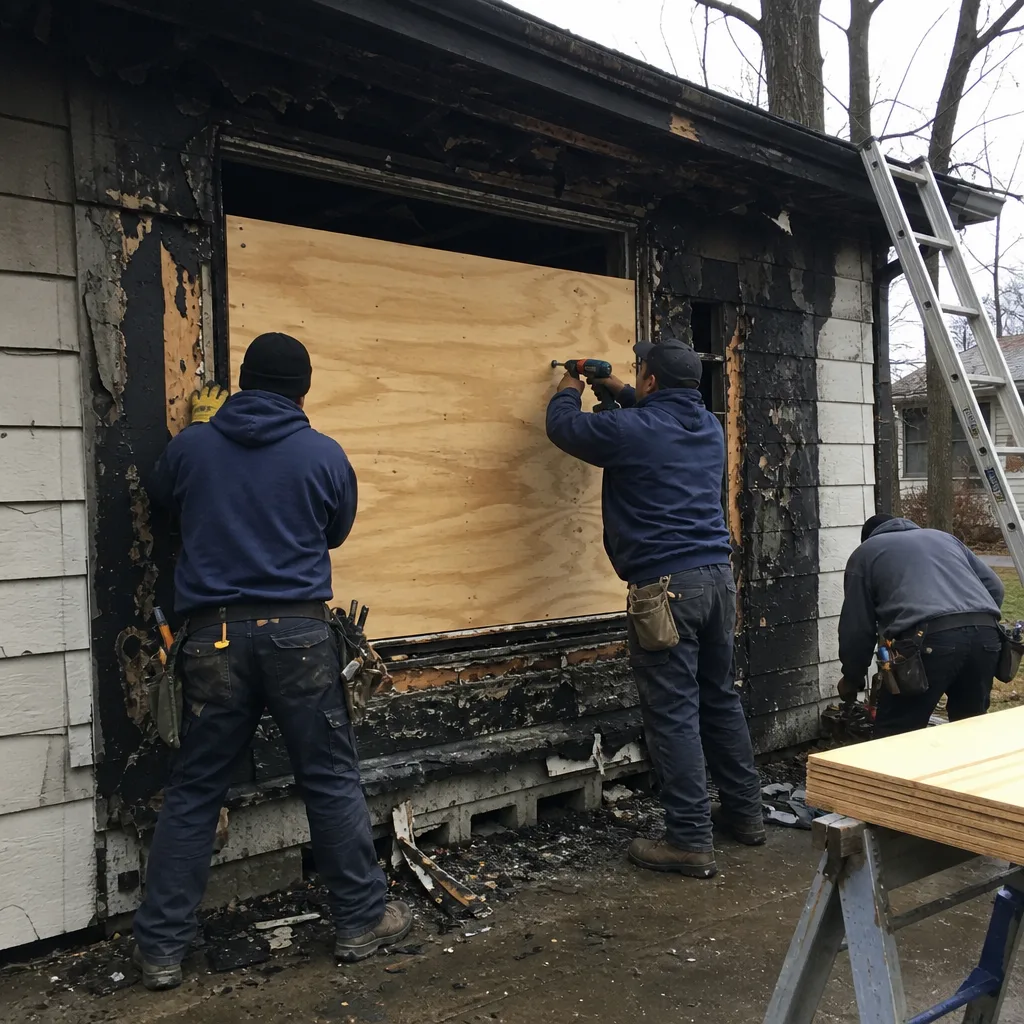
Air Quality Restoration
After a flood, indoor air quality suffers even in rooms the water never touched. We run HEPA air scrubbers during remediation and air out the space once the dry standard is met. For homes where humidity is the culprit rather than standing water, we recommend whole-home dehumidification settings, not just a portable unit in the corner.
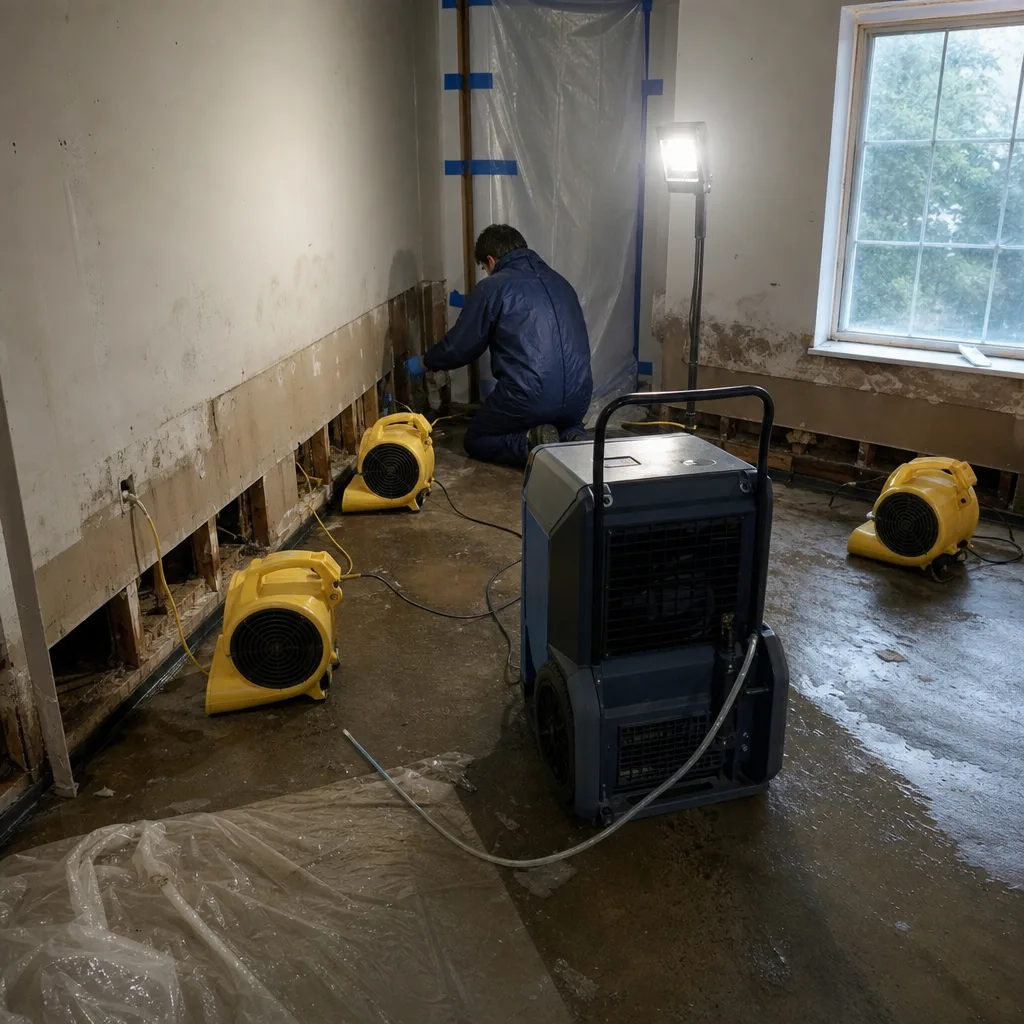
Crawl Space Treatment
Park Ridge’s older colonials and split-levels often have vented crawl spaces that pull in outside humidity all summer long. That moisture feeds mold on floor joists and subflooring, then migrates into the living space. We seal vents, install vapor barriers, and treat existing fungal growth. The result is a crawl space that stays dry enough to stop feeding the problem.
What happens when you call
- 1
A real person answersNo phone trees - you reach a local pro.
- 2
You get an upfront price rangeHonest numbers before anyone is dispatched.
- 3
A background-checked tech heads outLicensed & insured, dispatched right away.
- 4
You approve before work beginsNothing starts until you say go.
Mold Remediation Costs in Park Ridge, NJ
What you’ll pay depends on how far the mold traveled and whether prior work failed. A contained mold removal job in one section of a Park Ridge basement runs $2,400 to $4,200. Full mold remediation in a finished basement after Pascack Brook flooding, with containment, drywall removal, drying, and post-remediation verification, typically lands between $5,000 and $6,800. If we’re correcting prior failed work, which happens often near the brook, add another $900 to $1,500. Mold inspection and air testing alone runs $350 to $650. Crawl space treatment with vapor barrier installation ranges from $2,200 to $4,100 depending on square footage. The free visual inspection gives you a firm, written scope before you spend a dollar. Most flood-related mold claims are covered by flood insurance when documented correctly, and we bill the carrier directly.
We Also Serve Cities Near Park Ridge
Our crews handle mold remediation in Montvale, Woodcliff Lake, Hillsdale, and Saddle River, with the same live dispatch and the same 90-Day Done Right Promise. If you’re just over the border and staring at a wet basement, you’re still in our service area.
Serving Park Ridge, NJ - Our Local Coverage Area
We’re based in the Park Ridge area and know this community well. Use the map below to see our service coverage - if you’re nearby, we can almost certainly help.
Park Ridge Mold Remediation Questions, Answered
My Park Ridge basement flooded from the Pascack Brook. How fast does mold actually start in a finished basement?
Mold starts in 24 to 48 hours on wet drywall, carpet, and insulation. Within five days, it’s usually well established. The faster we extract water and start drying, the less material we have to remove. Call (914) 935-7914 immediately: the first 24 hours decides whether you’re cleaning or rebuilding.
Does mold remediation in a Park Ridge flood zone require dealing with FEMA or flood insurance?
Often, yes. If your home sits in a FEMA-designated Special Flood Hazard Area along the Pascack Brook, flood insurance claims under the NFIP come with Substantial Damage review. That means repair costs get compared to the home’s market value, and if they exceed 50 percent, elevation requirements can apply. We document with that standard in mind from the first hour so your claim doesn’t get tripped up later.
What is the difference between Category 1, 2, and 3 water in a Park Ridge basement flood?
Category 1 is clean water, such as a supply line break. Category 2 is contaminated water, such as sump pump overflow or washing machine discharge. Category 3 is grossly unsanitary water, including Pascack Brook overflow, which carries silt, lawn chemicals, and possibly sewage. Category 3 requires containment, antimicrobial treatment, and often more aggressive material removal. Call (914) 935-7914 and we’ll assess which category you’re dealing with.
Why do mold jobs in Park Ridge often cost more than in neighboring towns without a brook?
Because the water is Category 3, and because many homes have been flooded before. Repeat flood homes often have prior failed remediation work that must be torn out before we start, plus FEMA Substantial Damage rules that add documentation time. The scope is simply bigger. A free visual inspection tells you exactly where your situation lands before you commit.
Can you handle mold in a Park Ridge Cape Cod attic caused by ice dams?
Yes. Ice dams on shallow-pitched Cape Cod rooflines melt water back under shingles, soak attic sheathing, and feed mold in insulation. We remove the affected insulation, dry the sheathing, treat for mold, and address the moisture source so it doesn’t recur next winter. Estimates are free: call (914) 935-7914.
How fast can you actually get to my Park Ridge home?
Within 45 minutes in most cases. Our dispatchers are live 24/7, and crews are positioned to serve Park Ridge directly. The truck leaves with Dri-Eaz dehumidifiers, XPOWER air movers, and containment materials already loaded. Not ordered, not scheduled for tomorrow. On the truck.
Can we stay in our home during mold remediation?
Usually yes, if the affected area is contained. We seal the work zone with poly and run negative air pressure, so spores don’t travel through the rest of the house. If the mold is extensive or you have respiratory concerns, we’ll advise you honestly either way. No pressure: the written scope explains the containment plan before work starts.
What should I do in the first 30 minutes after discovering mold?
Turn off any fans, don’t disturb the area, and don’t spray bleach on it. Moving air spreads spores, and bleach doesn’t kill mold on porous surfaces. Close the door to the affected area if possible, then call (914) 935-7914. A live person answers, and we’ll walk you through the next steps while a crew heads your way.
If you’re dealing with mold in Park Ridge, the fastest way to a firm answer is a phone call. We answer live, inspect free, and hand you a written scope before any work starts. Mold Remediation is what we do, and our crews know the floodplain homes along the Pascack Brook better than any franchise ever will. Call (914) 935-7914 today. If it’s after midnight, you’ll still get a person. That’s how we’ve run things since Mold Remediation in Park Ridge became a regular part of our dispatch board.
Written by Curt Bowman, Owner at Floodline Restoration Co., serving Park Ridge and the Pascack Brook floodplain with certified mold remediation since 2010.