

Free visual inspection and a written scope of work before any mitigation begins - photos, moisture readings, and drying logs go in your claim file
The scope we write is the scope we bill. Anything new gets shown to you, in writing, before we touch it.
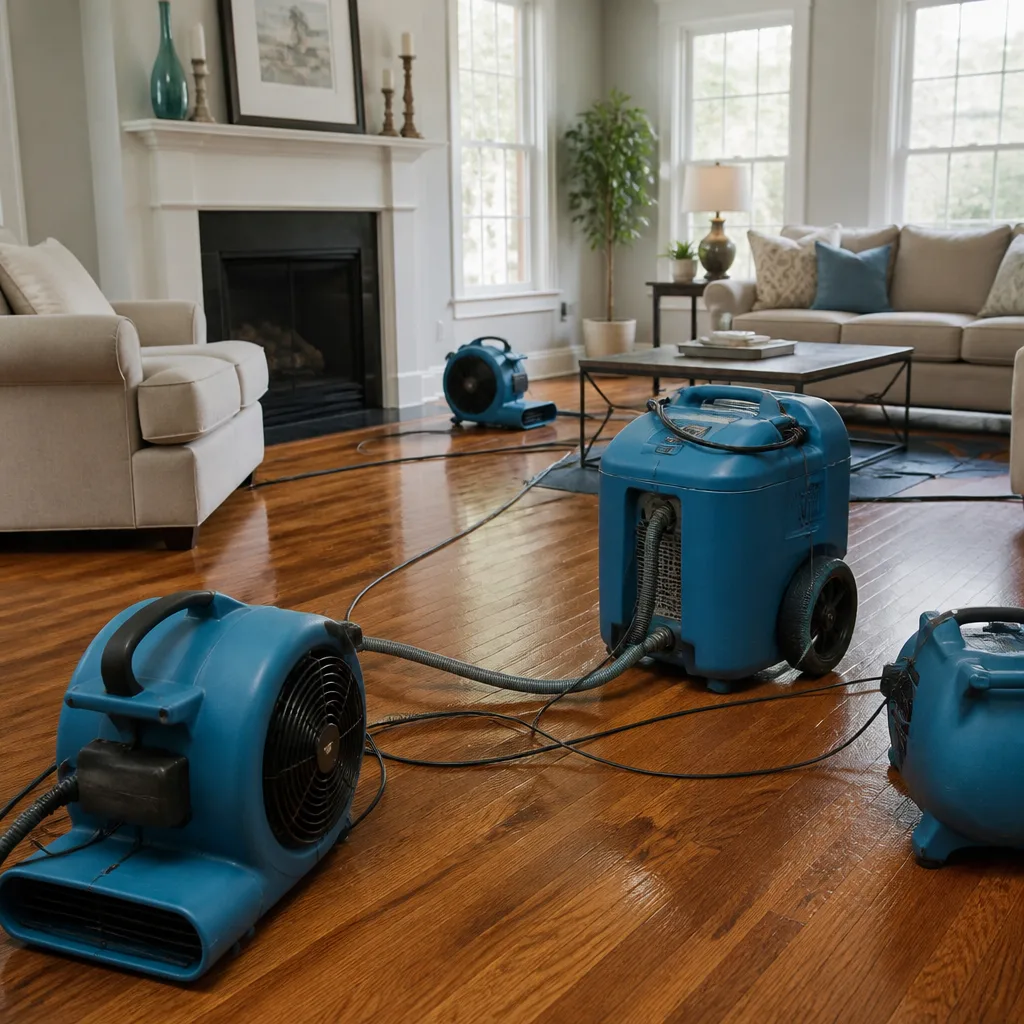
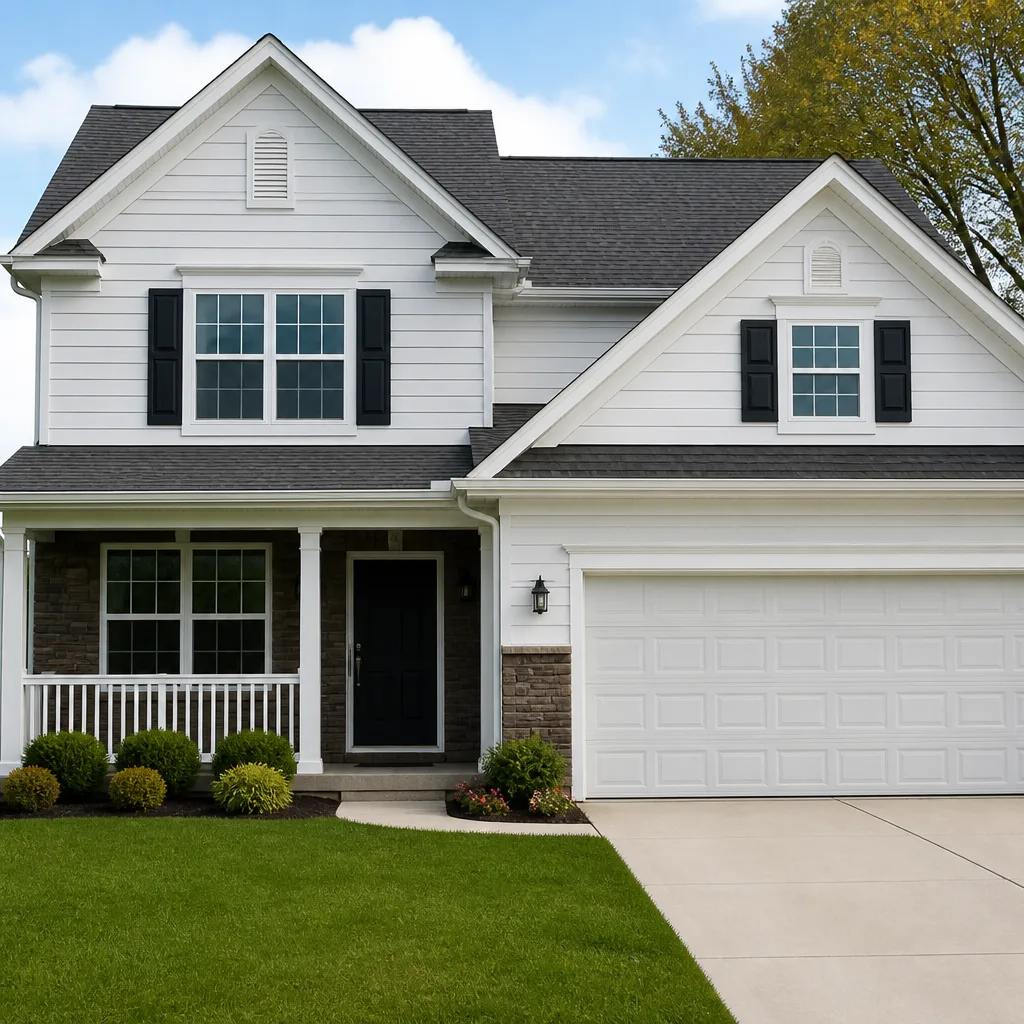
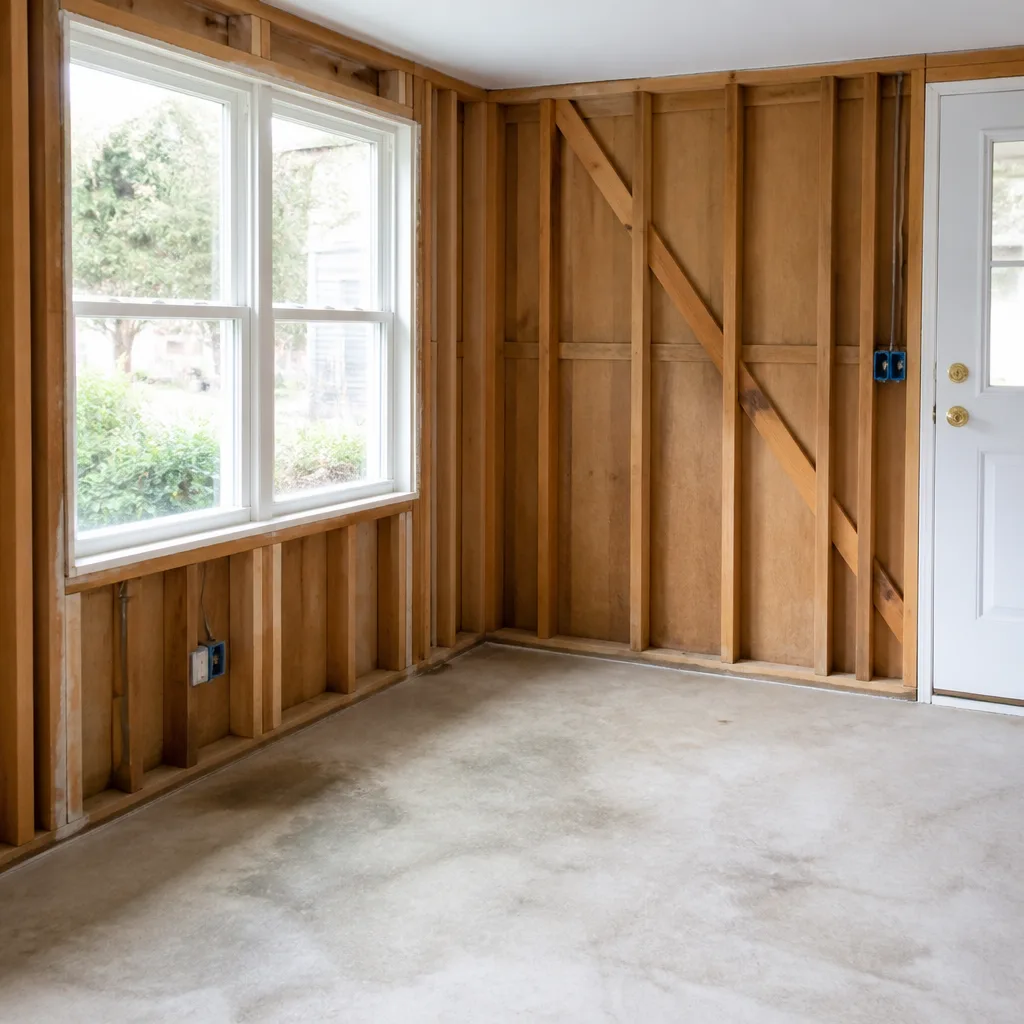
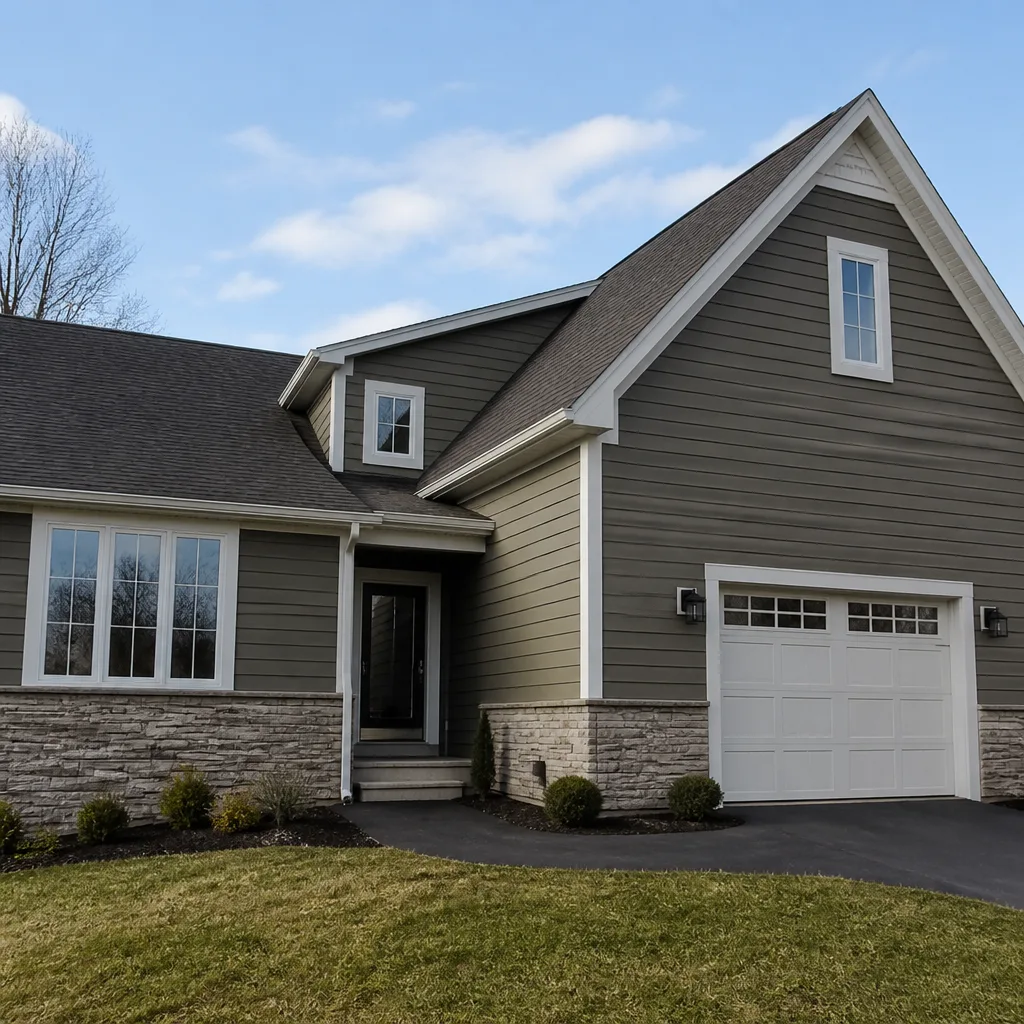
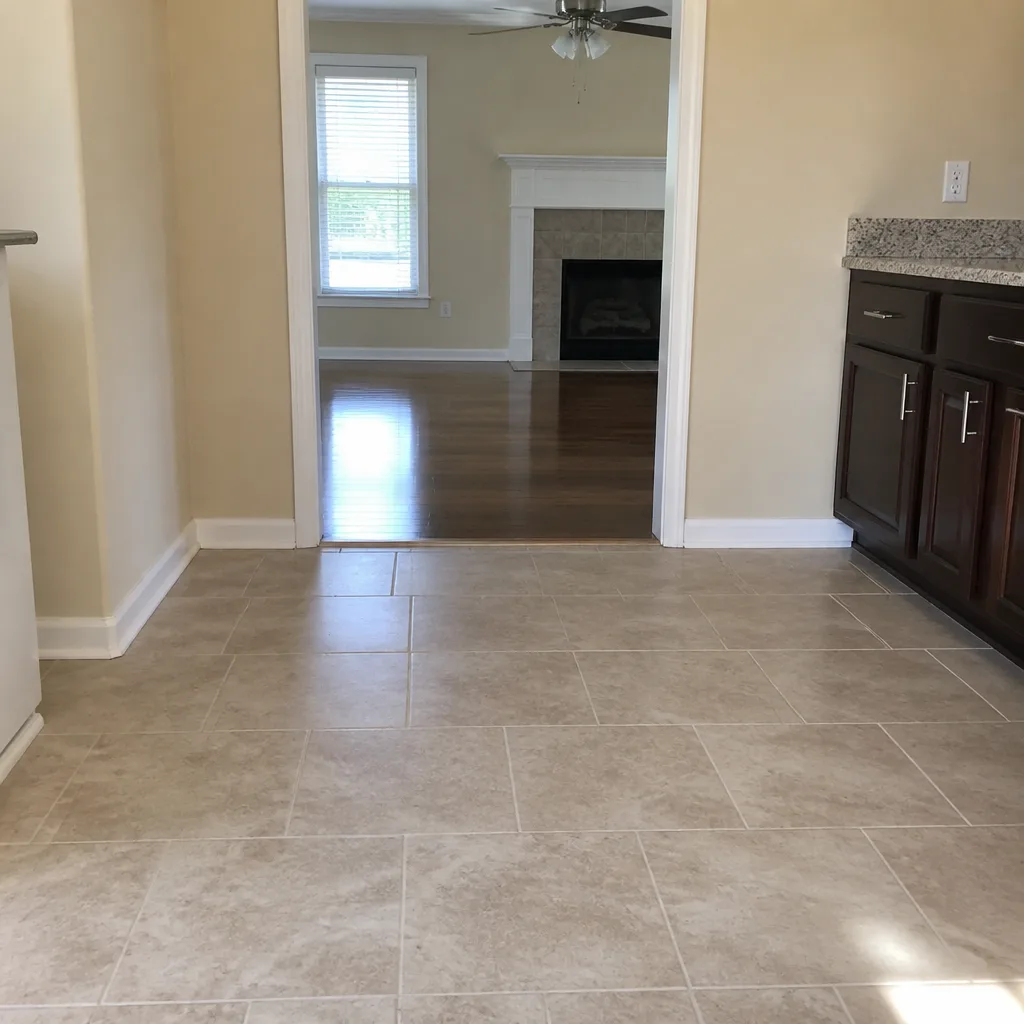
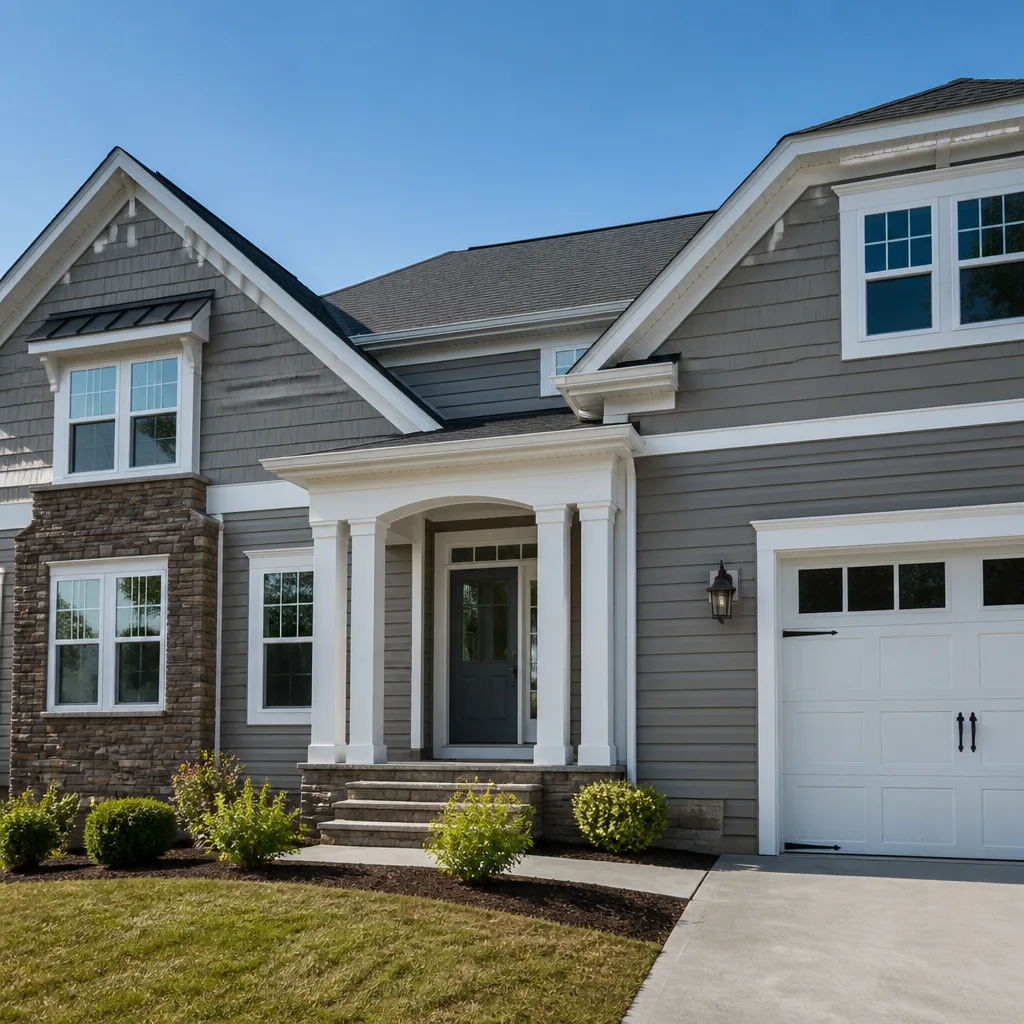
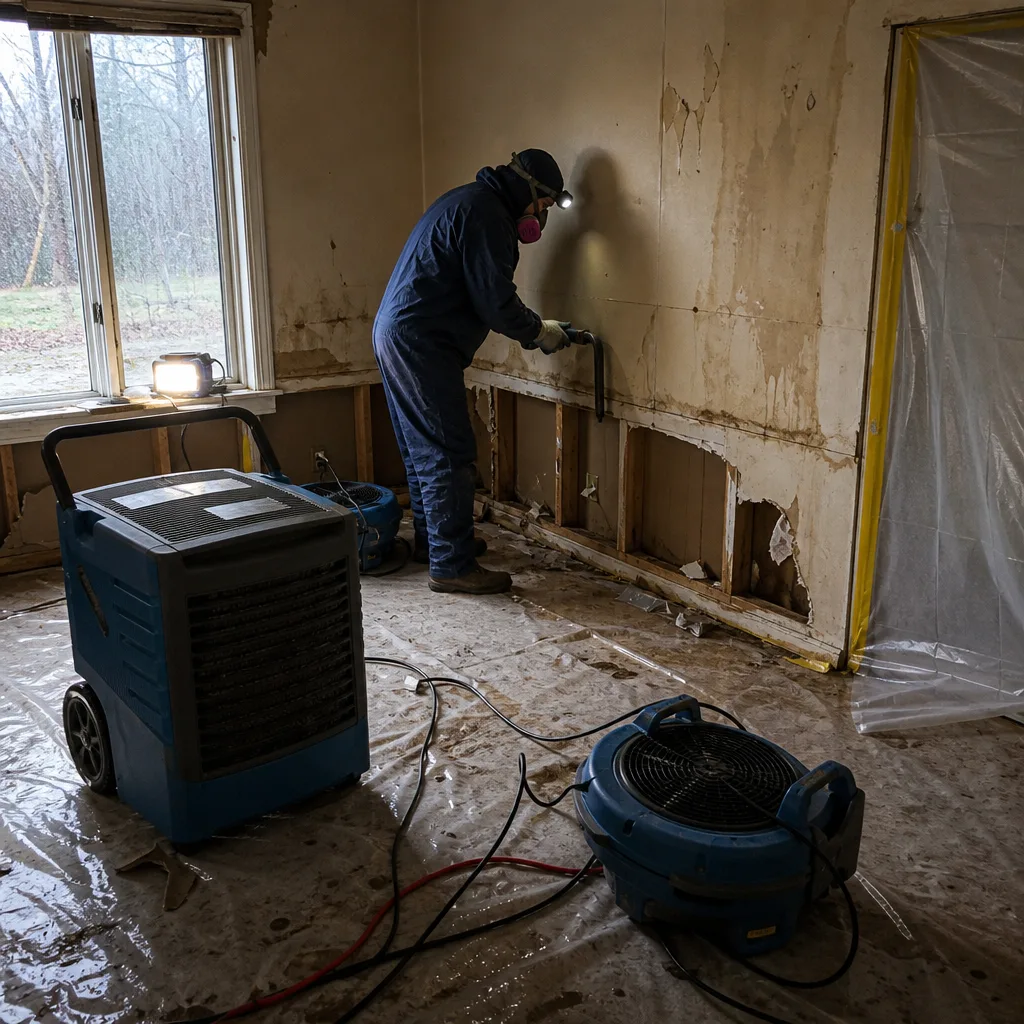 Before
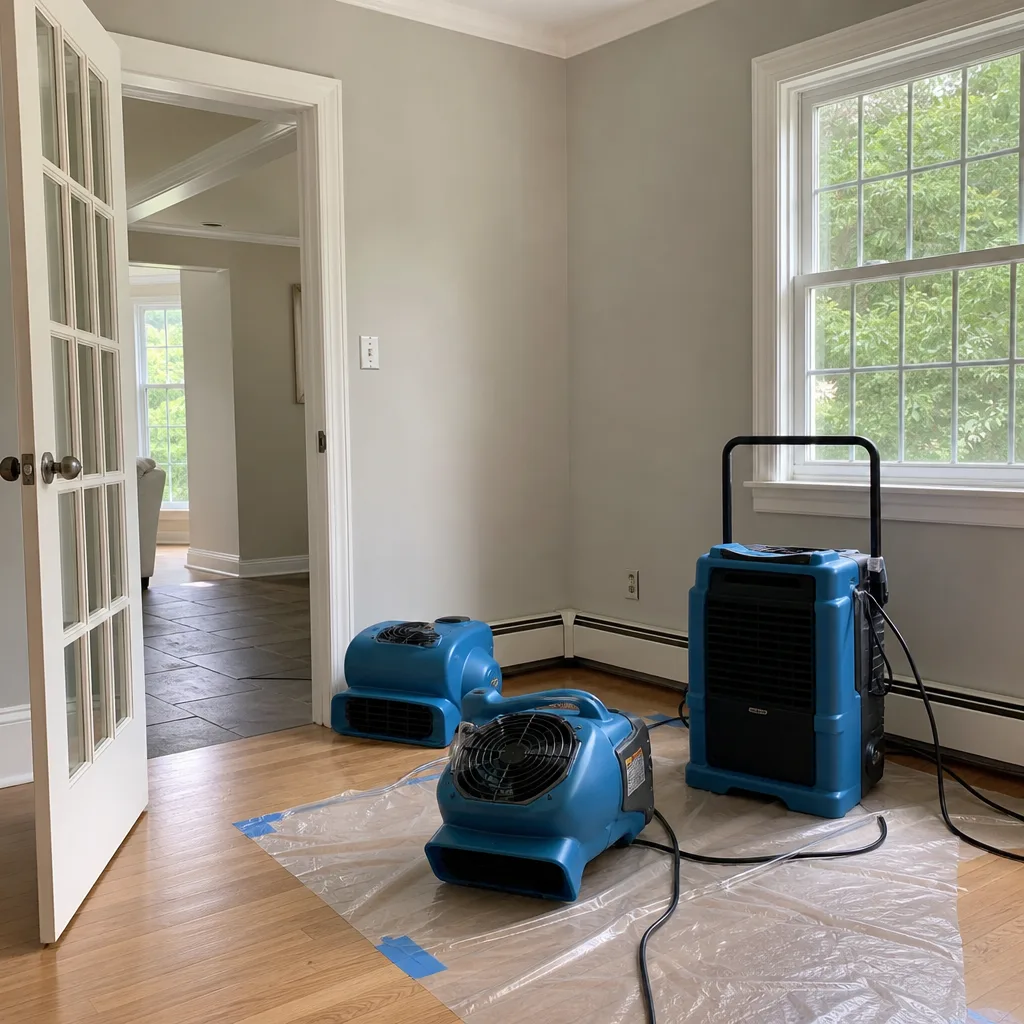 After
After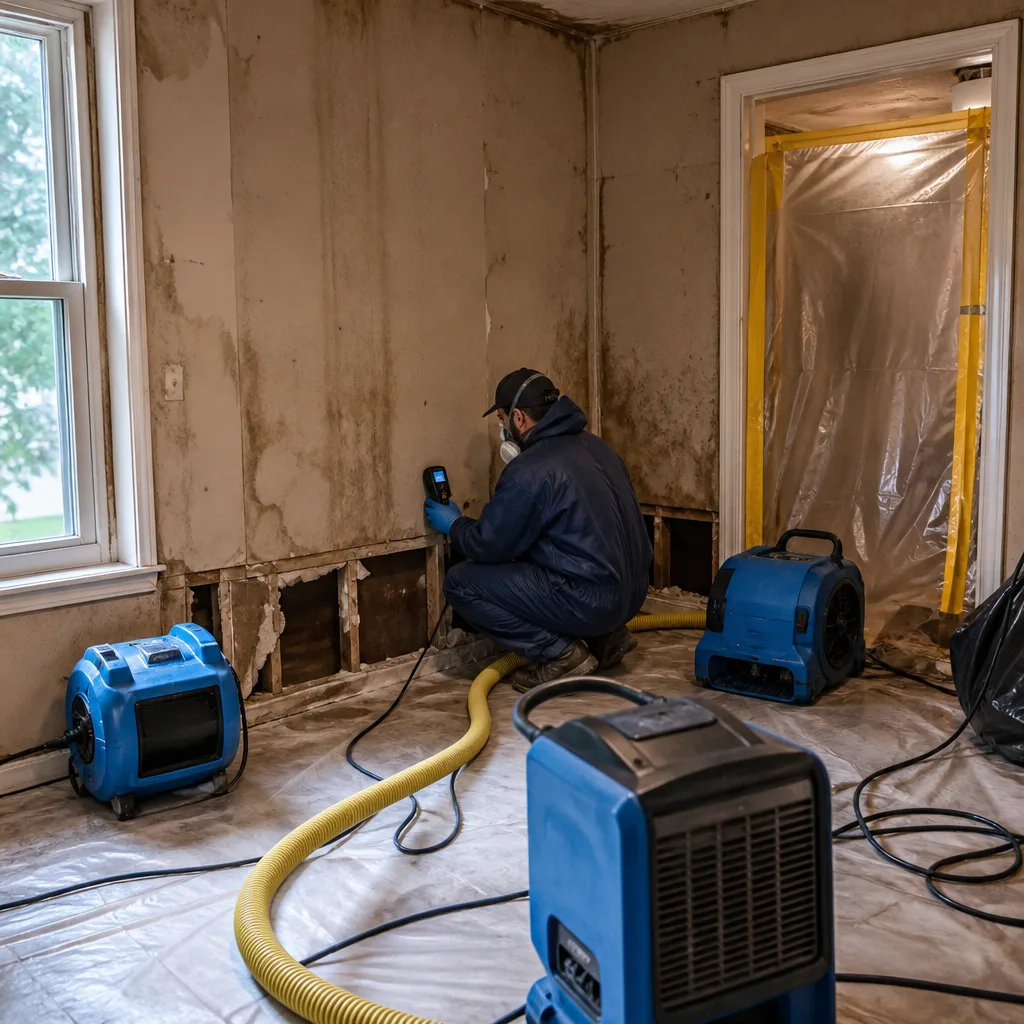 Before
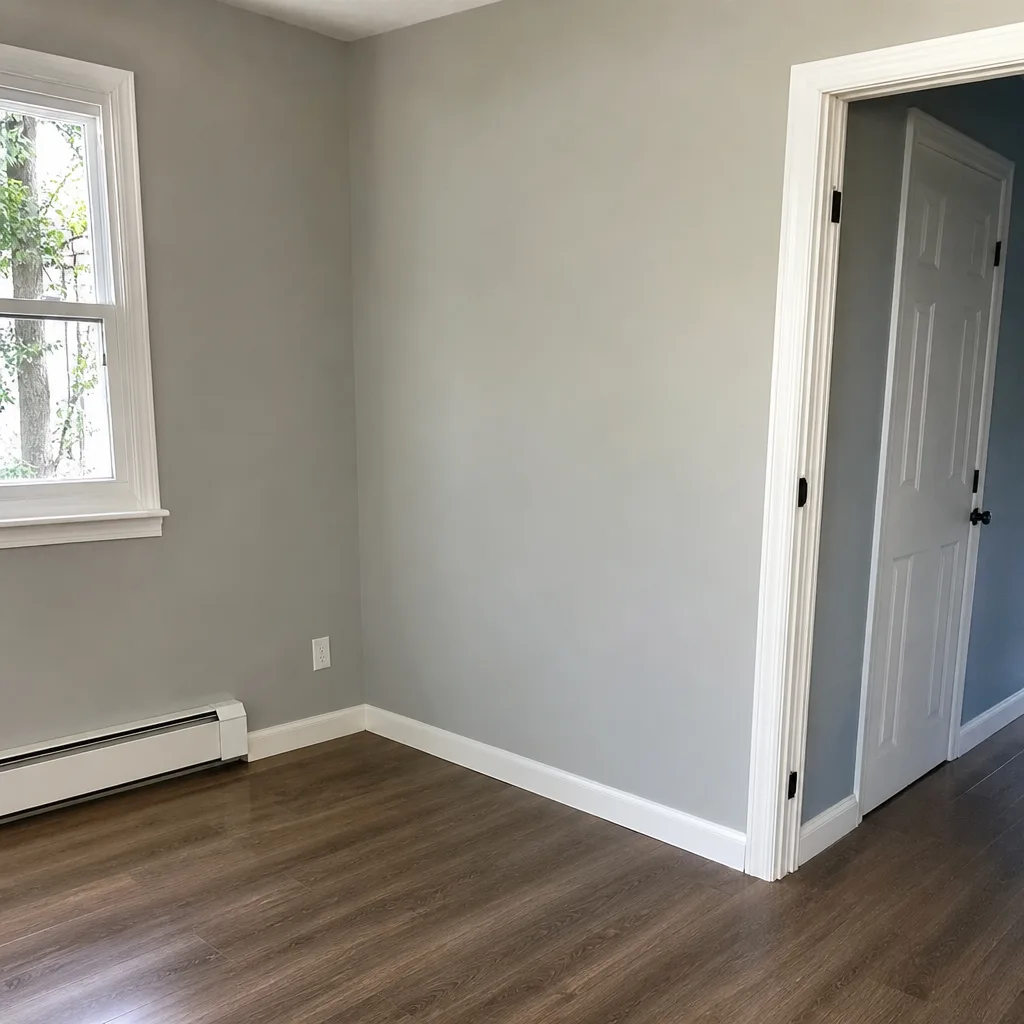 After
After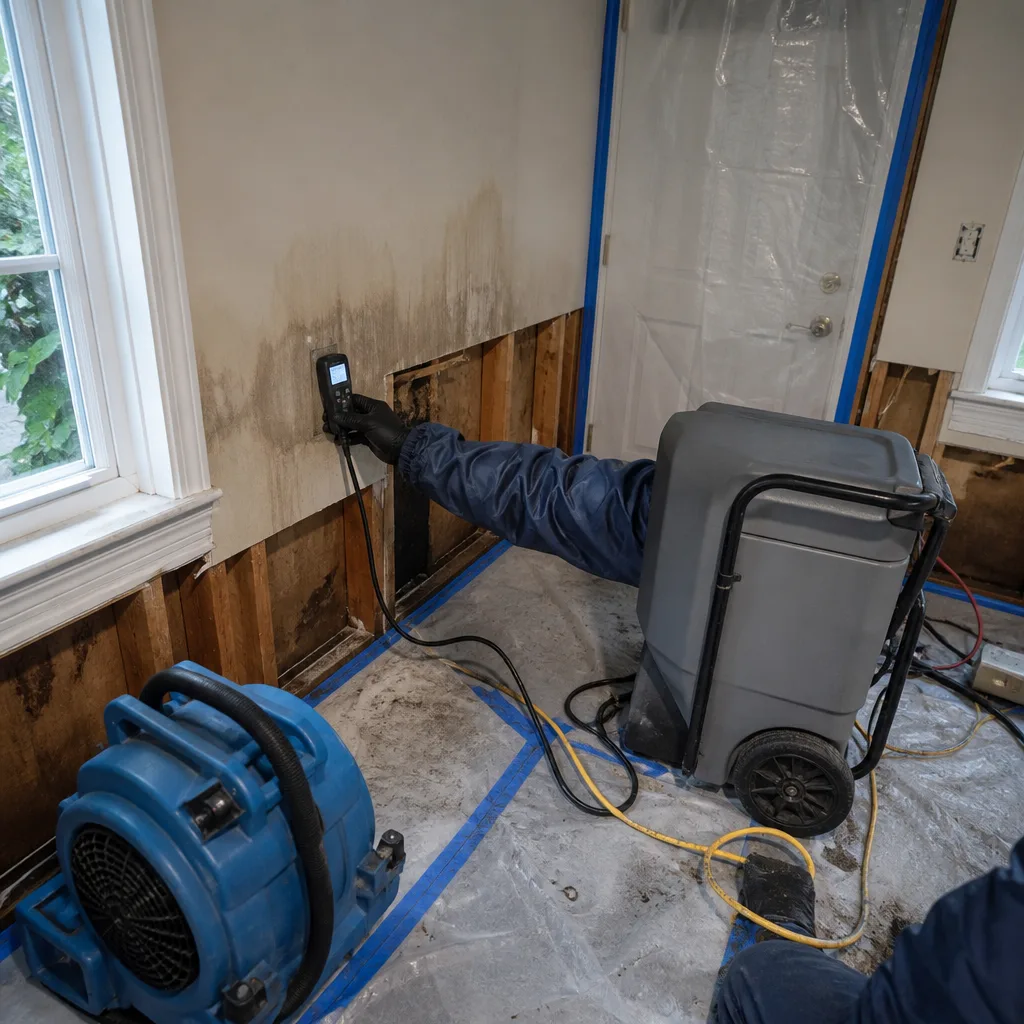 Before
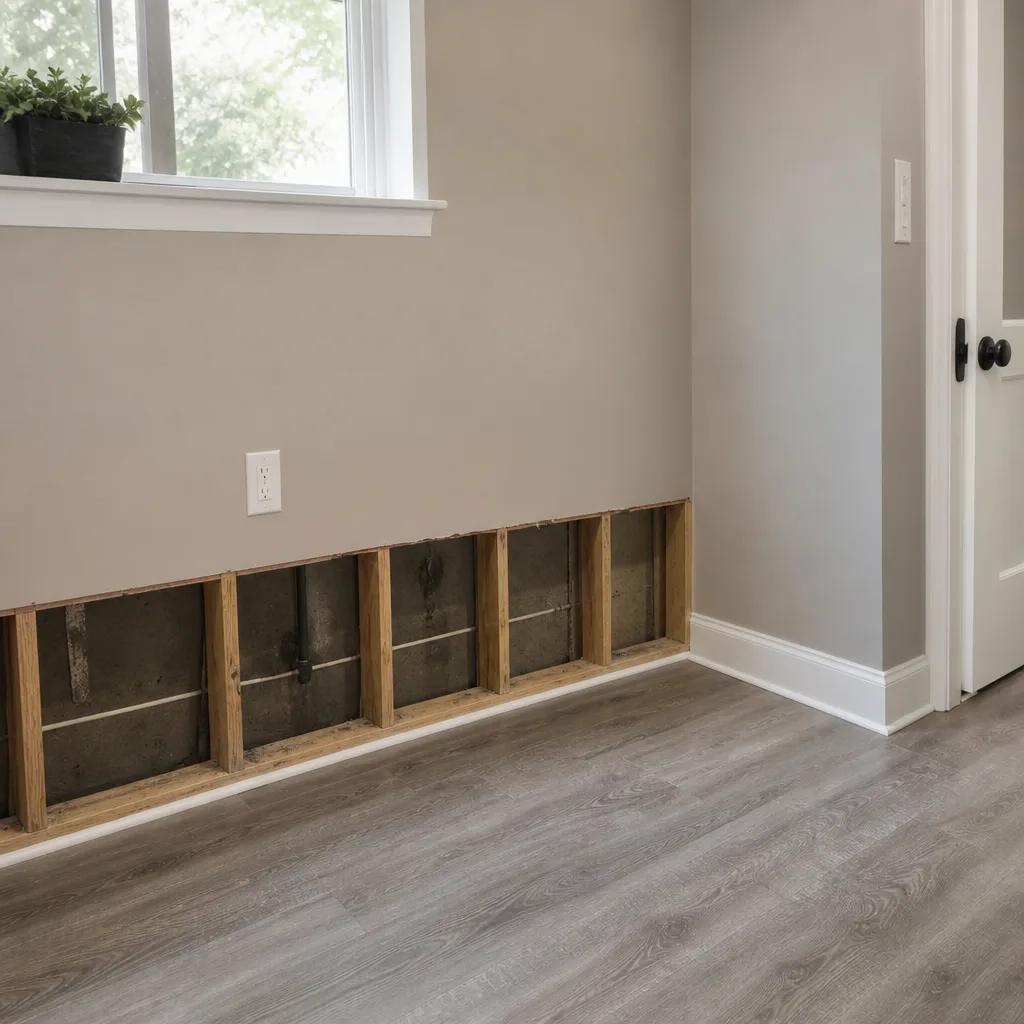 After
After24/7 Emergency Storm & Disaster Restoration in Blauvelt
Storm damage in Blauvelt moves fast, and the first hour sets the course for everything after. A nor’easter or remnant tropical system pushes groundwater through the Palisades clay and into basements within minutes, and every hour that water sits, it wicks further up drywall and into framing. Our crews answer live at (914) 935-7914 around the clock, dispatch from the New York City office, and reach Blauvelt homes quickly enough to start extraction the same visit. The visual inspection is free, and the scope is written before any work begins, so you know exactly what you’re paying for and why.
Floodline Restoration Co. was founded by Curt Bowman in 2010, built around a dispatch board rather than a sales desk. When you call at two in the morning, a person picks up. Not a recording. That call starts the clock on getting a certified crew, professional-grade drying equipment, and a moisture map of your home, so the damage stops compounding while you wait.
Understanding Storm & Disaster Restoration Severity in Blauvelt Properties
Storm water in Blauvelt is rarely clean water. What starts as rain against the foundation becomes Category 2 water within hours, carrying clay silt, lawn chemicals, and bacteria from saturated soil. If a sewer line backs up or the water sits beyond 48 hours, it escalates to Category 3, which introduces pathogens and requires containment, antimicrobial cleaning, and often removal of porous materials. Blauvelt’s split-levels and ranches from the 1950s through 1970s make this worse: finished basements with paneling or vinyl flooring trap moisture behind surfaces where air movers can’t reach it. That’s why we moisture-map every job from day one, using thermal imaging and hygrometers to find water that isn’t visible yet, then log daily readings until the structure reaches the dry standard. On a Blauvelt split-level, the low ceiling clearance in the lower level means undersized drying equipment simply won’t clear the space. We size for the room, not for the average job.
The other severity variable here is the slope. Homes at the base of the Palisades ridge receive groundwater pressure from uphill, not just from the immediate storm. Water will keep trying to enter the basement days after the rain stops. Treating the first wet carpet as the whole problem misses what’s still happening underground.
Why Blauvelt Property Owners Choose Floodline Restoration Co.
- 45-minute response commitment for emergency calls in Blauvelt, from the moment a live dispatcher answers to a crew rolling into your driveway.
- 24/7 live answer, every time. No voicemail tree, no call center script. A person who knows restoration work picks up the phone, day or night.
- IICRC-certified crews trained to WRT, FSRT, and AMRT standards, with the certification to match the type of damage we’re walking into.
- Free visual inspection with a written scope and a firm price before any equipment enters your home. No surprises on the bill.
- Direct insurance billing. We document from the first hour, communicate with your adjuster, and handle the claim paperwork so you don’t have to translate restoration work into insurance language.
- One team, start to finish. Extraction, drying, cleaning, and rebuild all handled by the same certified crew. No mid-job handoff to a different company.
Our Storm & Disaster Restoration Process
Inspection & Assessment
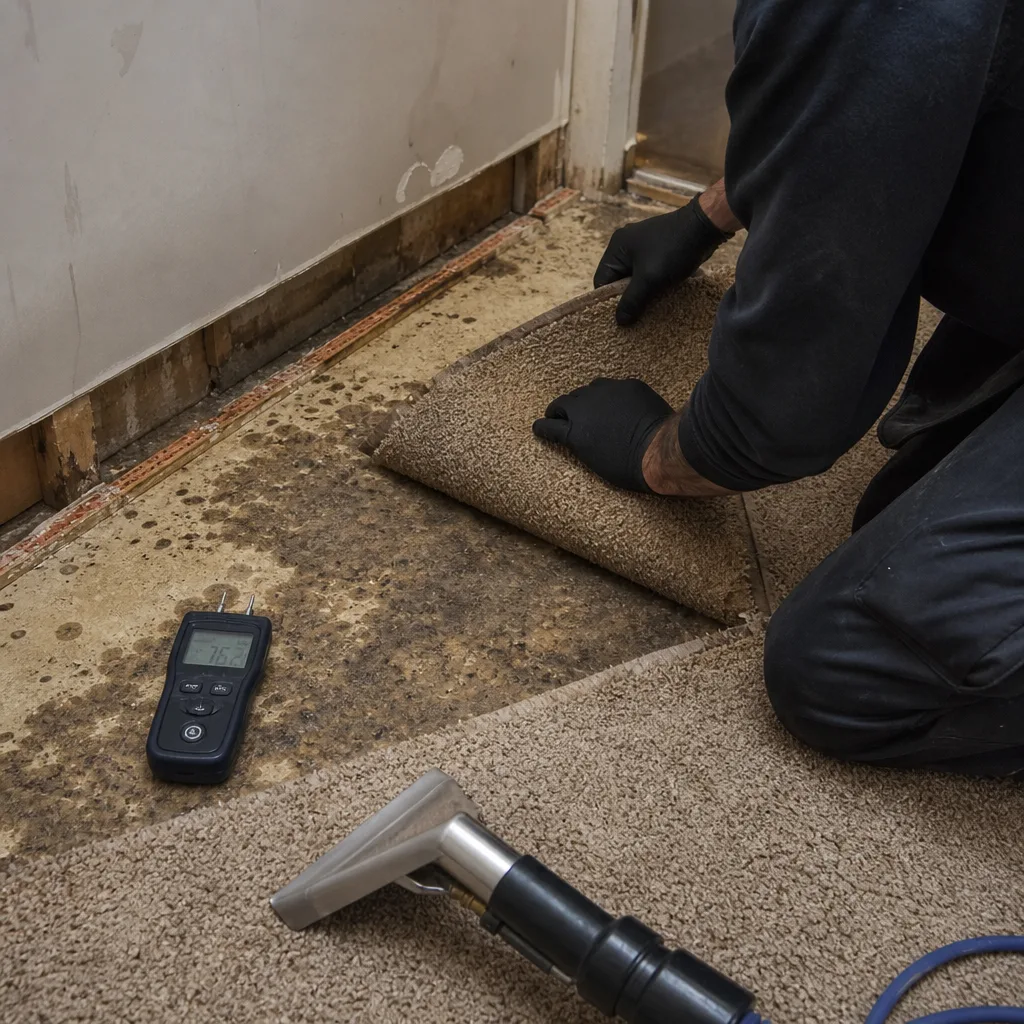
We walk the full perimeter and interior with thermal imaging and moisture meters. On a Blauvelt split-level, that means checking the cove joint, the slab edge, and the lower-level framing, not just the visible wet carpet. You get a written scope and a firm price before anything else happens.
Extraction / Stabilization
Submersible pumps and truck-mounted extraction units pull standing water out fast. If wind or debris opened the structure, we board up and tarp before extraction, because drying a house with an open roof is wasted effort.
Drying & Dehumidification
Dri-Eaz dehumidifiers and XPOWER air movers are placed based on room volume and moisture load, then repositioned daily as readings change. In Blauvelt’s clay-soil basements, we monitor beyond the visible wet areas because groundwater pressure keeps pushing moisture long after the surface looks dry.
Cleaning & Sanitization
Affected surfaces are cleaned with antimicrobial agents appropriate to the water category. For Category 2 or 3 water, that means containment and HEPA air scrubbing before we touch finishes, so disturbed spores and bacteria don’t spread through the living space.
Specialty Treatment for Storm Damage
This is where Blauvelt’s soil matters. We check for ongoing hydrostatic pressure at the slab edge and cove joint, install temporary sump bypass or containment if the clay is still weeping, and document everything for your carrier and, if needed, NYSDEC.
Repairs & Restoration
After the drying log hits the target moisture content, the same crew handles drywall, trim, flooring, and paint. The 90-Day Done Right Promise is in your hands before we leave: if it’s not done right, we make it right, in writing, no arguing.
Need Emergency Storm & Disaster Restoration in Blauvelt Now?
Crews minutes away, answering live 24 hours a day. The sooner we start, the less it costs.
Working With Your Insurance Company
Storm and disaster claims in Blauvelt usually involve wind, water, or both, and carriers want documentation that starts the first day. We photograph the damage room by room before we touch anything, then log moisture readings daily through the drying process. The adjuster receives a line-item scope with equipment numbers, hours, and moisture data, not a summary paragraph. Our team coordinates with your carrier directly, so you aren’t playing messenger between the restoration company and the insurance desk. Curt Bowman built Floodline Restoration Co. to bill the carrier directly on covered claims, which removes the biggest friction point most homeowners face after a storm.
What We Provide Your Insurer
- Thorough documentation of the loss
- Photos of all damage, room by room
- Moisture readings and drying logs
- A detailed, line-item scope of work
- Direct coordination with your carrier
Built for Blauvelt’s Loss Calendar
Blauvelt absorbs the worst of every season differently. January and February bring deep freezes that burst supply lines in the hamlet’s older ranches and Cape Cods, many still running original galvanized plumbing from the 1950s and 1960s. Water follows gravity into the lower level of a split-level fast, and the freeze-thaw cycle keeps the ground shifting around foundation walls. Spring is when the clay soil finally starts draining from winter saturation, and basement seepage becomes chronic through March and April. Summer thunderstorms dump water on ground that can’t absorb it, sending surface runoff straight toward slab edges and window wells. Then come the nor’easters and remnant tropical systems that define Blauvelt’s storm season. Hurricane Irene in 2011 and Superstorm Sandy in 2012 both left Rockland County with severe flooding, and the pattern hasn’t changed: heavy rain on dense, glacially-deposited clay means groundwater pressure against Blauvelt foundations for days after the storm passes. The calendar tells us when to expect the calls. The soil tells us how long each one will take to dry properly.
Storm & Disaster Restoration Across Blauvelt’s Neighborhoods
Blauvelt’s neighborhoods share the same clay soil, but the building types change the work. Around Oak Tree Road and the streets feeding off it, the split-levels sit low to the ground with finished lower levels, and our crews respond to those basements first when groundwater rises. The cove joint leaks and the slab edge weeps, so we run moisture mapping across the entire lower level before deciding what gets removed. Along Western Highway and the older streets near the center of the hamlet, the Cape Cods and ranches from the late 1940s and 1950s have shallower basements and tighter stairwells, which means we have to size drying equipment for low clearance and narrow doorways. A full-size commercial dehumidifier that won’t fit down the stairs is useless, no matter how powerful it is. In the Blauvelt Road corridor and the newer sections toward the south end, homes still face the same hydrostatic pressure but often have more open basements, which is a small mercy when the water is already inside. The route from Route 303 into the neighborhood streets matters on emergency calls: we dispatch from the New York City office, and knowing which Blauvelt roads flood first in a nor’easter means we can get to the worst homes before the water gets deeper.
Specialized Storm & Disaster Restoration Services We Offer in Blauvelt
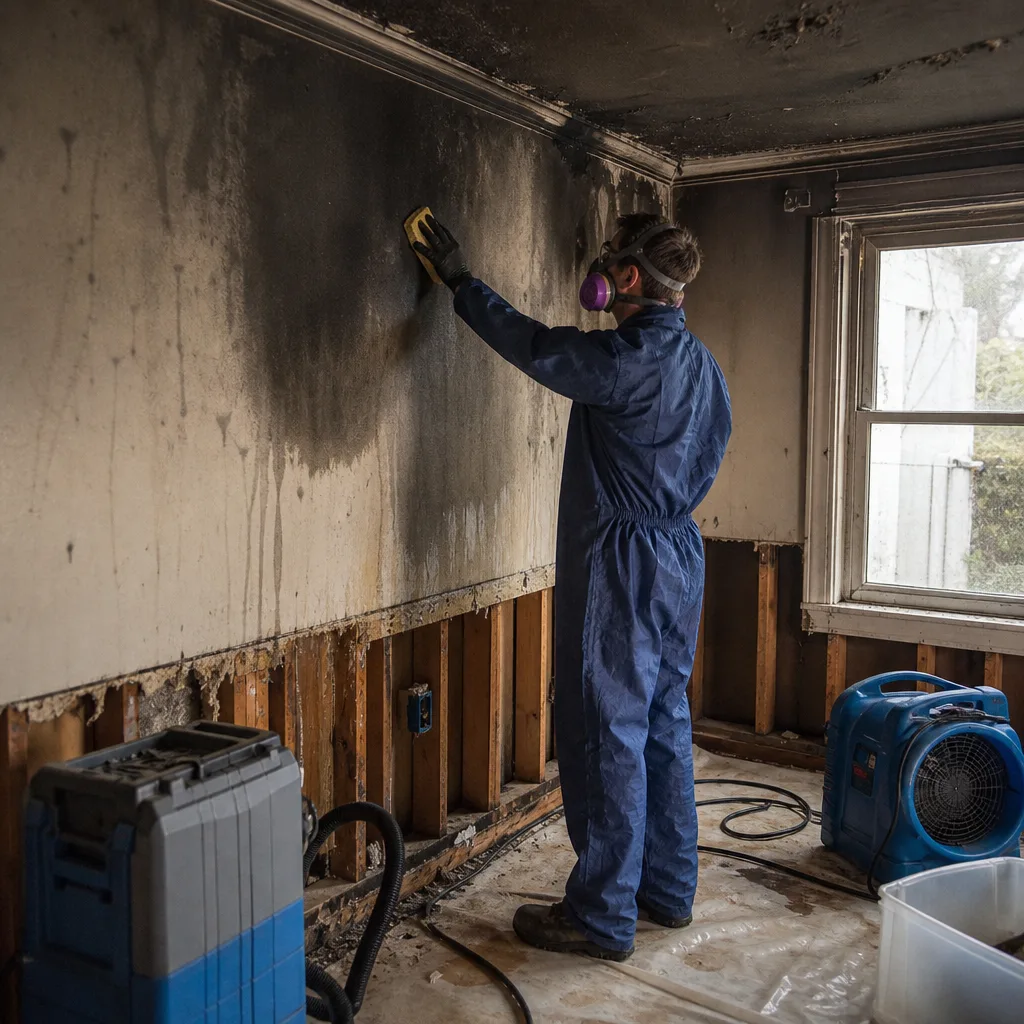
Flood Damage Restoration
Groundwater flooding is the defining Blauvelt storm problem. The Palisades slope sends water down into the hamlet, and the clay soil holds it against foundation walls. We start with extraction, then moisture-map the entire lower level. On a finished basement, that often means removing saturated drywall and insulation to expose the framing before drying begins. Floodline’s Storm & Disaster Restoration team handles the full cycle, from first pump-out to rebuilt walls, with a drying log you can hand to your adjuster.
Emergency Board-Up
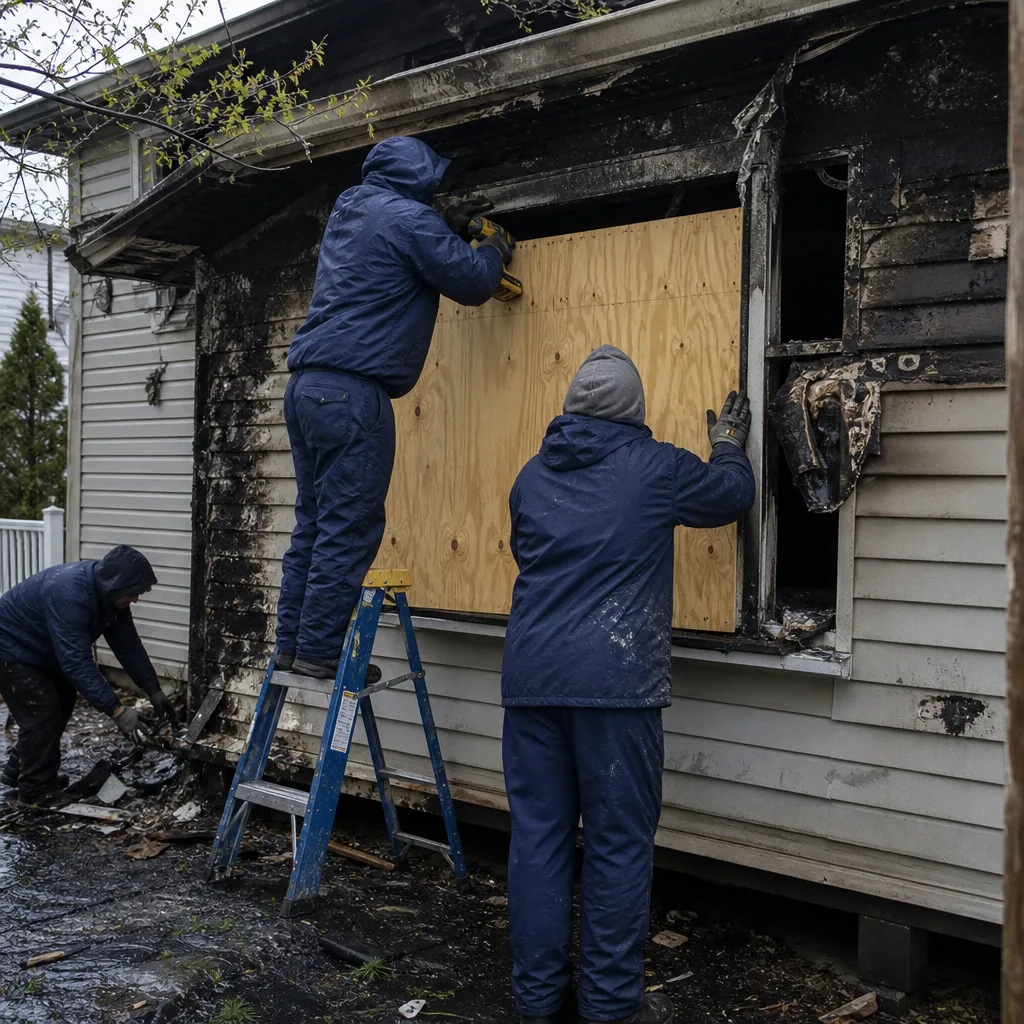
A nor’easter can take a tree limb through a Blauvelt picture window or peel back a roof section in minutes. We board up openings the same visit, before extraction or drying starts. Board-up on a split-level with a narrow side door isn’t a standard job: we cut and carry materials to fit the access points without widening doorways or damaging trim. The goal is a secure envelope so the drying plan works and the house isn’t exposed to the next storm.
Storm Damage Cleanup
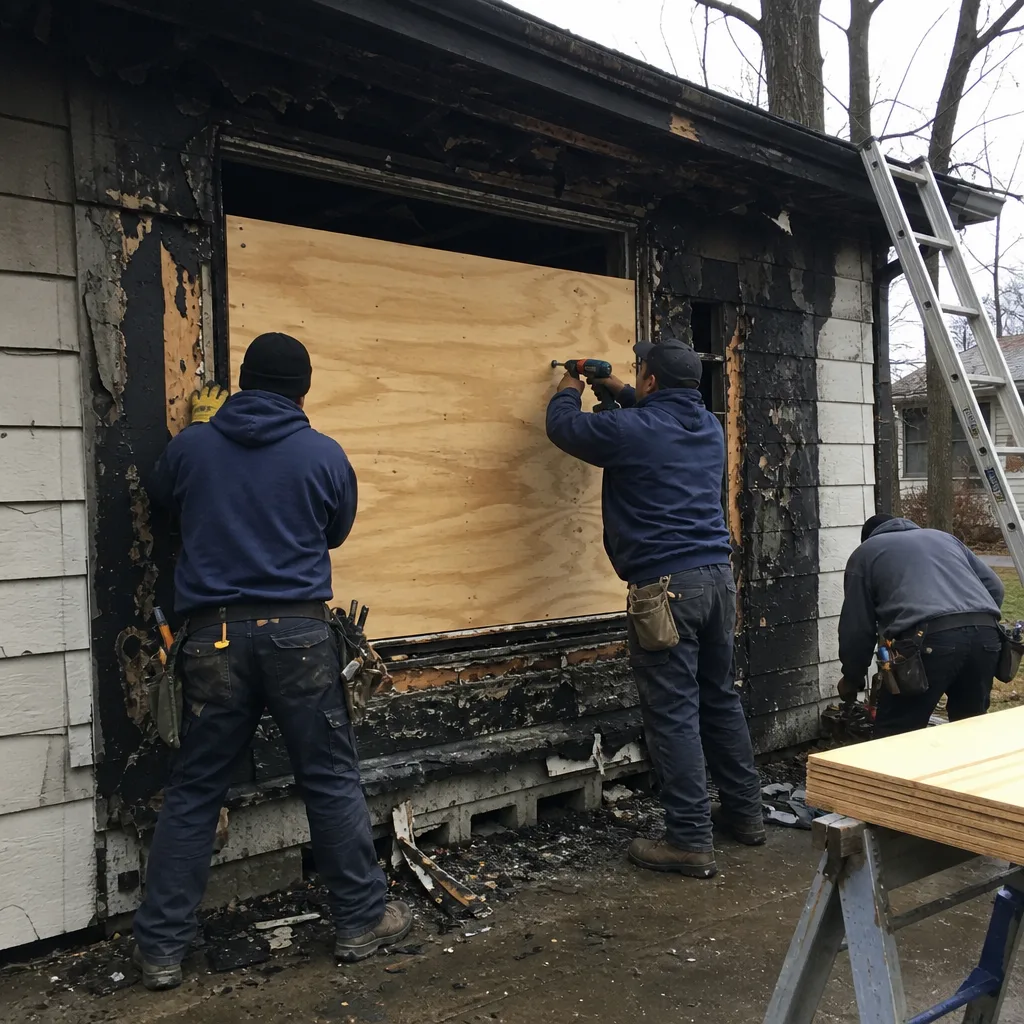
Once the water and debris are out, the lower level still needs cleaning and sanitization before anyone lives in it again. For Category 2 or 3 water, that means antimicrobial treatment, HEPA air scrubbing, and disposal of saturated porous materials. We handle the debris removal from the interior as part of the same job, so you’re not scheduling a separate hauler while the basement sits wet. Blauvelt homeowners get the full cleanup in one scope, one crew, one bill.
Roof Tarping
Wind damage to roofs is common on Blauvelt’s older Cape Cods and ranches, where original sheathing and aging shingles don’t hold against sustained gusts. We tarp the exposed sections with materials sized to the slope and secured against the next storm. Tarping buys time for the insurance claim and the repair schedule, but only if it’s done the day the damage happens. A tarp that fails in the next rain doubles the work and the cost.
Debris Removal
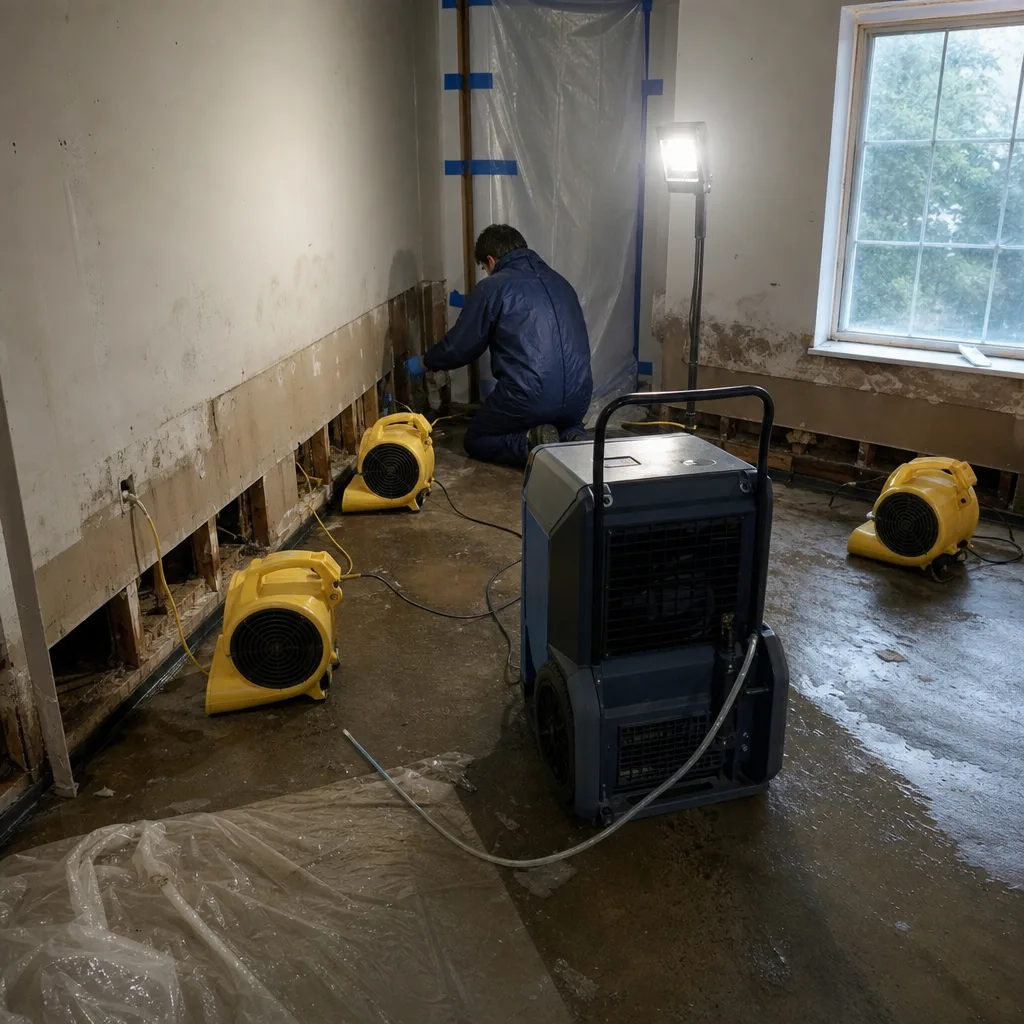
Storm debris in Blauvelt is usually tree limbs, wet insulation, waterlogged drywall, and ruined flooring. We remove it as part of the restoration scope, not as a side job. Removing saturated material before drying is standard practice, because wet drywall and carpet hold moisture against the framing and keep the drying time climbing. Everything is documented, photographed, and listed on the scope your carrier reviews.
What happens when you call
- 1
A real person answersNo phone trees - you reach a local pro.
- 2
You get an upfront price rangeHonest numbers before anyone is dispatched.
- 3
A background-checked tech heads outLicensed & insured, dispatched right away.
- 4
You approve before work beginsNothing starts until you say go.
Storm & Disaster Restoration Costs in Blauvelt, NY
Blauvelt pricing tracks the actual conditions here, not a national average. Flooded basement extraction with drying equipment typically runs $2,800 to $5,600 depending on square footage, water category, and how long the water sat before we arrived. Emergency board-up for a single opening runs $450 to $900; roof tarping after wind damage runs $650 to $1,400 depending on roof height and slope. Storm debris removal from a lower level runs $400 to $1,100 when bundled with the restoration scope. Clay-soil basements that keep weeping after extraction add cost for temporary sump bypass and longer drying runs, which can push a full basement restoration to $8,000 or more when finished walls and flooring need replacement. Insurance covers most storm-related water damage, and Floodline bills the carrier directly. The free visual inspection gives you a written scope with firm numbers before any work starts. Call (914) 935-7914 and we’ll be there when we say.
We Also Serve Cities Near Blauvelt
Floodline Restoration Co. serves Blauvelt and the surrounding Rockland County communities. Our crews respond daily to storm damage in Orangeburg, Tappan, Pearl River, and Nanuet. The same live dispatch, the same certified technicians, and the same 90-Day Done Right Promise apply on every job in every town.
Serving Blauvelt, NY - Our Local Coverage Area
We’re based in the Blauvelt area and know this community well. Use the map below to see our service coverage - if you’re nearby, we can almost certainly help.
Blauvelt Storm & Disaster Restoration Questions, Answered
Why does my Blauvelt basement keep getting water days after the storm has passed?
Blauvelt sits at the base of the Palisades ridge on dense, glacially-deposited clay soil. The clay holds water against your foundation and stays saturated for days, which keeps hydrostatic pressure high long after the rain stops. That pressure forces water through the cove joint and slab edge even when the weather is clear. Proper drying and monitoring have to account for that delayed inflow, or the basement gets wet again after the restoration is finished.
Can you handle board-up on a Blauvelt split-level where wind damage opened the roof and the side door is too narrow for standard equipment?
Yes. We board up and tarp Blauvelt split-levels regularly, and the narrow access is part of the job. We cut materials to fit the existing openings and carry equipment through standard doorways and stairwells. For roof damage, we tarp from ladders sized to the slope, and for the side door, we use plywood cuts that secure the opening without widening it or damaging the frame. The envelope gets sealed the same visit.
What should I do if a storm flooded my Blauvelt basement and I suspect my old oil tank is buried nearby?
Stop using the basement and do not run pumps that could spread contaminated water. If saturated clay soil has shifted or compromised a buried heating-oil tank, the water may be carrying petroleum, and that changes the cleanup from routine storm restoration to a NYSDEC-reportable contamination job. Our crews are trained to check for that on arrival and will stop, test, and route the response correctly if a tank is compromised. Call (914) 935-7914 and let us assess before anything gets pumped out.
How fast can you start water extraction in Blauvelt after a big nor’easter?
We commit to a 45-minute response time for emergency calls in Blauvelt. A live dispatcher answers the phone, confirms the address, and a certified crew heads out immediately, with equipment loaded. In a nor’easter, we know which Blauvelt roads flood first, and we route around the worst water to reach the home. Extraction starts the same visit in nearly every case.
Does Floodline Restoration Co. handle storm debris removal from my Blauvelt yard, or just interior damage?
We handle interior debris removal as part of the restoration scope: wet drywall, insulation, ruined flooring, and whatever the storm brought inside. For yard debris like fallen tree limbs and roof shingles, we coordinate with local haulers and include the scope in your documentation so the insurance claim covers it. The interior comes first, because wet materials inside the house keep causing damage every hour they sit.
Will my insurance cover storm damage restoration in Blauvelt?
Most standard homeowners policies cover storm-related water damage, wind damage, and the resulting restoration, including board-up and tarping. Coverage depends on the source of the water and the policy terms. Floodline Restoration Co. documents everything from the first hour, communicates with your adjuster directly, and bills the carrier on covered claims, so you aren’t fronting money and waiting for reimbursement.
How long does Blauvelt storm damage restoration take?
Drying a Blauvelt basement typically takes three to five days with proper equipment, but the clay soil can extend that timeline if groundwater keeps pushing through the slab edge. Extraction is usually done in a few hours. Full repair and rebuild of a finished lower level takes weeks, depending on the scope. The drying log is updated daily and given to you and your carrier, so the timeline is visible, not guessed at.
Can we stay in our Blauvelt home during storm restoration?
Usually, yes, as long as the affected area is contained. If the damage is isolated to the lower level and the living spaces above are dry, you can remain in the house while we work. For Category 3 water or significant mold, we run containment and HEPA air scrubbing to keep the contamination from spreading. Curt Bowman’s crews will tell you plainly if the home should be vacated, but that’s the exception, not the rule.
Written by Curt Bowman, Owner at Floodline Restoration Co., serving Blauvelt and Rockland County since 2010.