

Free visual inspection and a written scope of work before any mitigation begins - photos, moisture readings, and drying logs go in your claim file
The scope we write is the scope we bill. Anything new gets shown to you, in writing, before we touch it.
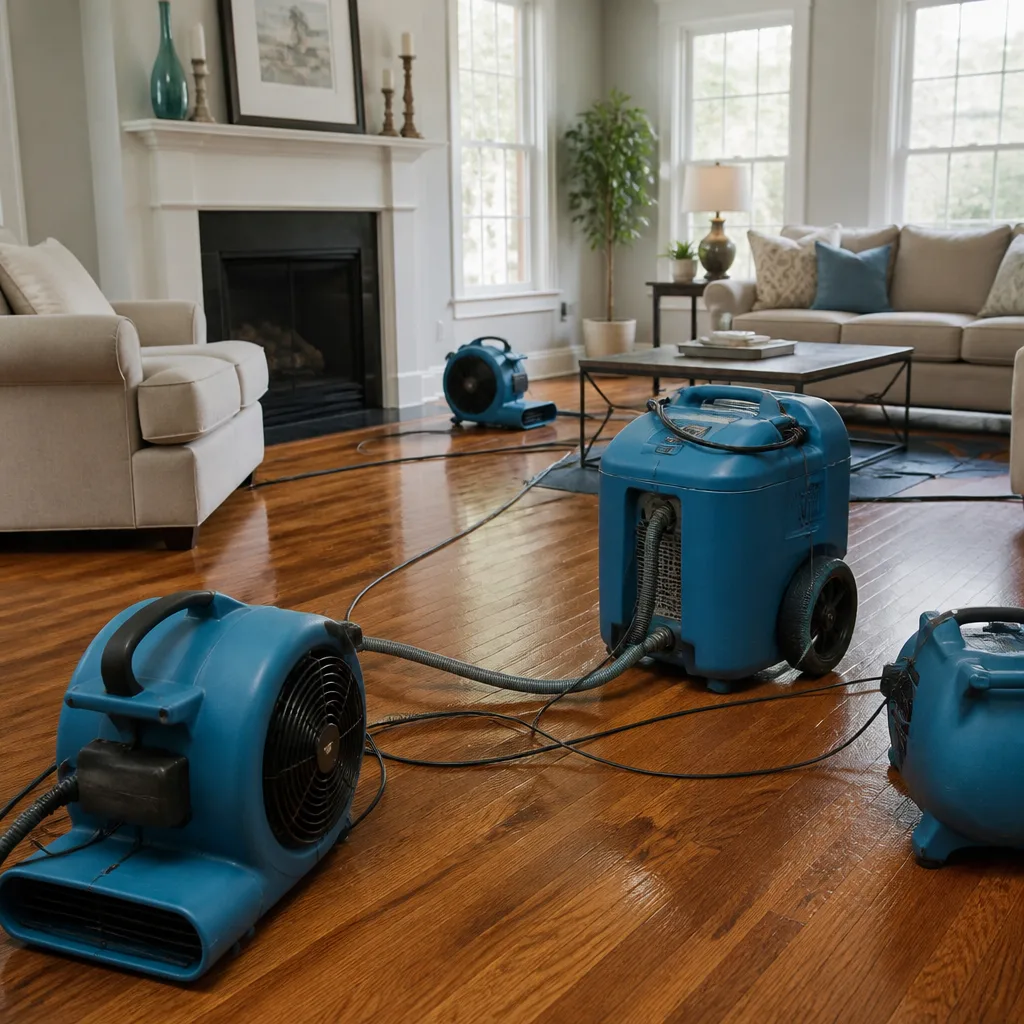
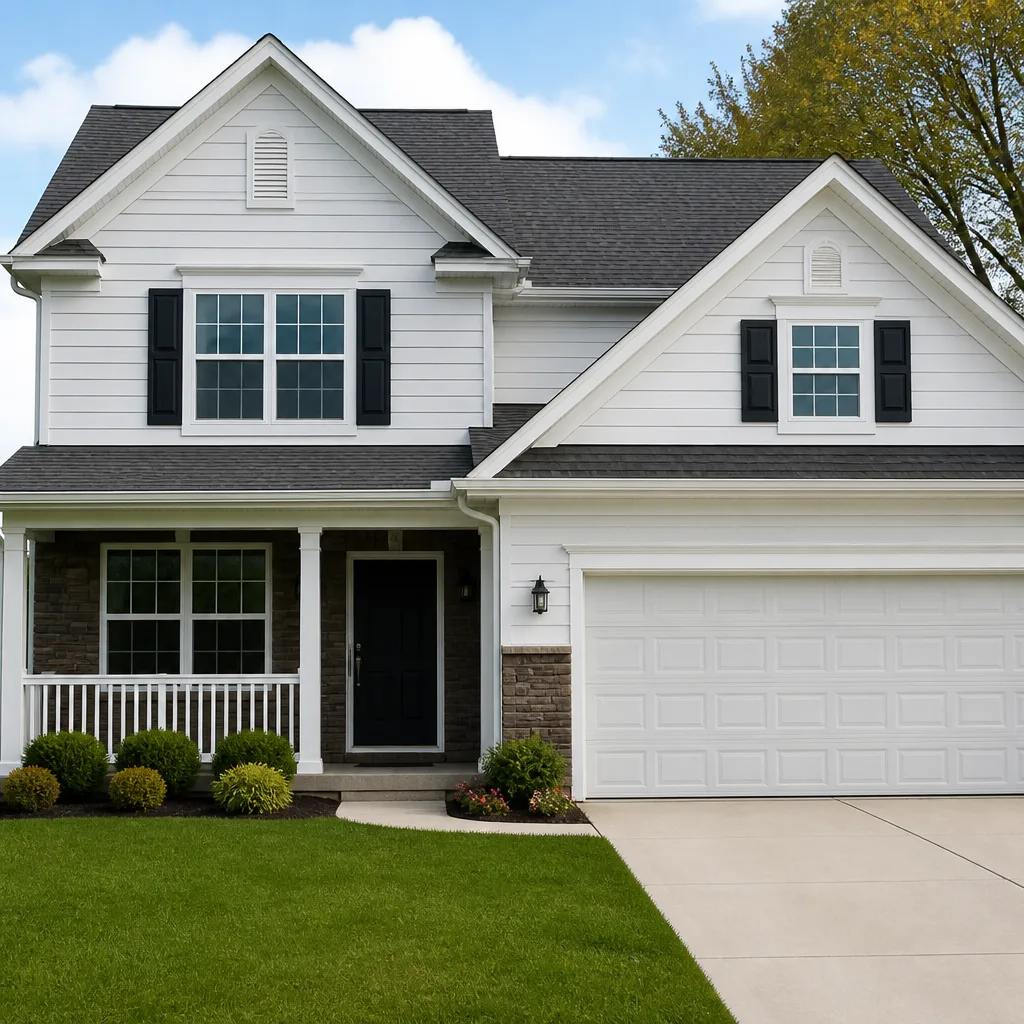
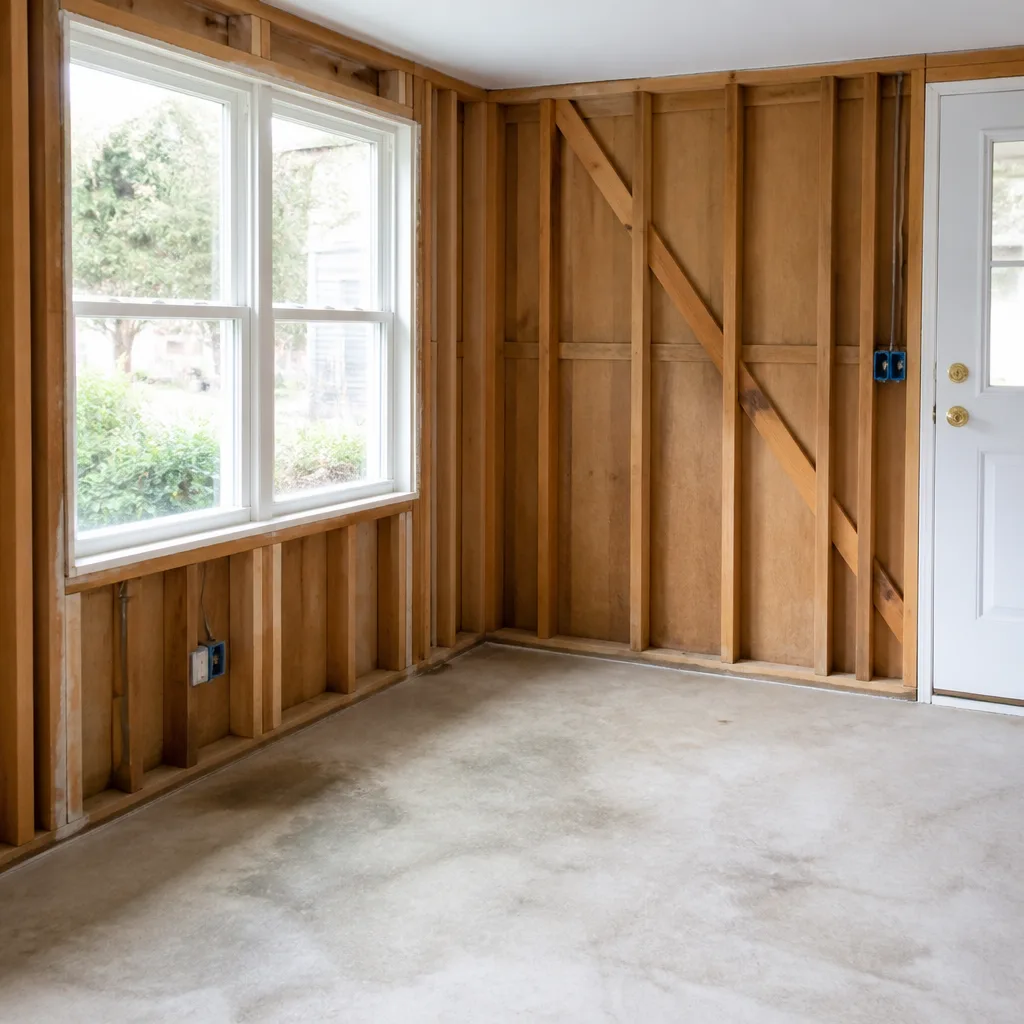
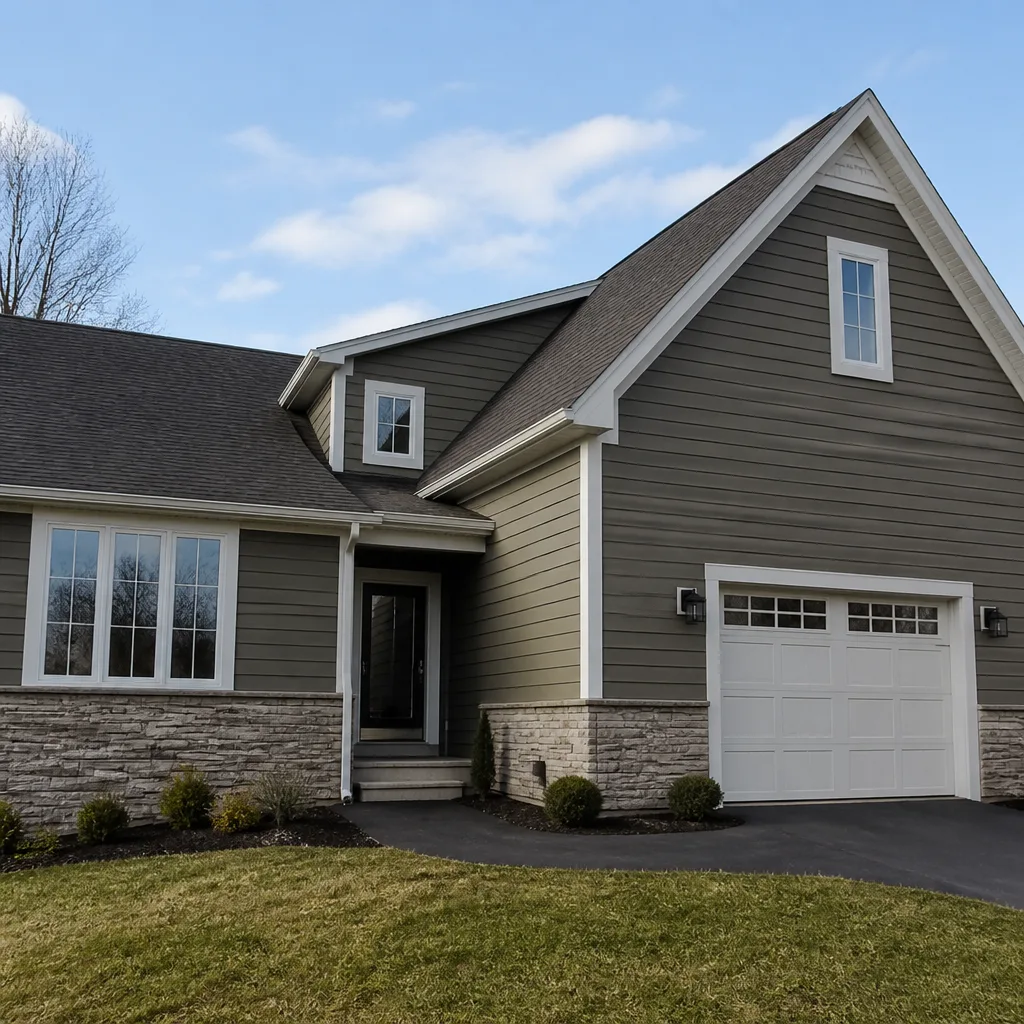
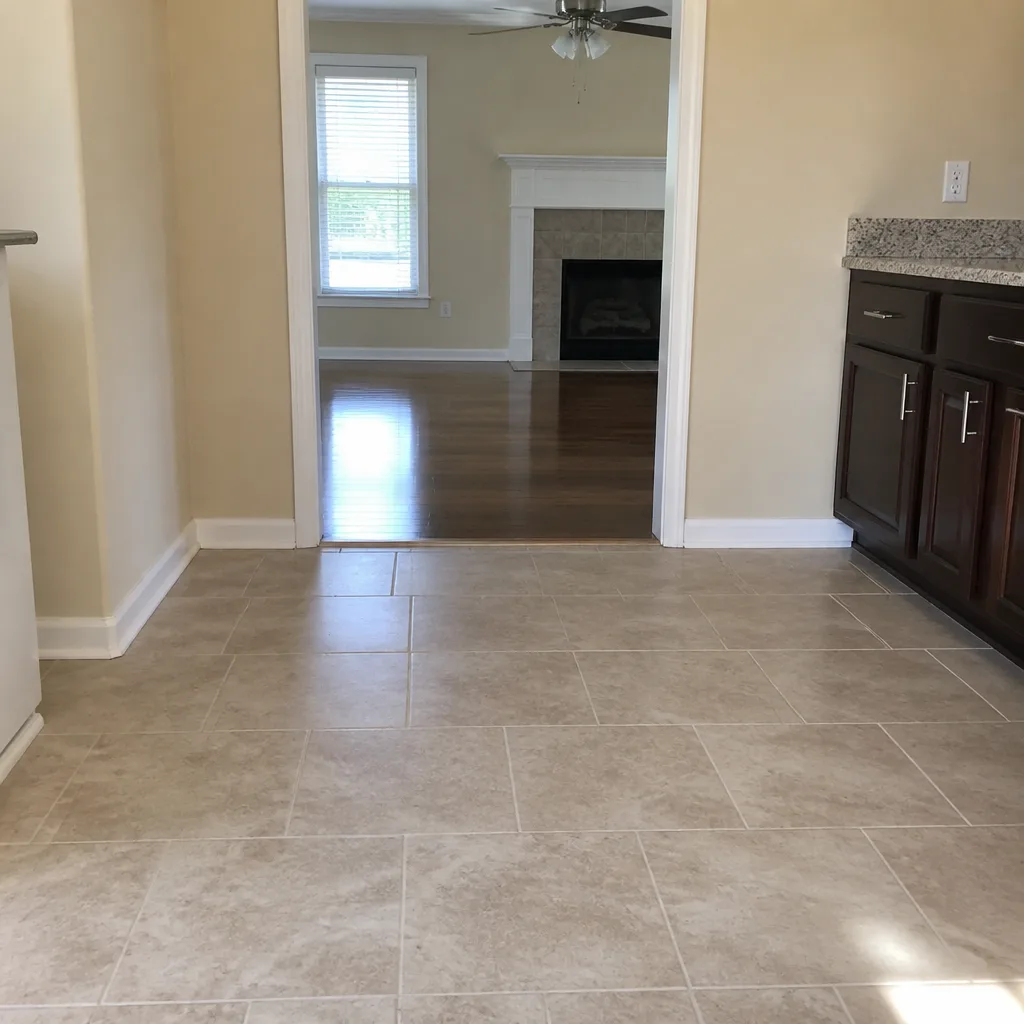
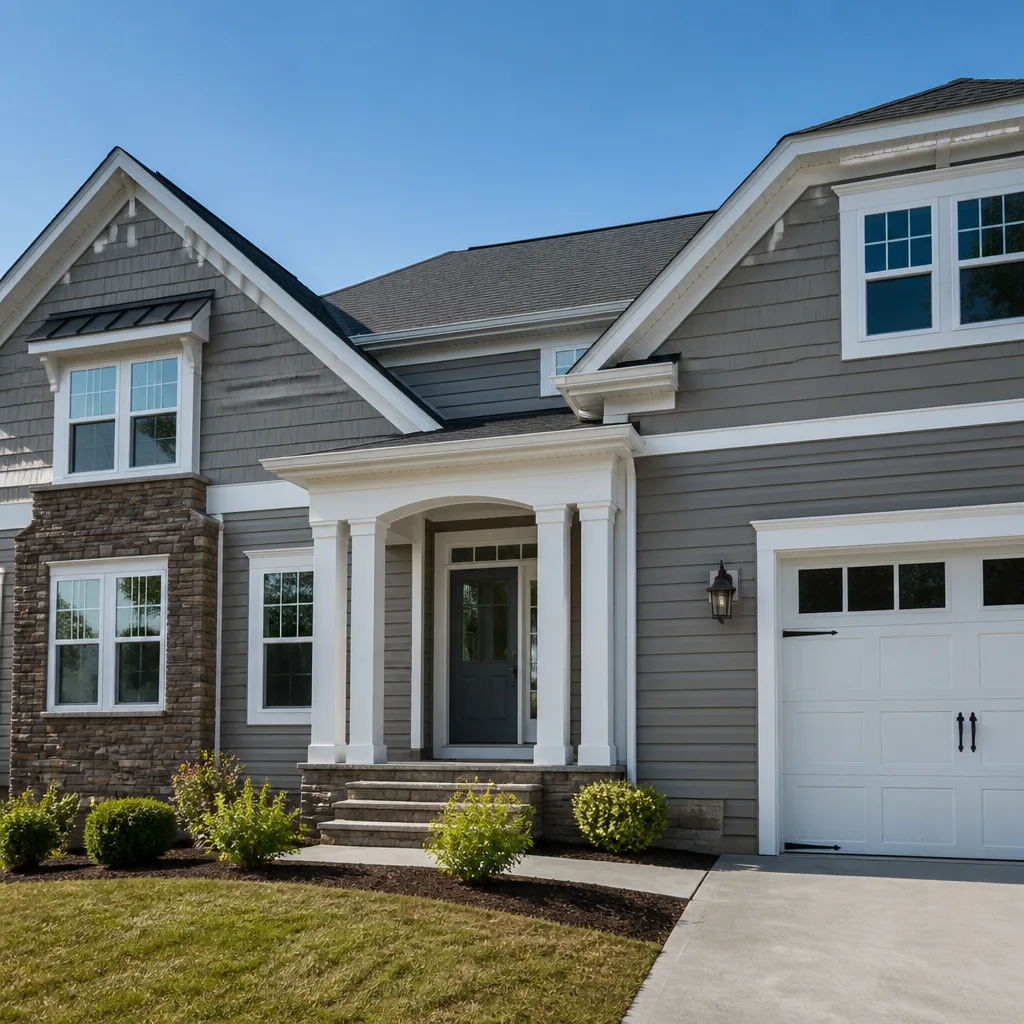
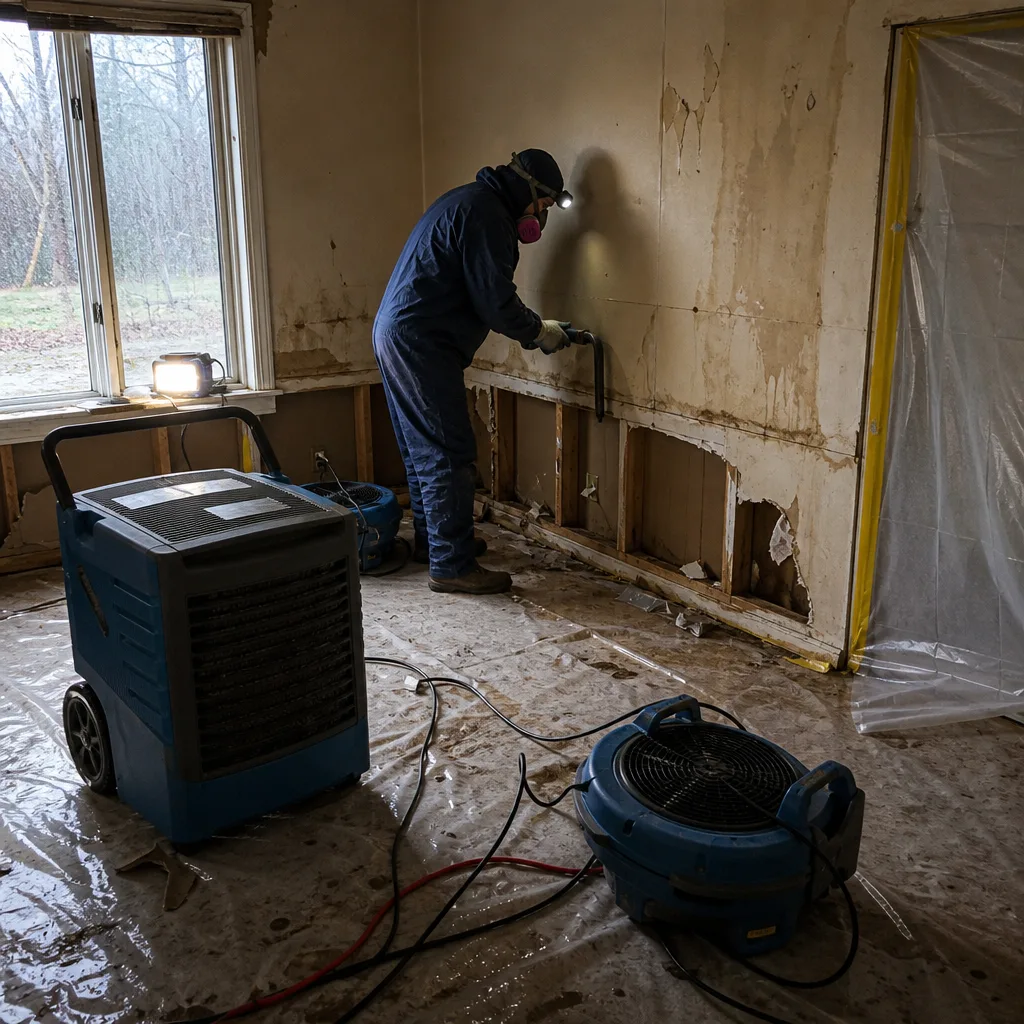 Before
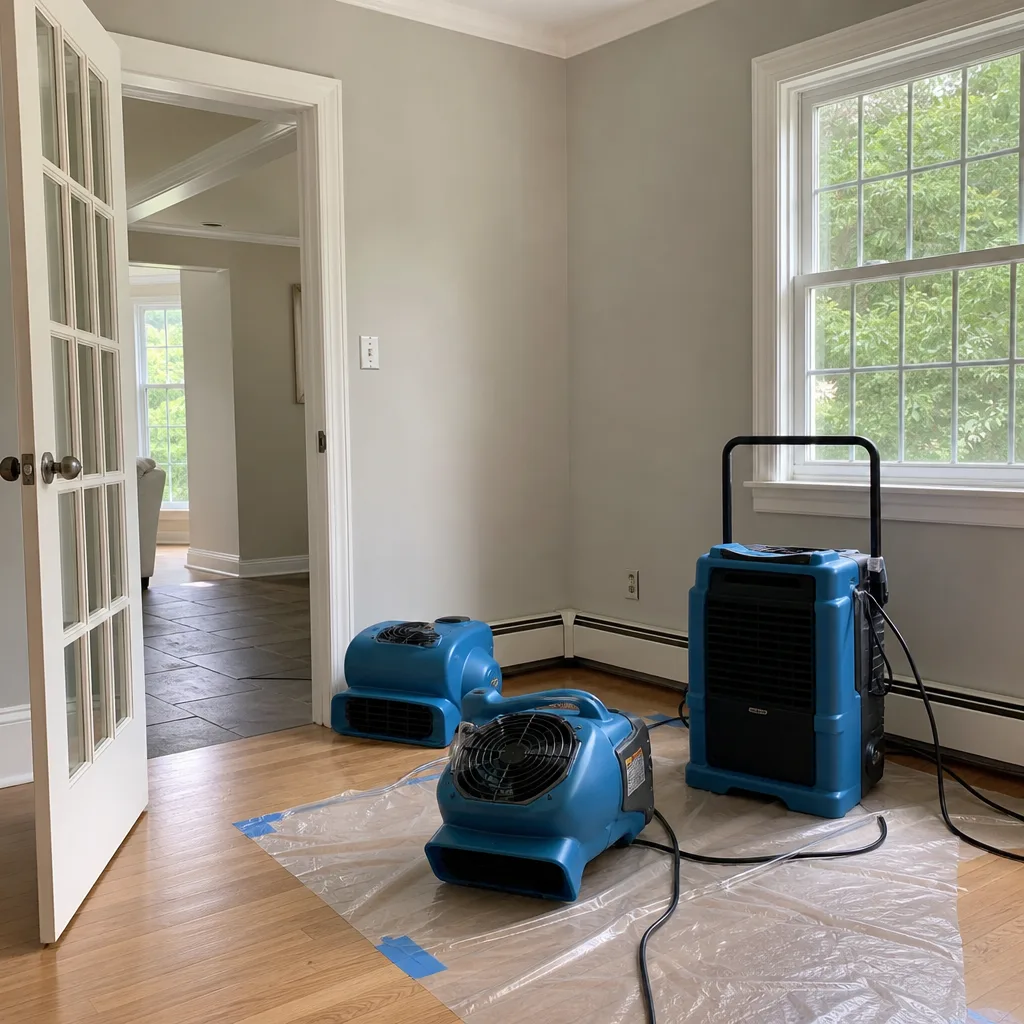 After
After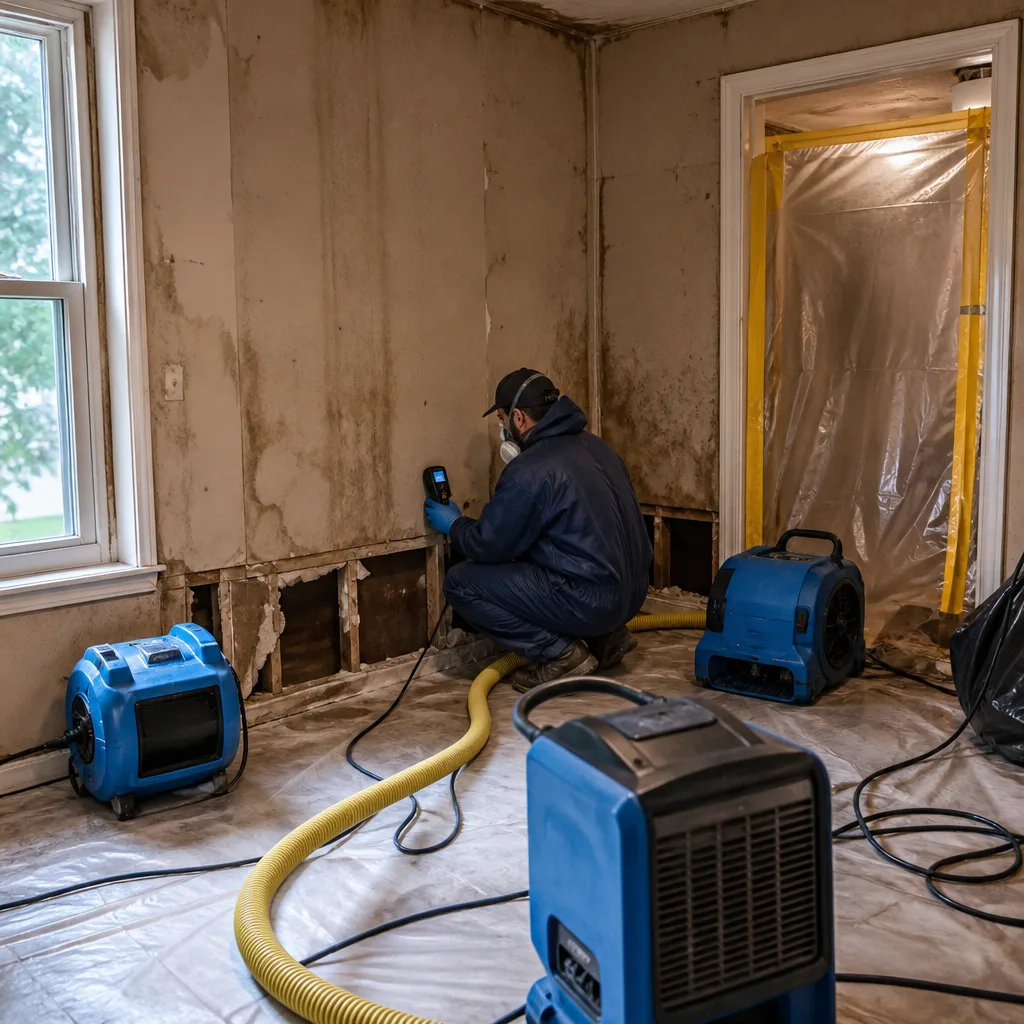 Before
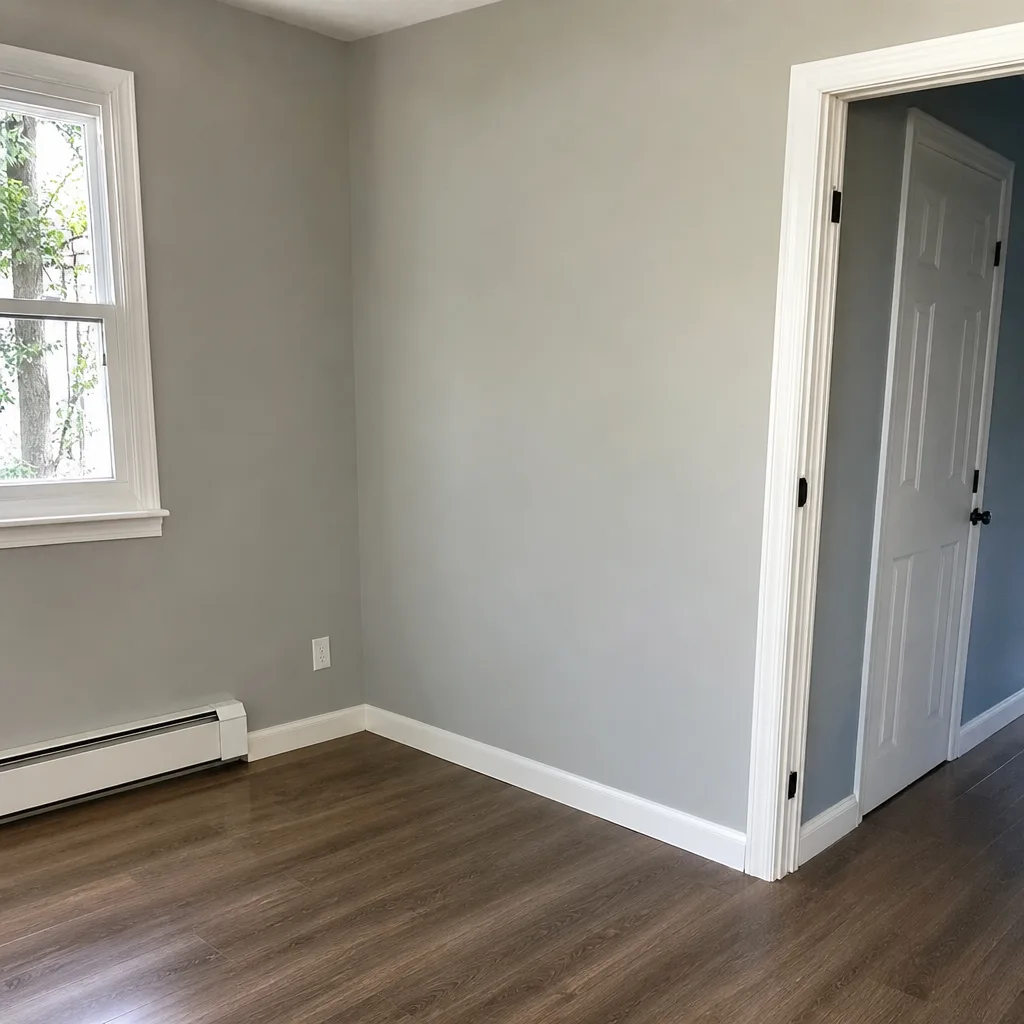 After
After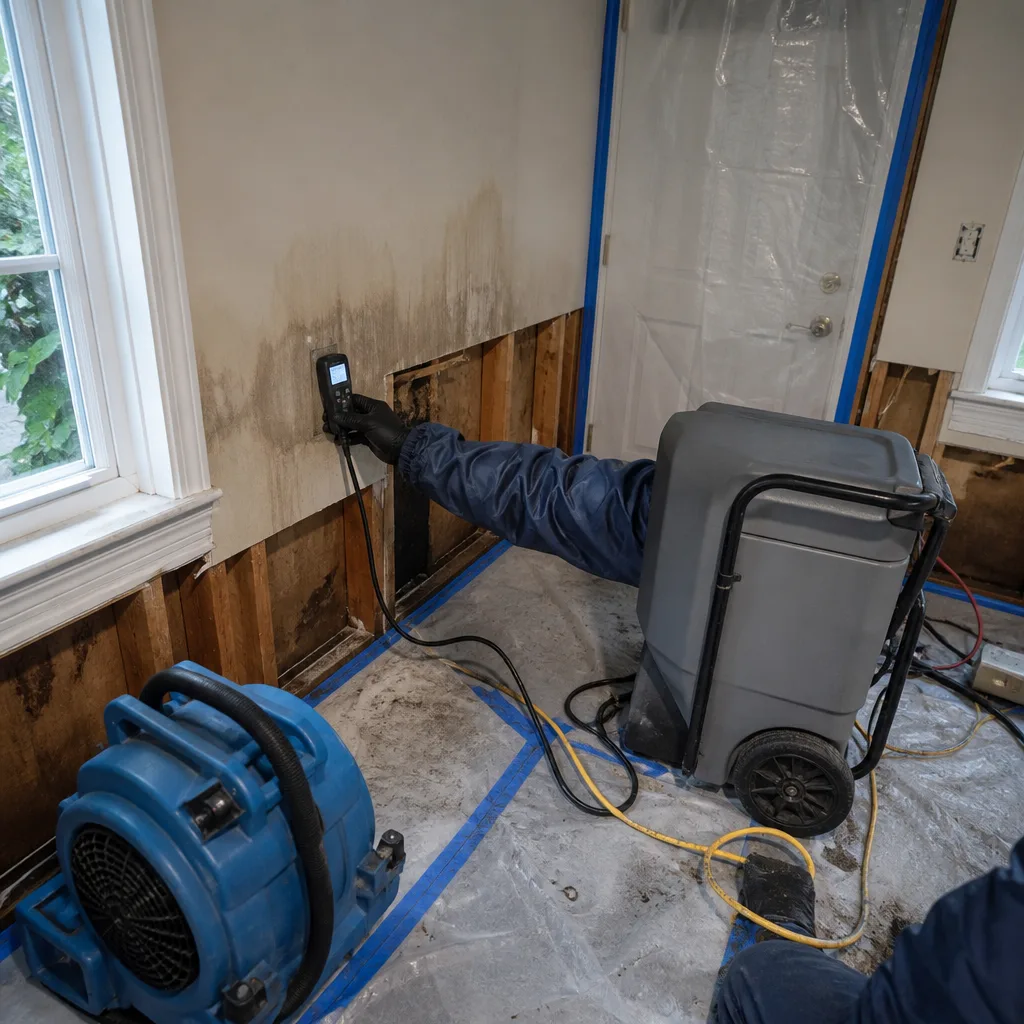 Before
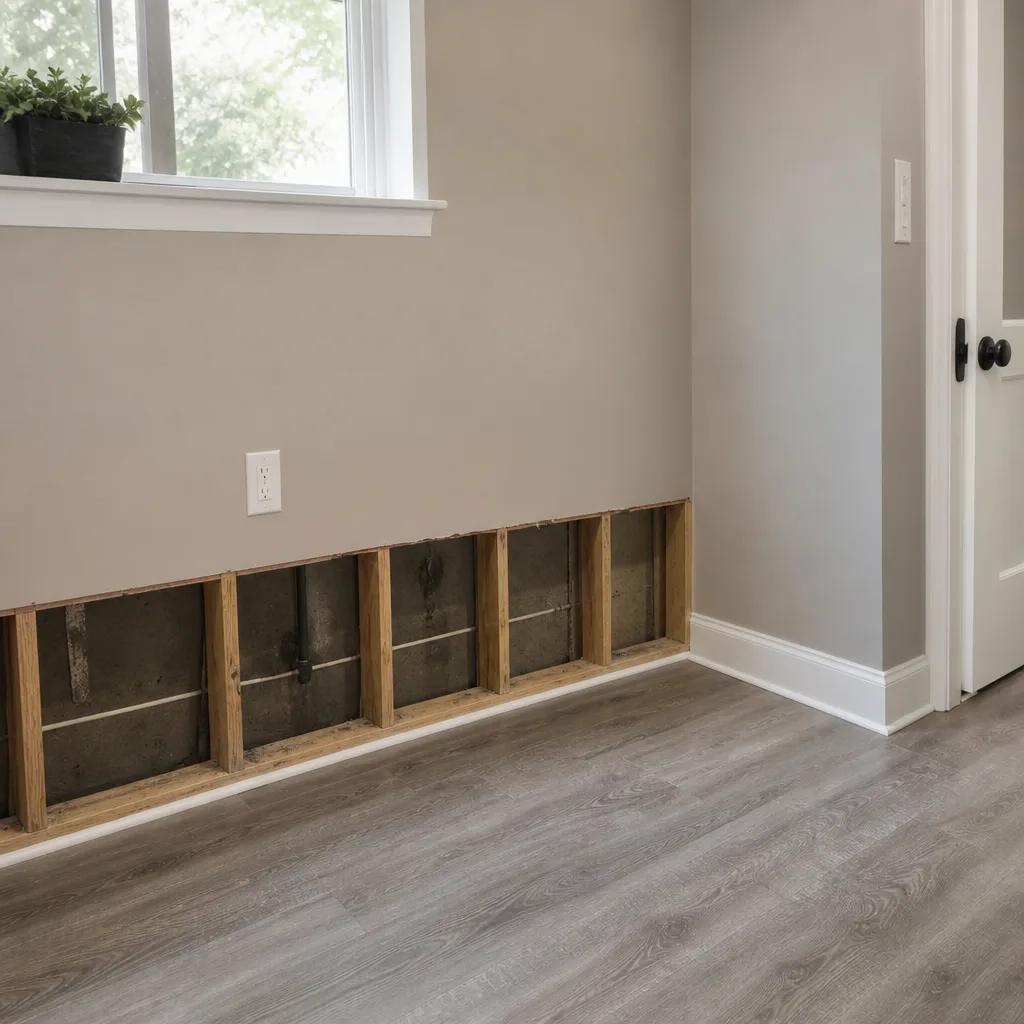 After
After24/7 Emergency Biohazard & Crime Scene Cleanup in Tappan
If you’re searching for biohazard and crime scene cleanup in Tappan, you need an answer now, not a callback. Our crews respond to Tappan properties around the clock, with a live person answering at (914) 935-7914 any hour, any day. We contain the affected area, remove contaminated material under strict safety protocols, and start the sanitation work the same day we arrive. The first hour matters because blood, bodily fluids, and other biohazards begin breaking down immediately, soaking deeper into flooring, plaster, and subflooring. As our Biohazard & Crime Scene Cleanup team works, you’ll get a written scope before any work begins, so you know exactly what we’re doing and what it costs.
Key Takeaways
- Live dispatch, 24/7: A real person answers at (914) 935-7914, even at 2 a.m.
- Historic-home expertise: We adjust protocols for Tappan’s 17th- and 18th-century stone and timber houses, including lime mortar and horsehair plaster.
- Written scope first: You approve the plan and price before we start.
- Insurance handled directly: We document everything, photograph every room, and talk to your adjuster.
- One crew, start to finish: No mid-job handoff, no inherited subcontractors.
Understanding Biohazard & Crime Scene Cleanup Severity in Tappan Properties
Biohazard contamination doesn’t sit on a surface. It penetrates. In a newer Pearl River rancher, blood or bodily fluids might soak into sheetrock and carpet pad. In Tappan, the problem is different and often more serious. The hamlet’s historic district includes fieldstone foundations set in lime mortar, wide-plank flooring, and horsehair plaster dating to the late 1600s and 1700s. Those materials are porous in ways modern drywall is not. Blood seeps into wide-plank oak and follows the grain. Bodily fluids wick into lime plaster and travel upward. A surface wipe-down in a Tappan colonial might leave contamination actively breaking down inside the wall cavity. That’s why our severity assessment here always includes moisture mapping and thermal imaging before we decide the scope. We don’t guess. We read the material.
Contamination is categorized by risk level. Biohazards from unattended deaths, suicides, accidents, and crime scenes involve bloodborne pathogens that require containment, HEPA air scrubbing, and regulated disposal. In Tappan’s older homes, the containment zone often has to extend further than it would in a modern build, because airflow through rubble-stone foundations and original lath-and-plaster walls doesn’t behave the way it does behind standard gypsum board. Valley humidity from the Sparkill Creek watershed compounds this. When containment is inadequate and air movement is miscalculated, mold can begin on wet or contaminated organic material within 24 to 48 hours in a Tappan crawl space. That turns a biohazard job into a mold remediation as well.
Why Tappan Property Owners Choose Floodline Restoration Co.
- 45-minute response commitment: When you call (914) 935-7914, we commit to having a crew on the way within 45 minutes, not a callback tomorrow.
- 24/7 live answer: A real dispatcher picks up. Always. Not a recording, not a voicemail tree, not a chatbot.
- IICRC-certified crews: Our technicians hold IICRC certifications including WRT, FSRT, and AMRT, plus RIA and IFA training. They’re background-checked and uniformed.
- Free visual inspection: We’ll assess the scene in person before any work begins, and give you a written scope and price.
- Direct insurance billing: We bill your carrier directly and coordinate with the adjuster, so you don’t have to play messenger.
- One team, extraction to reconstruction: The same crew that contains the contamination handles the rebuild. No handoffs, no strangers showing up mid-job.
Our Biohazard & Crime Scene Cleanup Process
Inspection & Assessment
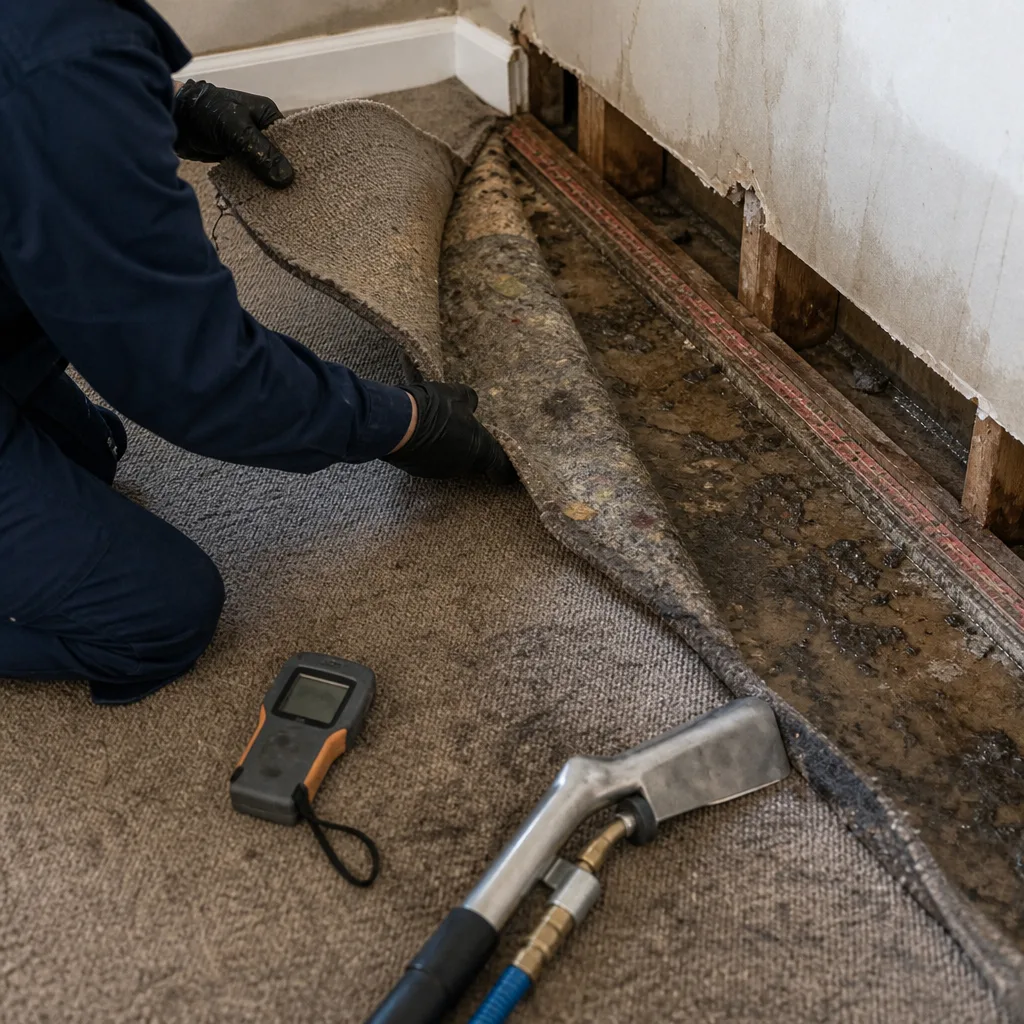
We arrive, walk the scene, and document everything. We use thermal imaging and moisture meters to find contamination that’s soaked below the surface, especially in Tappan’s older wide-plank floors and plaster walls.
Containment & Stabilization
We seal the affected area with containment barriers and run HEPA air scrubbers to prevent cross-contamination. In historic homes, we adjust negative air pressure carefully so we don’t pull moisture out of lime mortar too fast.
Removal of Contaminated Material
Blood-soaked flooring, plaster, trim, or subflooring is removed under IICRC protocols and disposed of as regulated medical waste. We remove only what must come out, preserving what can be saved.
Cleaning & Sanitization
We use EPA-registered disinfectants and hospital-grade cleaning agents on every remaining surface. This includes subflooring, joists, studs, and any area that could have been touched by aerosolized fluids.
Drying & Dehumidification
We use low-grain refrigerant dehumidifiers and adjusted air mover placement specific to the structure. In Tappan’s stone and timber homes, this protects lime mortar from cracking while still hitting the dry standard.
Repairs & Restoration
We rebuild what we removed, matching materials to the home’s age and construction. For historic properties, that means lime-based plaster, period-appropriate trim, and wide-plank flooring that fits the original dimensions.
Need Emergency Biohazard & Crime Scene Cleanup in Tappan Now?
Crews minutes away, answering live 24 hours a day. The sooner we start, the less it costs.
Working With Your Insurance Company
Most biohazard and crime scene cleanup claims in Tappan are covered by homeowners insurance, but the documentation makes the difference between a smooth claim and a fight. We document from the first hour: photos of every room before we move anything, moisture readings, containment logs, and a line-by-line scope of work. We talk to your adjuster directly, send them our drying logs and readings, and handle the back-and-forth so you don’t have to. When the contamination involves a death, an assault, or another crime scene, insurance language around “remediation” versus “restoration” matters. We know how to describe the work accurately so your carrier sees the full picture. Our team has handled claims with major carriers for years, and we bill directly.
What We Provide Your Insurer
- Thorough documentation of the loss
- Photos of all damage, room by room
- Moisture readings and drying logs
- A detailed, line-item scope of work
- Direct coordination with your carrier
Built for Tappan’s Loss Calendar
Tappan’s location in the lower Hudson Valley shapes when and how biohazard situations arise. Winter brings frozen pipes that burst in unheated crawl spaces and attics of older Capes and colonials, sometimes flooding rooms where an unattended death or accident has occurred. Spring thaw and heavy rains saturate the ground around the Sparkill Creek watershed, flooding low-lying basements in homes near the creek and along Oak Tree Road. Summer thunderstorms dump water faster than the valley’s narrow drainage can carry it, and nor’easters and remnant tropical systems like Irene and Sandy have left basements and crawl spaces wet for days. Persistent valley fog and high relative humidity through spring and fall slow structural drying and create conditions where biological contaminants don’t dry out, they compound. We plan for this. Our Tappan response protocols assume valley humidity, not the drier air of central Rockland County.
Biohazard & Crime Scene Cleanup Across Tappan’s Neighborhoods
Tappan’s geography shapes our response. In the historic district around Oak Tree Road and Kings Highway, we’re working in 18th-century stone and timber homes where contamination has soaked into materials that can’t just be cut out and replaced with stock from a big-box store. Along Western Highway and the older residential streets near Sparkill Creek, basement water events feed biological contamination in crawl spaces that stay damp through valley fog cycles. In the mid-century Cape Cods along Lester Drive and Constable Drive, we see the same biohazard challenges in tighter floor plans and smaller utility rooms where containment is trickier. The newer infill homes near the Tappan border with Orangeburg present fewer surprises, but valley humidity still affects drying and air movement. Every call in Tappan gets a response plan based on the specific structure, not a generic checklist.
Specialized Biohazard & Crime Scene Cleanup Services We Offer in Tappan
Trauma & Unattended Death Cleanup
Unattended deaths in Tappan homes are particularly difficult because of how long the body may have been in the space. Fluids penetrate wide-plank flooring and lime plaster deeply. We remove the affected material, sanitize the subfloor and framing, and restore the room so it’s safe and livable again. The work is done with respect and discretion, and we never rush you.
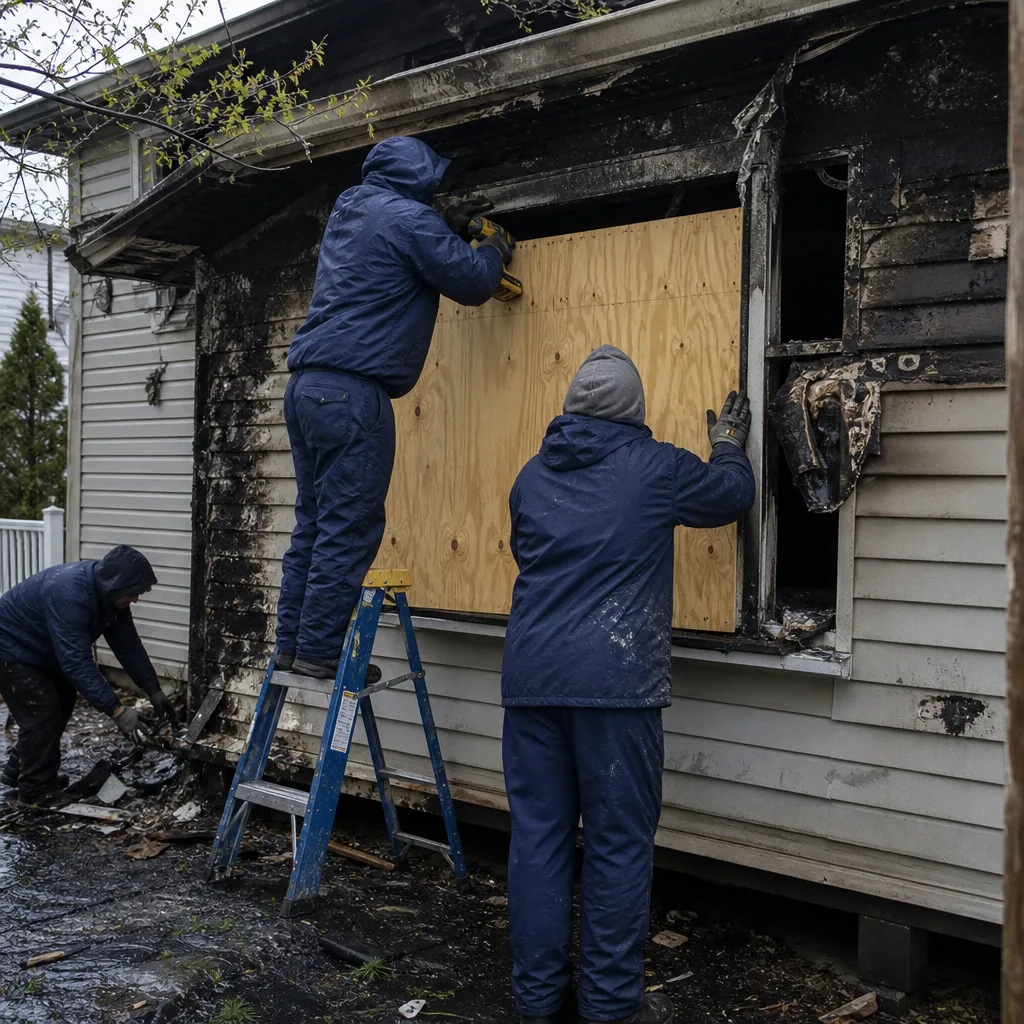
Infectious Disease Disinfection
After an illness in the home, surfaces can harbor pathogens that routine cleaning doesn’t address. In Tappan’s older homes, that includes porous lime plaster, original trim, and soft woods that hold contamination. We use EPA-registered disinfectants with proper dwell times, fog where appropriate, and document the process for your records.
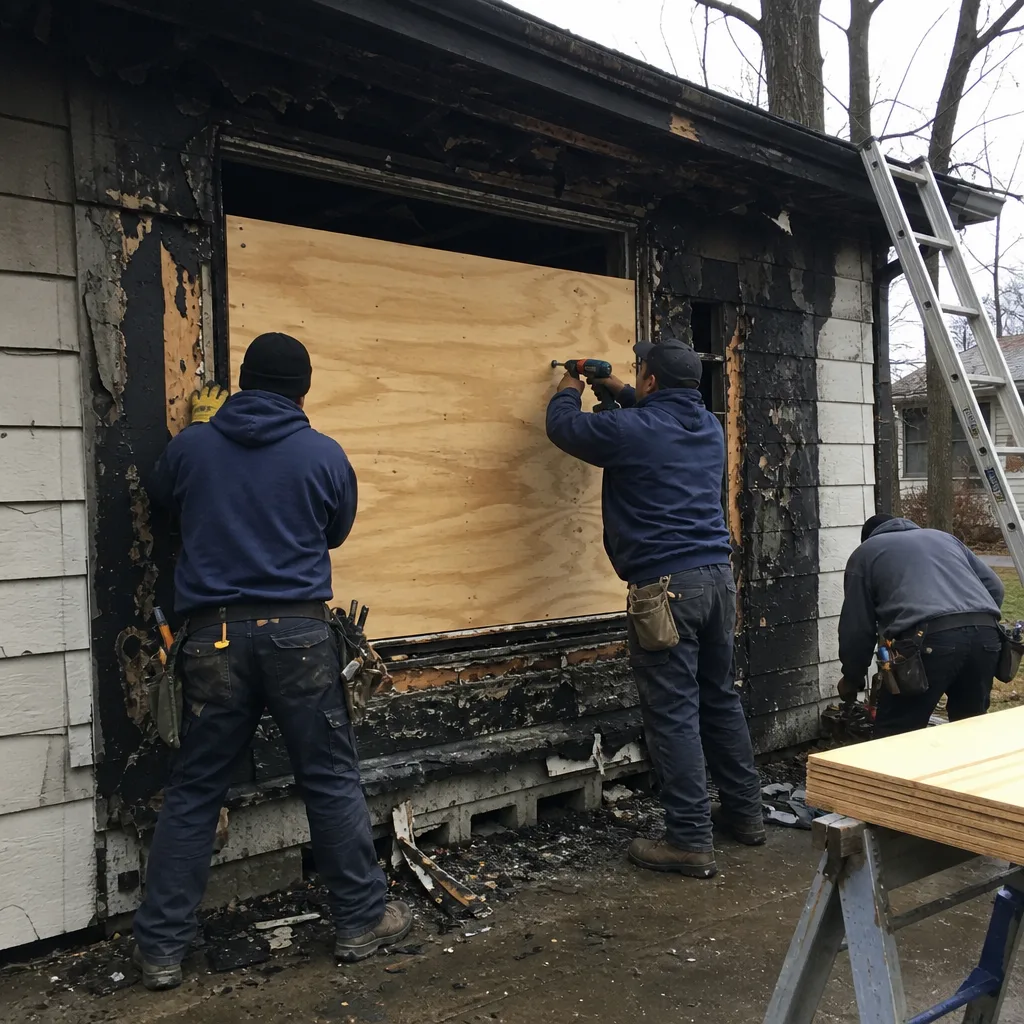
Hoarding Cleanup
Hoarding cleanup in Tappan is different from newer Rockland County suburbs because the houses themselves are often older and in worse condition. Piles of belongings can hide structural wet spots, rodent contamination, and mold behind furniture and along exterior walls. We work methodically, sorting salvageable items from waste, removing biohazards, and coordinating with your family or social services as needed. We never judge. We just do the work.
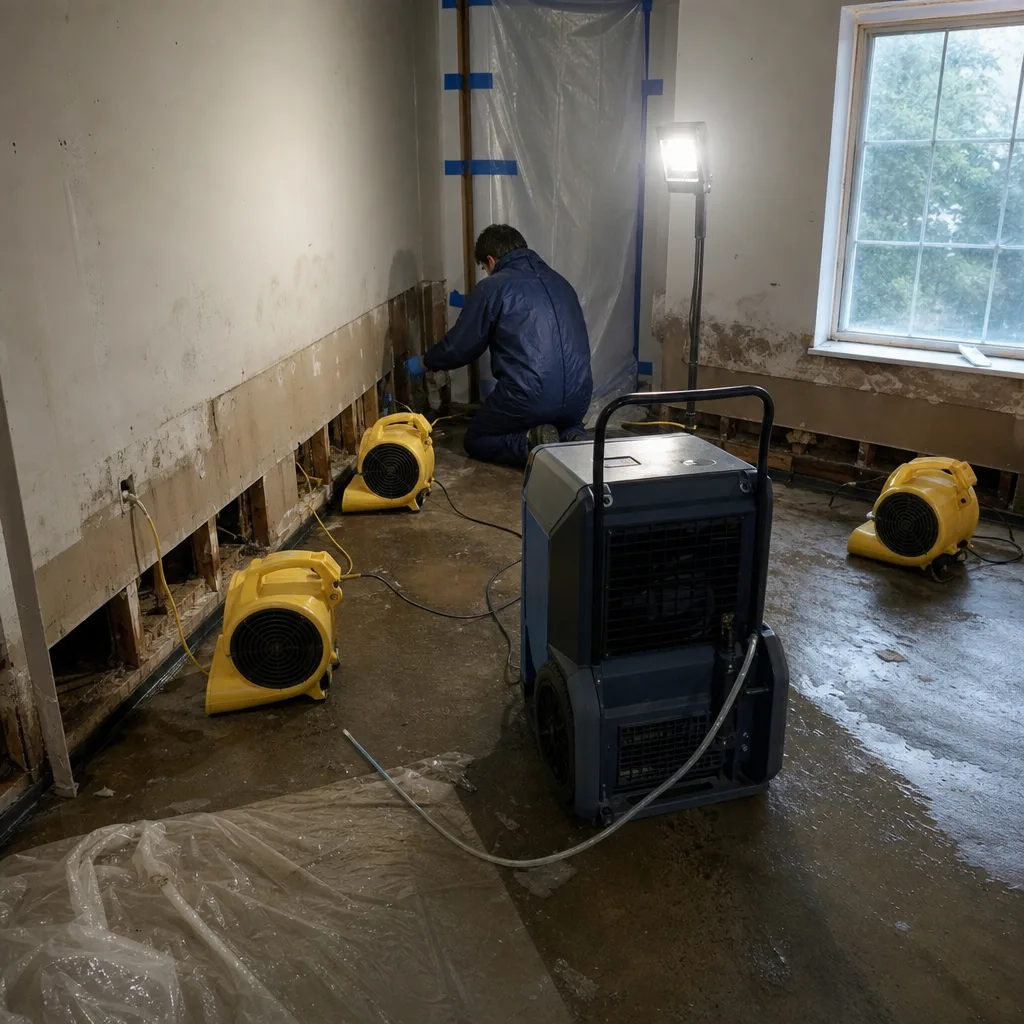
Crime Scene Cleanup
After law enforcement releases the scene, we take over. Blood and bodily fluids are removed under strict protocols, including on porous materials like Tappan’s historic wide-plank floors. We handle the physical cleanup so you don’t have to see it again. You and your family should not be the ones cleaning this.
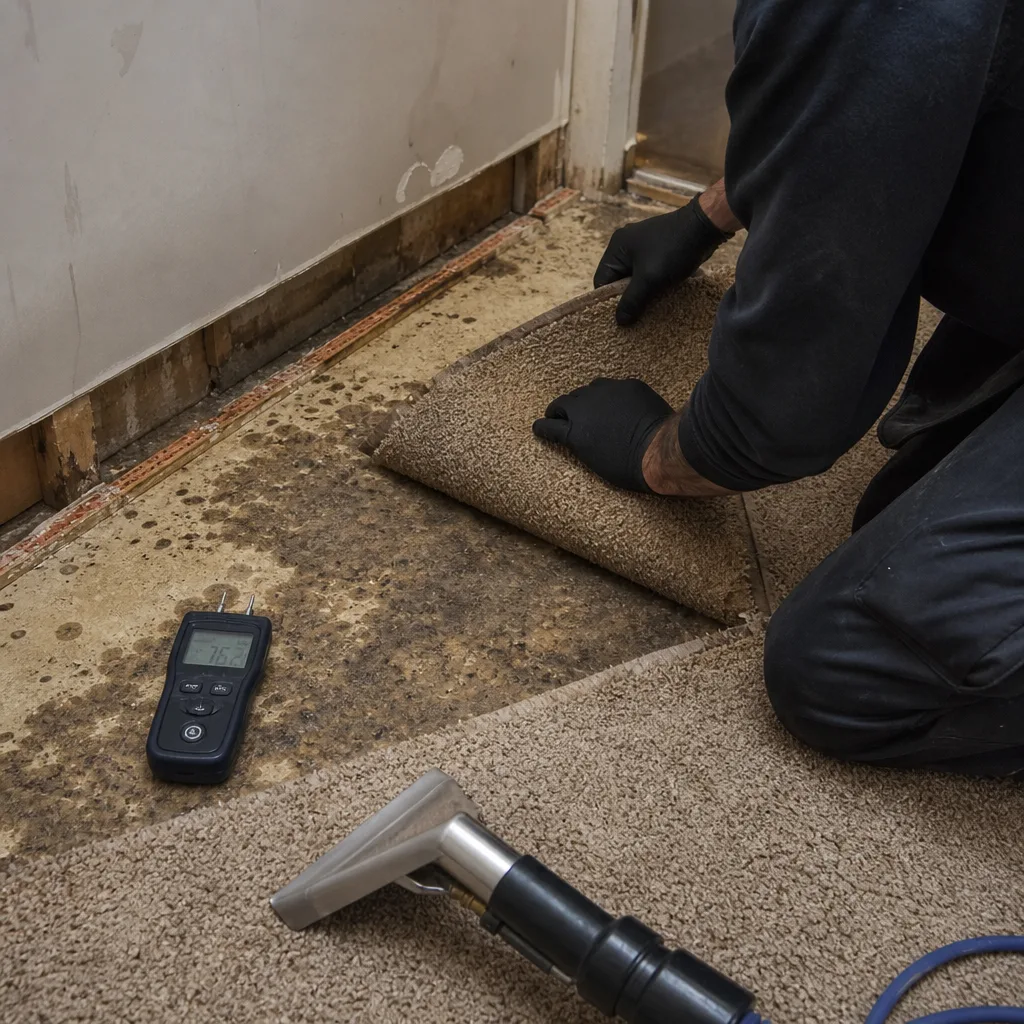
Blood & Bodily Fluid Cleanup
Bloodborne pathogens require more than a mop. We contain, remove, and dispose of contaminated material as regulated waste. In Tappan’s older homes, this often means cutting out sections of wide-plank flooring or removing lime plaster in a way that preserves the surrounding historic material. We bring the right equipment, including HEPA air scrubbers and specialized cleaning agents, to every job.
What happens when you call
- 1
A real person answersNo phone trees - you reach a local pro.
- 2
You get an upfront price rangeHonest numbers before anyone is dispatched.
- 3
A background-checked tech heads outLicensed & insured, dispatched right away.
- 4
You approve before work beginsNothing starts until you say go.
Biohazard & Crime Scene Cleanup Costs in Tappan, NY
A trauma or unattended death cleanup in Tappan typically runs $2,500 to $6,500 depending on how far the contamination has spread and what materials need removal. A smaller blood cleanup in a single room often lands in the $1,200 to $2,800 range. Hoarding cleanup varies widely, from $3,000 to $15,000+ depending on volume, structural conditions, and whether rodent or mold contamination is present. Infectious disease disinfection usually runs $1,500 to $4,000 for a typical Tappan home. Historic homes with lime plaster and wide-plank flooring cost more than a newer ranch because removal has to be surgical, not wholesale, and matched replacement materials are more expensive. Insurance covers most biohazard claims, and we bill directly. Call (914) 935-7914 and we’ll give you a free visual inspection and a written scope before any work starts. That price doesn’t change unless we find something we couldn’t see, and you approve the change in writing first.
We Also Serve Cities Near Tappan
Our crews serve Tappan and the surrounding Rockland County communities daily, including Orangeburg, Blauvelt, Pearl River, and Nanuet. Response times are short because we’re already working in the area, not driving across the county.
Tappan Biohazard & Crime Scene Cleanup Questions, Answered
How does Tappan’s historic stone construction change the timeline for biohazard cleanup?
It extends it. The 2-foot-thick rubble-stone foundations and lime mortar in Tappan’s 18th-century homes absorb and release moisture on a weeks-long cycle, so drying has to be slower and more controlled than in a modern build. Standard desiccant dehumidifiers used at normal settings can crack lime mortar and cause spalling, creating a structural problem worse than the original contamination. A typical Tappan historic home biohazard cleanup runs 7 to 14 days from containment to final clearance, compared to 4 to 7 days in a newer home.
Do biohazard cleanups in Tappan’s historic district need special permits from New York State?
Yes, in some cases. Any work that alters, demolishes, or removes original building materials in a structure that may be listed on or eligible for the National Register of Historic Places can trigger New York State Historic Preservation Office (SHPO) review. Tappan’s historic district includes some of the oldest standing buildings in Rockland County, and if your home has that designation, we handle the SHPO coordination for you as part of the scope. We’ve done it before, and we know what the reviewers need.
What happens if blood or bodily fluids soak into Tappan’s wide-plank flooring or lime plaster?
The contaminated section has to be removed. Blood and bodily fluids penetrate wide-plank oak between the boards and along the grain, and they wick deep into lime plaster. Cleaning the surface doesn’t address what’s underneath. We cut out the affected flooring and plaster under containment, sanitize the framing and subfloor, and then rebuild with materials matched to the home’s age. In a historic Tappan house, that means sourcing wide-plank boards of similar width and age, and patching with lime-based plaster rather than modern gypsum compound, which rejects the lime substrate and fails within months.
Can your team handle trauma cleanup in a Tappan home that still has horsehair plaster?
Yes. We’ve done it many times. Horsehair plaster is flexible but brittle, and it’s bonded to wood lath in a way that makes cutting sections out a careful job. We use hand tools and controlled cuts rather than demolition saws, and we contain the area so plaster dust doesn’t spread contamination. The repair work uses lime-based plaster mixed to match the original, applied in thin coats with proper curing time. A Tappan horsehair plaster patch done right looks like it’s been there for a hundred years. Done wrong, it cracks and falls out in months.
Why is hoarding cleanup in Tappan different from a newer Rockland County suburb?
Because the houses are older and the structural conditions are worse. In a newer Pearl River or Nanuet home, hoarding cleanup is mostly about volume. In Tappan’s colonials and Capes, the piles often sit against exterior walls with failing lime mortar, over rubble-stone foundations that leak, and in crawl spaces that stay damp from valley humidity. By the time we’re called, there’s usually rodent contamination, mold, and structural rot underneath the hoard. That means the scope has to address the building, not just the contents. We plan for that before the first bag comes out.
How fast can someone get to a Tappan biohazard emergency?
Within 45 minutes, usually faster. We respond to Tappan calls from crews already working in and around Rockland County, not from a dispatch center in another state. Call (914) 935-7914 and a live person picks up immediately. We’ll tell you who’s coming and when to expect them.
Will my insurance cover biohazard cleanup in Tappan?
In most cases, yes. Homeowners policies typically cover biohazard remediation from a covered event like an accident, crime, or unattended death. The exact coverage depends on your policy language, and that’s where documentation matters. We photograph everything before we move anything, keep moisture logs and containment records, and send a detailed line-item scope to your adjuster. We bill the carrier directly, so you’re not floating the cost while the claim processes. Call us and we’ll help you figure out what your policy covers before any work starts.
Can we stay in our Tappan home during biohazard cleanup?
Usually not in the affected rooms. While we’re running HEPA air scrubbers and removing contaminated material, the containment zone is sealed off. The rest of the house remains livable, and we run negative air pressure so nothing migrates. In a smaller Tappan Cape or ranch where the affected room is central, you may want to stay elsewhere for a day or two. We’ll tell you honestly what’s safe at the inspection, not after the fact.
Serving Tappan, NY - Our Local Coverage Area
We’re based in the Tappan area and know this community well. Use the map below to see our service coverage - if you’re nearby, we can almost certainly help.
Why Tappan’s Historic Homes Need a Different Kind of Biohazard Cleanup
This is the part most restoration companies miss. Tappan is one of the oldest continuously settled hamlets in New York State, with a documented historic district containing structures dating to the late 1600s and 1700s. The oldest houses have rubble-stone foundations set in lime mortar, hand-hewn post-and-beam frames, and horsehair plaster. Those materials do not behave like modern construction. Blood, bodily fluids, and cleaning agents soak into them differently. Drying them too fast causes the mortar to crack. Using modern patching compounds on lime plaster causes the patch to fail. And standard desiccant dehumidifier placement calculations, the kind a national franchise would use on a Pearl River split-level, can pull moisture out of a 2-foot-thick stone wall so aggressively that the lime mortar cracks and spalls. That’s structural damage, and it’s far more expensive to fix than the original biohazard job.
When a Category 3 water event in a Tappan historic home required biohazard cleanup, our crew first performed moisture mapping and took moisture readings to establish a scope of work that respected the home’s 2-foot-thick rubble-stone foundation. We contained the affected area, removed blood-contaminated building materials under IICRC protocols, and used low-grain refrigerant dehumidification with adjusted air mover placement to avoid drawing moisture out of the lime mortar too quickly. The drying logs showed the walls reached pre-loss condition in 12 days without a single crack in the original plaster. That’s the difference between knowing Tappan’s buildings and guessing at them.
If you’re dealing with a biohazard situation in a Tappan home, especially an older one, call us before the big-box mitigation crews get their hands on it. We’ve worked on these buildings, we know how they move, and we know what they can’t take. Get a free inspection and a written scope. Call (914) 935-7914.
Written by Curt Bowman, Owner at Floodline Restoration Co., serving Tappan and the surrounding Rockland County communities. Founded in 2010, with crews trained to IICRC, RIA, and IFA standards, and backed by the 90-Day Done Right Promise in writing.