

Free visual inspection and a written scope of work before any mitigation begins - photos, moisture readings, and drying logs go in your claim file
The scope we write is the scope we bill. Anything new gets shown to you, in writing, before we touch it.
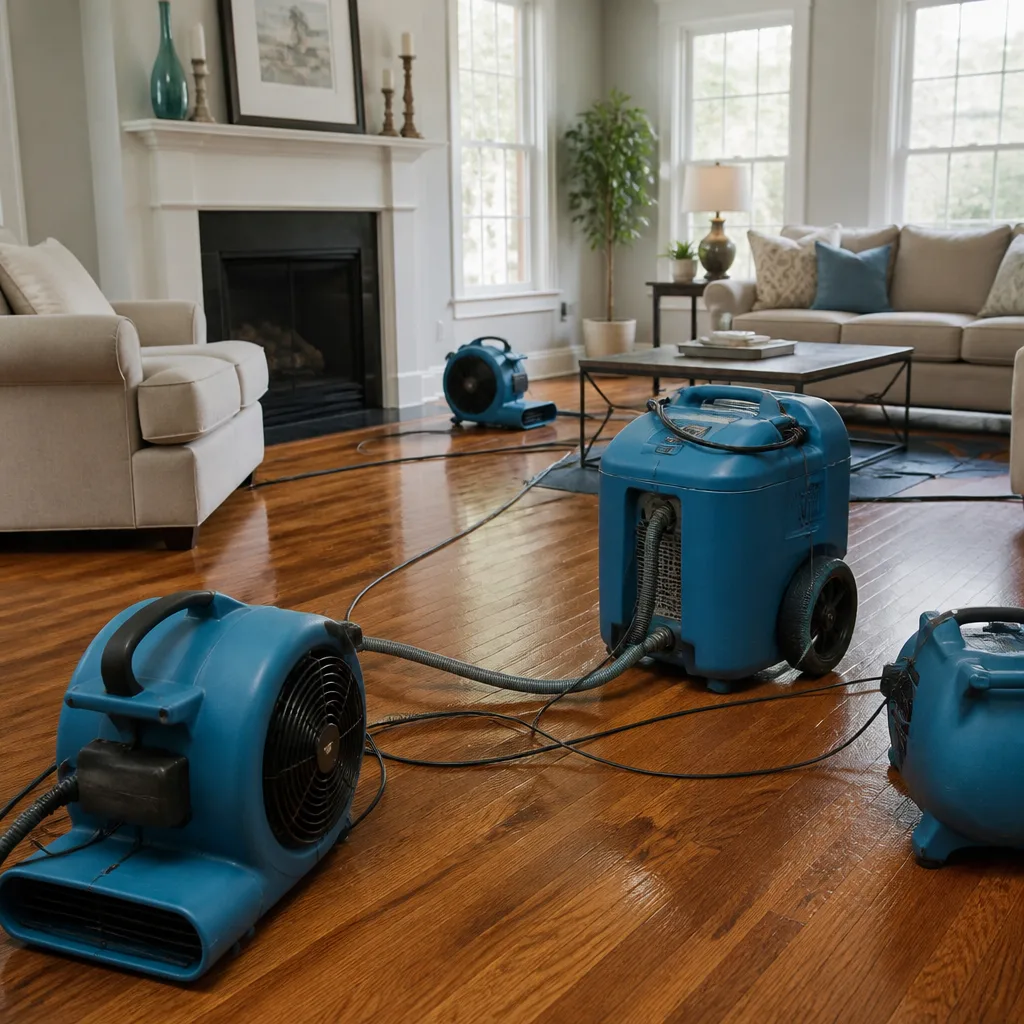
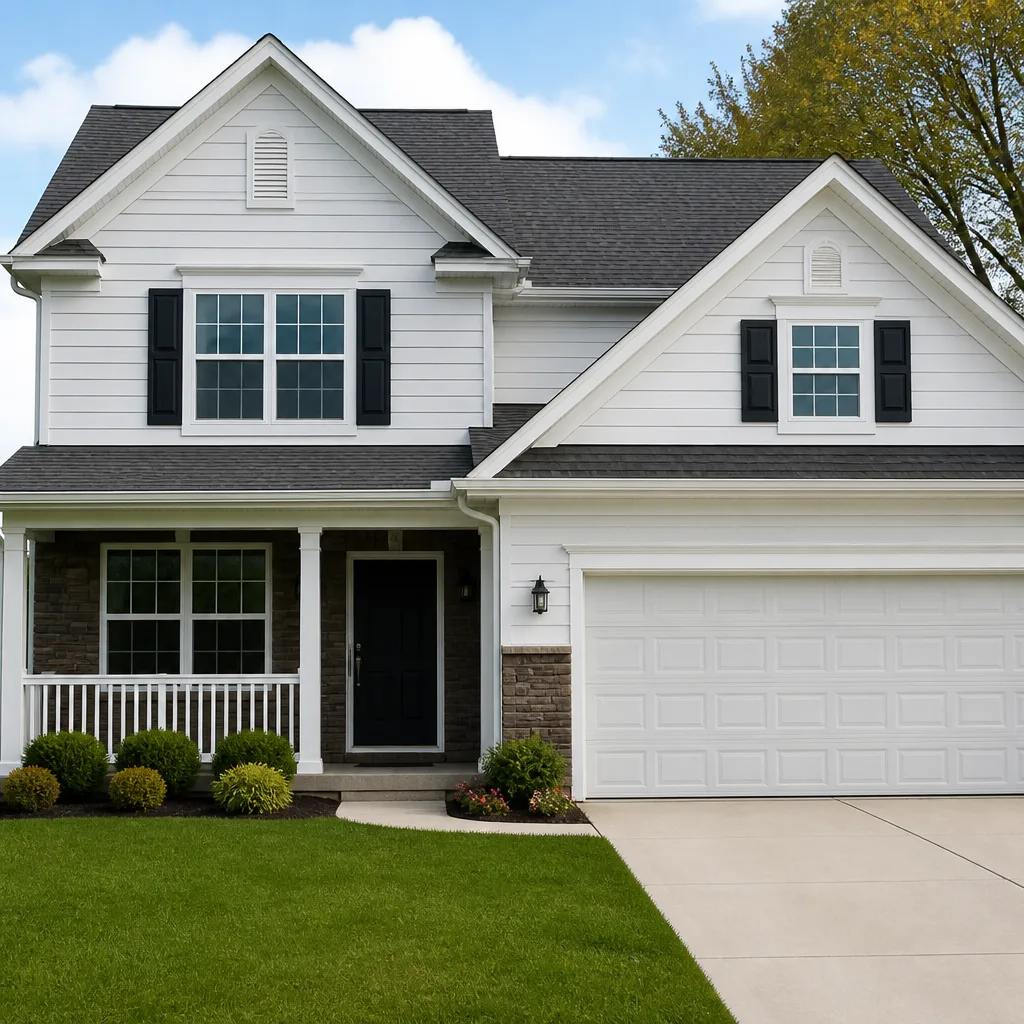
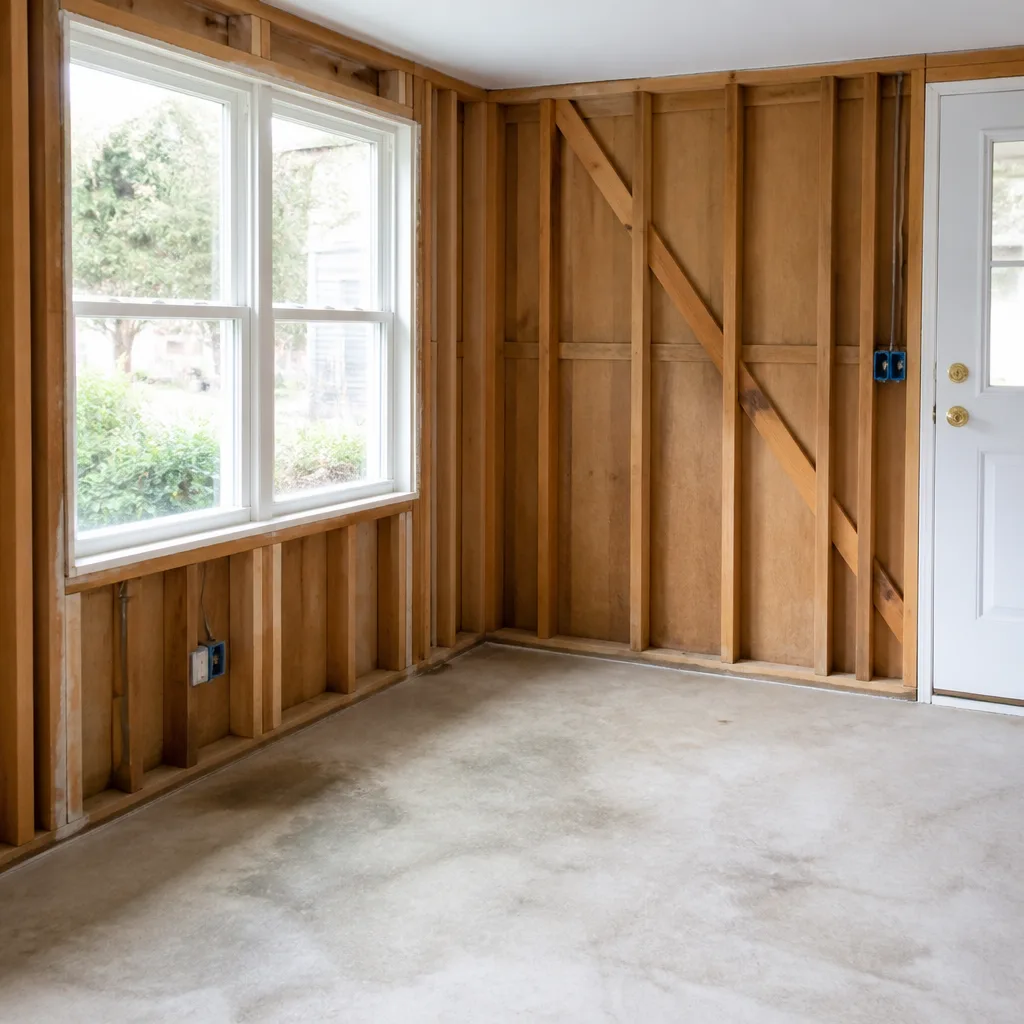
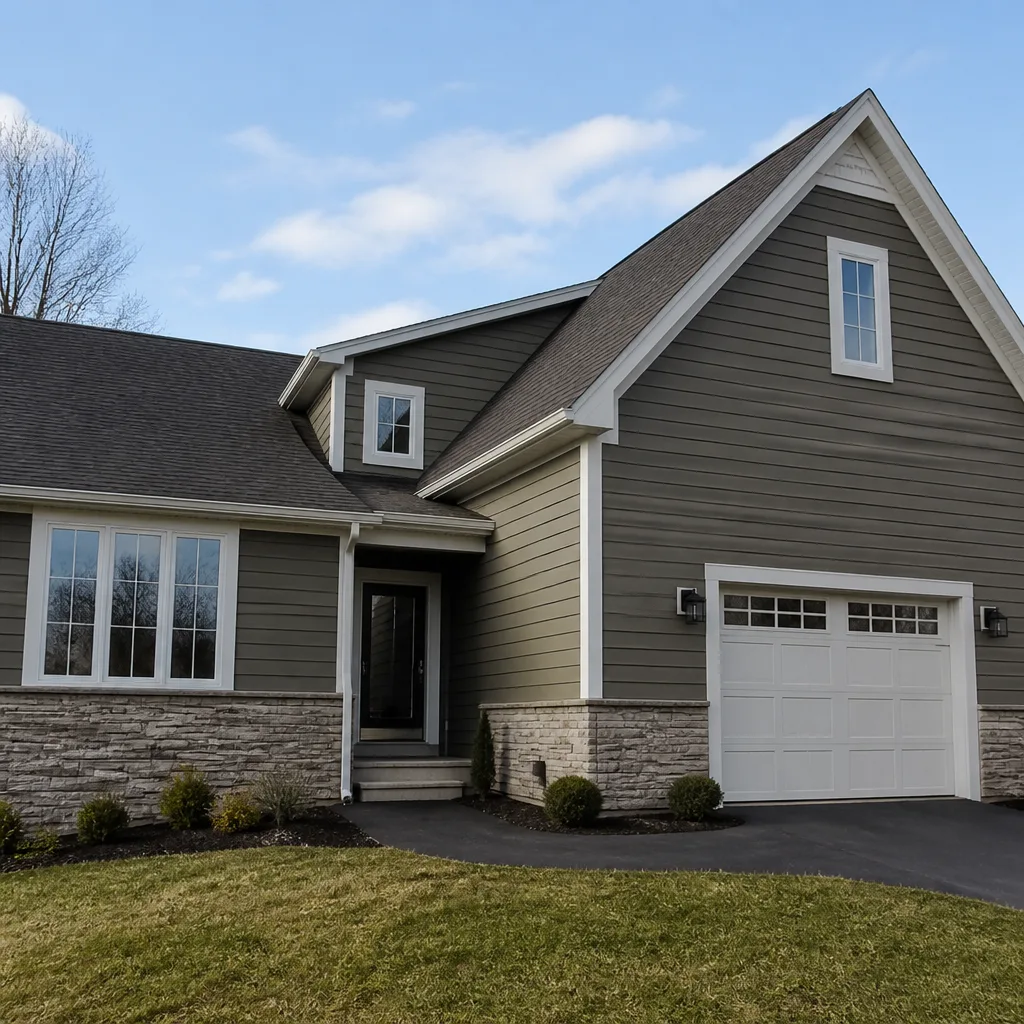
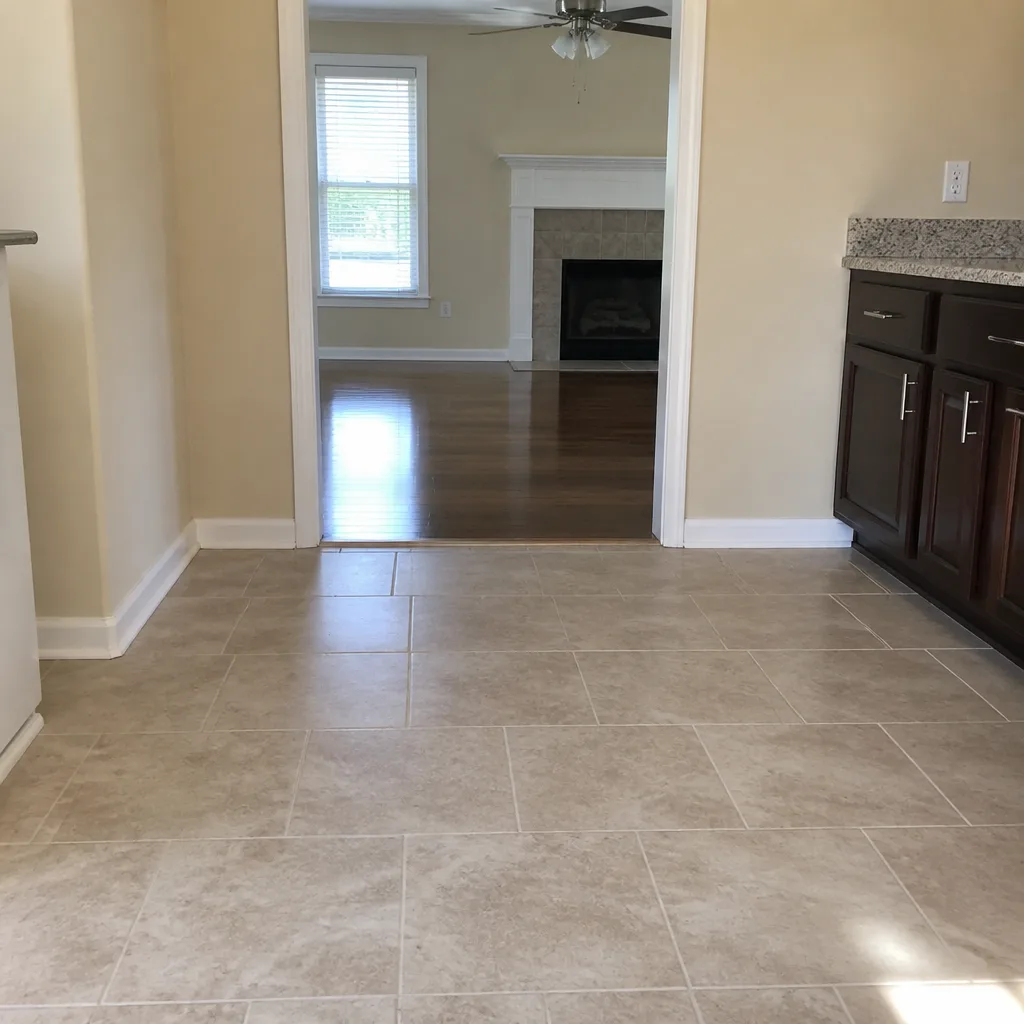
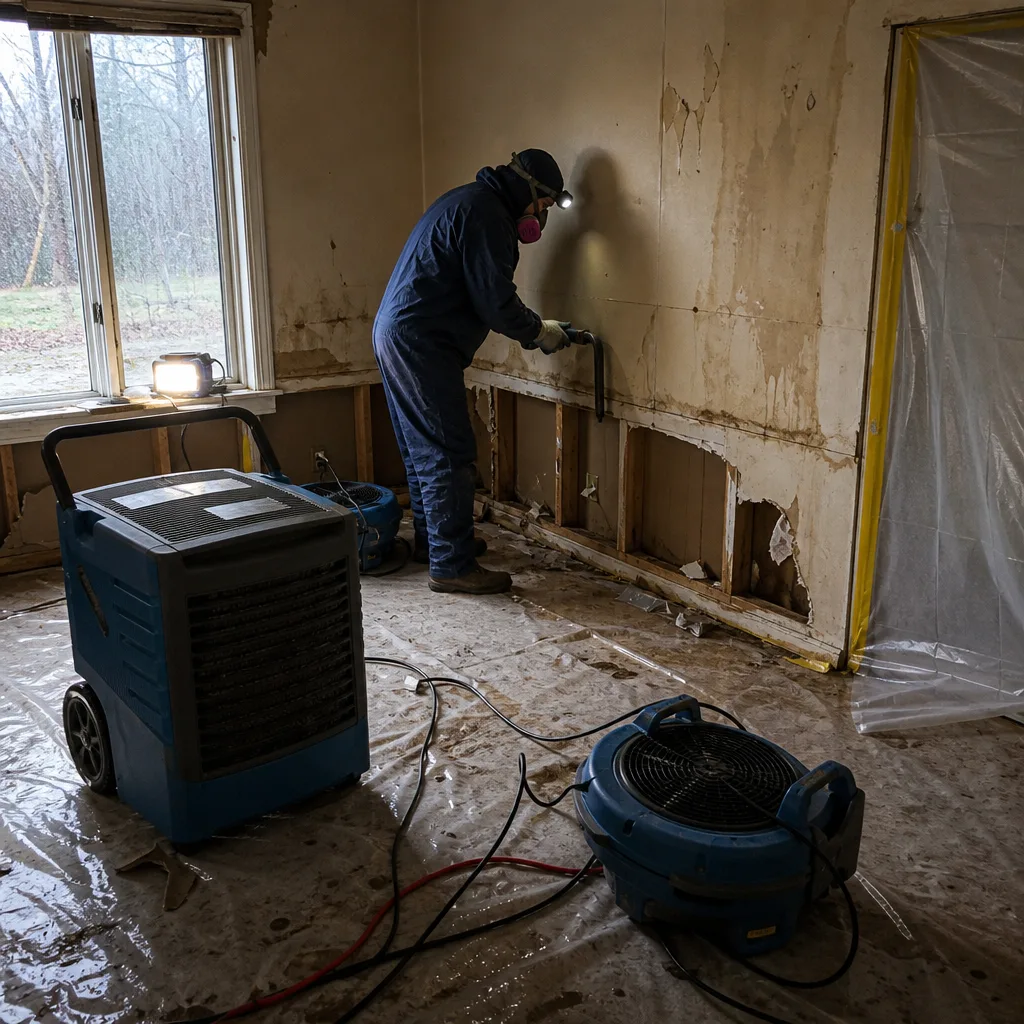 Before
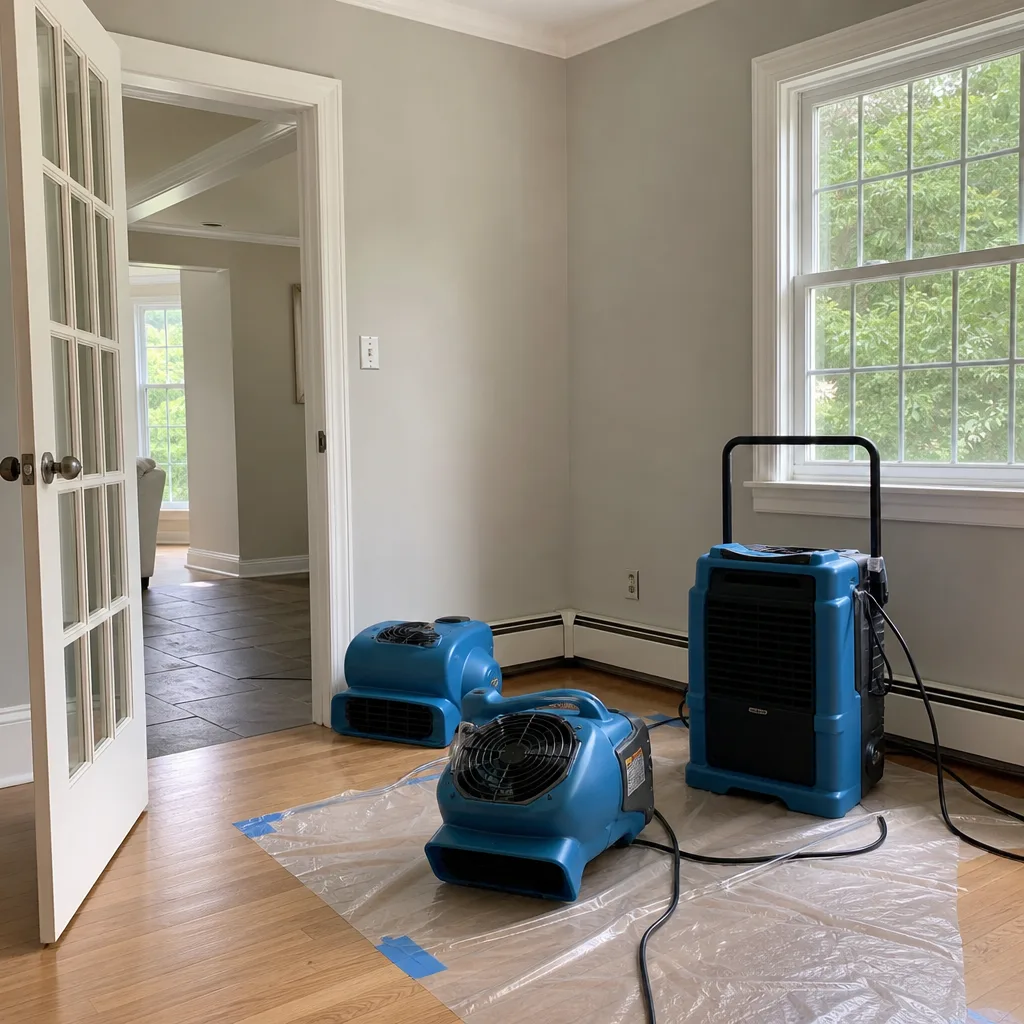 After
After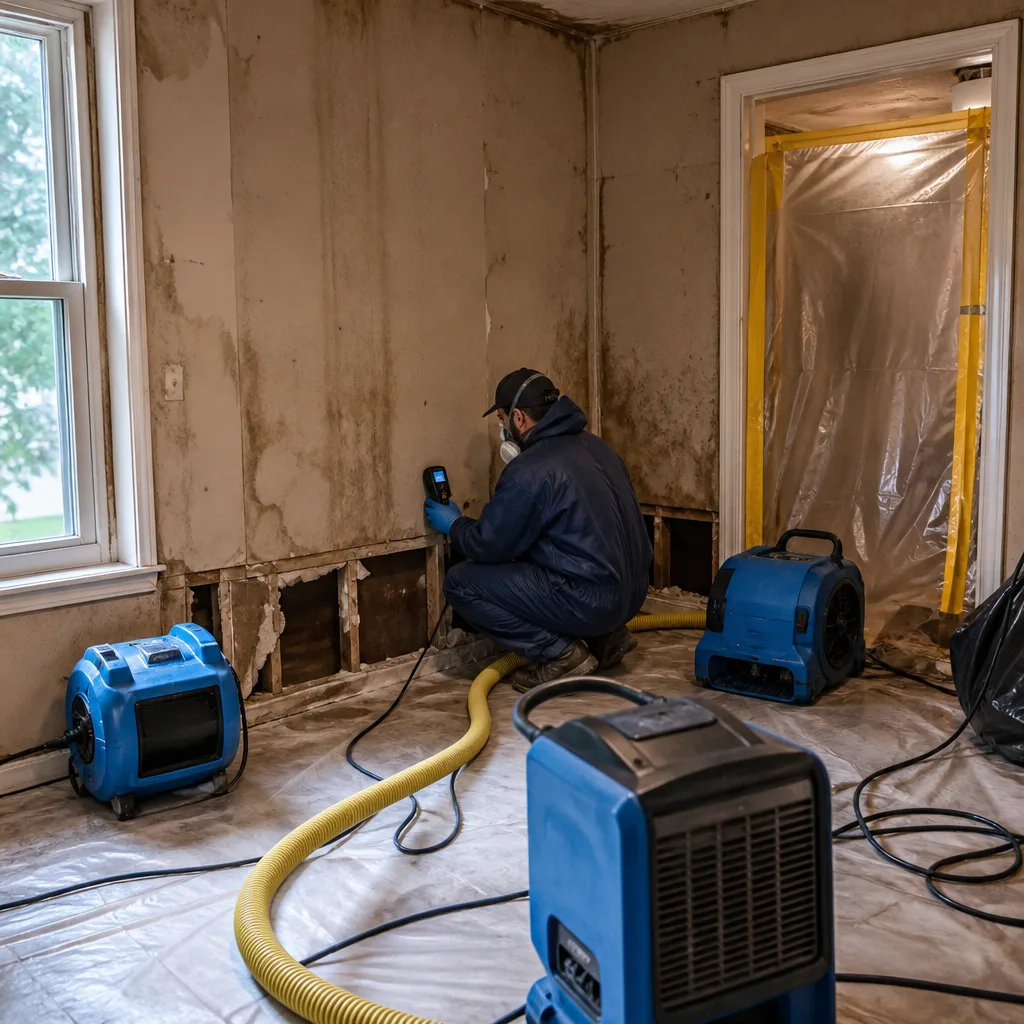 Before
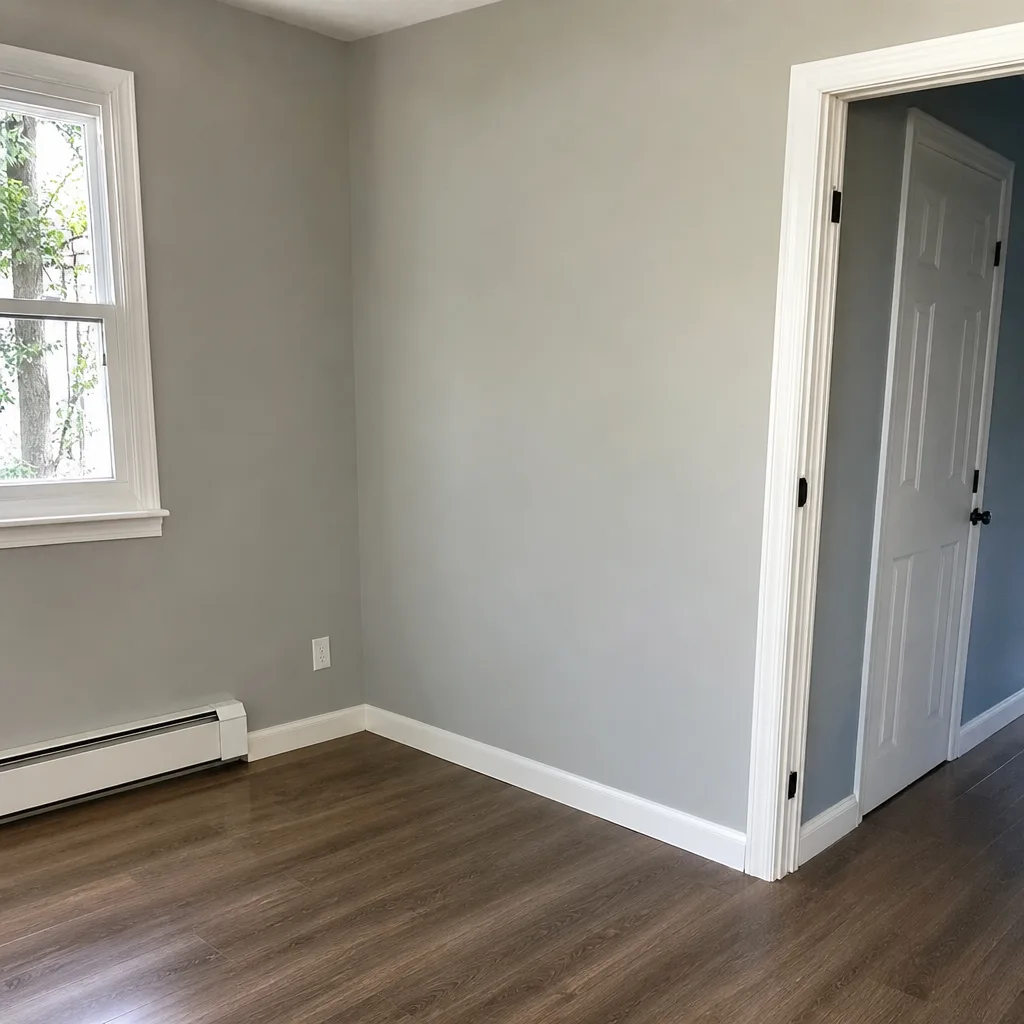 After
After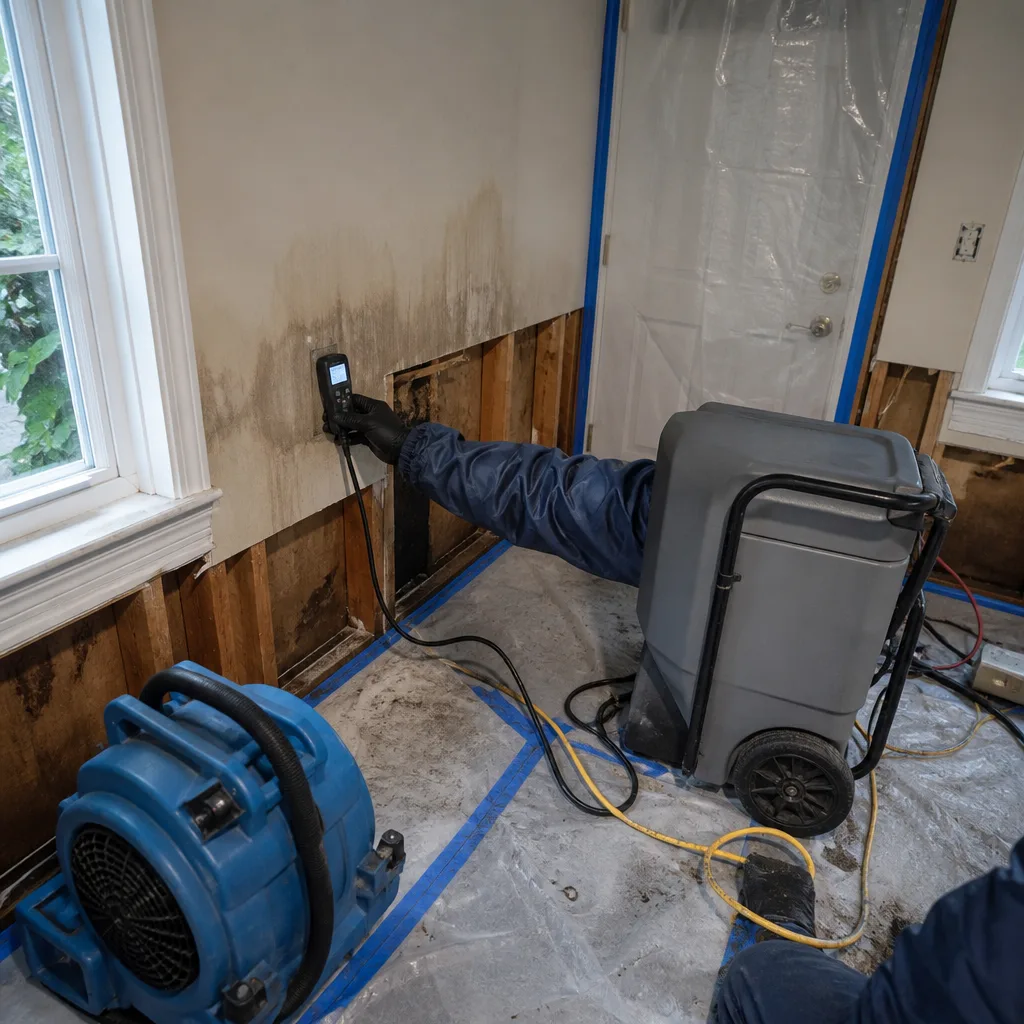 Before
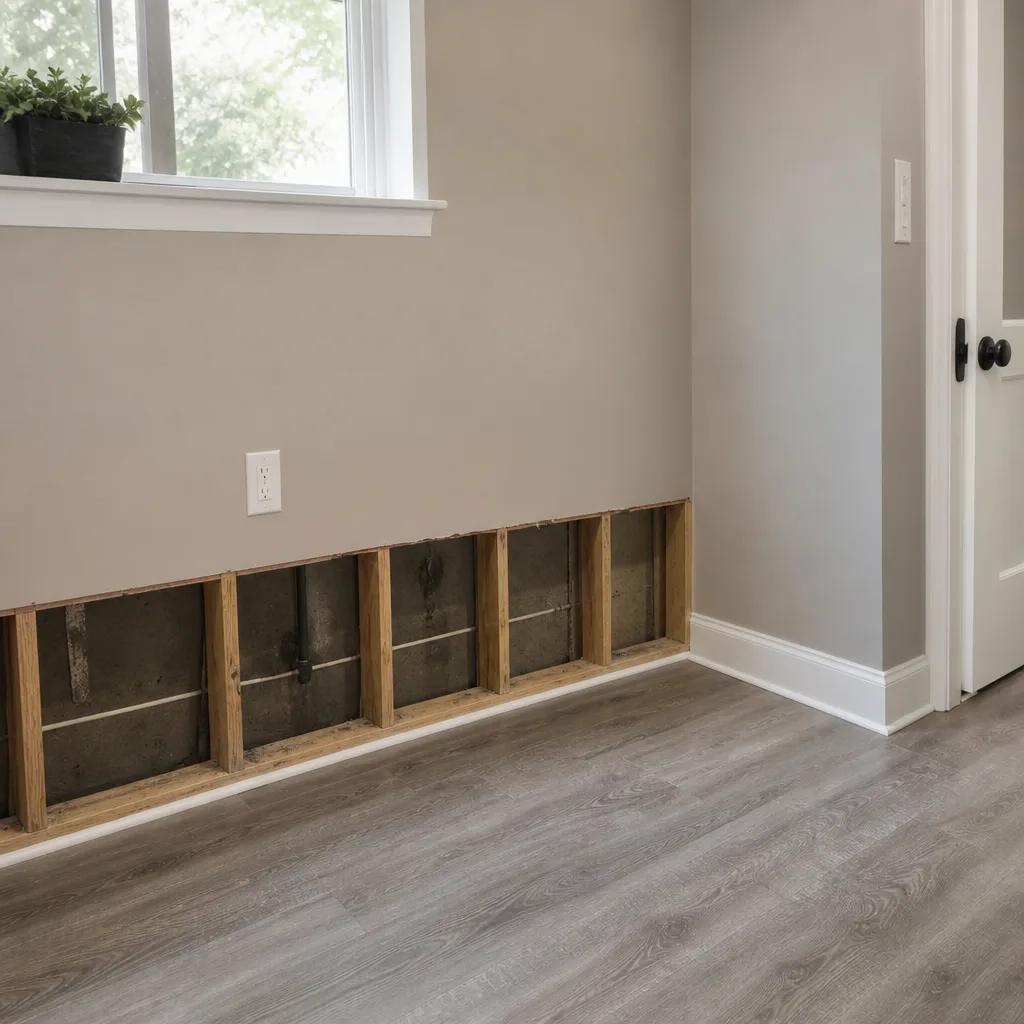 After
After24/7 Emergency Mold Remediation in Tappan
Mold grows fast in Tappan’s humid Hudson Valley air, and the worst cases we see start with water that sat too long after a storm, a failed sump pump, or a slow leak inside a wall cavity. If you’ve spotted discoloration, caught that musty smell, or found water damage in your Tappan home, call (914) 935-7914 now. A live dispatcher answers around the clock, every day of the year, and we’ll have a certified crew at your door fast with containment equipment and a moisture map of exactly where the problem starts and stops. The first hour matters because mold colonies spread through Tappan’s older homes quickly, moving through balloon-framed walls and original wide-plank floor gaps faster than most homeowners expect.
Understanding Mold Remediation Severity in Tappan Properties
Tappan’s housing stock spans three centuries, and mold behaves differently in each era of construction. A 1970s ranch off Washington Street with standard drywall and fiberglass insulation responds to remediation predictably: we contain the affected rooms, scrub the air, remove contaminated materials, and dry to the IICRC S520 standard. A 1700s stone home in the Historic District is a different animal entirely. Those 2-foot-thick rubble-stone foundation walls absorb moisture on a weeks-long cycle, releasing it back into the structure slowly, so containment and drying calculations that work in a Pearl River split-level can fail badly here. Horsehair plaster over hand-hewn lath holds water in pockets, and the lime-based mortar that binds fieldstone foundations will crack if dried too aggressively. Severity in Tappan depends less on square footage and more on building age, foundation type, and how long the moisture has been cycling through original materials. That’s why our first assessment in Tappan includes identifying what the walls are actually made of before we ever place an air mover.
Why Tappan Property Owners Choose Floodline Restoration Co.
- Fast local response: Our dispatch board routes the nearest available certified crew to Tappan immediately, and most customers see us within the hour of their call, not the next day.
- A live person answers, 24/7: No phone trees, no voicemail at 2 a.m. A real dispatcher picks up and starts the job with you on the line.
- IICRC-certified technicians: Our crews hold the training and certifications that matter for mold: Water Damage Restoration Technician, Applied Microbial Remediation Technician, and Fire & Smoke Restoration Technician designations where relevant.
- Free visual inspection: We’ll walk your Tappan property and tell you plainly what needs doing and what doesn’t, with no obligation and no sales pitch.
- Direct insurance billing: We document everything from the first hour and bill your carrier directly, so you’re not fronting money and chasing reimbursement.
- One team, start to finish: The same Floodline Restoration Co. crew that seals containment and removes mold is the crew that handles drying, air quality clearance, and any reconstruction, so you never get a mid-job handoff.
Our Mold Remediation Process
Inspection & Assessment
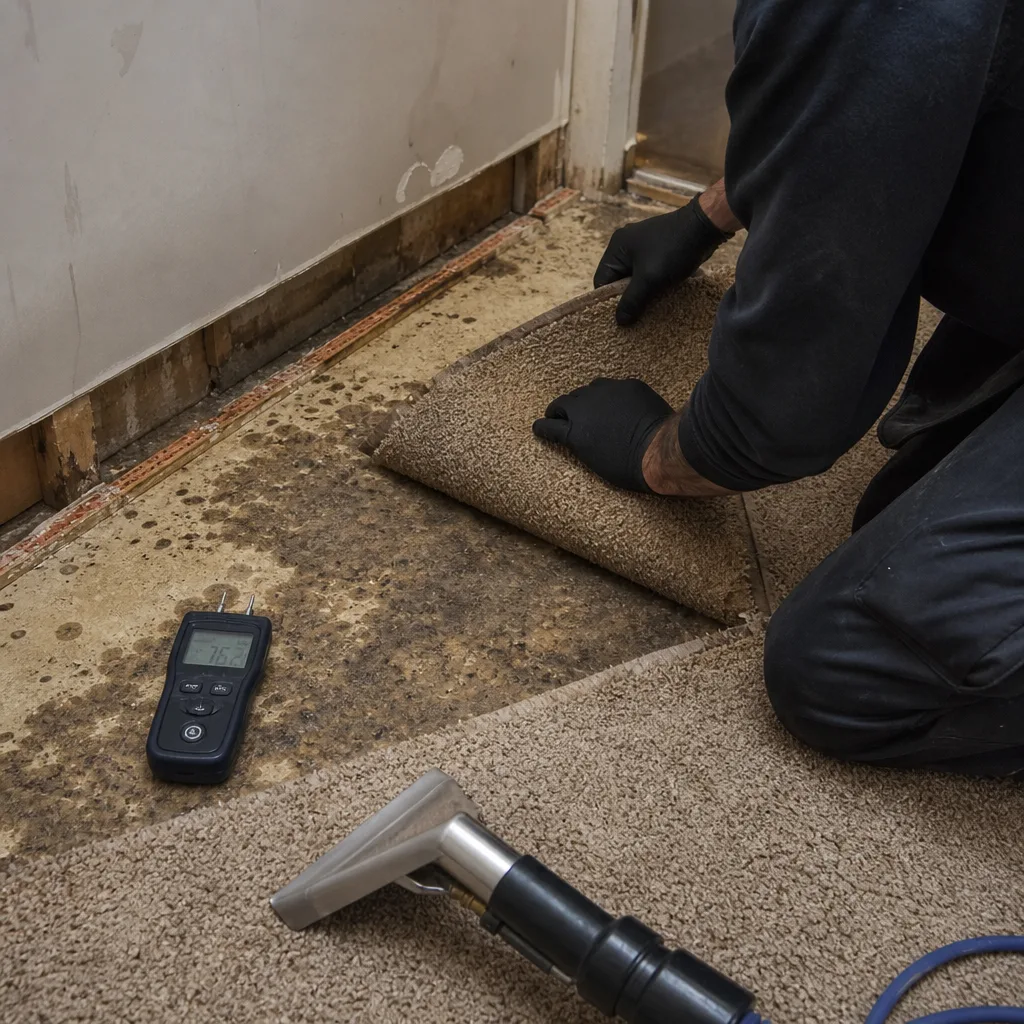
We start with a moisture map of your Tappan property using thermal imaging and hygrometers, identifying every affected material and measuring the actual moisture content of wood, plaster, and masonry. In older homes we check foundation walls separately, because rubble-stone construction reads differently than modern concrete.
Containment & Source Removal
Before any mold is disturbed, we seal the work area with negative air pressure and HEPA-filtered air scrubbers. In Tappan’s tighter colonial rooms this step matters even more, because original wide-plank flooring gaps and balloon-framed wall cavities give spores a path to other rooms.
Drying & Humidity Control
We place professional-grade Dri-Eaz and Phoenix dehumidifiers strategically, adjusting placement and air velocity to match your home’s materials. Lime plaster and rubble-stone foundations get lower-velocity drying with daily moisture logs, because forcing those materials dry too fast creates worse problems than the mold itself.
Cleaning & Sanitization
Every remaining surface gets HEPA vacuuming and antimicrobial treatment appropriate to the material. Horsehair plaster requires different chemistry than drywall, and we don’t use modern gypsum patching compounds on historic surfaces that were never built for them.
Crawl Space & Foundation Treatment
In Tappan homes with original fieldstone foundations and dirt or partially finished crawl spaces, we treat the source of recurring humidity, not just the visible mold. That includes vapor barrier assessment, drainage review, and moisture management tailored to the Sparkill Creek watershed’s effect on low-lying basements.
Clearance & Restoration
After drying reaches IICRC standards, we run clearance testing and hand you the moisture log, the scope of work, and photo documentation. If any materials need replacement or rebuild, the same crew handles it under our 90-Day Done Right Promise, in writing.
Need Emergency Mold Remediation in Tappan Now?
Crews minutes away, answering live 24 hours a day. The sooner we start, the less it costs.
Working With Your Insurance Company
Most Tappan homeowners have mold coverage triggered by a covered water event, and carriers expect documentation from the first hour. Curt Bowman built Floodline Restoration Co. around a dispatch board, not a sales desk, and that shows in how we handle claims. We photograph every affected room before touching anything, take moisture readings on day one and every day after, and write a line-item scope that insurance adjusters recognize as industry standard. Our team communicates directly with your adjuster, answers their questions about historic materials and drying protocols, and bills the carrier directly so the claim moves without you playing messenger.
What We Provide Your Insurer
- Thorough documentation of the loss
- Photos of all damage, room by room
- Moisture readings and drying logs
- A detailed, line-item scope of work
- Direct coordination with your carrier
Built for Tappan’s Loss Calendar
Mold in Tappan doesn’t follow a simple calendar, but it clusters around the same weather patterns year after year. January deep freezes burst supply lines in unheated crawl spaces and mudrooms of older Cape Cods along Western Highway, and water that sat for days behind closed walls surfaces as mold by late winter. Spring thaw in the Sparkill Creek watershed pushes groundwater into low-lying basements throughout the hamlet, especially where original rubble-stone foundations meet rising water tables. Summer thunderstorms drop flash flooding quickly in Tappan’s valley terrain, and the persistent valley fog keeps relative humidity high, which slows structural drying compared to more exposed Rockland County sites. Autumn nor’easters and remnant tropical systems, like the ones that hit during Irene and Sandy, flood basements and crawl spaces, and the mold problems show up weeks later. The common thread is water that stayed longer than it should have. Our Mold Remediation team reads moisture history on every Tappan job, not just the visible mold.
Mold Remediation Across Tappan’s Neighborhoods
The historic district along Main Street and Oak Tree Road holds the hamlet’s oldest structures, some dating to the late 1600s, and those jobs demand the most careful handling, because horsehair plaster and lime mortar don’t respond to modern drying techniques predictably. The mid-century Cape Cods and ranches that spread through the side streets off Washington Street and along Western Highway present a different set of issues: crawl spaces that were never properly ventilated, older HVAC ductwork that circulated moisture instead of removing it, and finished basements with drywall installed directly against masonry. Over near the Palisades edge of town, where homes sit on higher, rockier ground, we see less groundwater intrusion but more condensation issues inside exterior walls. And in the lower-lying sections near the Sparkill Creek, basement and crawl space mold is a recurring battle in wet seasons. Every Tappan neighborhood has its own pattern, and our crews know them because we work Mold Remediation in Tappan homes week after week, not as an occasional drive-in from somewhere else.
Specialized Mold Remediation Services We Offer in Tappan
Mold Inspection & Testing
If you suspect mold but can’t see it, or if you’re buying or selling a Tappan property and need documentation, we run a full inspection with moisture mapping, thermal imaging, and lab analysis where needed. In older homes we pay particular attention to foundation walls and concealed cavities that generic inspectors skip, because that’s where Tappan’s moisture problems actually hide.
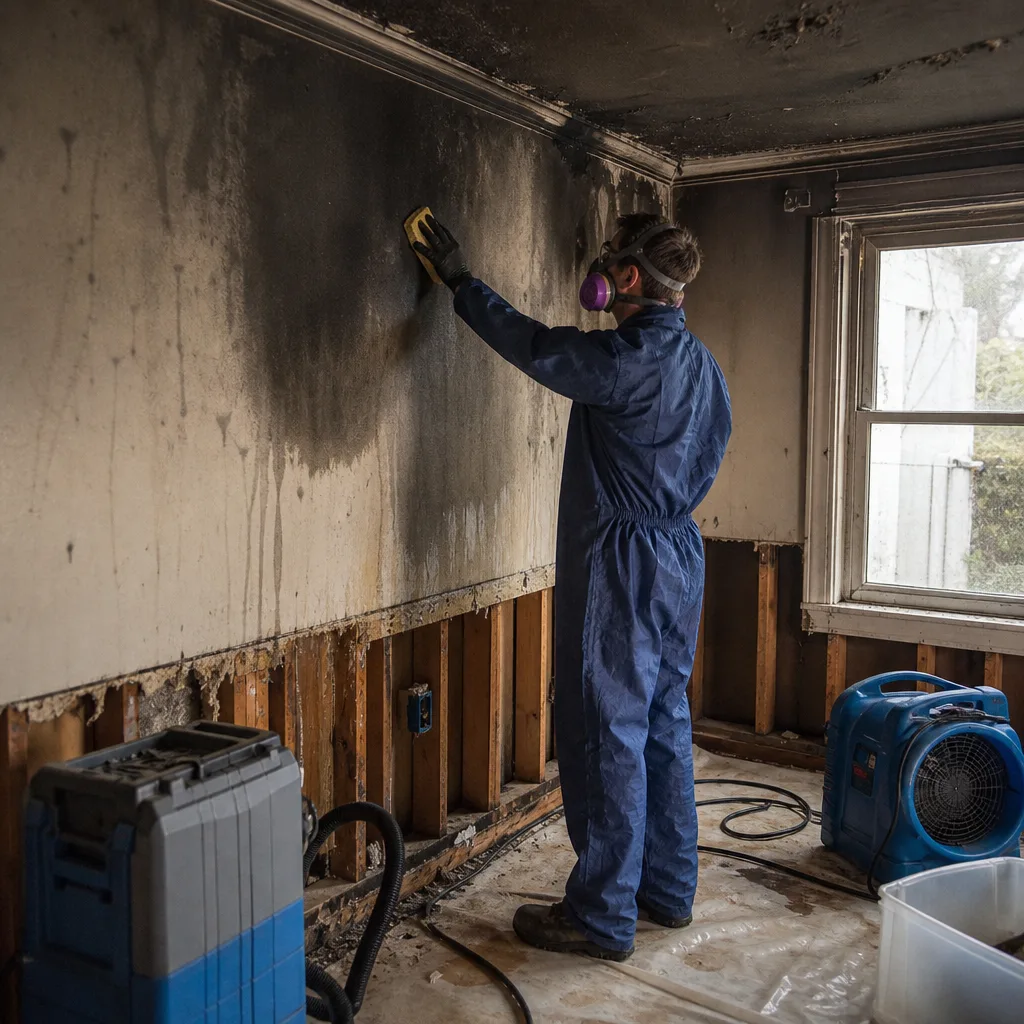
Mold Removal
Removing mold from Tappan’s older building materials means more than cutting and replacing drywall. We remove contaminated materials carefully, clean what can be saved, and never patch historic plaster with modern gypsum compounds that fail to bond and leave moisture traps behind.
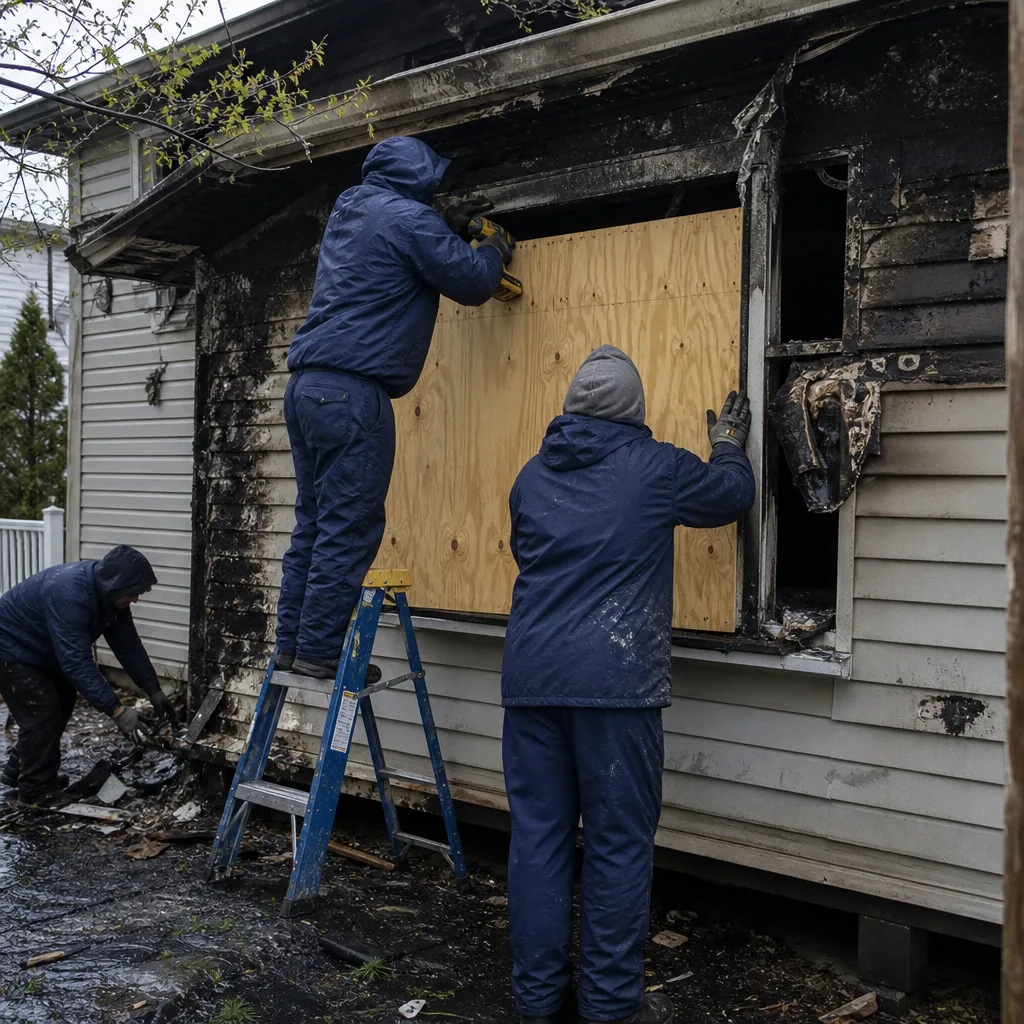
Black Mold Remediation
Stachybotrys, or black mold, grows where cellulose materials stay wet for extended periods, and Tappan’s valley humidity gives it favorable conditions in old wood lath, original plank flooring, and damp wall cavities. Our containment and HEPA air scrubbing protocols are built around safely removing it without spreading spores into living space.
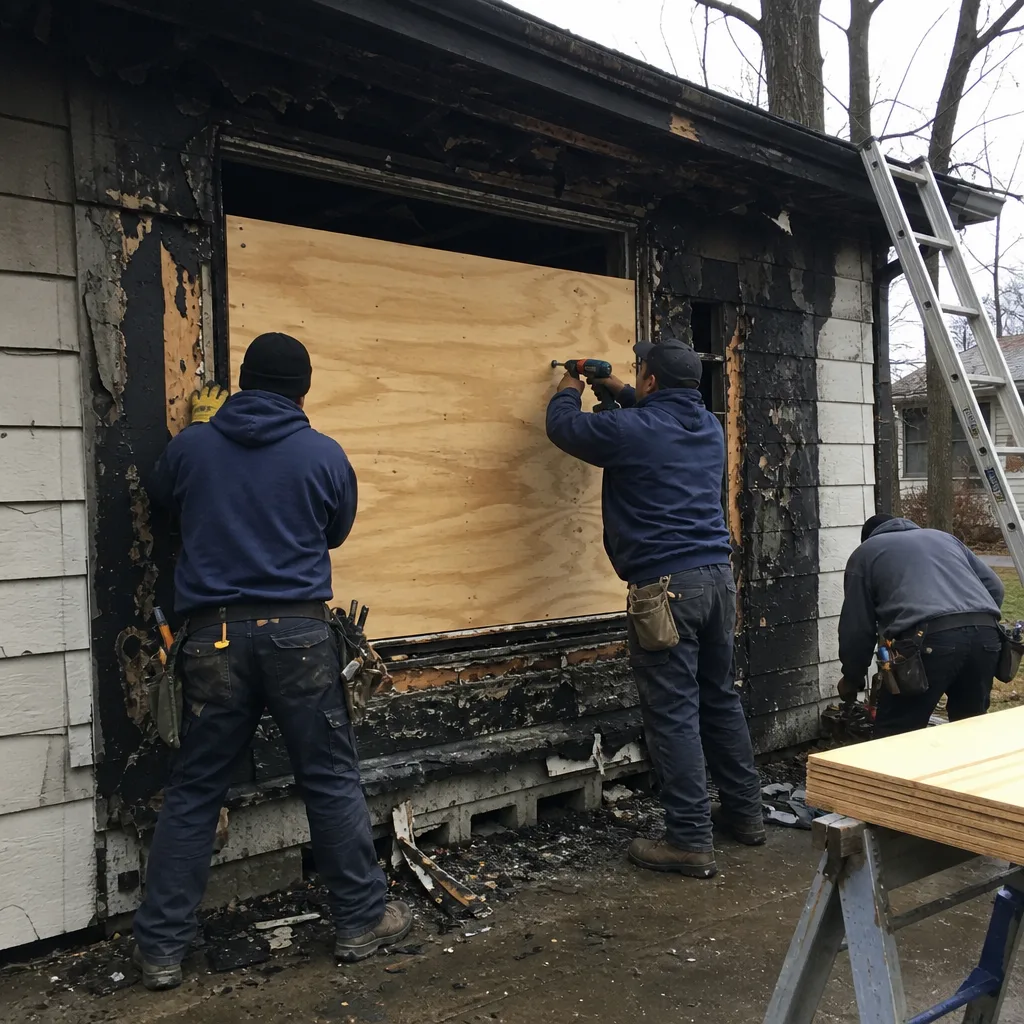
Air Quality Restoration
Mold spores stay airborne after visible mold is gone, especially in tight older rooms without modern mechanical ventilation. We scrub the air with HEPA filtration throughout the remediation process and verify clearance at the end, making sure your Tappan home’s air is clean, not just looking clean.
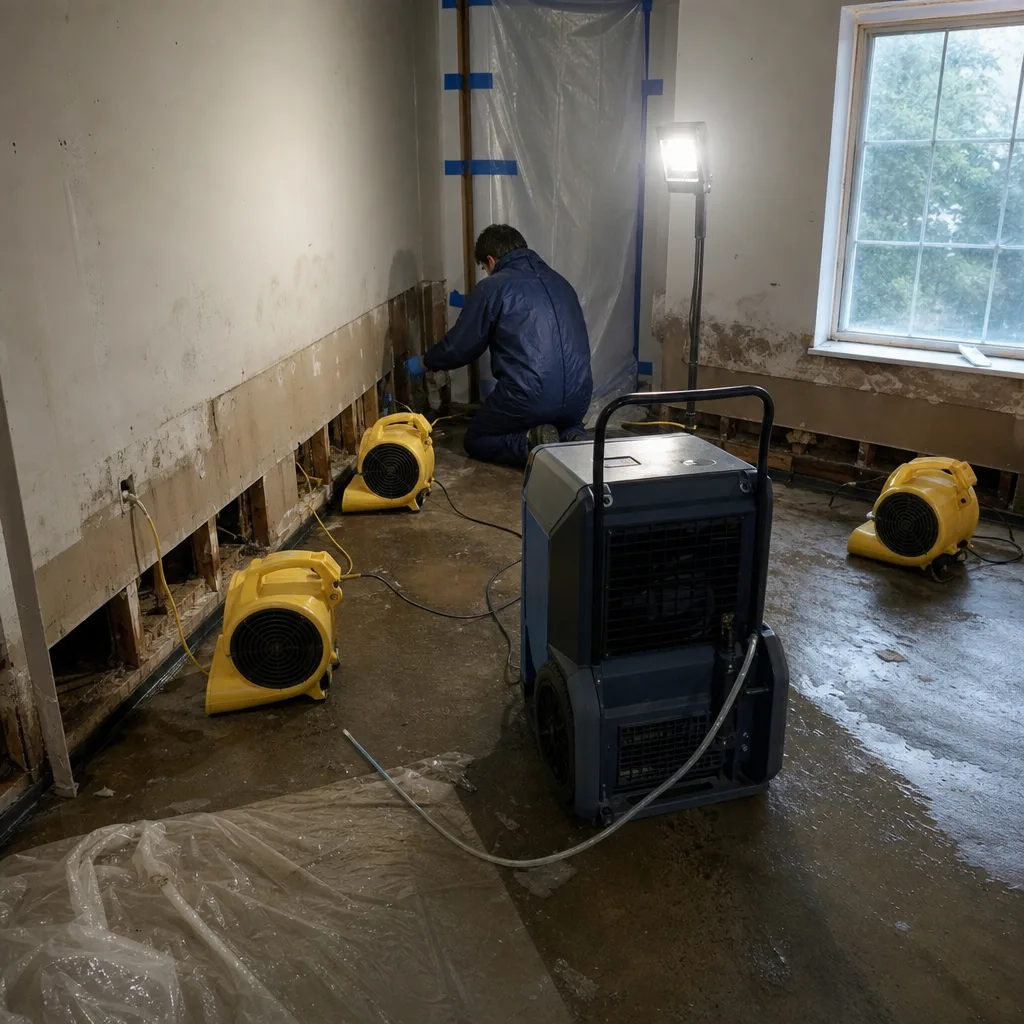
Crawl Space Treatment
Tappan homes with dirt or thin concrete crawl spaces are mold repeat offenders. We address the source: vapor barriers, encapsulation, drainage corrections, and humidity control rated for the Sparkill Creek watershed’s effect on low-lying properties. Treating a crawl space without fixing what makes it wet just sells the same problem twice.
What happens when you call
- 1
A real person answersNo phone trees - you reach a local pro.
- 2
You get an upfront price rangeHonest numbers before anyone is dispatched.
- 3
A background-checked tech heads outLicensed & insured, dispatched right away.
- 4
You approve before work beginsNothing starts until you say go.
Mold Remediation Costs in Tappan, NY
Mold remediation in Tappan typically runs $2,200 to $8,500 for most residential jobs, with small contained issues like a closet or bathroom starting around $1,200 and whole-basement projects in older homes reaching $12,000 or more when structural drying of rubble-stone foundations and historic plaster repair are involved. A typical crawl space treatment in Tappan runs $3,500 to $7,000 depending on square footage and whether encapsulation is needed. Mold inspection and testing with lab analysis runs $350 to $800. What moves the price most is building age and material type: lime plaster, hand-hewn joists, and fieldstone foundations almost always cost more to dry and clean correctly than modern drywall, and doing it wrong costs far more later. Many Tappan homeowners find their policy covers remediation when the mold traces to a covered water event, and our team handles the adjuster communication so you know what’s covered before work begins. Call (914) 935-7914 for a free visual inspection and a firm written scope, no obligation.
We Also Serve Cities Near Tappan
Floodline Restoration Co. crews serve Tappan and the surrounding Rockland County communities, including Orangeburg, Blauvelt, Pearl River, and Nanuet. Wherever you are in the area, the same certified team answers and the same written guarantee applies.
Tappan Mold Remediation Questions, Answered
How do 2-foot-thick rubble-stone walls affect mold remediation timelines in Tappan’s historic homes?
Rubble-stone walls absorb and release moisture on a slow, weeks-long cycle, which means structural drying takes longer than in homes with modern poured concrete foundations. We use lower-velocity air movers and daily moisture mapping to protect lime mortar joints while drying reaches the IICRC standard without cracking the masonry.
Does mold removal in Tappan’s horsehair plaster require different containment than in modern drywall?
Yes. Horsehair plaster over lath has more gaps and irregular surfaces than drywall, so containment sealing must be more meticulous, and the plaster holds moisture in pockets that need slower, deeper drying. We adjust negative-air pressure and HEPA scrubber placement to match the room’s actual construction.
Can black mold remediation in a Tappan colonial home trigger New York SHPO review?
In some cases, yes. If the home is within the historic district or individually listed, remediation work that affects character-defining materials, such as original plaster or wide-plank flooring, may require review by the New York State Historic Preservation Office. Our crews document everything and coordinate with preservation requirements before disturbing historic surfaces.
Why does Tappan’s valley fog slow down mold remediation drying logs compared to higher elevations in Rockland County?
Valley fog keeps relative humidity persistently high in Tappan, especially around the Sparkill Creek corridor, which means ambient air holds less capacity to absorb moisture from building materials. Our drying plans compensate with more desiccant dehumidification and longer equipment runtime than a Pearl River or Nanuet job might require.
How do you handle crawl space treatment in Tappan homes with original rubble-stone foundations?
We first map the moisture source, then treat the crawl space as a system: vapor barrier placement, drainage correction where needed, and humidity control calibrated to the foundation’s moisture cycle. We never apply standard crawl space encapsulations without accounting for how the rubble-stone walls breathe.
How fast can you get to a Tappan home for mold remediation?
Most Tappan calls see a certified crew within the hour, around the clock. Our dispatch board connects you to a live person immediately, and the nearest available team is routed to your address that same visit. Call (914) 935-7914 any time, day or night.
Will insurance cover mold remediation in Tappan?
Coverage depends on the source. If mold traces to a covered water event, like a burst pipe or storm-driven water intrusion, most Tappan homeowners find their policy covers remediation. We document everything from the first hour and communicate with your adjuster directly so you know where you stand before work starts.
What should I do in the first 30 minutes after I find mold in my Tappan home?
Stop the water source if you safely can, shut off HVAC to avoid spreading spores through the system, and keep foot traffic away from the area. Then call us at (914) 935-7914 for guidance, and don’t disturb the mold or attempt to clean it yourself. Disturbing it spreads spores and makes remediation larger and costlier.
The Tappan-Specific Drying Protocol
In Tappan’s colonial-era homes, aggressive drying of 2-foot-thick rubble-stone foundation walls with standard desiccant or LGR dehumidifiers can crack lime mortar joints, turning a mold remediation job into a structural repair. This risk is virtually absent in neighboring suburban towns like Pearl River, where foundations are poured concrete and walls respond to airflow calculations the way equipment manuals predict. Here, we do something different. We read the masonry moisture separately from the framing moisture, we set lower-velocity air movement across stone surfaces, and we extend equipment runtime while monitoring the lime mortar daily. The goal is pre-loss condition without cracking a single joint. That’s the standard we hold ourselves to, and it’s written into our 90-Day Done Right Promise.
On a mold remediation job in Tappan’s Historic District, our crew encountered water damage in a 1700s stone home where the moisture readings on the rubble-stone foundation walls kept climbing days after initial water extraction. We adjusted our structural drying plan with lower-velocity air movers and daily moisture mapping to protect the lime mortar, eventually reaching pre-loss condition without cracking a single joint. That job is the reason we start every Tappan inspection by identifying what the walls are made of before we place a single piece of equipment.
Serving Tappan, NY - Our Local Coverage Area
We’re based in the Tappan area and know this community well. Use the map below to see our service coverage - if you’re nearby, we can almost certainly help.
Why Historic Materials Matter in Tappan Mold Remediation
Standard mold remediation playbooks assume modern building materials, and applying them to Tappan’s older homes creates failures that no one catches until the smell returns. The first common failure is using standard dehumidifier placement calculations that ignore the moisture absorption cycles of 2-foot-thick rubble-stone walls. The equipment runs, the logs look fine, and hidden mold regrows because the stone kept releasing water for weeks after the surface read dry. The second failure is applying modern gypsum-based patching compounds to horsehair plaster, which fails to bond and leaves moisture pockets behind the patch. The third is skipping containment in Tappan’s tight colonial-era rooms, allowing mold spores to spread through original wide-plank flooring gaps and balloon-framed wall cavities before anyone realizes the problem. We train our crews specifically on these Tappan failure modes because they are the difference between a job that holds and a job that haunts the homeowner a year later.
Tappan is one of the oldest continuously settled hamlets in New York State, with a documented historic district containing structures dating to the late 1600s and 1700s. Damage restoration contractors here routinely encounter fieldstone foundations set in lime mortar, hand-hewn post-and-beam frames, and horsehair plaster, all of which demand historic-preservation-sensitive protocols and can trigger New York SHPO review. That layer of complexity is virtually absent in the newer suburban towns surrounding Tappan in Rockland County, and it’s why we approach every Tappan job as its own animal. You can’t template your way through a 300-year-old house.
This Tappan page gives you the exact moisture-drying adjustments and historic-material protocols our crews follow for colonial rubble-stone, horsehair plaster, and lime mortar. It’s the kind of detail a generic mold remediation page never covers, because it comes from working Tappan homes directly, reading their moisture maps, and adjusting to what the building actually is. If your home predates the Eisenhower administration, you need a crew that knows what that means. Call (914) 935-7914 for a free visual inspection, and we’ll tell you plainly what needs doing and what it will cost, in writing.
Written by Curt Bowman, Owner at Floodline Restoration Co., serving Tappan and all of Rockland County.