

Free visual inspection and a written scope of work before any mitigation begins - photos, moisture readings, and drying logs go in your claim file
The scope we write is the scope we bill. Anything new gets shown to you, in writing, before we touch it.
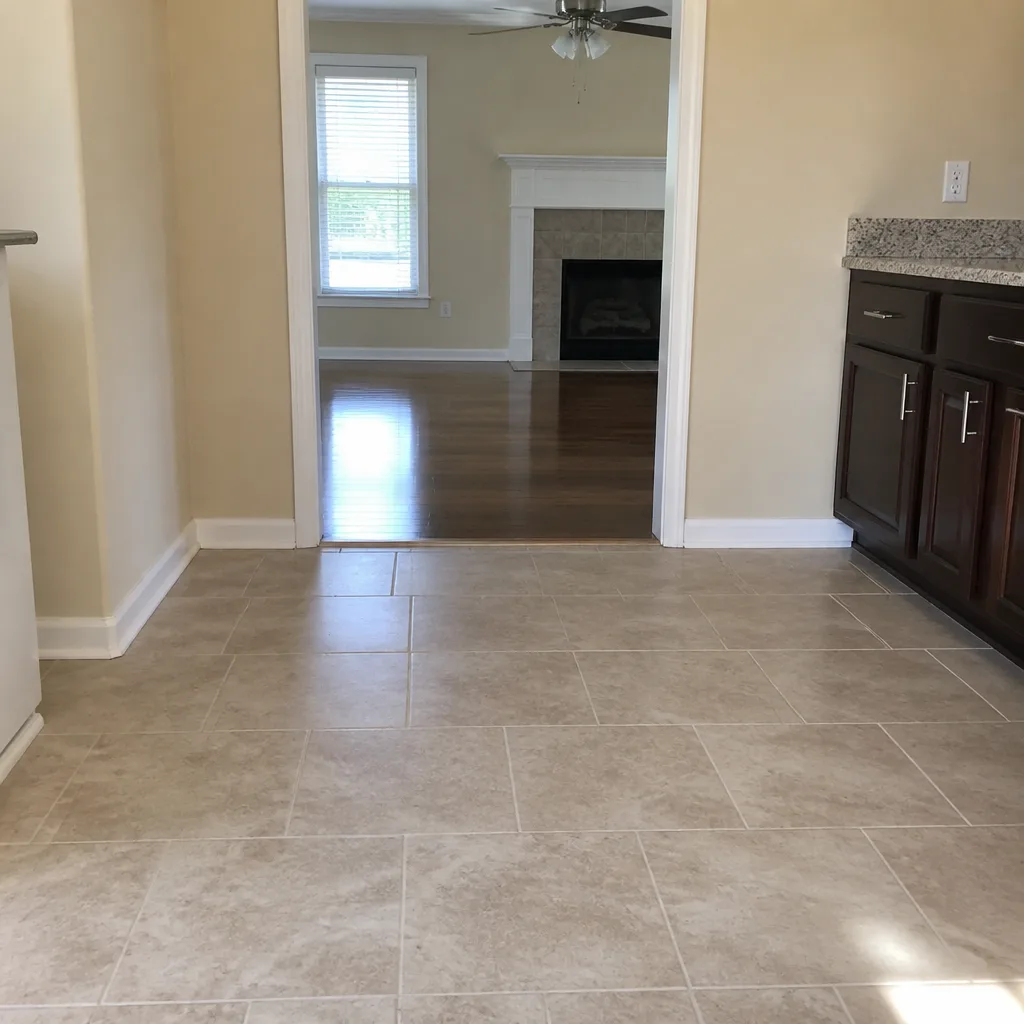
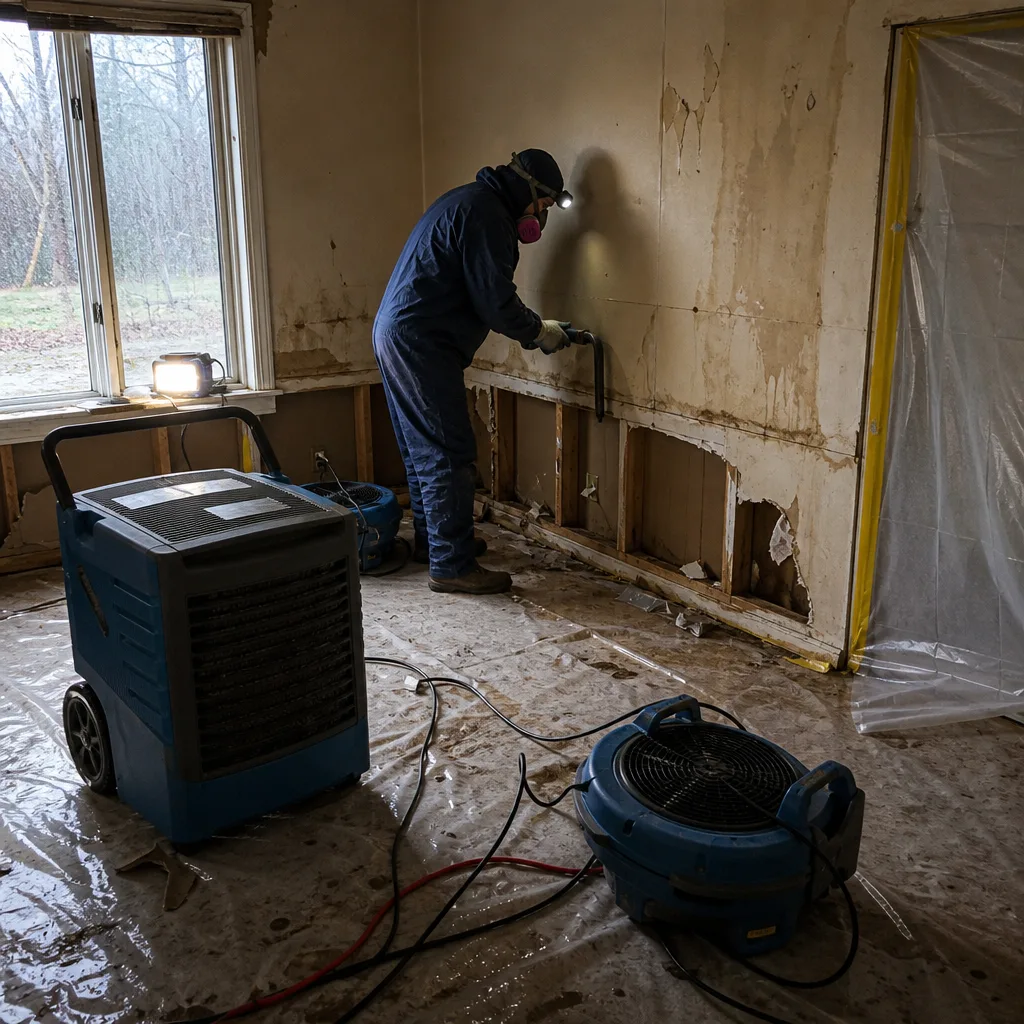 Before
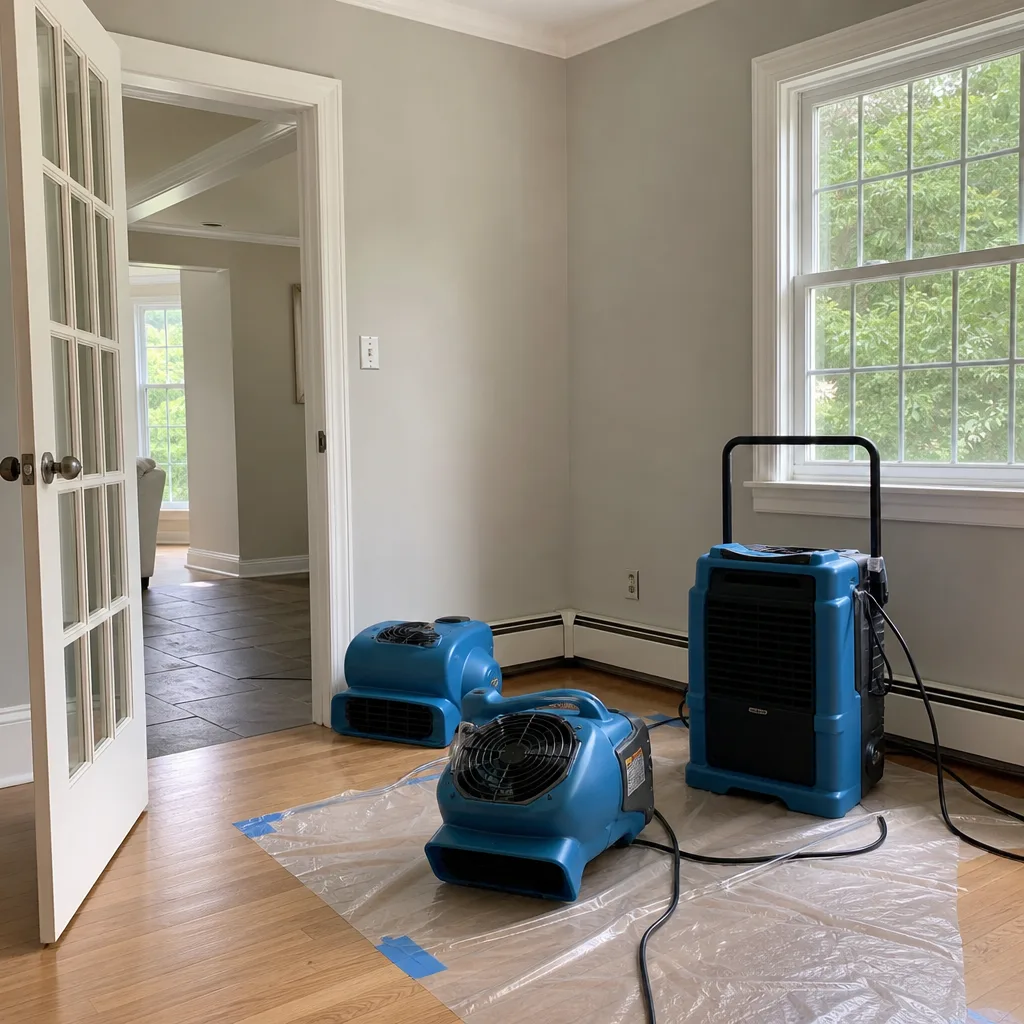 After
After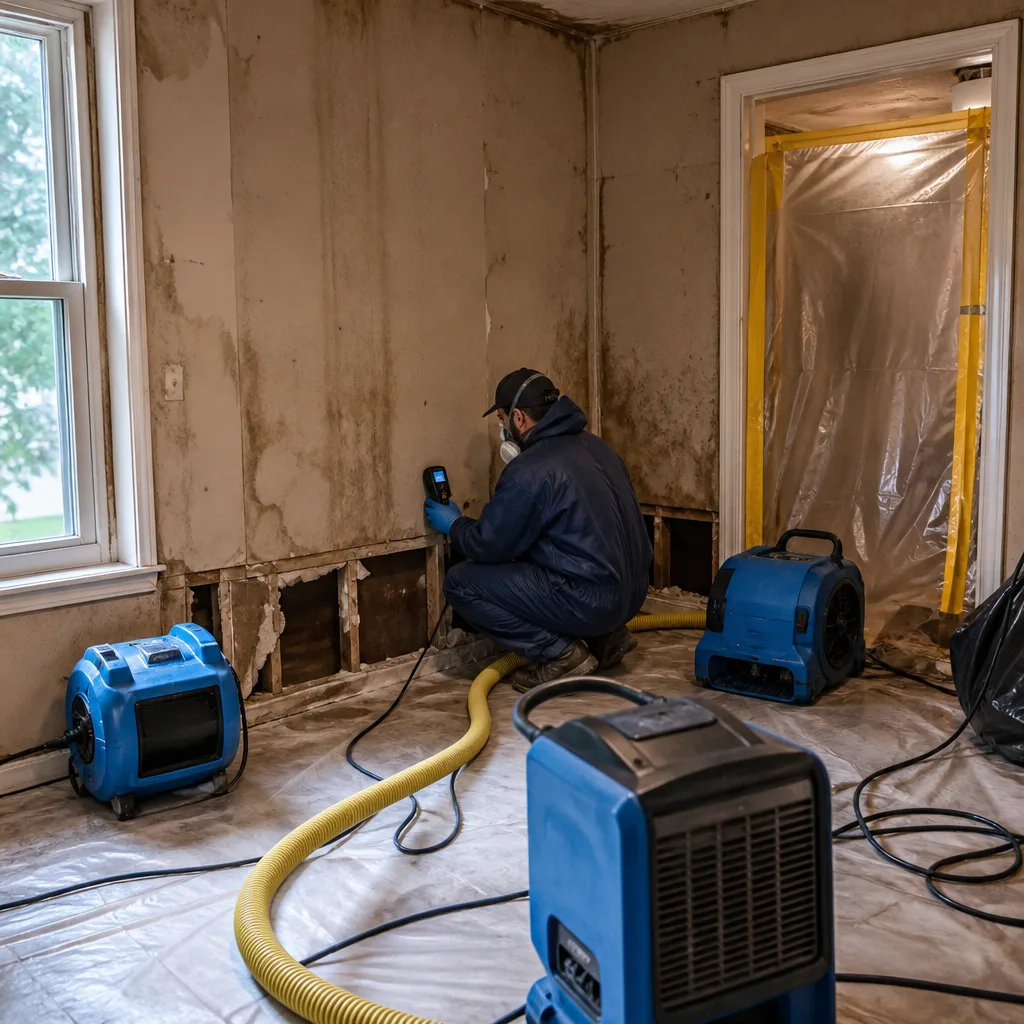 Before
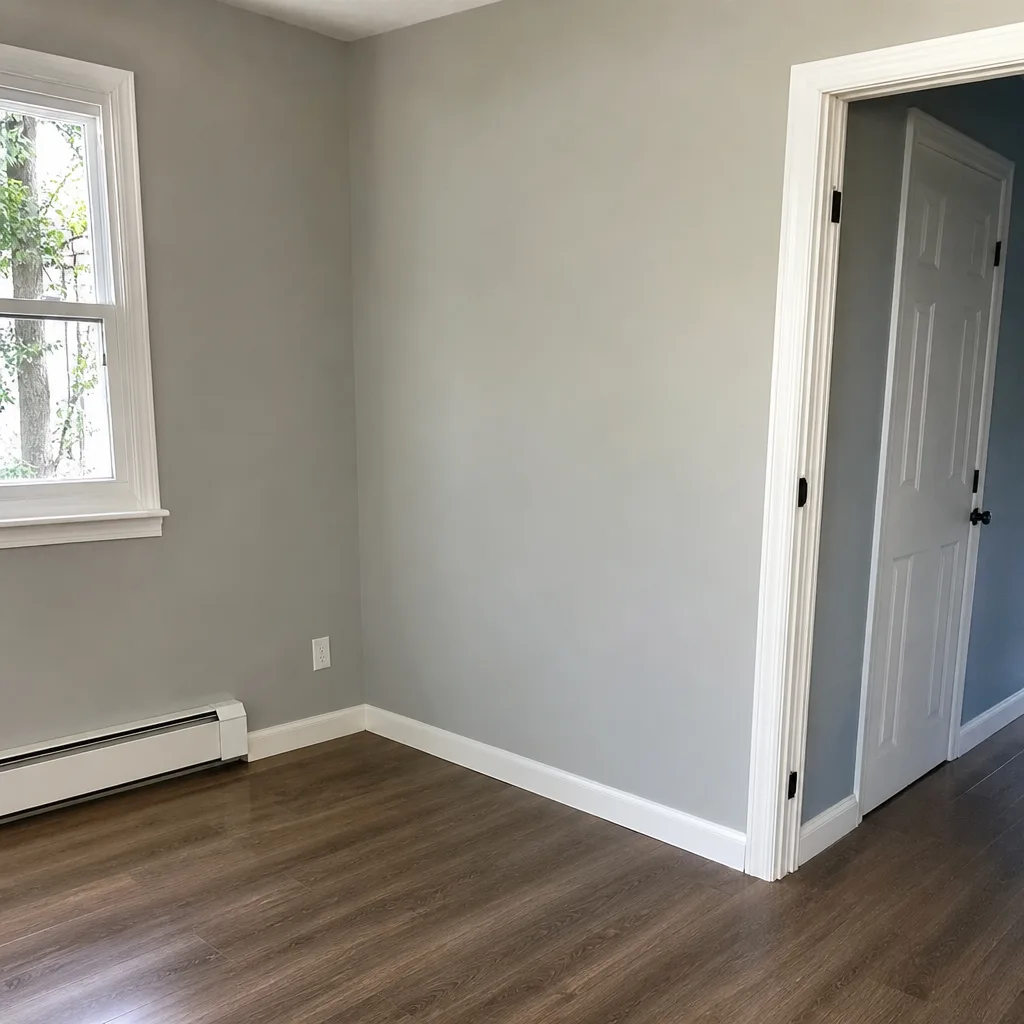 After
After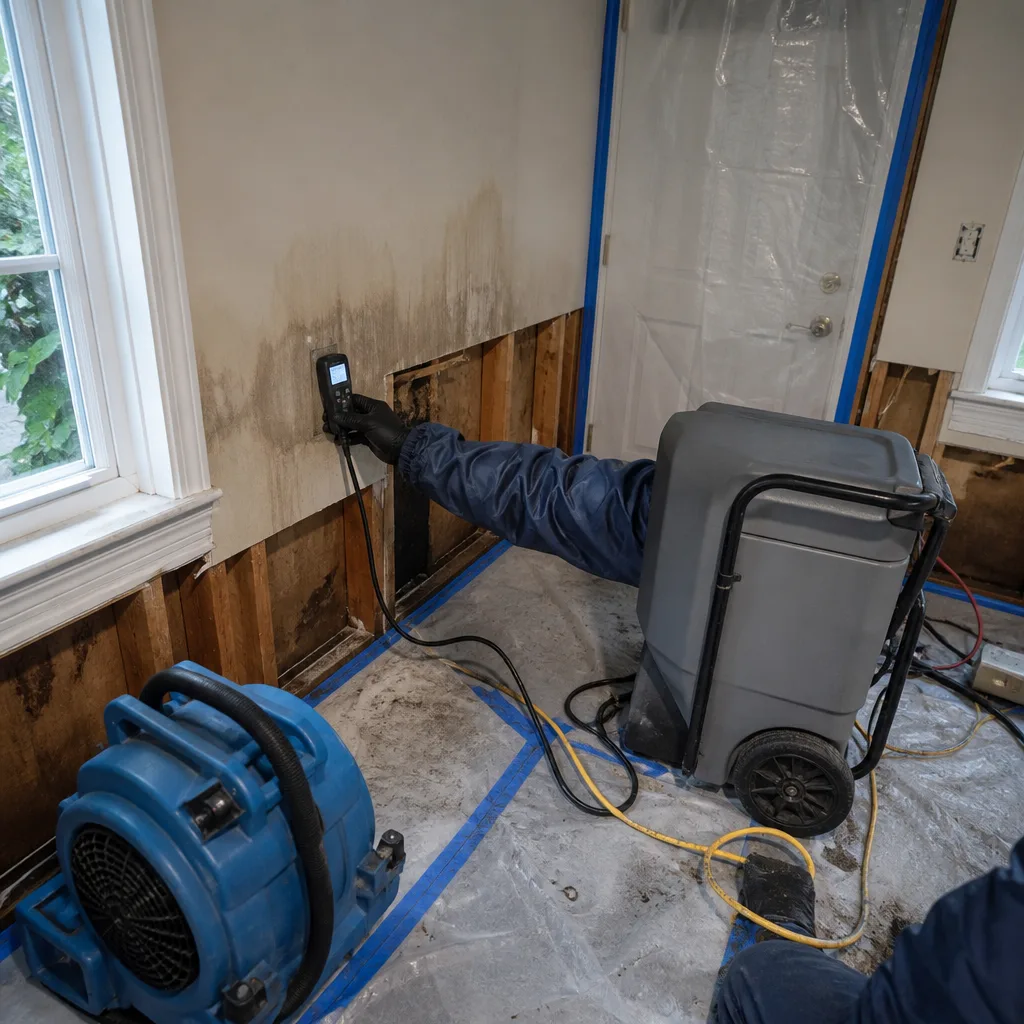 Before
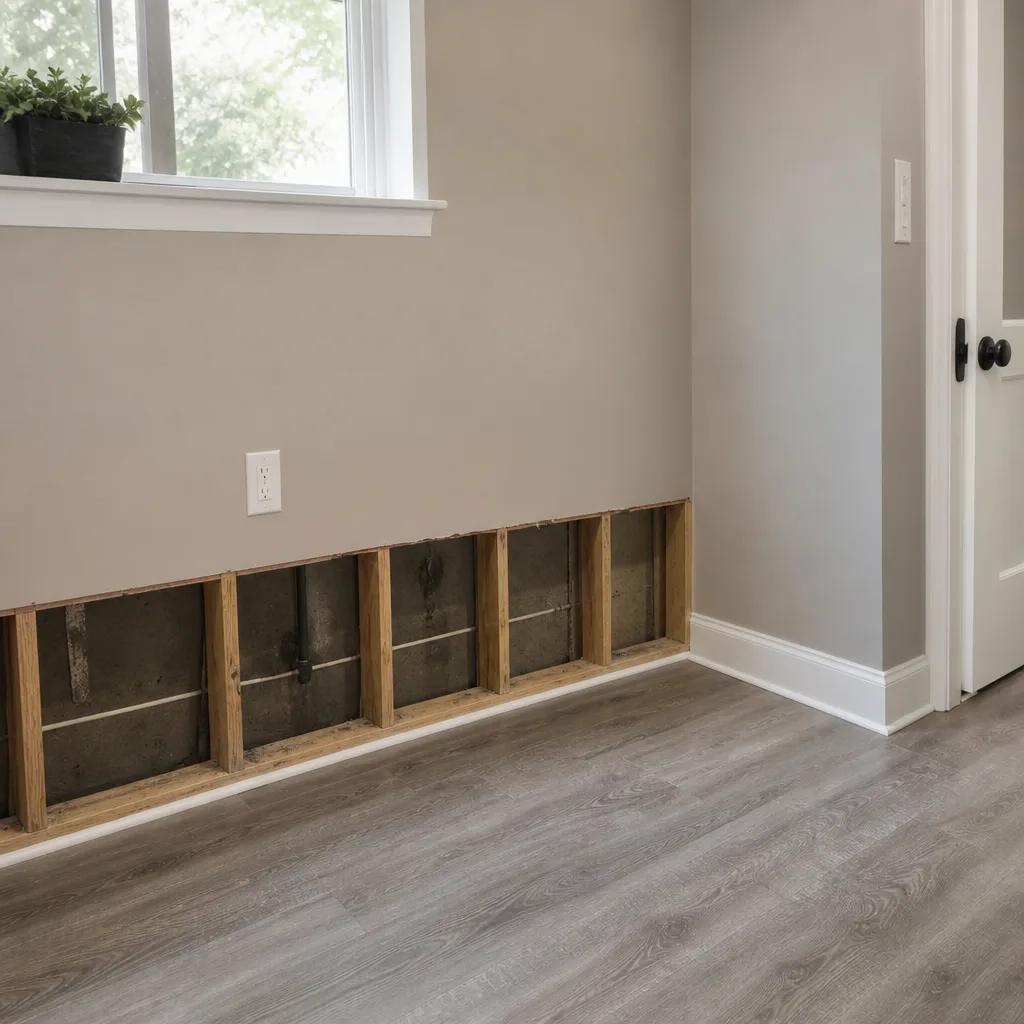 After
After24/7 Emergency Water Damage Restoration in Northvale
Water damage restoration in Northvale moves on a clock that starts the moment water enters a basement. Call (914) 935-7914 and a live dispatcher answers, day or night. Not a recording. A person who can have a certified crew headed to Paris Avenue, Livingston Street, or a side street off White Avenue within 45 minutes. The first hour matters because water does not sit still, it wicks through drywall, saturates insulation, and soaks into the original hardwood flooring common in Northvale’s 1950s and 1960s homes. Every hour of delay adds to the dry-out time and the repair budget. We do a free visual inspection on arrival, explain what we’re seeing in plain language, and start extraction the same visit whenever conditions allow. The line the water left is where we start.
Understanding Water Damage Restoration Severity in Northvale Properties
Water damage gets classified three ways. Category 1 is clean water, from a burst supply line or an overflowing bathtub. Category 2 carries contamination, think sump-pump backflow or washing machine discharge that’s been sitting. Category 3 is grossly unsanitary, sewage, river water, groundwater carrying soil bacteria. In Northvale, the classification almost always hinges on one question: is the water coming up through the floor or in through a pipe? Groundwater entering through foundation seams and floor cracks is almost never Category 1, because it’s picked up whatever’s in the soil between the street and the house. We moisture-map every job with hygrometers and thermal imaging before we write a drying plan. That matters in Northvale specifically, because the 1950s wall assemblies in these split-levels and Cape Cods use old fiberglass building paper that holds moisture long after the drywall surface tests dry. A crew without that local experience pulls equipment too early. We don’t. Daily readings continue until the dry standard is met and logged.
Why Northvale Property Owners Choose Floodline Restoration Co.
- 45-minute response commitment. We dispatch from a board, not a sales desk, and a Northvale crew typically arrives within 45 minutes of a call.
- 24/7 live answer. A real person picks up at two in the morning, every day of the year. You’ll never leave a voicemail during an emergency.
- IICRC-certified crews. Our technicians hold WRT and ASD certifications and train to IICRC, RIA, and IFA standards. Background-checked and uniformed on every job.
- Free visual inspection. We assess the damage and explain what needs to happen before any equipment comes off the truck.
- Direct insurance billing. We coordinate with your carrier and bill directly. You’re never the messenger between us and the adjuster.
- One team from extraction to reconstruction. The same crew that pulls the water rebuilds the wall. No mid-job handoff, no inherited crew, no finger-pointing.
Our Water Damage Restoration Process
Inspection & Assessment
We walk the basement, check the foundation, and thermal-scan the walls and floor. Moisture readings are taken at the first visit and mapped to a written scope. In Northvale, we pay close attention to below-grade wall assemblies and original cast-iron drain lines.
Extraction & Stabilization
We remove standing water with professional-grade extraction units. For groundwater intrusion, we also check the foundation perimeter and sump condition so extraction isn’t fighting a still-rising water table.
Drying & Dehumidification
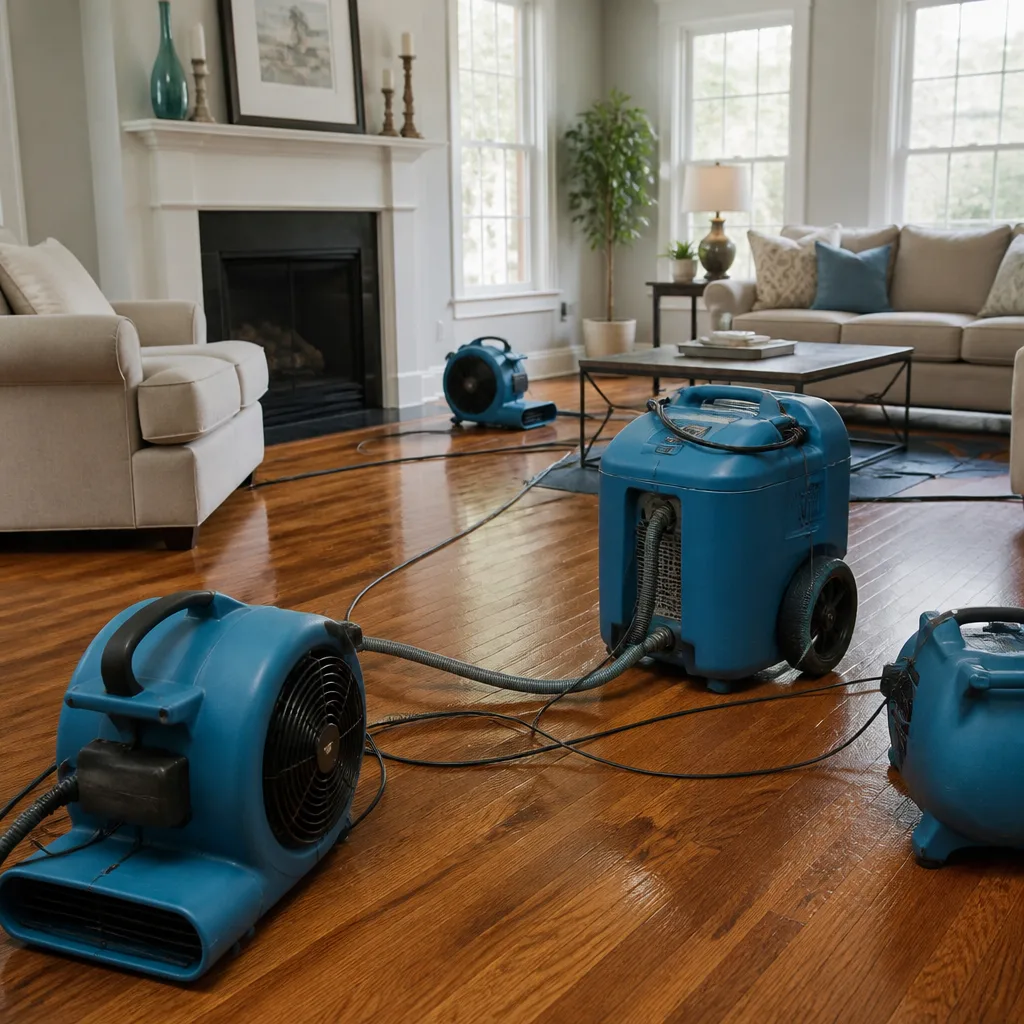
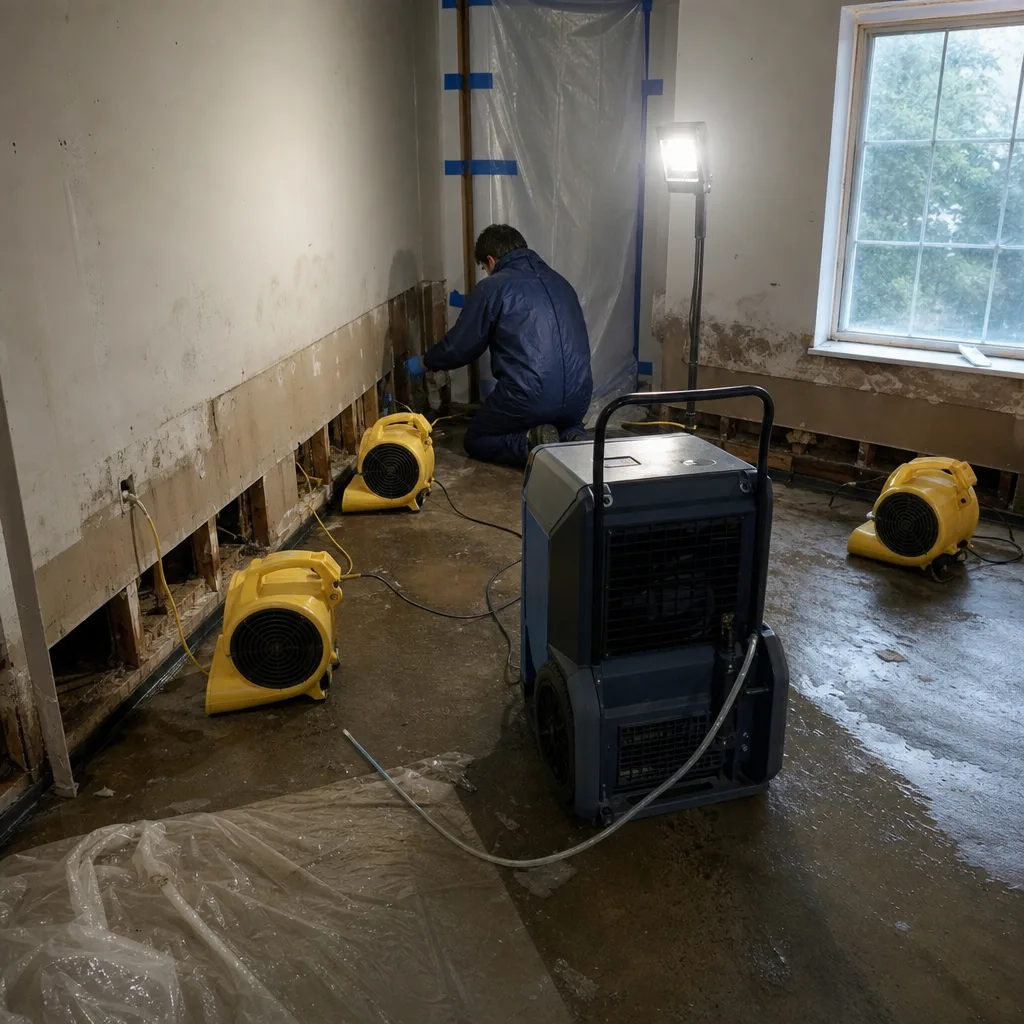
Air movers and dehumidifiers like Dri-Eaz and Phoenix units are placed based on the moisture map, not a one-size layout. Injectidry floor mat systems pull water from hardwood and subfloors in finished basements.
Cleaning & Sanitization
We clean affected surfaces with appropriate antimicrobial treatments, particularly when groundwater or sewer backup is involved. HEPA air scrubbers run during demolition and cleaning to control spores and particulates.
Structural Drying Verification
Daily moisture readings are logged, and we do a final thermal scan before declaring the structure dry. That log goes to you and your carrier. No guesswork, no premature equipment removal.
Repairs & Restoration
The same crew handles drywall replacement, trim, flooring, and painting. If the damage came through an old floor drain or failed cast-iron pipe, we scope that repair properly rather than patching over the cause.
Need Emergency Water Damage Restoration in Northvale Now?
Crews minutes away, answering live 24 hours a day. The sooner we start, the less it costs.
Working With Your Insurance Company
Most Northvale homeowners have water damage coverage, but the claim only goes smoothly when the documentation is solid from the first hour. We photograph everything, room by room, before we touch a wall. Moisture readings and drying logs are kept daily and shared with your adjuster. Our estimates use industry-standard line-item pricing that carriers recognize, which keeps the back-and-forth to a minimum. You hired us to fix the house, not to negotiate a claim. We handle the adjuster communication directly.
What We Provide Your Insurer
- Thorough documentation of the loss
- Photos of all damage, room by room
- Moisture readings and drying logs
- A detailed, line-item scope of work
- Direct coordination with your carrier
Built for Northvale’s Loss Calendar
Northvale’s water damage season does not really end. January and February bring deep freezes that burst supply lines in unheated crawlspaces and along exterior walls of 1950s ranches. March and April bring snowmelt and spring rain, which saturate the ground and push groundwater into the lowest-lying basements in the borough. Summer thunderstorms drop an inch of rain in an hour, overwhelming old footing drains and sending water through floor cracks. Then come the nor’easters in fall and early winter. Northvale’s position at the bottom of the Pascack Brook watershed means every one of these events funnels runoff toward the same low-lying neighborhoods. Homeowners who wait for standing water to appear at street level often already have water working through basement drywall. We schedule around this calendar, not around it. Crews stay staged and ready for the first hard freeze in January and the first tropical remnant in August.
Water Damage Restoration Across Northvale’s Neighborhoods
Northvale is small, just over one square mile, but the loss patterns shift block to block. The residential streets off Tappan Road, mostly 1950s and 1960s split-levels and Cape Cods, see the classic groundwater-in-the-finished-basement scenario: damp carpet first, then wicking drywall, then the realization that the original cast-iron floor drain has failed. The Paris Avenue corridor, including the split-level from our field vignette, sits close enough to the borough’s low point that basement water shows up before water is visible at the curb. The Livingston Street and River Road commercial corridor is a different animal entirely, flat-roofed warehouses and light-industrial buildings where ponding roofs saturate steel decking and spray-foam insulation in ways that standard moisture meters miss. And the older homes near the Northvale Public School on Paris Avenue tend to have the deepest basements and the most original drain plumbing still in service. One square mile, but four distinct response plans.
Last fall, our crew responded to a split-level on Paris Avenue where a nor’easter had driven groundwater into a finished basement through a deteriorated cast-iron floor drain. The homeowners called after noticing damp carpet, but by then moisture readings showed water had wicked 18 inches up the drywall. We set up containment, extracted category 2 water, and ran Injectidry floor mat drying and air movers for four days, hitting pre-loss moisture levels before mold could take hold.
Specialized Water Damage Restoration Services We Offer in Northvale
Basement Water Removal
Most Northvale water damage starts below grade. We extract standing water from finished and unfinished basements, then address the source, whether it’s a failed sump, a cracked floor, or groundwater pushing through foundation seams. This is the service we run most often in the borough, and we’ve seen every variation of Northvale’s 1950s and 1960s basement construction.
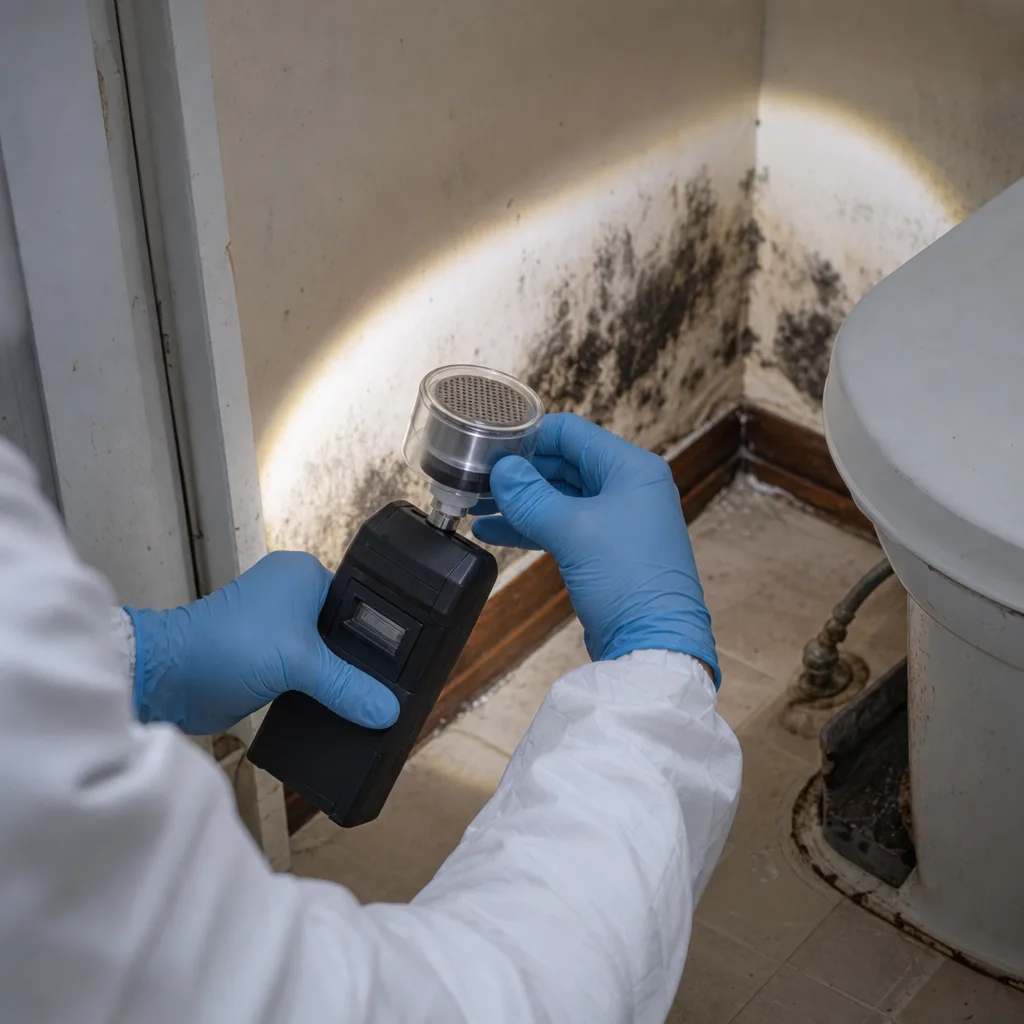
Structural Drying & Dehumidification
Extraction is only half the job. The water you can’t see, inside drywall, under hardwood, behind baseboards, does the real damage. We run Dri-Eaz and Phoenix dehumidifiers alongside XPOWER and B-Air air movers, placed according to a moisture map, not a guess. In Northvale’s mid-century wall assemblies, we know the old fiberglass building paper holds moisture longer than surface readings suggest, so drying plans run longer here than in newer construction.
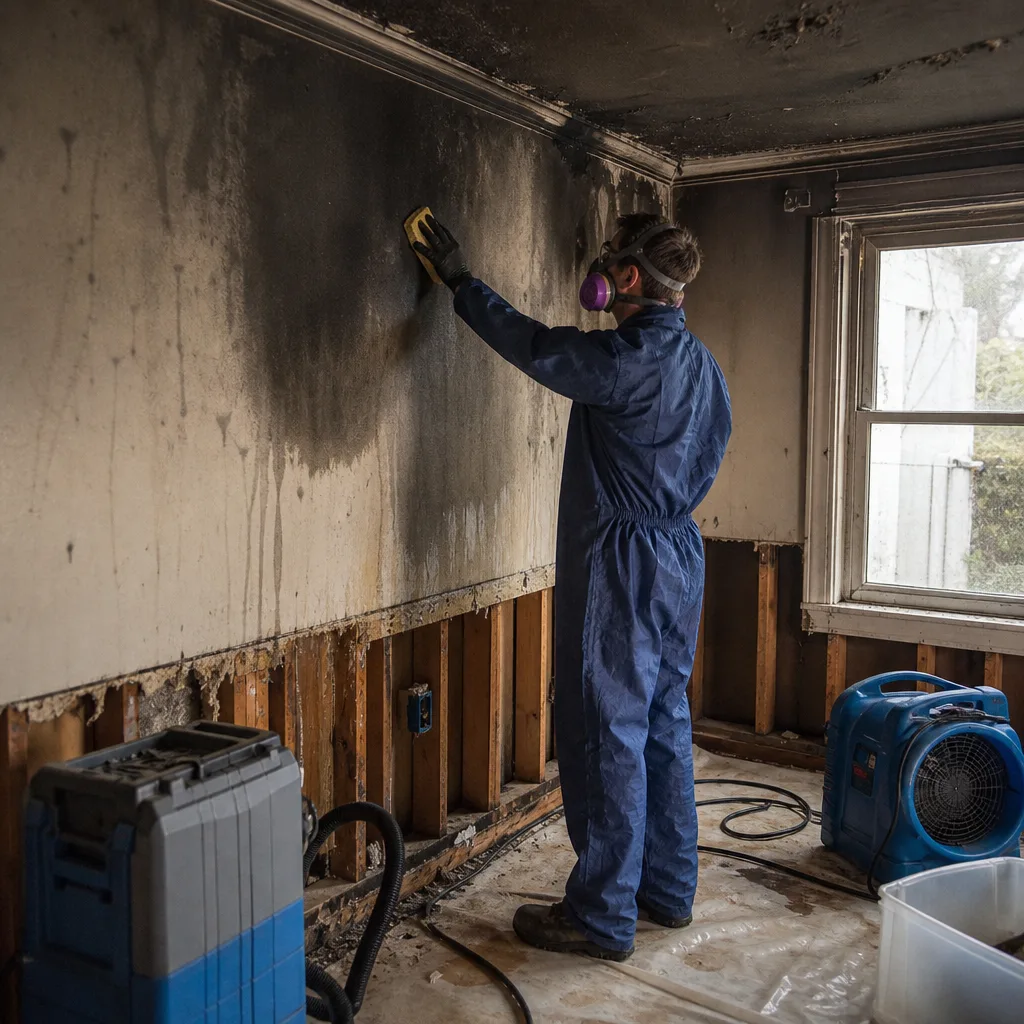
Ceiling & Roof Leak Water Damage
Flat-roofed commercial buildings along River Road and Livingston Street pond water after heavy rain, saturating steel roof decking and that retrofitted spray foam that looks dry on the surface. We thermal-scan those roof assemblies on day two or three to find concealed saturation before writing a drying plan. For residential pitched roofs, the damage usually shows up as ceiling stains or drips, and we trace the water path before repairing the ceiling so the next rain doesn’t undo the work.
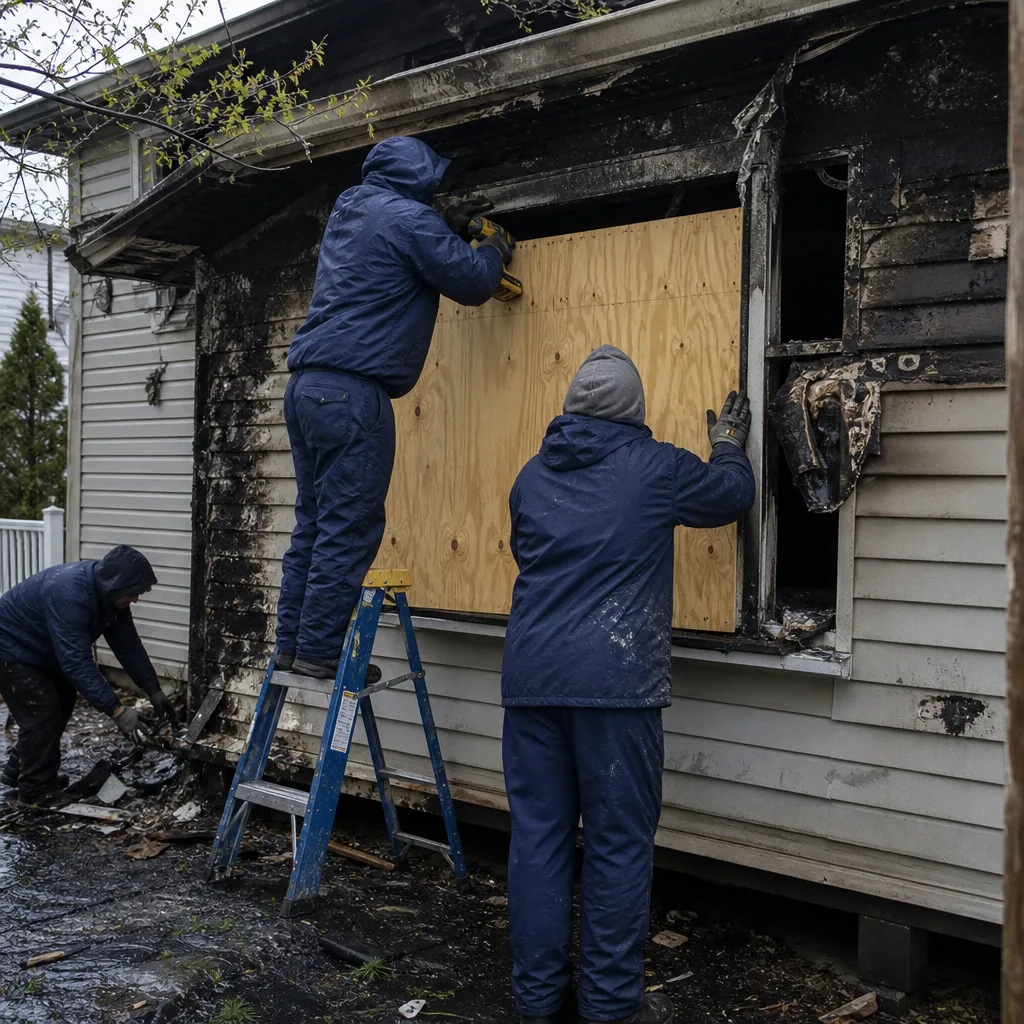
Flood Cleanup
When the Pascack Brook watershed overwhelms Northvale’s drainage, the water coming in is carrying whatever was in it. Flood water is not clean, and it does not belong in a finished basement. We extract, sanitize, and dry, and we treat flood water as Category 2 or 3 from the start, which changes the cleaning protocol and the protective equipment our crews use.
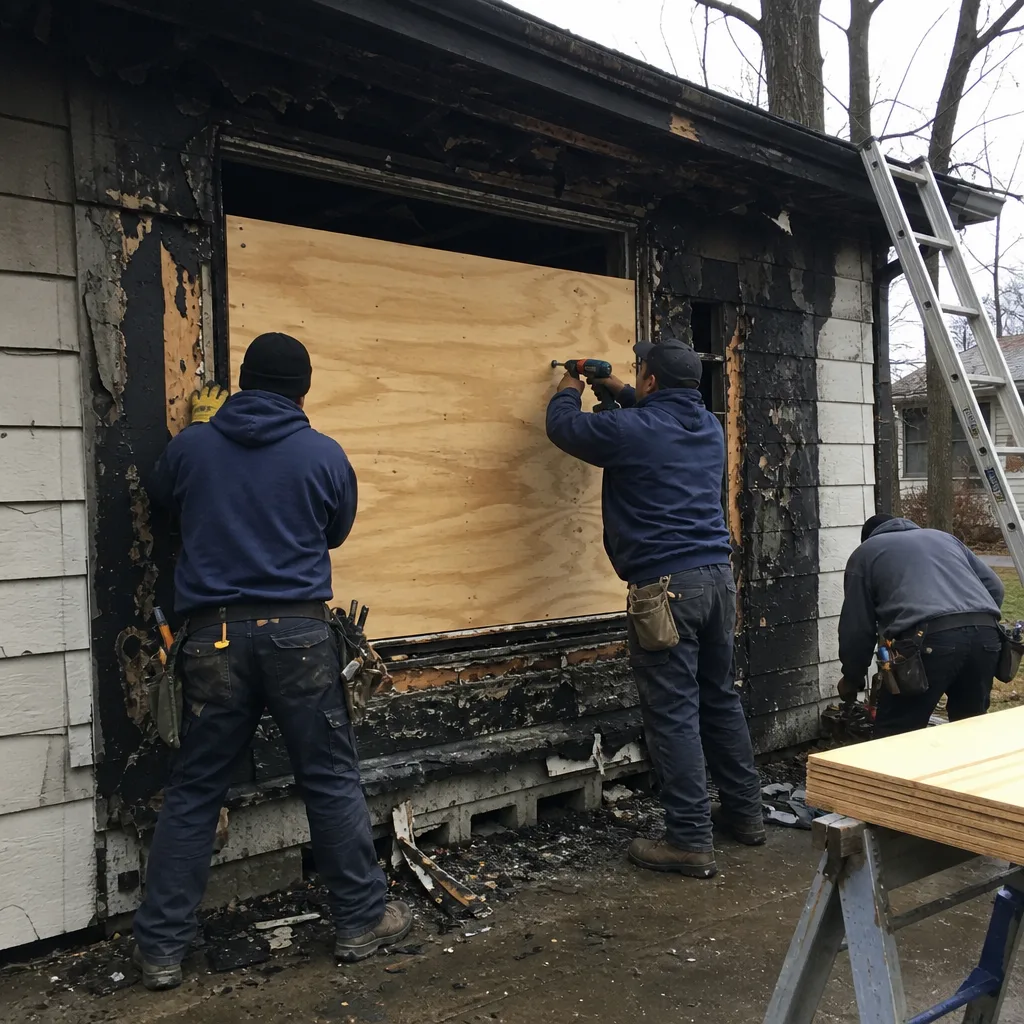
Emergency Water Extraction
If water is still running or standing when you call, extraction is the first move. We bring professional-grade extraction units and get the water out fast, then stabilize the structure. In Northvale, fast extraction is the difference between drying out a basement and rebuilding one.
Burst Pipe Restoration
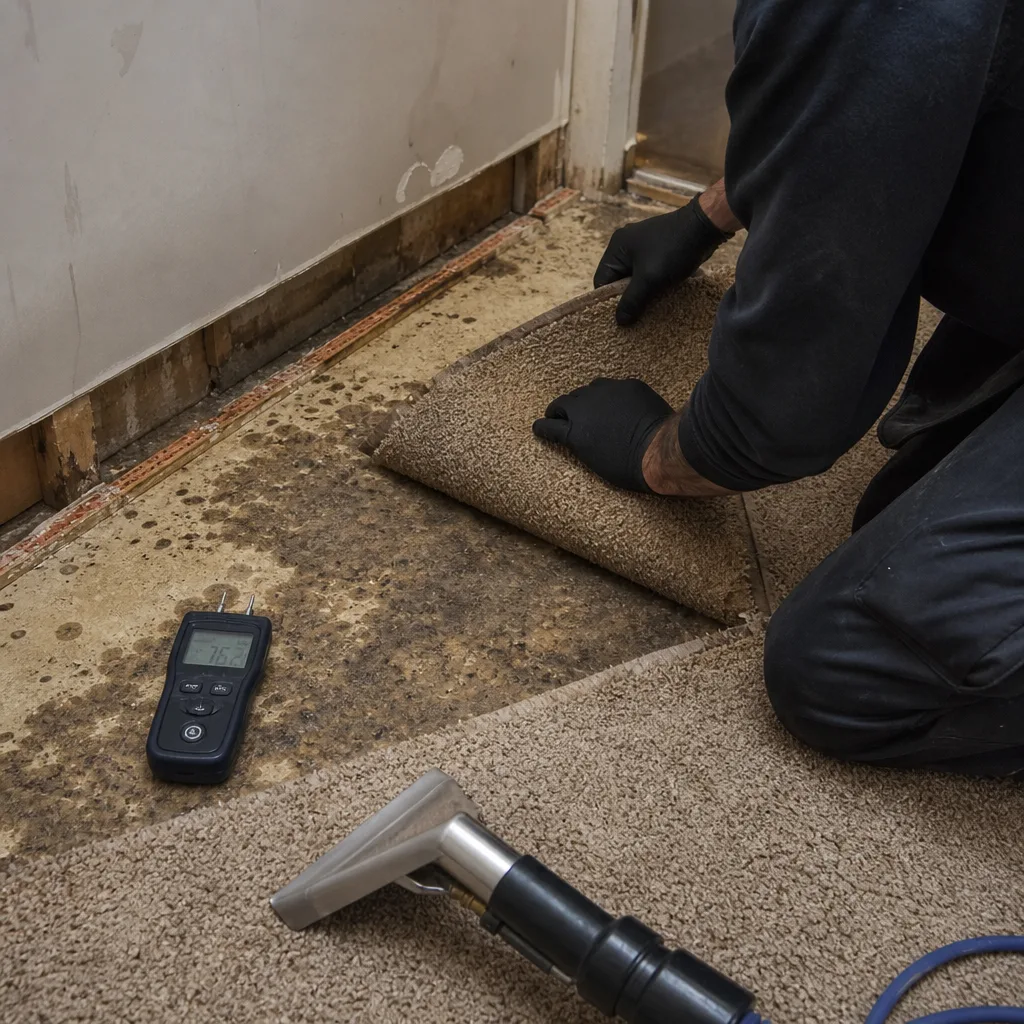
A frozen supply line in an exterior wall during a January deep freeze is a Northvale classic. The water runs until someone notices, which can be hours. We shut the source, extract, dry, and restore the wall and flooring. The same crew that opens the wall closes it back up.
What happens when you call
- 1
A real person answersNo phone trees - you reach a local pro.
- 2
You get an upfront price rangeHonest numbers before anyone is dispatched.
- 3
A background-checked tech heads outLicensed & insured, dispatched right away.
- 4
You approve before work beginsNothing starts until you say go.
Water Damage Restoration Costs in Northvale, NJ
Basement water removal in Northvale typically runs $1,200 to $3,800, depending on how much water is standing and how long it’s been there. Structural drying after groundwater intrusion usually adds $1,500 to $4,500, with the higher end for finished basements with hardwood flooring and drywall wicking. A burst-pipe cleanup and restoration in a kitchen or laundry room averages $2,500 to $6,500. Ceiling and roof leak repairs run $800 to $3,000 once the source is addressed. These are real ranges, not quotes. What moves the number most is time, water that sat for three days costs more to dry and more to rebuild. The free visual inspection gives you a firm written scope before any work starts. A square deal, no surprises on the bill.
We Also Serve Cities Near Northvale
Our crews respond to water damage emergencies across northern Bergen County, including Northvale and the surrounding boroughs: Harrington Park, Hillsdale, Park Ridge, and Montvale. If you’re in one of these towns and water is moving, call (914) 935-7914. We’ll be there when we say.
Serving Northvale, NJ - Our Local Coverage Area
We’re based in the Northvale area and know this community well. Use the map below to see our service coverage - if you’re nearby, we can almost certainly help.
Northvale Water Damage Restoration Questions, Answered
Why does water come into my Northvale basement before I see any flooding on my street?
Northvale sits at the lowest elevation of the Pascack Brook watershed, so groundwater rises through the soil and enters basements through floor cracks and foundation seams before surface water accumulates at street level. Your basement is the first place the water table shows up. The ground around your foundation becomes saturated, and hydrostatic pressure pushes water through any opening it can find. Call (914) 935-7914 the moment you notice damp carpet or a musty smell, not when water is visible.
How quickly do I need to start drying after a Northvale basement flood before mold becomes a problem?
Mold colonization begins in 24 to 48 hours under the right conditions, and Northvale’s mid-century wall assemblies, particularly the old fiberglass building paper in 1950s and 1960s homes, hold moisture in ways that speed that clock up. Drying should start the same day water is discovered, not the next one. The faster extraction and air movers are running, the less likely mold becomes a second, more expensive problem.
What does category 1, 2, or 3 water mean for my Northvale basement cleanup?
Category 1 is clean water from a pipe or appliance. Category 2 carries some contamination, like sump discharge. Category 3 is grossly unsanitary, including groundwater that has traveled through soil and picked up bacteria, and it requires different handling. In Northvale, most basement groundwater intrusion is treated as Category 2 or 3 from the start, which means our crews wear proper protective equipment and the cleaning and sanitization protocol is more involved. This changes the scope and sometimes the cost, but ignoring the category only makes the problem worse.
Are the flat-roofed commercial buildings on River Road more prone to hidden water damage than pitched-roof homes?
Yes. Flat TPO and older built-up roofs on the River Road and Livingston Street warehouse corridor pond water after heavy rain, and that water saturates steel roof decking and retrofitted spray-foam insulation in ways that standard moisture meters do not catch. We thermal-scan those assemblies on day two or three before finalizing a drying plan. A pitched-roof home may show a ceiling stain quickly; a flat-roof commercial building can hide serious saturation for weeks. Both need Water Damage Restoration handled by a crew that knows which tools to use where.
Should I replace my original 1960s basement drainage system before I have a water damage event?
If your original cast-iron floor drain or footing drain is still in service and you’ve already had one or two wet-basement events, replacement is worth evaluating. Old cast iron corrodes from the inside out, and by the time it fails visibly, water has usually already been entering for weeks. We can assess the condition during a standard inspection and recommend whether to replace now or monitor. Replacing on your schedule is always cheaper than rebuilding a finished basement after a failure.
How fast can a crew actually get to my Northvale home?
Our commitment is 45-minute response within Northvale. The call goes to a live dispatcher, the nearest available crew gets the address, and we’re on the road. The distance from our dispatch board to any point in the borough is short, which is why we can hit that number consistently. Call (914) 935-7914 and we’ll tell you exactly who’s coming and when.
Can I stay in my home during water damage restoration?
Usually, yes. The exceptions are when Category 3 water is present or when the affected area includes the main sleeping quarters and air quality is a concern. We’ll tell you straight at the inspection. If you do stay, we set up containment around the work area and run HEPA air scrubbers to keep dust and spores out of your living space.
What should I do in the first 30 minutes after discovering water in my Northvale basement?
Call us first. Then, if it’s safe, shut off the water source or shut down the sump pump if it’s running constantly. Do not walk through standing water if there’s any chance it’s in contact with electrical outlets or appliances. Do not use a household vacuum to remove water. Take photos if you can, but don’t delay the call. The 48-hour mold clock is already running. Call (914) 935-7914 and a live person will walk you through it.
Written by Curt Bowman, Owner at Floodline Restoration Co., serving Northvale with 42 years of restoration experience across Bergen County.