

Free visual inspection and a written scope of work before any mitigation begins - photos, moisture readings, and drying logs go in your claim file
The scope we write is the scope we bill. Anything new gets shown to you, in writing, before we touch it.
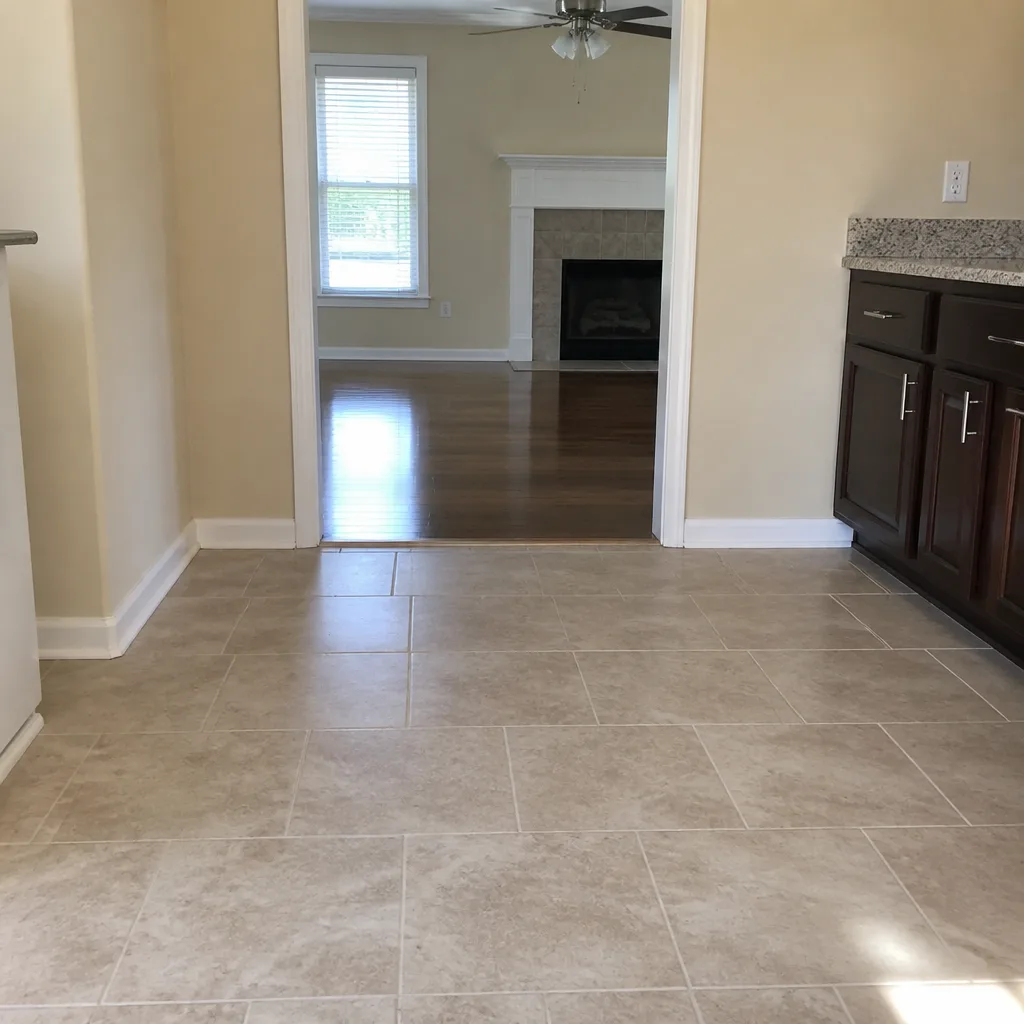
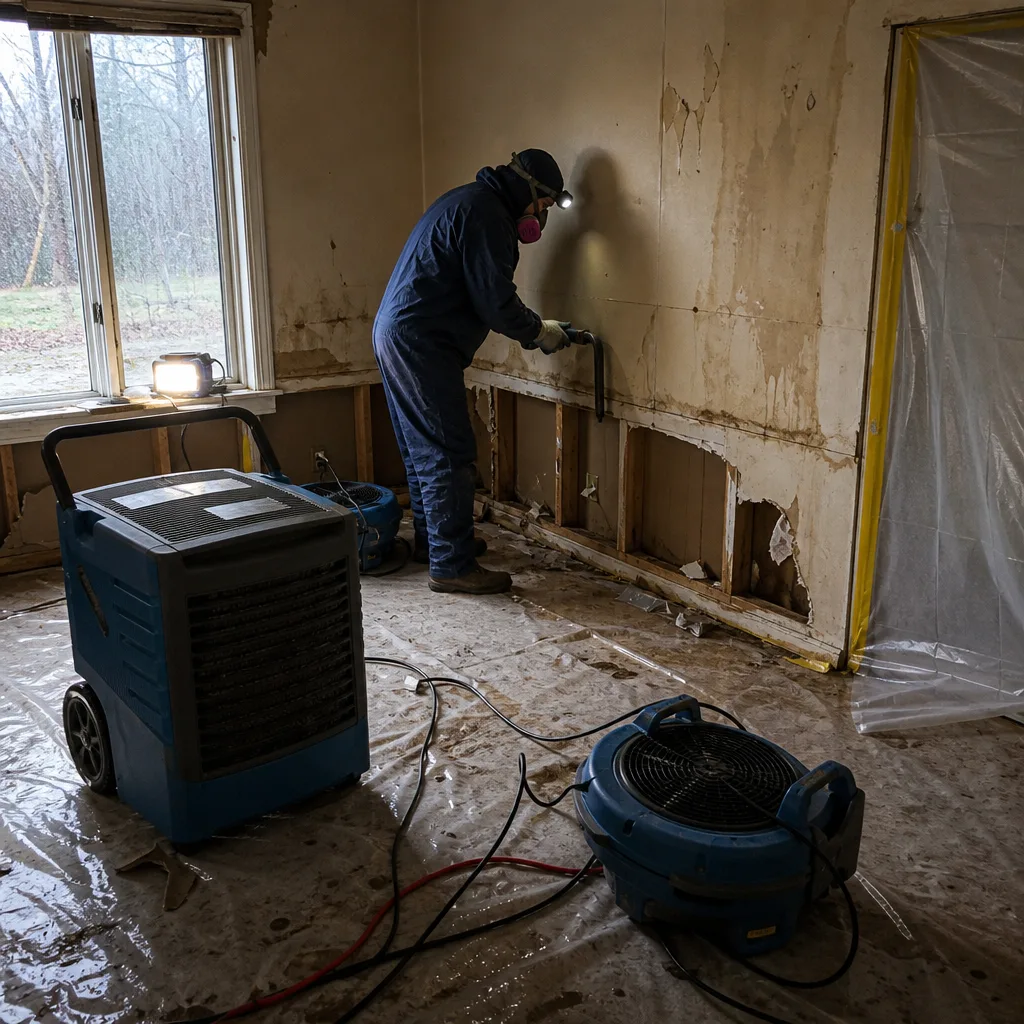 Before
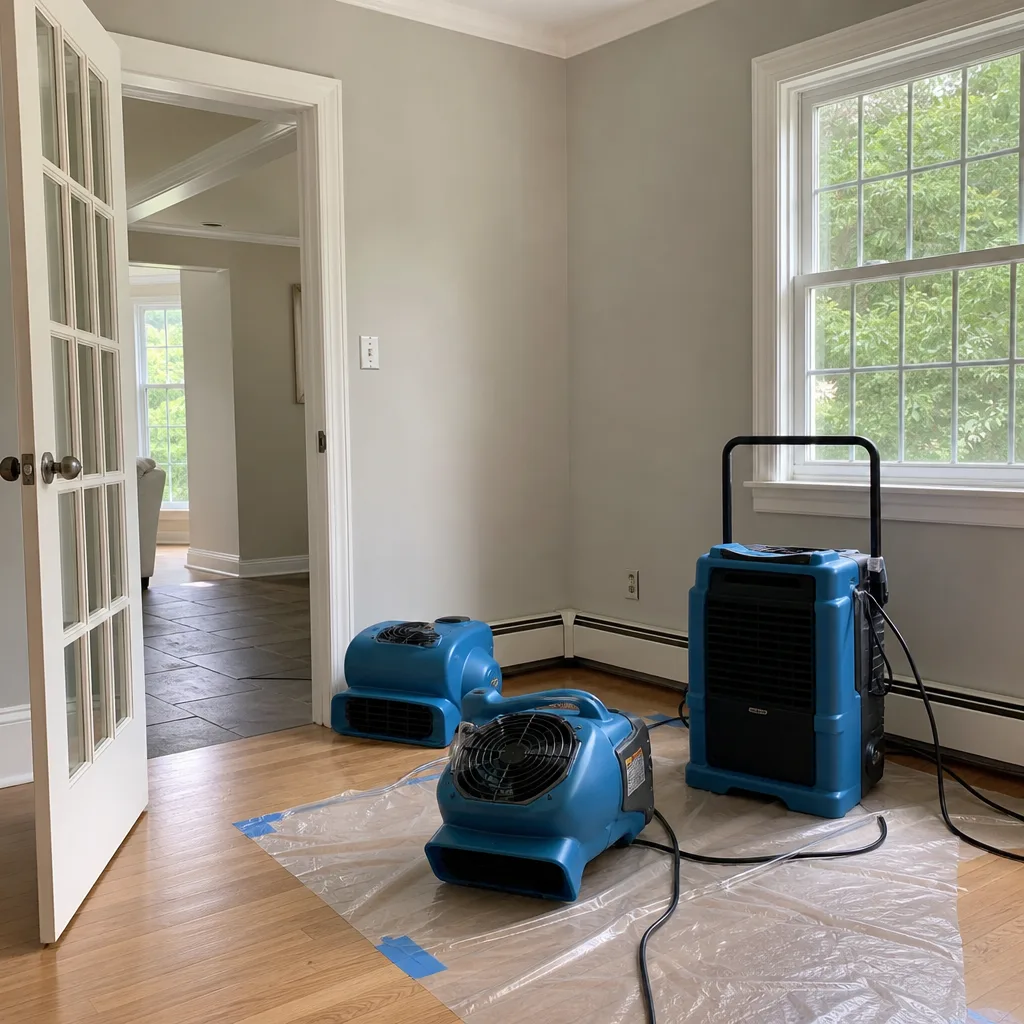 After
After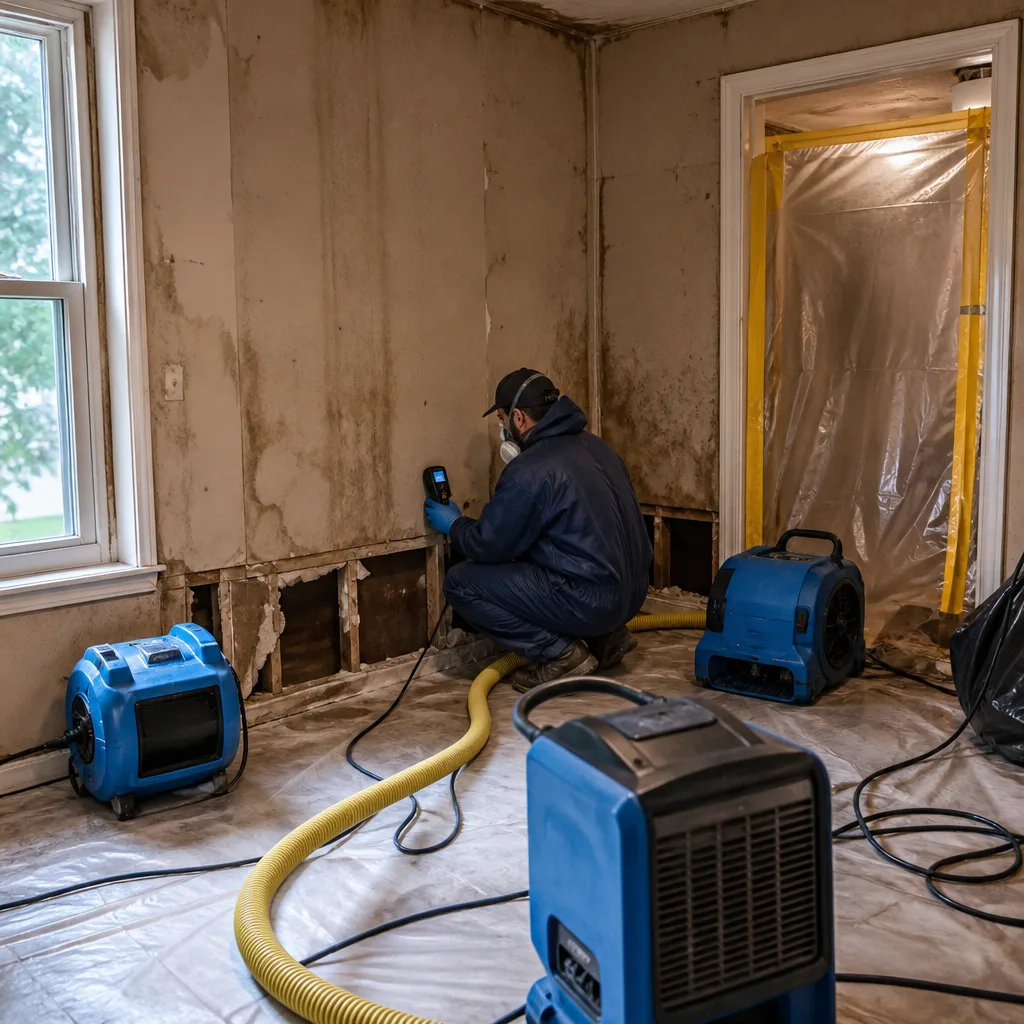 Before
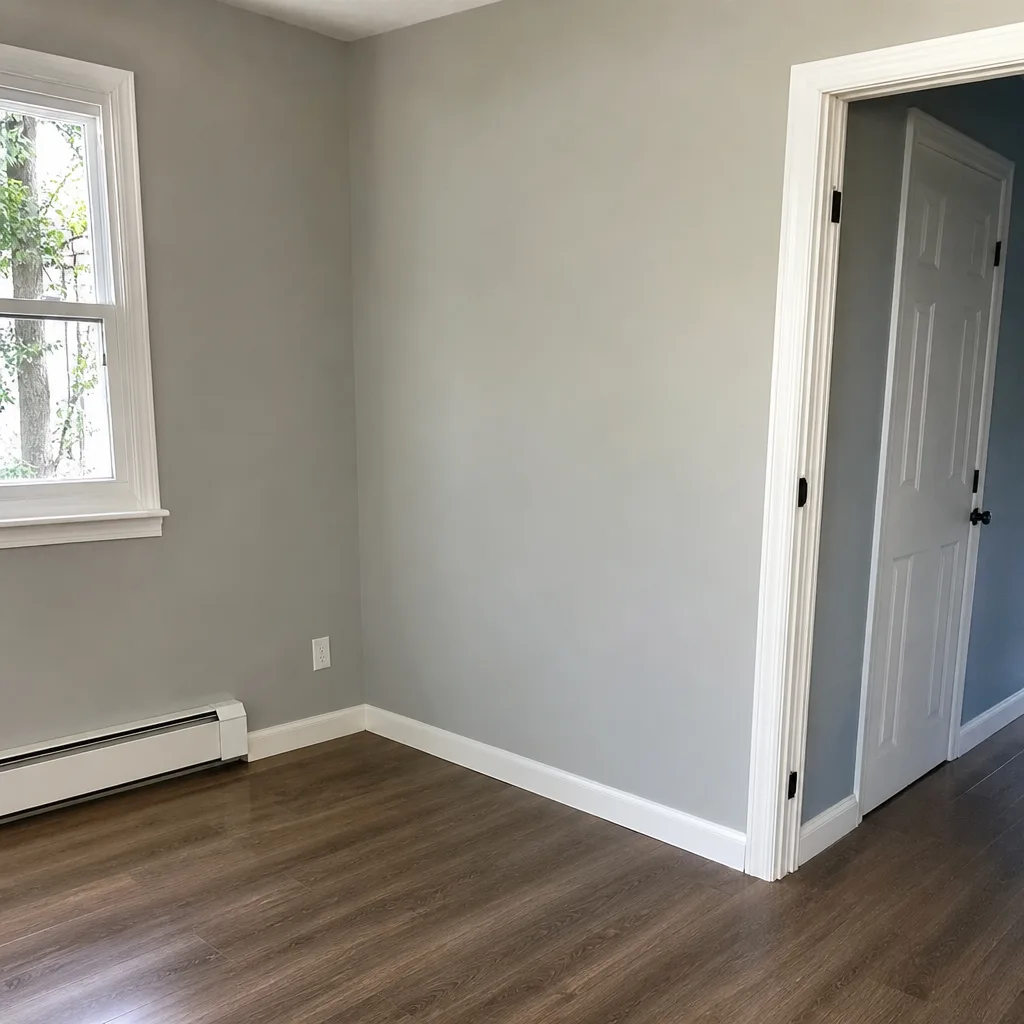 After
After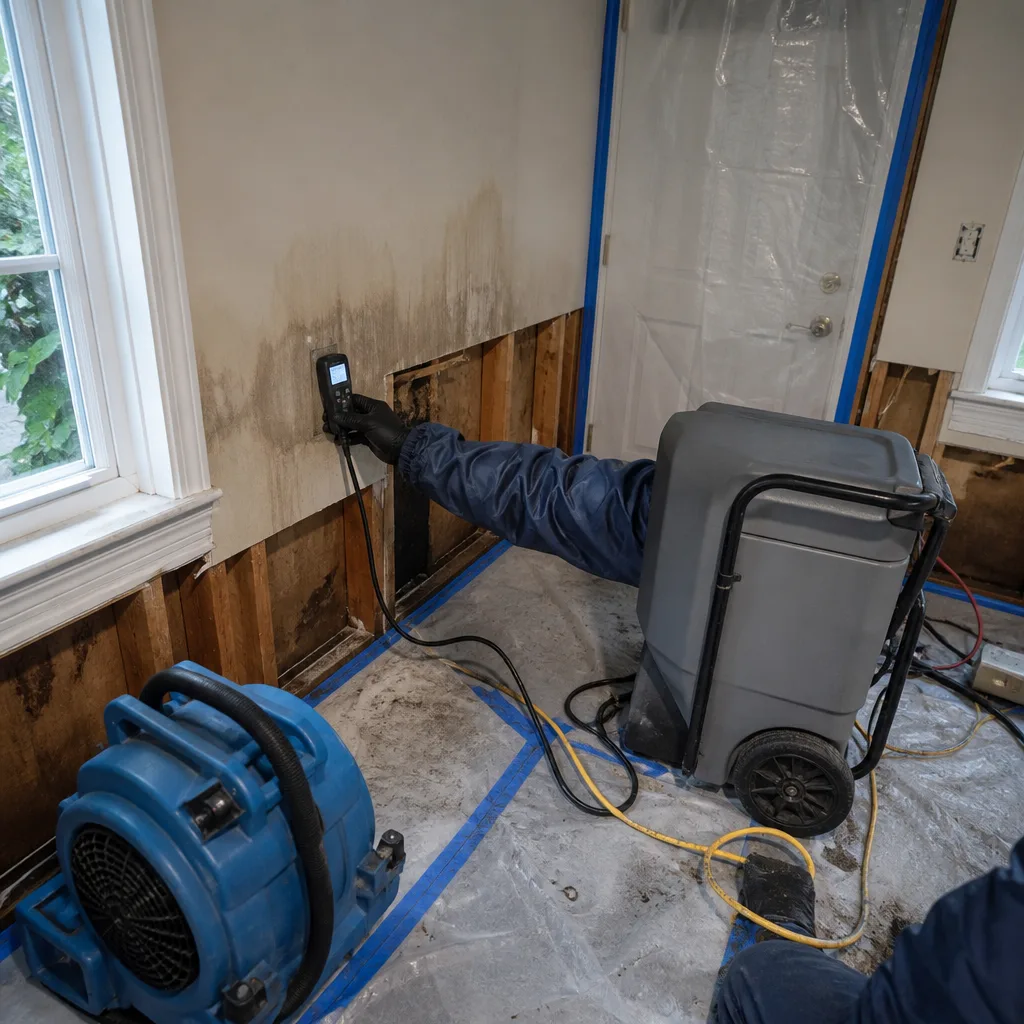 Before
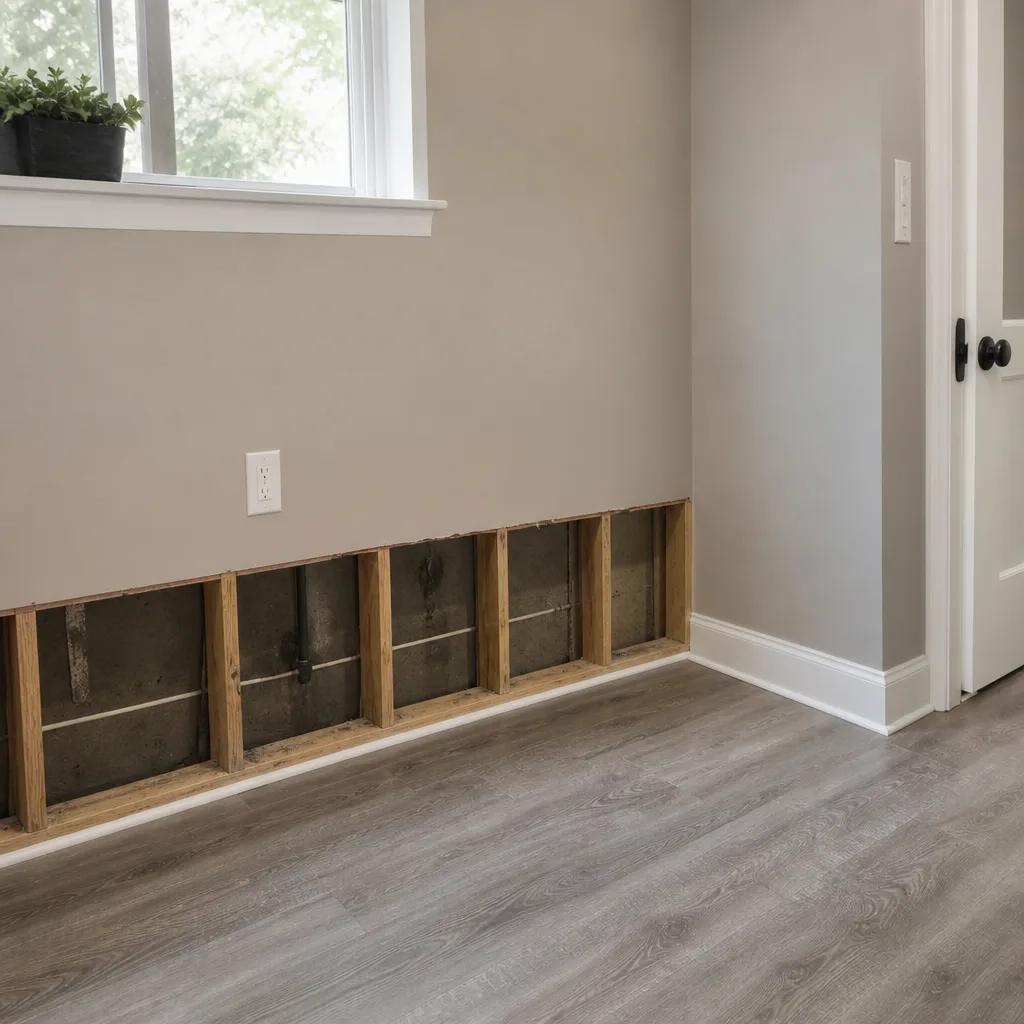 After
After24/7 Emergency Commercial Restoration in Harrington Park
Commercial restoration in Harrington Park moves on a different clock than residential work. When a nor’easter pushes groundwater through 1950s block walls, or a freeze-thaw cycle splits a supply line above a retail bay, every hour of standing water compounds the damage and the downtime. Our crews answer live at (914) 935-7914, twenty-four hours a day, and we dispatch into Harrington Park immediately. The first hour determines whether you’re facing cleanup or a full structural dry-out, and we’d rather start too early than explain later why the damage spread.
We arrive with moisture meters, thermal imaging, and professional-grade drying equipment already on the truck. The visual inspection is free, and you’ll get a written scope before any work begins. No dispatch fee, no assessment charge, no pressure. Just a crew that knows Harrington Park’s basements, foundations, and failure patterns, and a company that’s been doing this work for over 42 years.
Understanding Commercial Restoration Severity in Harrington Park Properties
Water damage is classified by contamination level, and Harrington Park’s geography makes the worst classification common. Category 1 water comes from a clean source like a supply line. Category 2 carries significant contamination, typically from sump pump failures or washing machine discharge. Category 3 is grossly contaminated: floodwater, sewage, or groundwater that has passed through soil. Because Harrington Park sits within the Hackensack River watershed on expansive clay, groundwater presses against foundation walls for days after rain or snowmelt. That’s Category 3 water entering through wicking mortar joints and failed parging, not a one-time clean-water pipe burst. The remediation protocol is entirely different.
Harrington Park’s commercial buildings, many converted from or built alongside the borough’s 1950s through 1970s single-family stock, share the same foundation vulnerabilities. Original poured-concrete and concrete-block walls with aged parging and no interior drainage systems hold moisture behind finished drywall for years. What arrives as a “minor seepage call” after a moderate storm routinely opens into full Category 3 mitigation, mold remediation, and structural drying once we open the walls. Moisture mapping with Dri-Eaz probes, containment with HEPA air scrubbers, and daily drying logs until the dry standard is met: that’s the work these buildings demand.
Why Harrington Park Property Owners Choose Floodline Restoration Co.
- 45-minute response commitment: When you call (914) 935-7914 from Harrington Park, we commit to having a certified crew on-site within 45 minutes. We’ll be there when we say.
- 24/7 live answer, always a person: No automated system, no “leave a message.” A live dispatcher picks up at 2 a.m. and a crew gets moving. Calls answered by a live person, 24/7.
- IICRC-certified technicians: Our crews hold WRT, FSRT, and AMRT certifications and train to IICRC, RIA, and IFA standards. Background-checked, uniformed, and accountable by name.
- Free visual inspection with written scope: We assess the damage, show you what we found, and put a line-item scope in your hands before any work starts. A square deal: no surprises on the bill.
- Direct insurance billing: We document from the first hour, coordinate with your adjuster, and bill your carrier directly. You don’t play messenger between us and the insurance company.
- One team, extraction to reconstruction: The same certified crew that reads the moisture map on day one handles daily readings, dries the structure, and rebuilds what needs rebuilding. No mid-job handoff, no inherited crew.
Our Commercial Restoration Process
Inspection & Assessment
We arrive with thermal imaging cameras and moisture meters, mapping the full extent of water migration through Harrington Park’s typical block and poured-concrete foundations. You get a written scope and a straight answer about what needs to happen.
Extraction & Stabilization
Standing water comes out immediately using truck-mounted and portable extraction units. For Category 3 water, we remove affected materials and set containment to prevent cross-contamination of unaffected areas.
Drying & Dehumidification
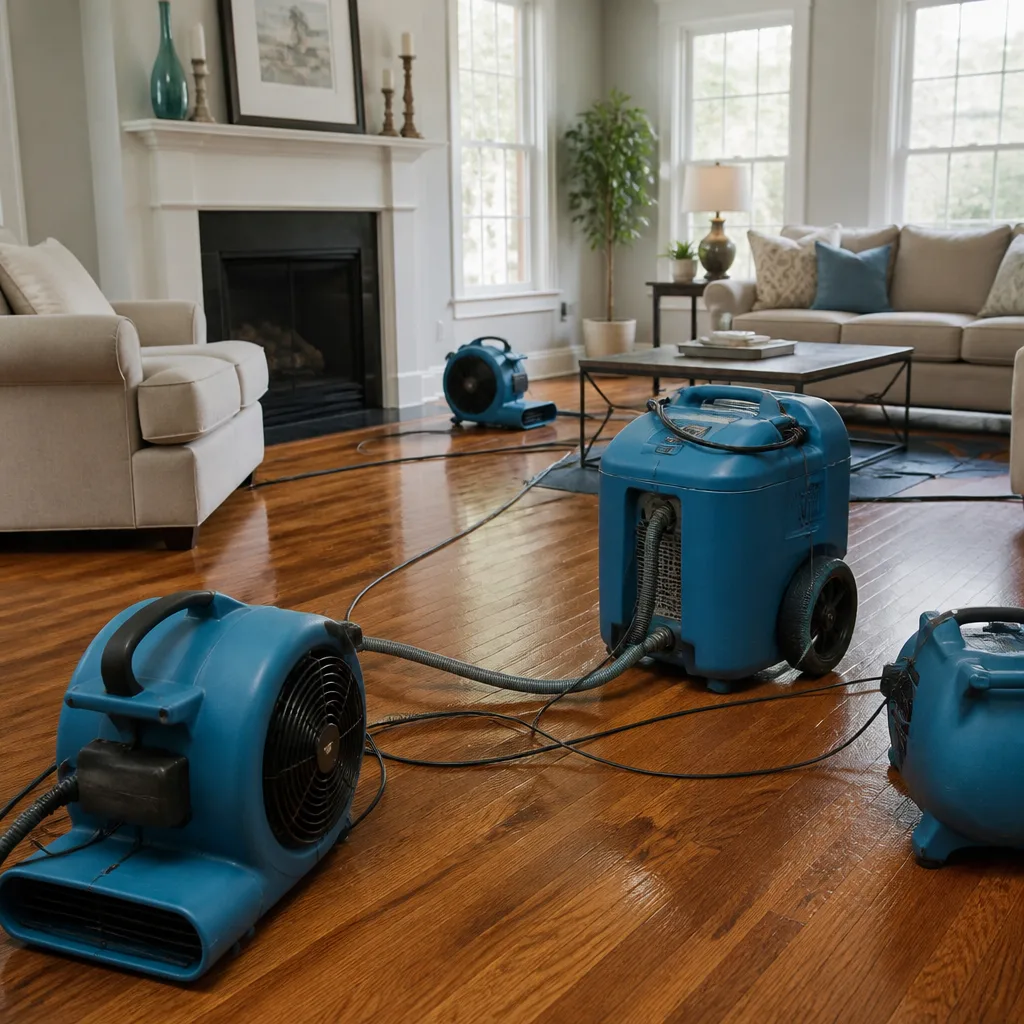
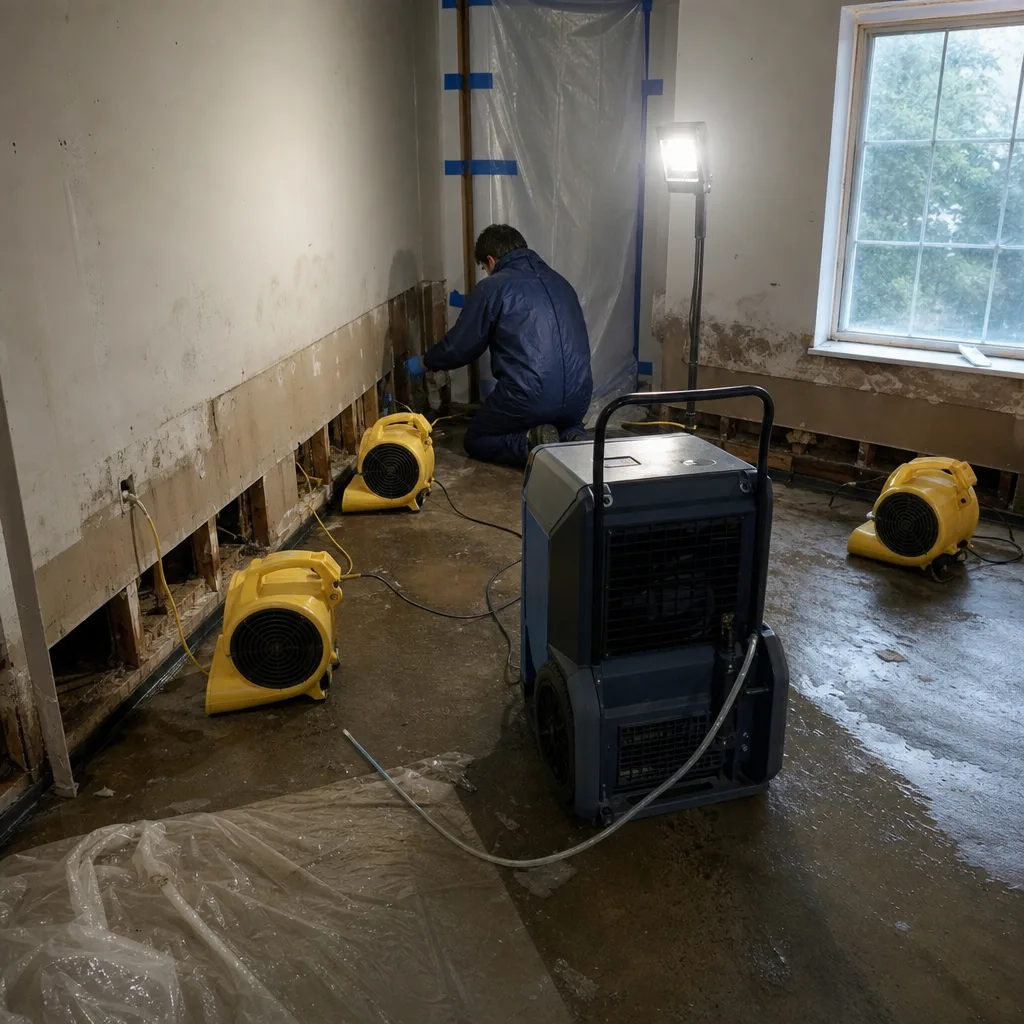
Dri-Eaz and Phoenix dehumidifiers, XPOWER air movers, and Injectidry systems for wall cavities and under flooring. We place equipment based on moisture readings, not guesswork, and log readings daily until the dry standard is met.
Cleaning & Sanitization
HEPA air scrubbers run throughout the job to capture airborne mold spores and particulates. Hard surfaces get antimicrobial treatment; salvageable contents get cleaned and inventoried.
Mold Remediation & Containment
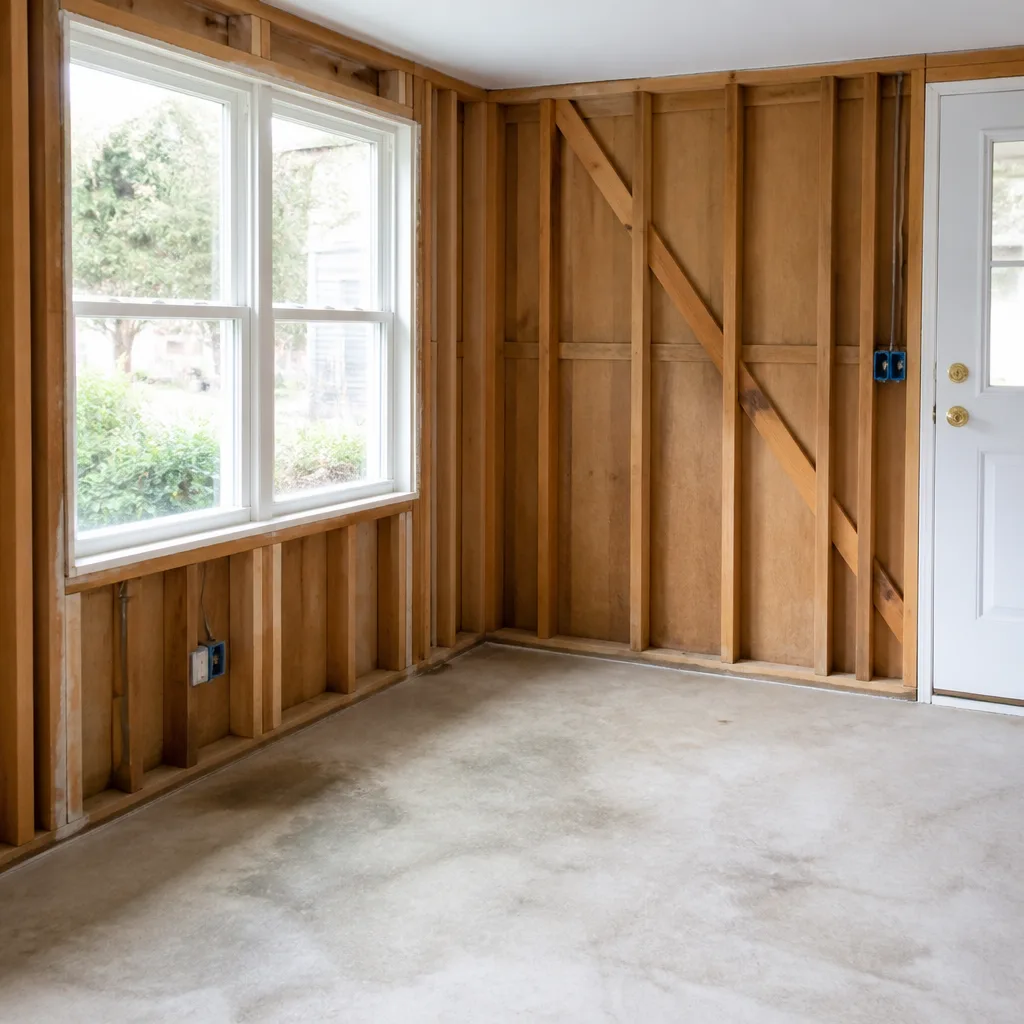
Harrington Park’s clay soils and wicking block walls make hidden mold a near-certainty in older basements. We contain the affected zone, remove contaminated drywall and insulation, and treat framing and masonry with antimicrobial agents before rebuilding.
Repairs & Reconstruction
Drywall, insulation, flooring, trim, and paint. The same crew handles it. We rebuild the wall assembly properly, with documentation for your insurer and the 90-Day Done Right Promise in your hands.
Need Emergency Commercial Restoration in Harrington Park Now?
Crews minutes away, answering live 24 hours a day. The sooner we start, the less it costs.
Working With Your Insurance Company
We’ve handled thousands of commercial claims across Bergen County, and we know what adjusters need to approve a scope without delay. From the first hour on-site, we document everything: photos room by room, moisture readings with time stamps, thermal imaging captures, and a line-item scope written to industry standards. We submit directly to your carrier and speak with your adjuster as needed, so you’re not stuck translating a drying log over the phone. Our documentation has held up in claim reviews for decades because it’s specific, dated, and tied to IICRC standards. Direct insurance billing means the carrier pays us directly for covered work, and you see every line before it’s submitted. A square deal, in writing, from start to finish.
What We Provide Your Insurer
- Thorough documentation of the loss
- Photos of all damage, room by room
- Moisture readings and drying logs
- A detailed, line-item scope of work
- Direct coordination with your carrier
Built for Harrington Park’s Loss Calendar
Harrington Park’s restoration calendar is dictated by Bergen County’s weather patterns and the borough’s position in the Hackensack River watershed. Deep freezes from December through March split supply lines in buildings that predate modern insulation standards. When temperatures drop hard, our dispatch board lights up with burst-pipe calls from multi-unit buildings and office conversions along Harriot Avenue and La Roche Avenue. Freeze-thaw cycles also stress the borough’s older flat roofs and attic spaces, creating ice dams that drip into retail bays throughout late winter.
Spring thaw and steady March and April rains saturate the clay soils that surround Harrington Park’s foundations. Groundwater presses against block walls for days, and basements that stayed dry all winter start weeping. That’s when we see the wicking and hidden-mold discoveries that make Harrington Park different from better-drained neighboring towns. Summer brings thunderstorm flash flooding, and late summer into fall brings the nor’easter season: heavy, sustained rain that overwhelms the borough’s minimal natural drainage relief. Property owners who call us in the first hour after water appears consistently face smaller scopes, less downtime, and lower total claims than those who wait a day or two. The line the water left is where we start.
Commercial Restoration Across Harrington Park’s Neighborhoods
Harrington Park is small, roughly two square miles, but zoning and building stock vary enough to shape different loss patterns. The commercial and office conversions along Harriot Avenue, many housed in split-level and colonial buildings from the 1950s and 1960s, see the borough’s most persistent basement water intrusion. Those original concrete-block walls with aged parging and no interior drainage hold moisture against the foundation for days after rain. When we respond to a Harriot Avenue office with a “damp basement” complaint, we go in expecting hidden mold behind the drywall, and we’re rarely wrong.
Along La Roche Avenue and the mixed-use properties near the northern end of the borough, freeze-thaw ice dams and older flat roof systems create seasonal ceiling and wall damage. The residential conversions near Highland Field and the wooded eastern edges of town face a different pressure: mature trees with root systems that have spent decades probing foundation cracks and drainage lines. Multi-unit buildings throughout the borough share the same original construction window, mostly 1940s through 1970s, which means pre-loss condition documentation is frequently thin and the scope conversation with insurers matters more.
Specialized Commercial Restoration Services We Offer in Harrington Park
Multi-Unit & HOA Restoration
Harrington Park’s multi-unit buildings, many with original 1950s block foundations, need a restoration partner who understands shared walls and shared plumbing systems. A Category 3 groundwater event in one unit rarely stays in one unit. We map moisture across the full structure, set containment zones that respect occupied units, and coordinate with boards and property managers so residents know exactly what’s happening and when.
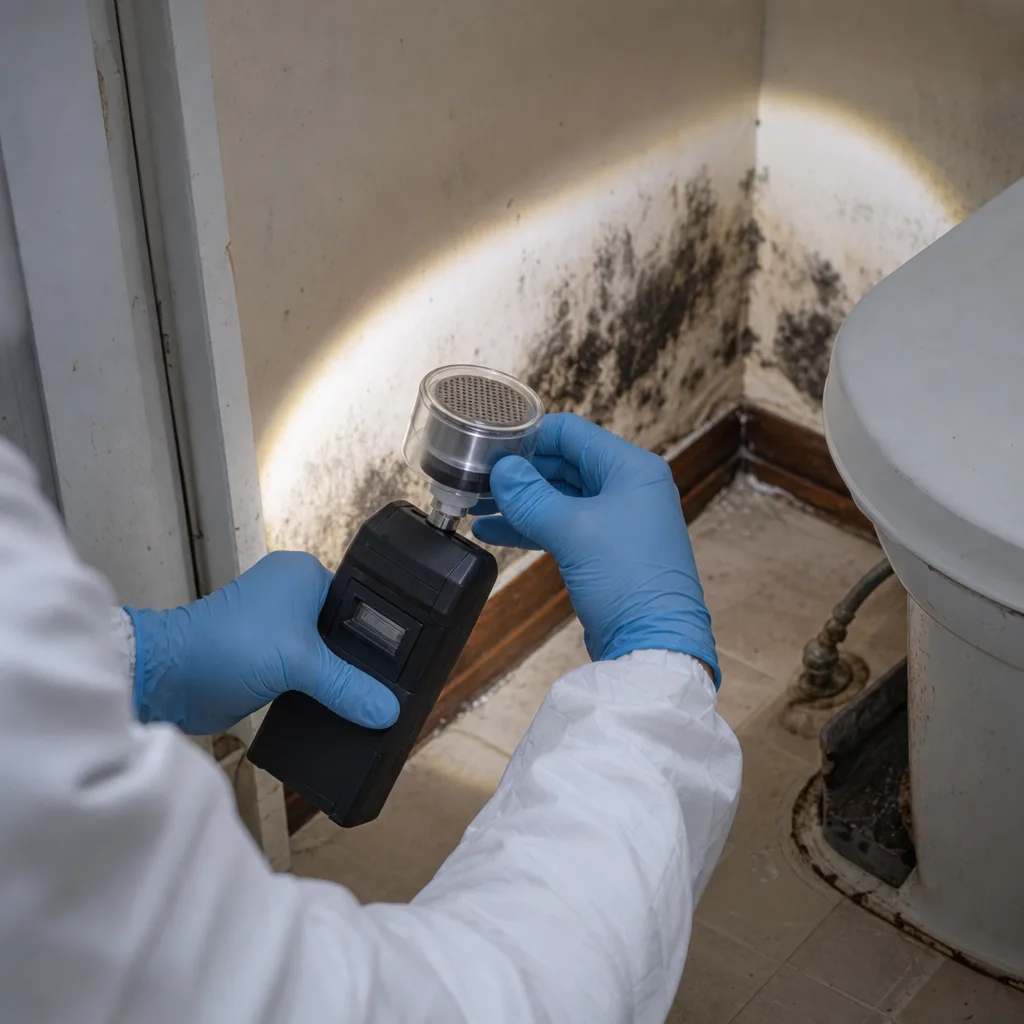
Office & Retail Restoration
Downtime is lost revenue. When an ice dam drips into a Harriot Avenue retail bay or a burst pipe floods an office conversion, we prioritize extraction and drying so you can reopen fast. Our crews have handled document and inventory recovery, electronics drying, and pack-out services for Harrington Park businesses that couldn’t afford to close for a week.
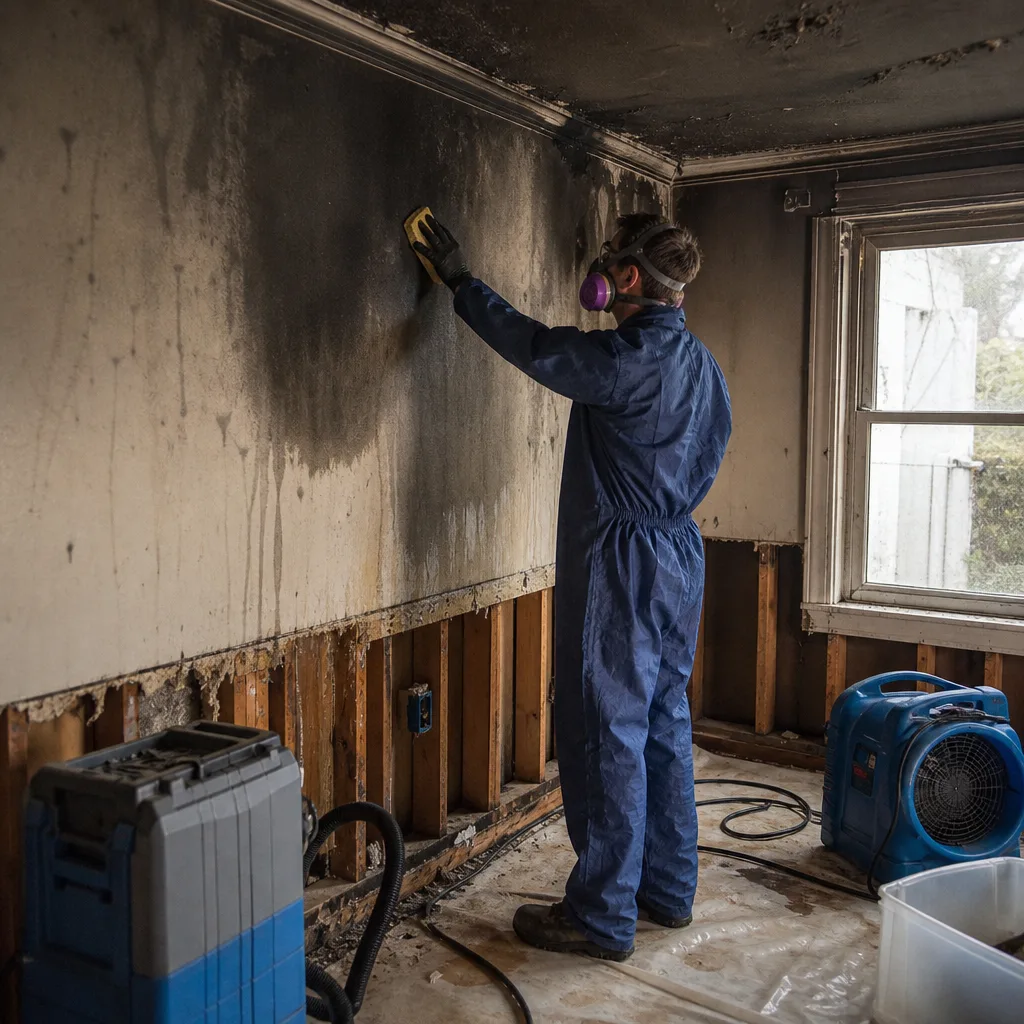
Industrial Facility Cleanup
Industrial spaces in and around Harrington Park face the same clay-soil groundwater pressure as the borough’s homes, but with larger square footage and heavier equipment to protect. We bring truck-mounted extraction, high-capacity dehumidifiers, and the staff to manage a large loss without losing a week to logistics.
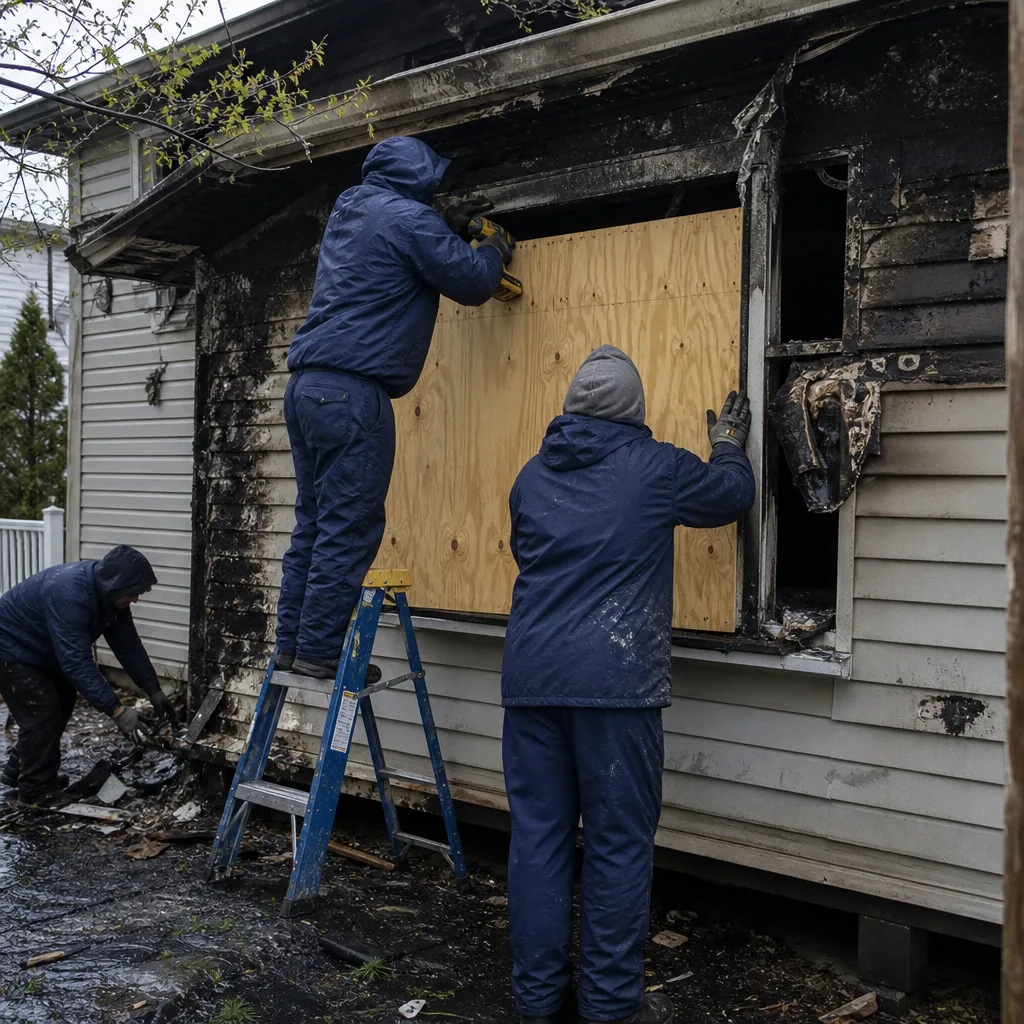
Large-Loss Response
When a nor’easter drops four inches of rain overnight and groundwater overwhelms a whole building, Harrington Park needs a company that can send multiple crews at once. We do that. Large-loss response means command on-site, containment before contamination spreads, and a drying plan built for the building’s actual construction, not a template.
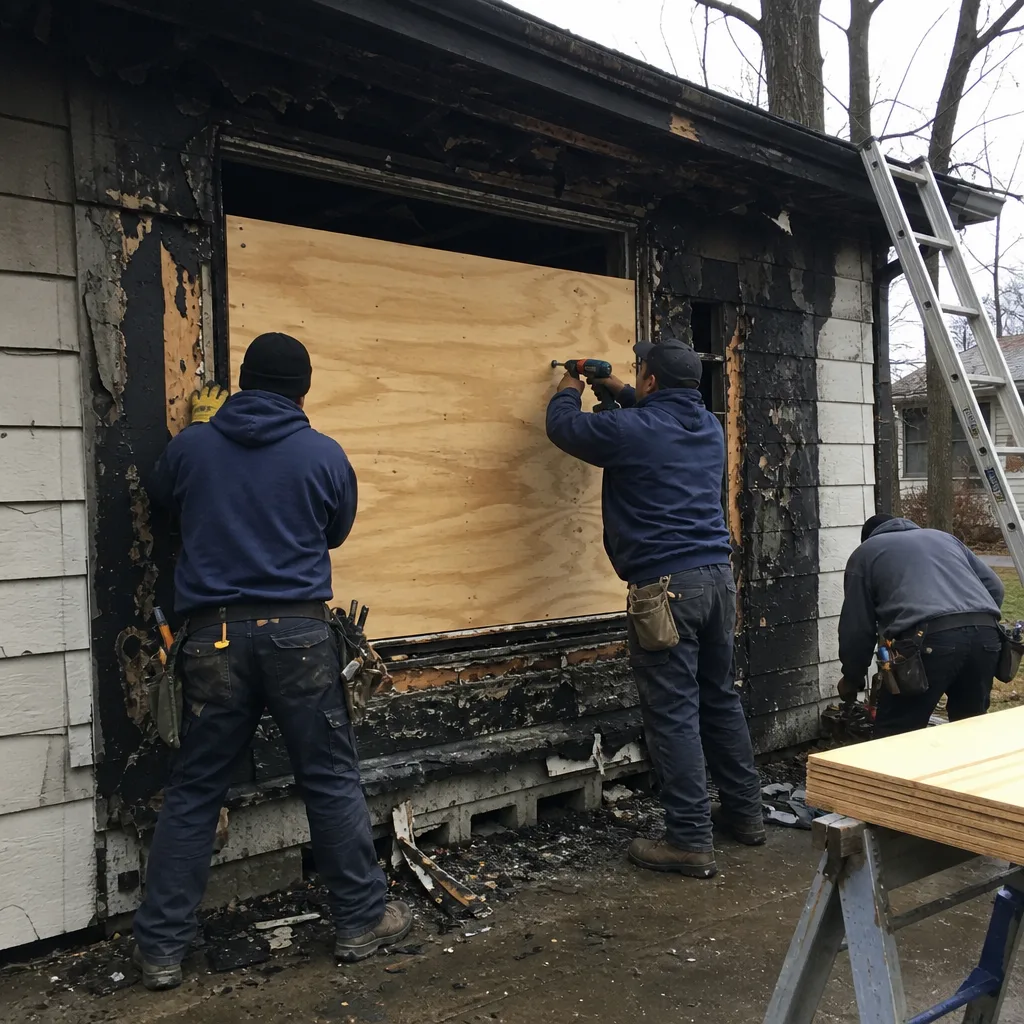
Business Interruption Minimization
Our goal on every commercial job is to get you back in business. We document everything for your carrier, including business interruption claims, and we dry in place wherever possible using Injectidry systems and targeted cavity drying so you’re not tearing out and rebuilding more than necessary.
What happens when you call
- 1
A real person answersNo phone trees - you reach a local pro.
- 2
You get an upfront price rangeHonest numbers before anyone is dispatched.
- 3
A background-checked tech heads outLicensed & insured, dispatched right away.
- 4
You approve before work beginsNothing starts until you say go.
Commercial Restoration Costs in Harrington Park, NJ
Costs depend on water category, square footage affected, and how long the water sat before we arrived. For Harrington Park commercial properties, a typical Category 1 water extraction and drying job in a single office suite runs $2,800 to $6,500. Category 3 groundwater intrusion, the more common scenario in this borough’s older foundations, typically runs $6,000 to $18,000 because it requires material removal, containment, antimicrobial treatment, and full structural drying. Mold remediation on a typical Harrington Park basement after hidden wicking runs $4,500 to $14,000 depending on the size of the affected cavity. Ice dam and roof-related interior damage in retail spaces typically runs $3,500 to $9,500 when caught early.
Insurance covers most of these scenarios when the cause is sudden and accidental, and we bill your carrier directly. The free visual inspection includes a written scope with real numbers, so you know exactly what the job will cost before anything starts. Call (914) 935-7914 and we’ll walk you through it.
We Also Serve Cities Near Harrington Park
Our Commercial Restoration teams cover Harrington Park and the surrounding Bergen County boroughs: Harrington Park, Northvale, Hillsdale, Park Ridge, and Woodcliff Lake. If you manage property in any of these towns, the same live dispatch, certified crews, and written-scope promise apply.
Serving Harrington Park, NJ - Our Local Coverage Area
We’re based in the Harrington Park area and know this community well. Use the map below to see our service coverage - if you’re nearby, we can almost certainly help.
Harrington Park Commercial Restoration Questions, Answered
How quickly can mold start in a Harrington Park basement after a nor’easter?
Mold can begin colonizing within 24 to 48 hours of water intrusion in Harrington Park’s humid post-storm conditions, especially behind finished drywall on wicking block walls. The faster you call (914) 935-7914, the smaller the remediation scope.
Why does Harrington Park see so many commercial basement floods even after a moderate rain?
Harrington Park sits within the Hackensack River watershed on expansive clay soils that hold groundwater against foundation walls for days. Combined with original 1950s block foundations and aged parging, even moderate rain creates sustained hydrostatic pressure that finds every weak mortar joint.
Can you dry out a commercial space in Harrington Park without tearing out all the drywall?
Sometimes. We use Injectidry systems and targeted cavity drying to dry wall assemblies in place when water is Category 1 and moisture mapping shows no hidden saturation. With Category 3 groundwater, which is common here, affected drywall generally has to come out to prevent mold.
What does a typical overnight restoration look like for a Harrington Park retail store after a freeze-thaw ice dam?
We arrive within 45 minutes, extract standing water, set containment and XPOWER air movers, and start structural drying with Phoenix dehumidifiers. We document everything for your carrier and aim to have the space dry and ready for repairs within 3 to 5 days.
Does Floodline Restoration Co. handle multi-unit buildings in Harrington Park with original 1950s foundations?
Yes. We’ve handled water intrusion, mold remediation, and full reconstruction in Harrington Park multi-unit buildings with original block and poured-concrete foundations. We understand the wicking failure mode these buildings share and write our scopes accordingly.
How much does commercial restoration cost compared to nearby towns like Northvale or Hillsdale?
Harrington Park’s costs run slightly higher than better-drained neighboring towns because the clay soils and older foundations create more Category 3 water scenarios, requiring more material removal and longer drying times. Typical commercial jobs run $3,000 to $18,000 depending on scope.
Are your technicians certified for commercial restoration work?
Every technician is background-checked, uniformed, and certified to IICRC, RIA, and IFA standards, with WRT, FSRT, and AMRT certifications held across the crews we dispatch to Harrington Park.
What should I do in the first 30 minutes after discovering water in my Harrington Park commercial property?
Call (914) 935-7914 first. If it’s safe, shut off the water source or electrical to the affected area, move small items and documents out of standing water, and avoid walking through Category 3 water. Do not wait to see if it dries on its own; in Harrington Park’s clay-soil conditions, it won’t.
Written by Curt Bowman, Owner at Floodline Restoration Co., serving Harrington Park since 2010.