

Free visual inspection and a written scope of work before any mitigation begins - photos, moisture readings, and drying logs go in your claim file
The scope we write is the scope we bill. Anything new gets shown to you, in writing, before we touch it.
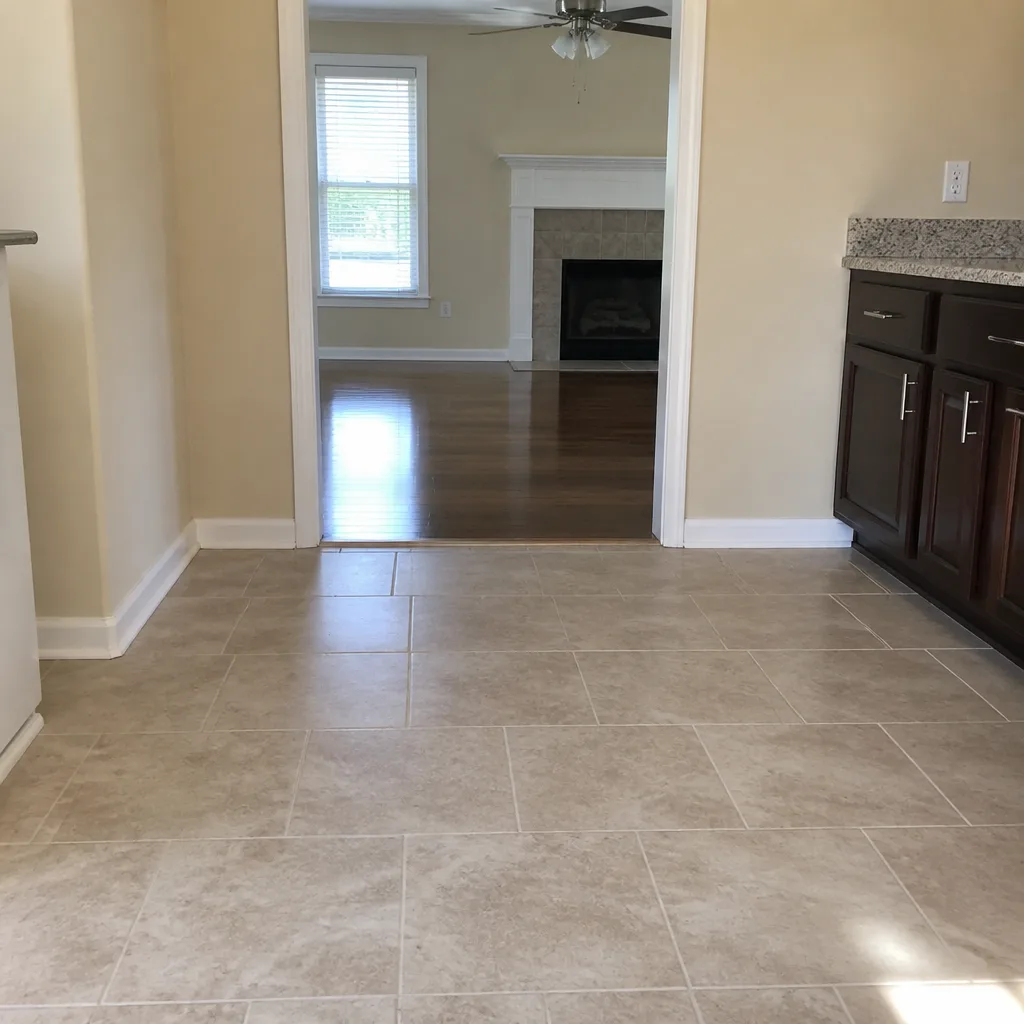
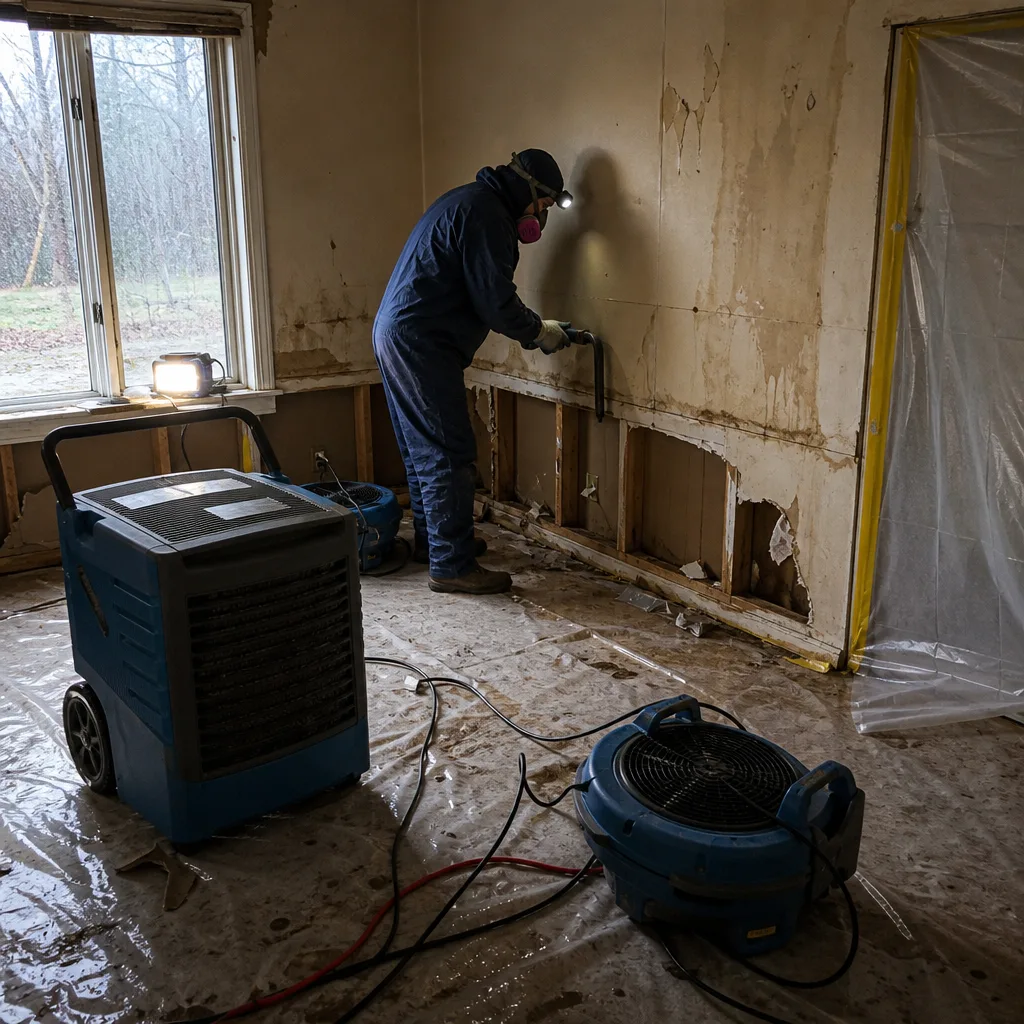 Before
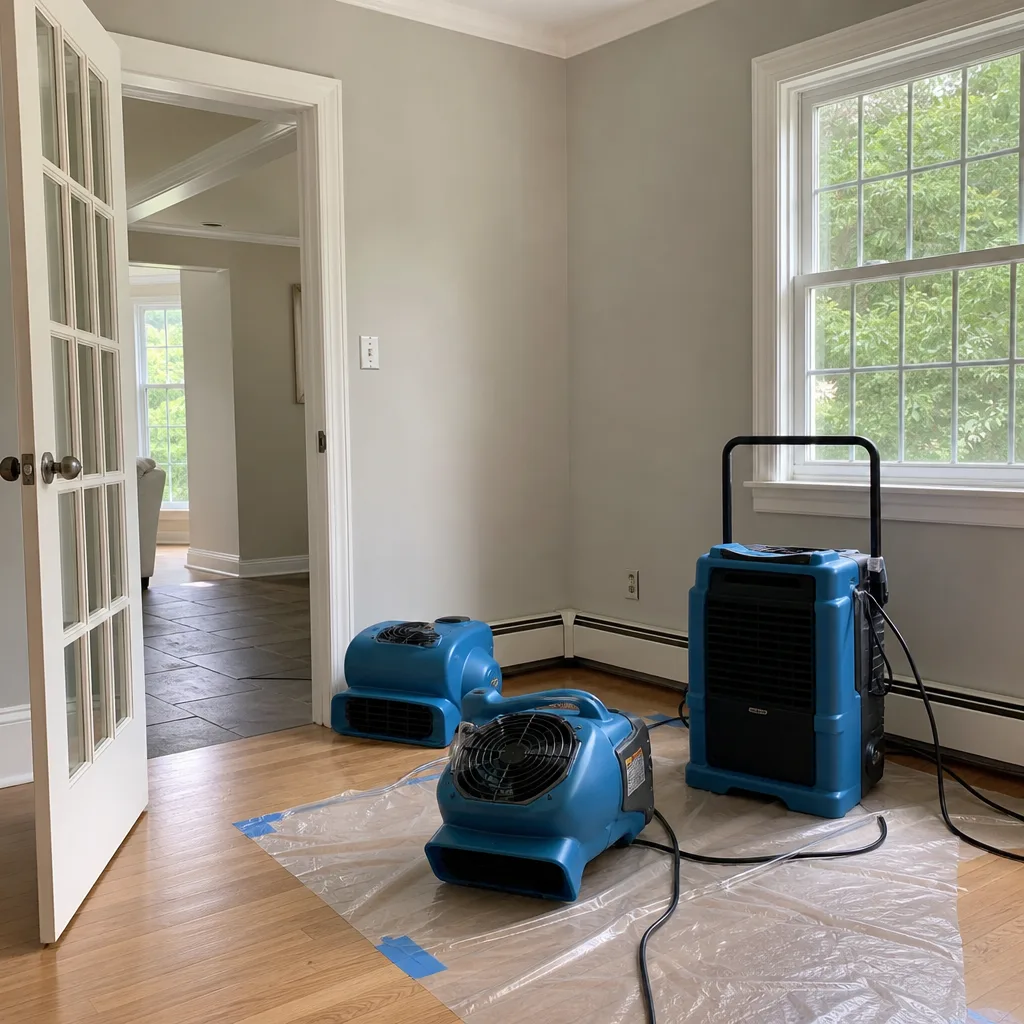 After
After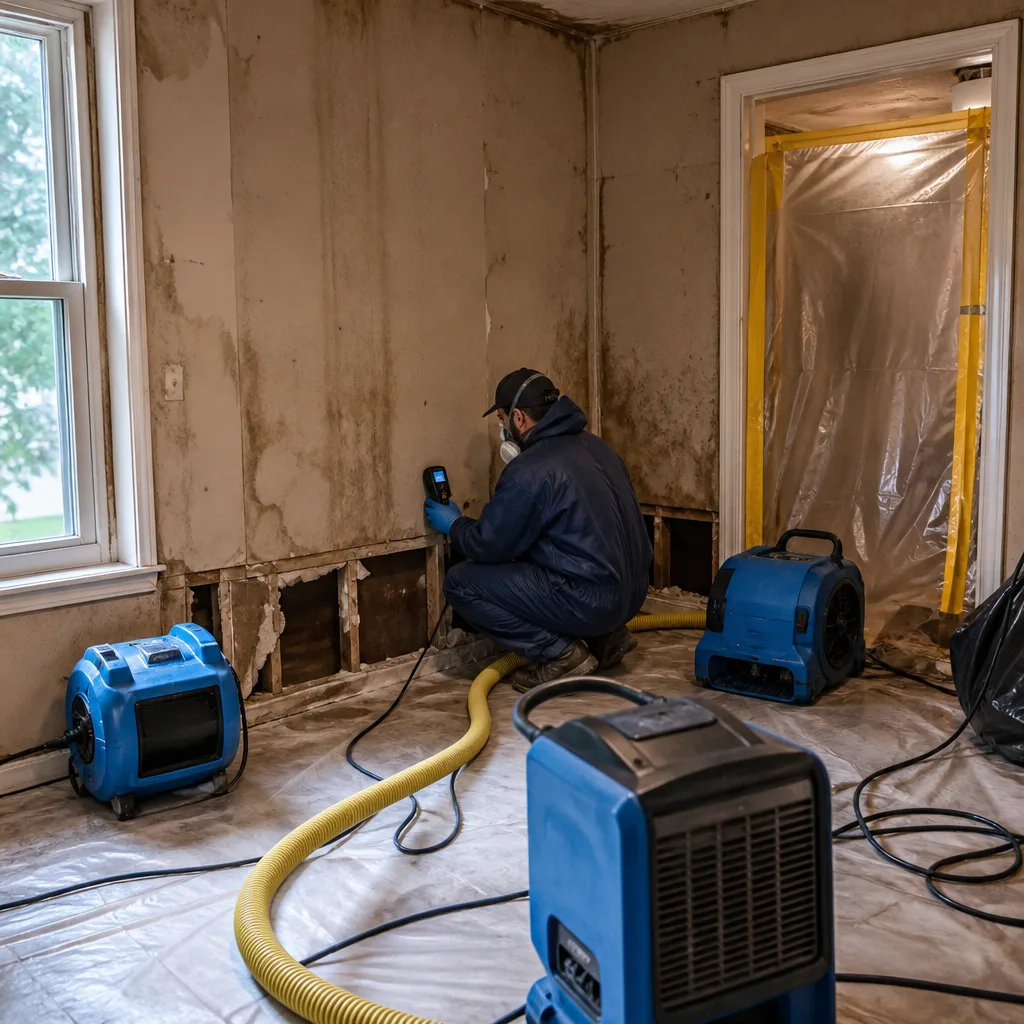 Before
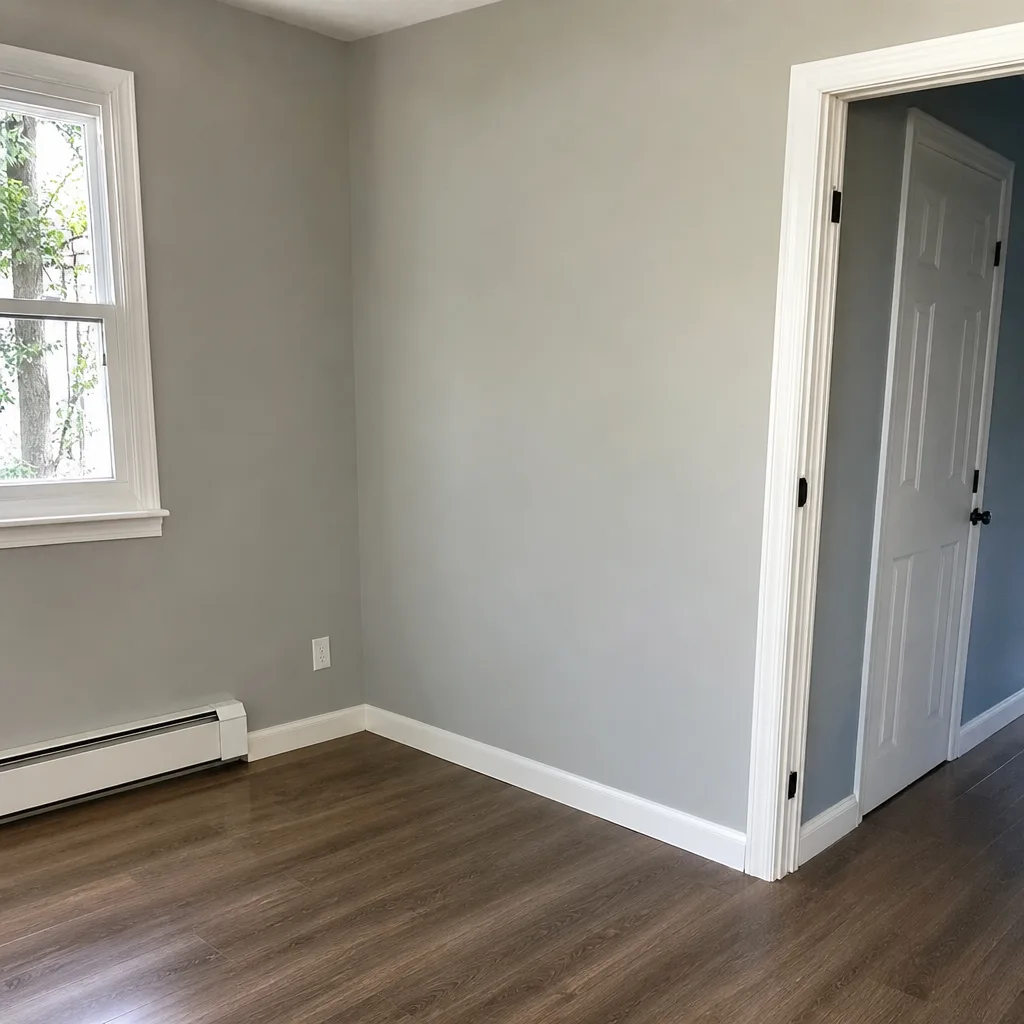 After
After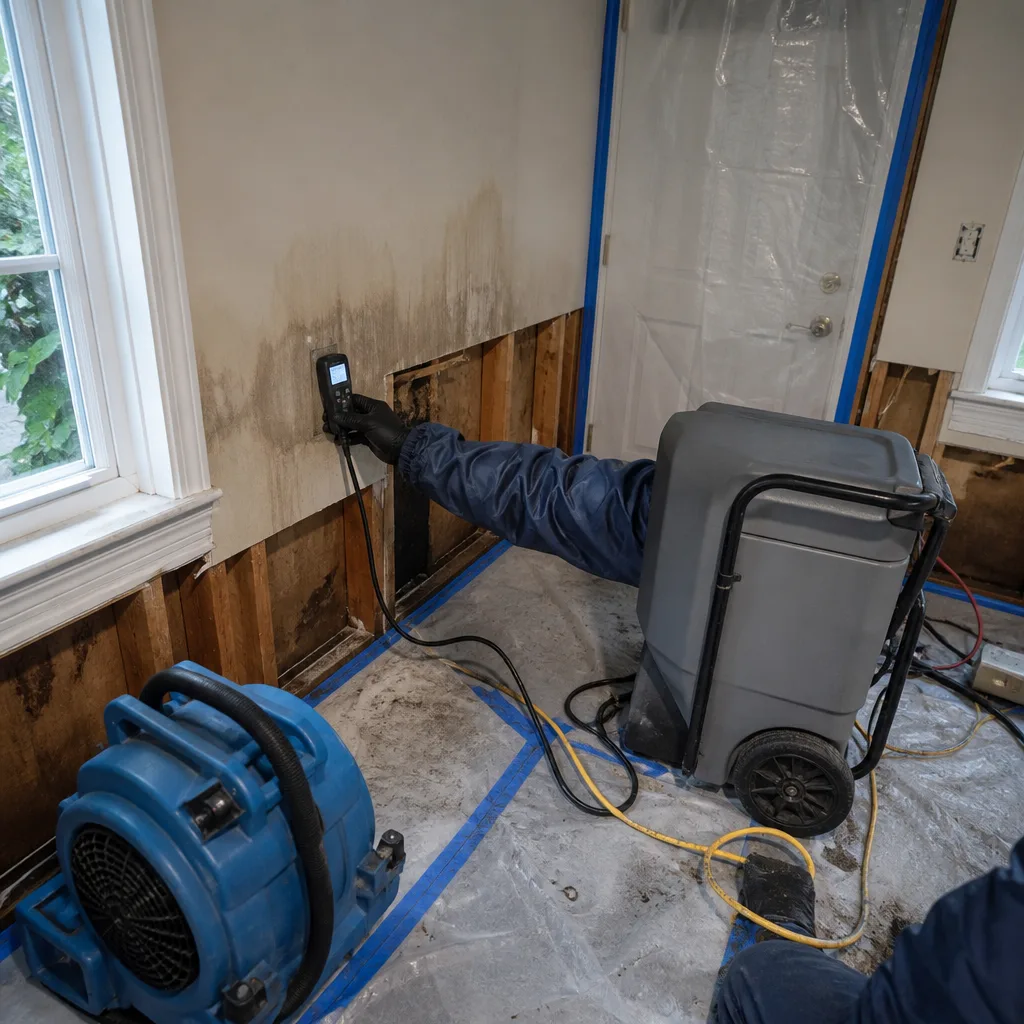 Before
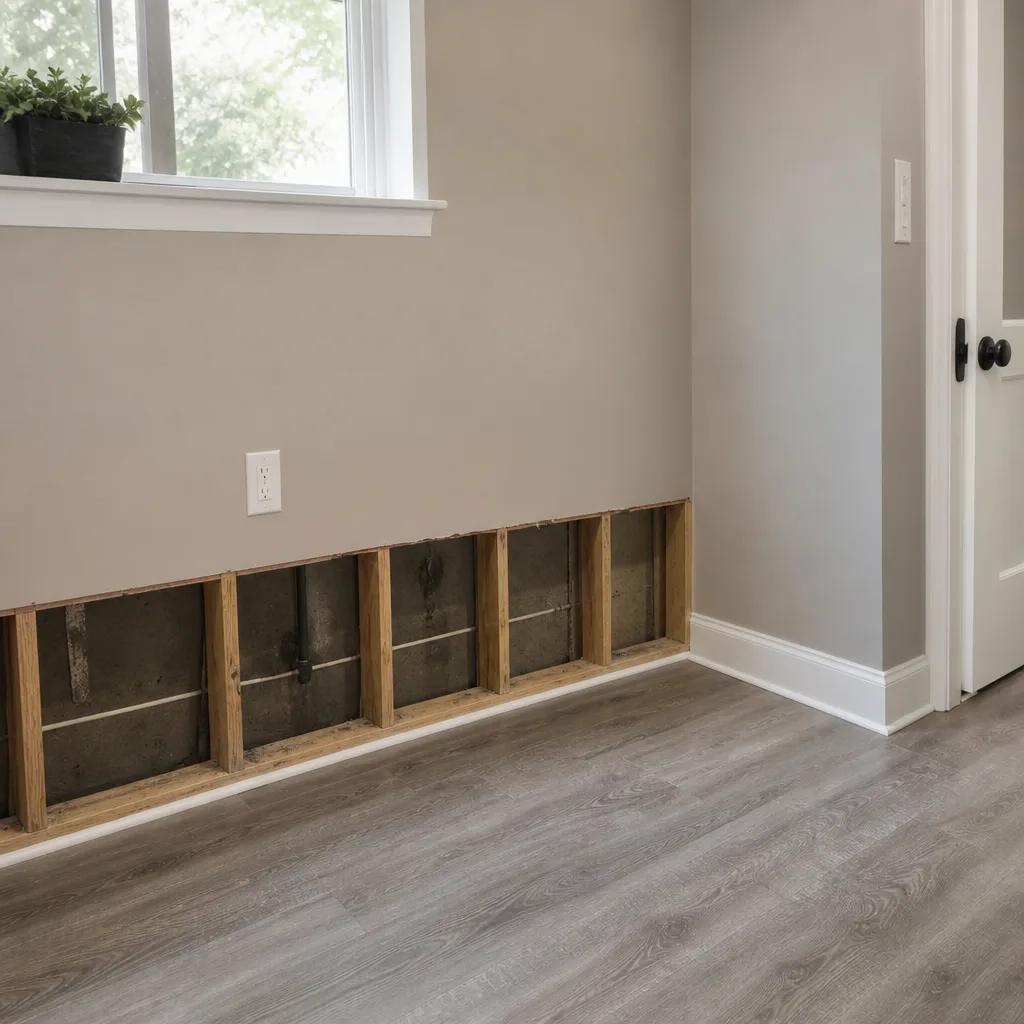 After
After24/7 Emergency Reconstruction & Cleanup in Park Ridge
When the Pascack Brook overflows or a nor’easter pushes water into your Park Ridge basement, reconstruction and cleanup can’t wait until morning. We answer live, around the clock, every day. Call (914) 935-7914 and a real dispatcher picks up, not a recording. A uniformed, background-checked crew reaches Park Ridge fast, starts extraction the same visit, and stays on the job until your house is rebuilt to pre-loss condition or better. The first hour matters most: the longer water, soot, or sewage sits against your framing, drywall, and flooring, the more gets torn out and the more it costs to put back.
Floodline Restoration Co. has been restoring homes since 2010. Our full-cycle Reconstruction & Cleanup team handles everything from first extraction to finished drywall and paint, so you never get handed off to a different crew mid-job. If it’s not done right, we make it right, in writing. That’s the 90-Day Done Right Promise, and we don’t argue about it.
Key Takeaways:
- Live answer, 24/7, with crews dispatched to Park Ridge the same visit
- One crew from emergency extraction through full reconstruction
- Direct insurance billing, with photo documentation and moisture logs for your carrier
- 90-Day Done Right Promise in writing on every job
- Free visual inspection and no-hassle pricing before work begins
Understanding Reconstruction & Cleanup Severity in Park Ridge Properties
Reconstruction and cleanup in Park Ridge is rarely a simple dry-out. Most of the borough’s housing stock was built between the 1950s and 1970s, split-levels, Cape Cods, and colonials with finished basements that sit close to the water table along the Pascack Brook. When the brook overtops its banks, the water that enters is typically Category 2 grey water, contaminated by backed-up floor drains, ground runoff, and whatever the flooding picked up upstream. That changes the entire scope of the job. Category 2 water demands antimicrobial treatment, removal of saturated porous materials, and proper containment, not just fans and dehumidifiers.
Soot from a fire carries similar nuance. Different residues, dry protein soot, wet greasy soot, furnace puff-backs, behave differently with different cleaning methods, and older Park Ridge homes with decades of paint layers and plaster walls can hold smoke odor in places you’d never expect. Proper assessment means moisture mapping with thermal imaging and hygrometers, not a walkthrough with a flashlight. It means air scrubbing with HEPA filtration and clearance testing when the job is done. Skipping that on a 1960s split-level means an honest-looking wall can hide enough trapped moisture to feed mold within weeks.
Why Park Ridge Property Owners Choose Floodline Restoration Co.
- Fast response to Park Ridge, every time. We commit to having a crew on site within 45 minutes of your call, and we keep that commitment because our dispatch board is built around local response, not a sales desk.
- A real person answers, 24/7. Two in the morning, you get a live dispatcher. Not a voicemail. Not an answering service that promises to page someone. A person who starts the job right then.
- IICRC-certified crews, trained to WRT, FSRT, and AMRT standards. Our technicians carry the certifications that matter for water, fire, and mold work, and they arrive in uniform with background checks already on file.
- Free visual inspection, no pressure. We look, we measure, we tell you what we found and what it will cost. You decide. No surprises on the bill, ever.
- Direct insurance billing. We deal with your carrier, from the first photo to the final line-item scope. You never play messenger between us and the adjuster.
- One team from extraction to reconstruction. The same crew that pulls the water also hangs the drywall. That continuity is why we can stand behind the work with a 90-Day Done Right Promise, in writing.
Our Reconstruction & Cleanup Process
Inspection & Assessment
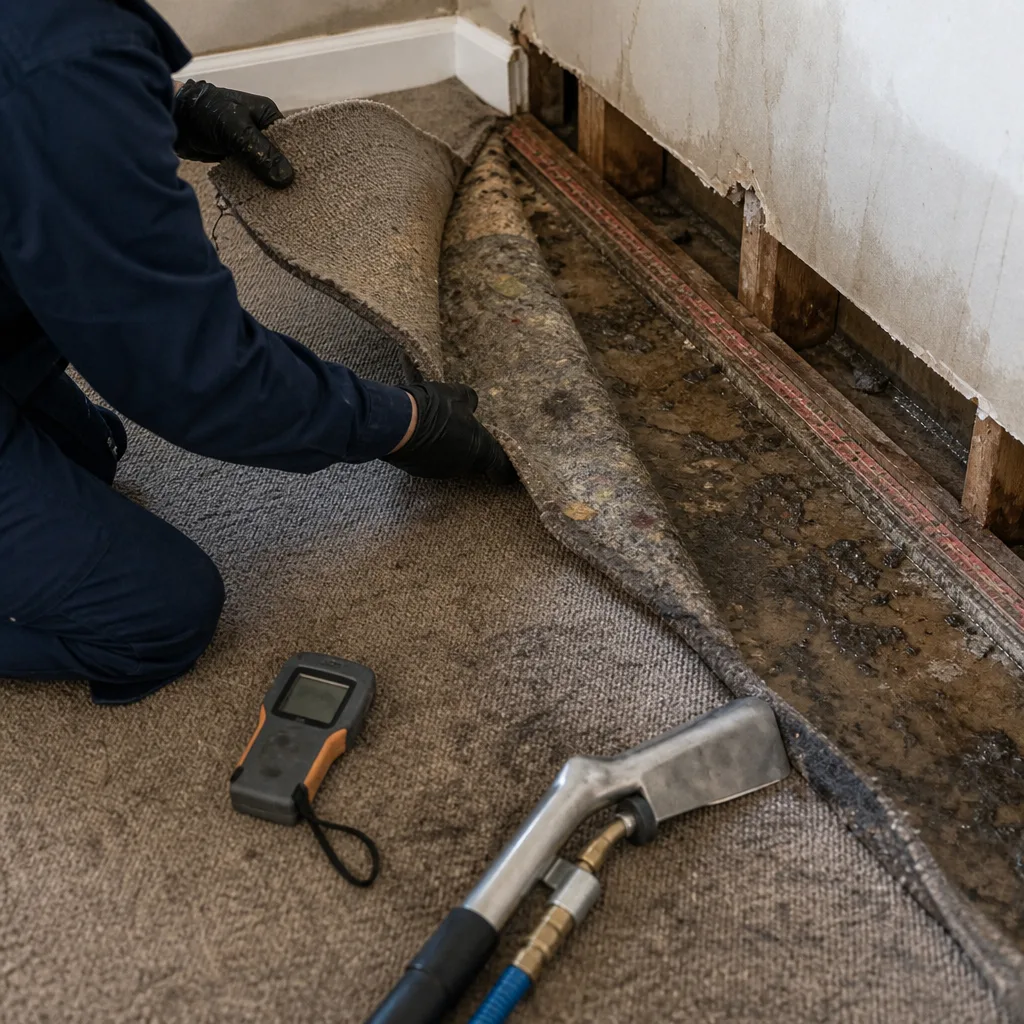
We start with thermal imaging and moisture meters to map exactly where water, soot, or mold has traveled inside your Park Ridge home. In older split-levels, that often means finding moisture behind drywall that looks dry from the outside.
Extraction & Stabilization
Standing water comes out first, using professional-grade extraction equipment from Dri-Eaz and Phoenix. We stabilize the structure to stop further damage while we build the full scope of work.
Drying & Dehumidification
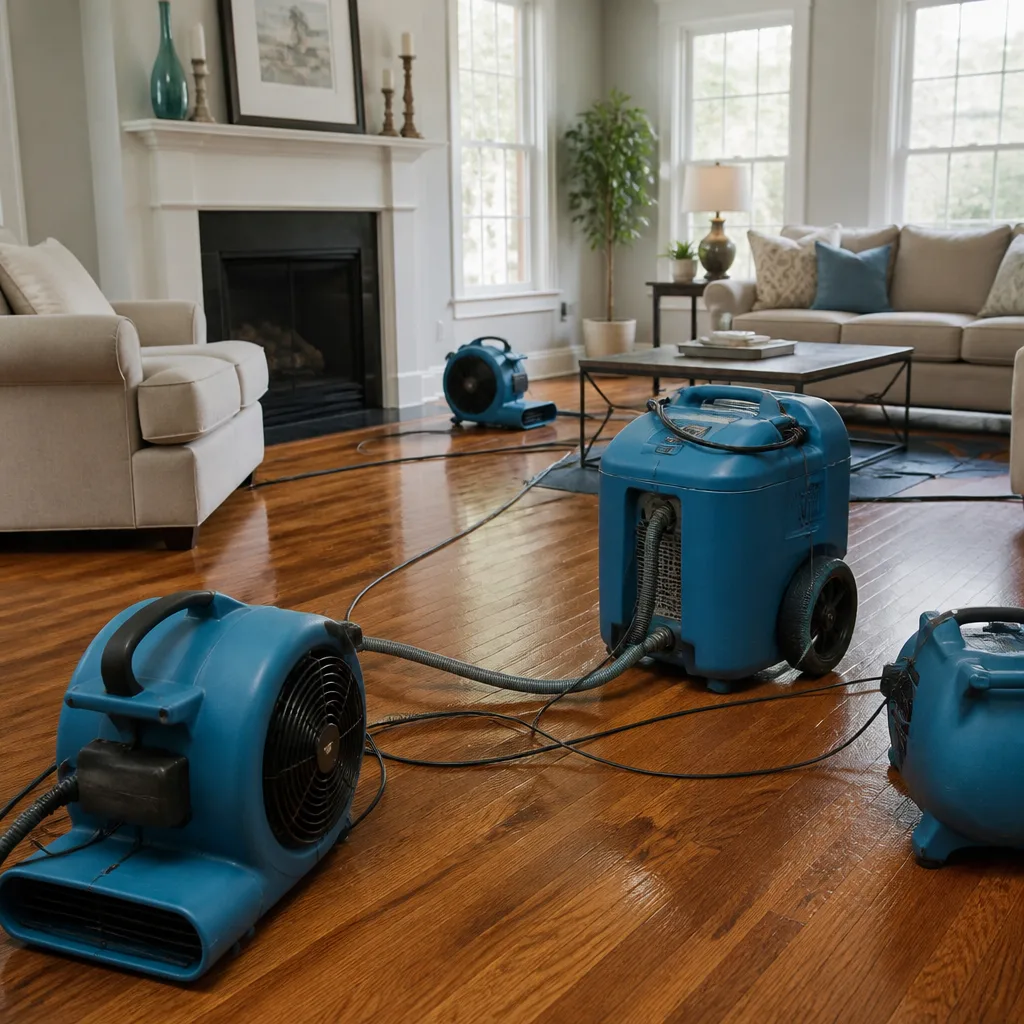
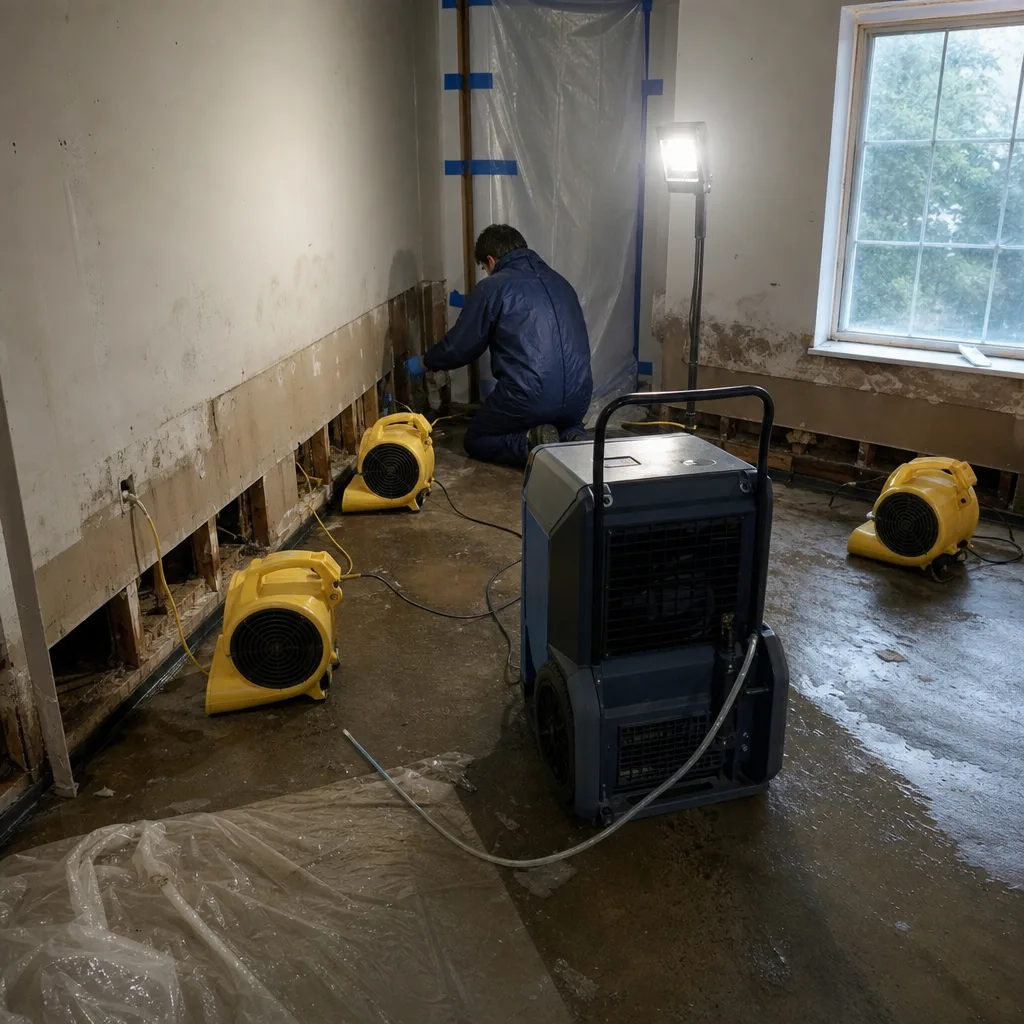
Air movers and dehumidifiers run on a calculated layout, not scattered around. Daily moisture readings get logged until every surface hits the dry standard. That log goes to you and your carrier.
Cleaning & Sanitization
HEPA air scrubbers pull contaminated particulates from the air while we clean salvageable surfaces. For Category 2 and 3 water, antimicrobial treatment is applied where needed, not as an upsell but as the standard of care.
Prior Restoration Tear-Out & Remediation
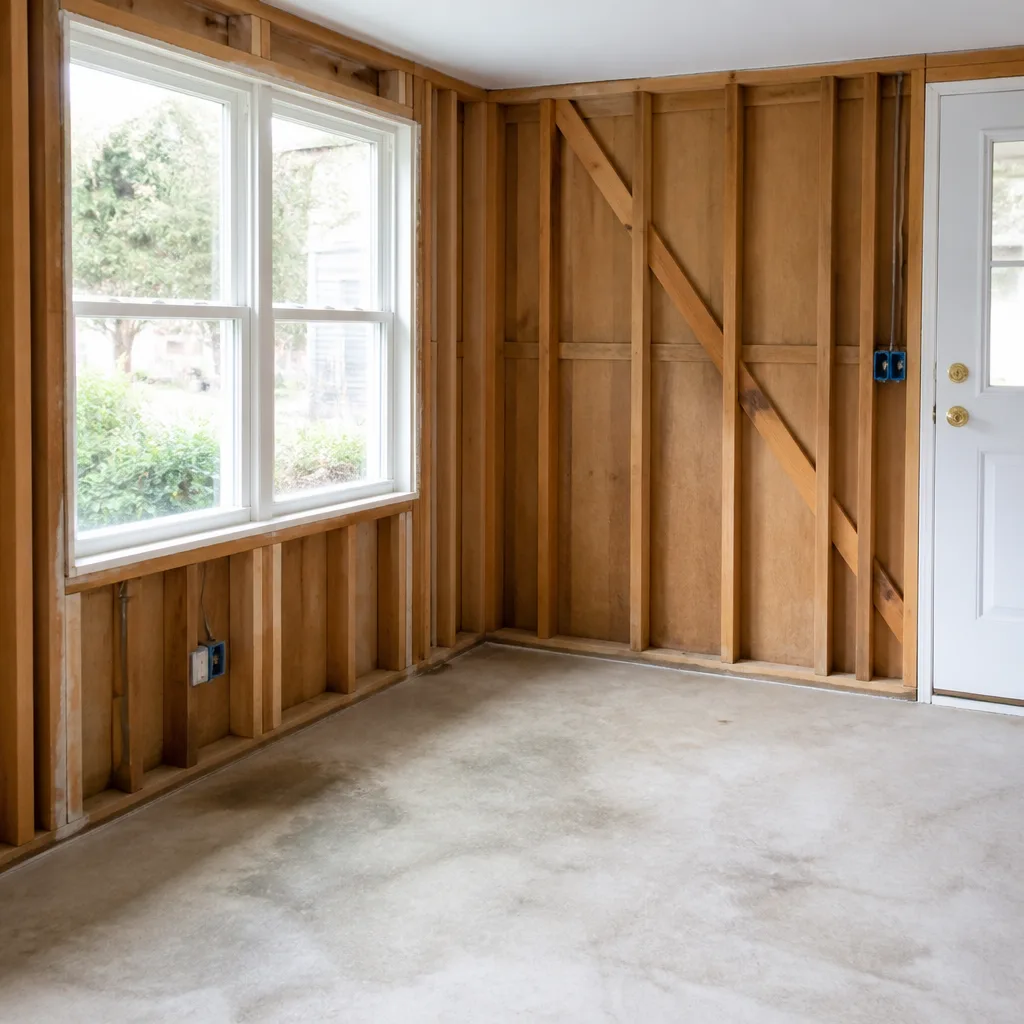
Park Ridge basements near the Pascack Brook often hide previous repairs that failed. Old vapor barriers, mold behind existing drywall, soggy sill plates, we remove what shouldn’t be there before we rebuild.
Repairs & Restoration
Drywall, flooring, paint, trim, we rebuild to pre-loss condition with the same crew that started the job. Everything is backed by the 90-Day Done Right Promise, in writing.
Need Emergency Reconstruction & Cleanup in Park Ridge Now?
Crews minute away, answering live 24 hours a day. The sooner we start, the less it costs.
Working With Your Insurance Company
Flood insurance claims in Park Ridge are different from most of Bergen County. Homes in FEMA-designated Special Flood Hazard Areas along the Pascack Brook face substantial-damage thresholds that can trigger elevation requirements, which means your reconstruction scope has to be documented precisely from the very first day. We photograph everything, room by room, before demo starts. We log moisture readings daily. We write line-item scopes that your adjuster can actually read, and we coordinate directly with the carrier so you never sit on hold trying to explain what a sill plate is. Direct insurance billing means the carrier pays us, and you’re not bridging the gap out of pocket.
What We Provide Your Insurer
- Thorough documentation of the loss
- Photos of all damage, room by room
- Moisture readings and drying logs
- A detailed, line-item scope of work
- Direct coordination with your carrier
Built for Park Ridge’s Loss Calendar
Park Ridge sees water, mold, and reconstruction calls through every season, and the patterns are predictable. Late winter brings freeze-thaw cycling that puts ice dams on the shallower-pitched Cape Cod rooflines from the 1960s, driving water into attics and wall cavities. Spring is the Pascack Brook’s season, when northern Bergen County nor’easters dump multi-day rain faster than the watershed can drain. Summer thunderstorms hit fast with flash flooding that overwhelms older storm drains. And autumn, before the cold sets in, is when homeowners finally discover the mold that’s been growing behind a wall since April. Homeowners who’ve been through even one overflow know the rhythm. We do too, and our Reconstruction & Cleanup in Park Ridge teams are staffed and equipped for it year-round.
Reconstruction & Cleanup Across Park Ridge’s Neighborhoods
The stretch along Brookside Avenue and the streets sloping toward the Pascack Brook sees the most severe flooding, and also the most repeat damage. Homes there have often been restored once or twice before, frequently not well. We’ve pulled gypsum board off studs on Brookside Avenue and found old mold growth behind drywall that a prior contractor painted right over. Further east, the neighborhoods around Colony Road and the split-levels near Elm Road sit on slightly higher ground, where basement seepage and foundation leaks from heavy rain are more common than outright overbank flooding. Even there, a 1950s foundation with original waterproofing lets water in through floor cracks and cove joints. Up near the Woodcliff Lake border along Mill Road, finished basements in colonials soak up water from saturated soil around the foundation after days of rain, and the repair scope looks different again. Different streets, different failure modes, but the same discipline: moisture-map everything, tear out what’s compromised, and rebuild to last.
Specialized Reconstruction & Cleanup Services We Offer in Park Ridge
Full-Service Reconstruction
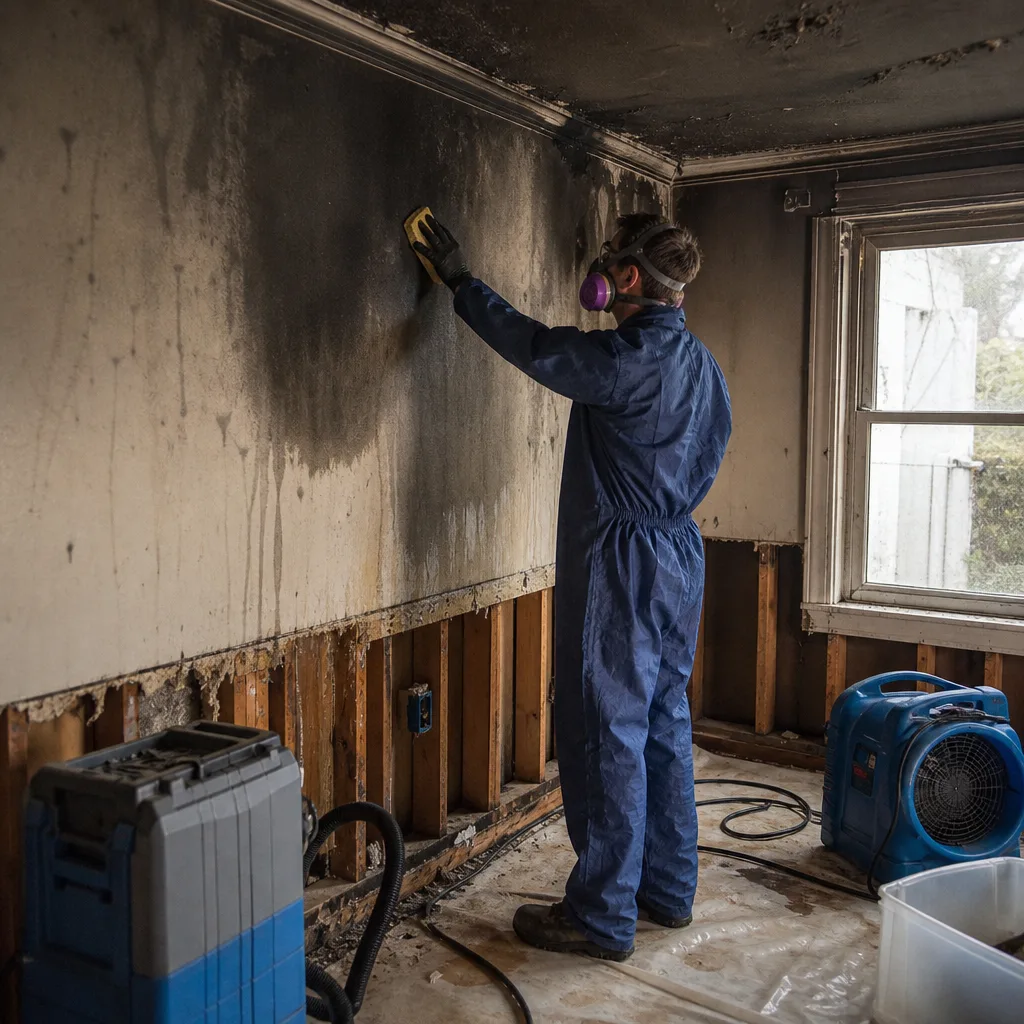
Water doesn’t care if your basement was finished in 1968 or last year. When the Pascack Brook floods a Park Ridge basement, the job is rarely just drywall and paint. We handle the full rebuild, framing repairs, insulation replacement, flooring, trim, and finish work, with the same crew throughout, so what gets put back matches what the house needs, not what a subcontractor finds convenient.
Contents Restoration & Pack-Out
Furniture, rugs, photo albums, books, clothing, all of it absorbs water and smoke. Our contents team packs out salvageable belongings, inventories them room by room, cleans what can be cleaned, and stores everything securely until your Park Ridge home is ready. In finished basements from the 1960s and 1970s, where entire rec rooms, home offices, and storage areas flood at once, this step often saves thousands of dollars in replacement costs.
Insurance Claim Documentation
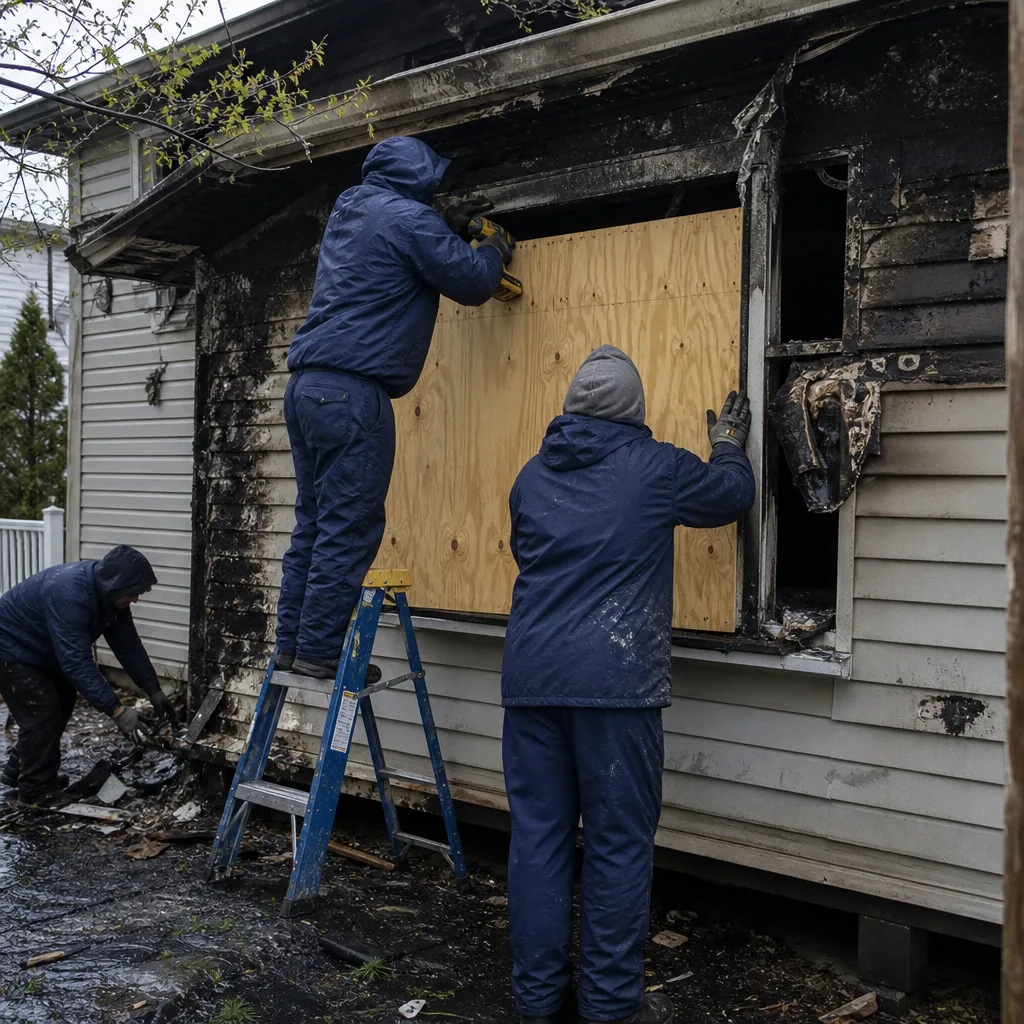
For homes in the Pascack Brook flood zone, FEMA substantial-damage rules can turn a straightforward flood restoration into a compliance conversation. We document every step, from the first moisture reading to the final coat of paint, and we format that documentation for what your flood insurance carrier needs. You get a copy, your adjuster gets a copy, and the claim moves forward with the paperwork it needs without you chasing it.
Drywall & Flooring Repair
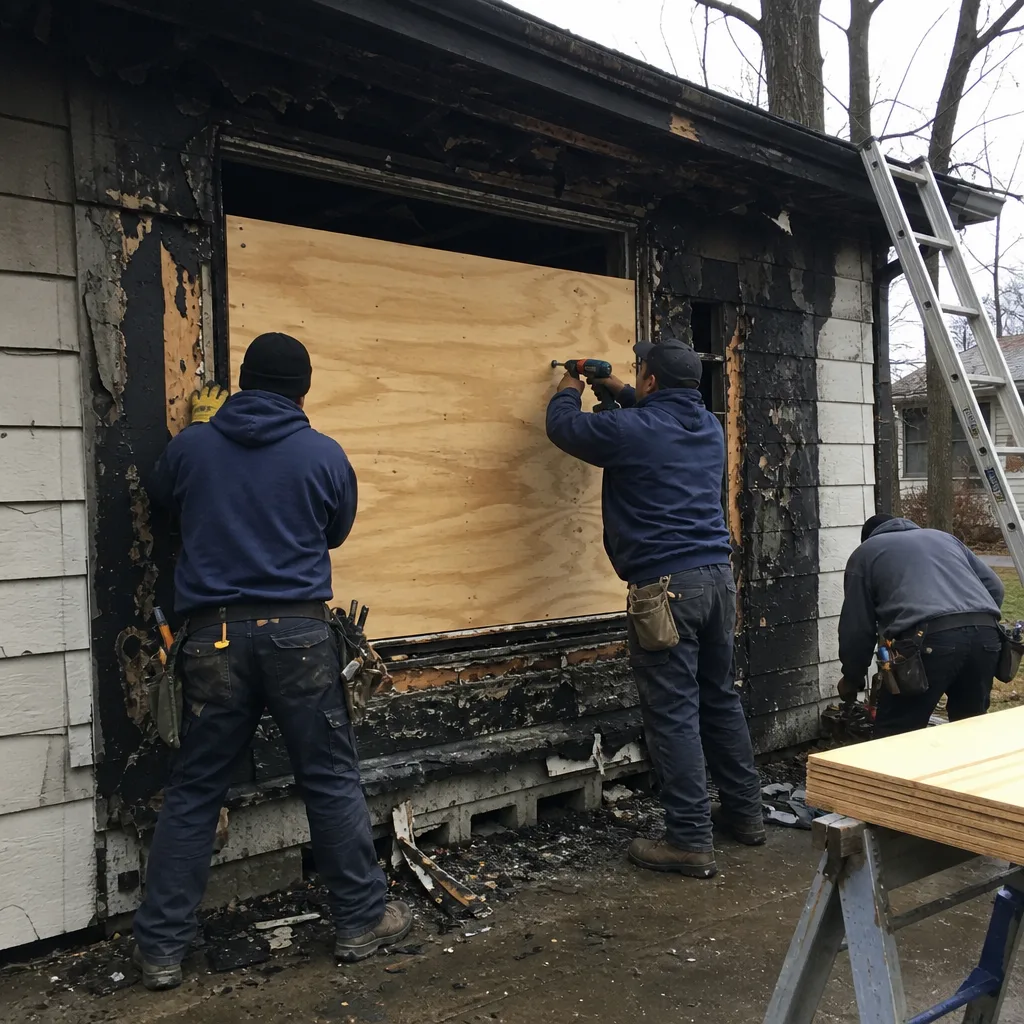
Floodwater wicks up drywall, delaminates subfloor, and warps hardwood. We cut walls to the right height, replace what’s saturated, match textures, and install new flooring that can actually handle a wet environment. In Park Ridge basements that flood repeatedly, that often means material choices that dry faster and resist mold growth better than what came out.
Carpet & Upholstery Cleaning
Not everything that gets wet has to be thrown away. Category 1 water from a supply line can sometimes allow carpet and upholstery to be cleaned, sanitized, and dried in place. Category 2 water from the brook changes that calculation. We’ll tell you honestly which applies to your situation, and we’ll never clean something that should be replaced just to avoid an uncomfortable conversation.
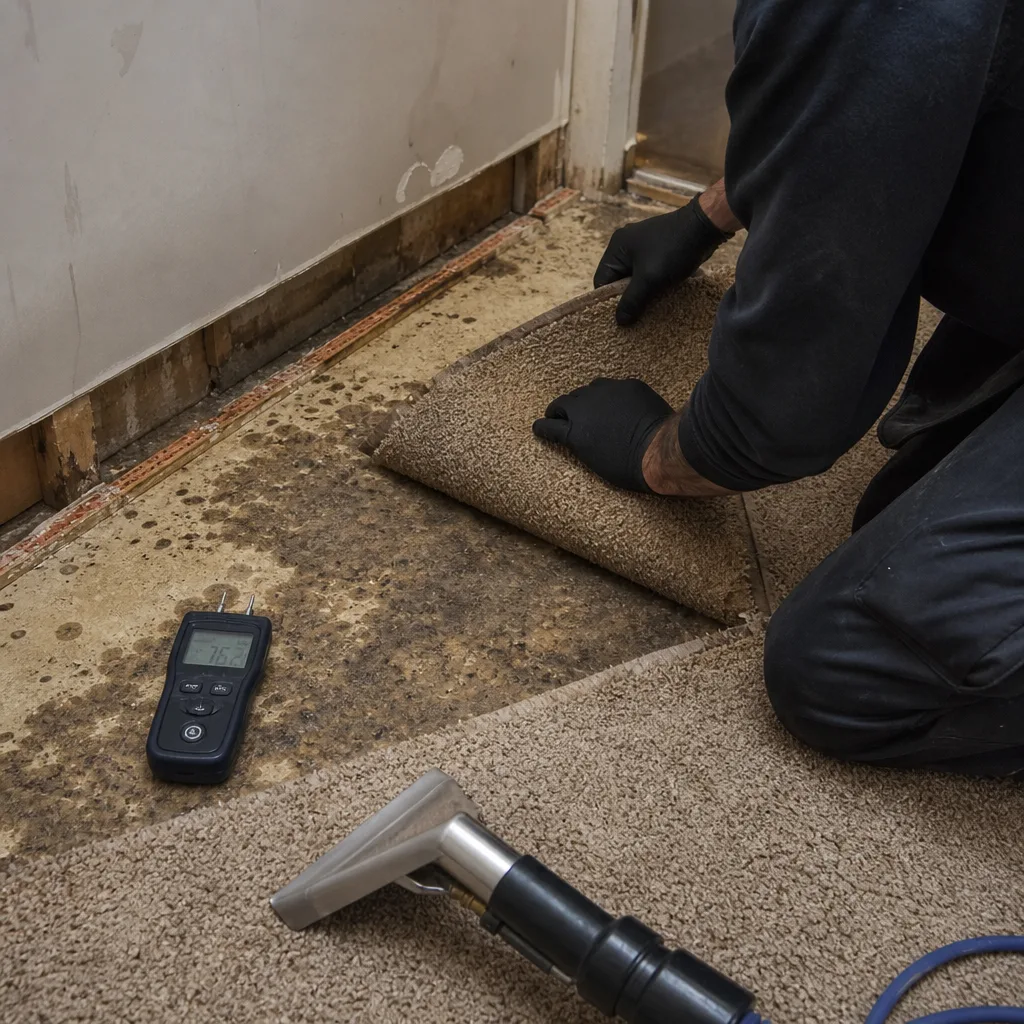
Post-Construction Cleanup
Reconstruction leaves fine dust on every surface. We clean it, so the first day back in your rebuilt space isn’t spent with a vacuum. After every Park Ridge rebuild, we run a final cleanup pass: HEPA vacuuming, surface wiping, and air scrubbers until the space is actually ready to live in.
What happens when you call
- 1
A real person answersNo phone trees - you reach a local pro.
- 2
You get an upfront price rangeHonest numbers before anyone is dispatched.
- 3
A background-checked tech heads outLicensed & insured, dispatched right away.
- 4
You approve before work beginsNothing starts until you say go.
Reconstruction & Cleanup Costs in Park Ridge, NJ
Honest numbers, because you deserve them before you decide anything. A single-room basement dry-out with minor drywall repair in Park Ridge typically runs $1,800 to $4,500. Full basement flood reconstruction after a Pascack Brook overflow, including tear-out, antimicrobial treatment, drying, new drywall, flooring, and paint, usually lands between $9,000 and $28,000 depending on square footage and how much prior restoration work has to be removed. Contents pack-out and restoration adds $2,000 to $7,000 on typical Park Ridge basements. Fire reconstruction runs $12,000 to $45,000 for average homes. What moves the price most: how fast we get there, whether prior repairs failed, and how much finished space is affected. The free visual inspection gets you a firm written scope before you spend a dollar, and direct insurance billing means the carrier handles what the policy covers.
We Also Serve Cities Near Park Ridge
Our crews regularly work in Montvale, Woodcliff Lake, Hillsdale, and Saddle River. Same live 24-hour dispatch, same 45-minute response commitment, same 90-Day Done Right Promise. If you’re in one of those towns and dealing with water, fire, or mold damage, call the same number: (914) 935-7914.
Serving Park Ridge, NJ - Our Local Coverage Area
We’re based in the Park Ridge area and know this community well. Use the map below to see our service coverage - if you’re nearby, we can almost certainly help.
Park Ridge Reconstruction & Cleanup Questions, Answered
Why does my Park Ridge basement keep needing re-remediation after every Pascack Brook flood?
In most cases, it’s not that the new flood undid good work, it’s that the previous restoration was never fully dry or never removed all the contaminated material. Homes along the Pascack Brook in FEMA-designated flood zones often have basements that were restored quickly after an earlier nor’easter, with drywall left in place that still held moisture behind it. When the next flood hits, the hidden mold is already there. The fix is a full tear-out to the studs, proper structural drying, and a new vapor barrier installed correctly. Call (914) 935-7914 for an exact assessment, free estimates are part of the deal.
Can you dry out my 1960s Cape Cod finished basement, or does everything need to come out?
Sometimes yes, sometimes no. If the water came from a supply line or a roof leak and was caught within a day or two, structural drying with air movers and dehumidifiers can often save the drywall and flooring. If it’s Category 2 water from a Pascack Brook overflow, or if the moisture has been sitting for more than 48 hours, porous materials typically have to come out. Insulation behind drywall is almost never salvageable after saturation. We’ll tell you which applies after the first moisture mapping, not before.
How do I document reconstruction for my flood insurance claim under FEMA’s substantial damage threshold?
Start with photos before anything gets moved or torn out. Then keep every receipt, every scope, every moisture log, and every permit document. FEMA’s substantial damage threshold compares repair costs to the structure’s pre-flood market value, so line-item documentation that separates flood damage from pre-existing conditions matters. We provide that documentation in the format carriers and floodplain managers expect, and we send it to your adjuster directly so the claim keeps moving. Call (914) 935-7914 and we’ll walk you through what your specific home needs.
What happens after a nor’easter floods my basement a second time? Is there a faster way to get back to normal?
Repeated flooding means the first restoration either failed or was incomplete. The faster path forward is a full tear-out of everything suspect, aggressive drying with professional-grade equipment, antimicrobial treatment where warranted, and a rebuild using materials that tolerate moisture better than what came out. The “quick fix” of painting over damp drywall and replacing carpet is exactly what puts you back in the same spot after the next storm. We’ve been called to Park Ridge homes where the second flood was actually less severe than the first, but the damage was worse because of what was hidden behind the walls. Speed matters, but so does doing it right, so you don’t do it again.
Do I need antimicrobial treatment every time the Pascack Brook overflows into my split-level?
If the water is Category 2 grey water, which is typical for floodwater from the brook that mixes with ground runoff and possibly backed-up drains, then yes. Antimicrobial treatment on all affected surfaces after extraction and drying is the current standard of care for flood restoration. Skipping it to save a few hundred dollars is a false economy, it invites mold growth inside your walls and under your flooring, and it can complicate your next insurance claim. We treat every Category 2 water job with antimicrobials, every time, without exception.
How fast can someone actually get here from the time I call?
Our commitment is 45 minutes to Park Ridge from the time you hang up. We dispatch locally, and our dispatch board is built around live response, not callbacks. At 2 a.m. during a nor’easter, the same commitment holds. A live person answers, a crew is assigned, and extraction starts the same visit. Call (914) 935-7914 and time it yourself.
Will my insurance cover the reconstruction, or am I paying out of pocket?
Most Park Ridge homeowners with flood insurance through NFIP or a private carrier have coverage for flood damage restoration, including tear-out, drying, cleanup, and reconstruction. The amount depends on your policy limits and whether the home is in a Special Flood Hazard Area along the Pascack Brook, which most low-lying streets are. We bill your carrier directly and coordinate with the adjuster, so the paperwork and payment flow without you having to front the full cost. Bring us your policy documents and we’ll tell you honestly what’s covered before work starts.
Are your technicians actually certified, or is that just website language?
Our technicians carry IICRC certifications in water damage restoration, fire and smoke restoration, and applied microbial remediation, the WRT, FSRT, and AMRT designations. They’re background-checked, uniformed, and trained to IICRC, RIA, and IFA standards. We use Dri-Eaz, Phoenix, and XPOWER equipment on every job. If you want to see credentials when the crew arrives, ask. They’ll show you.
One more thing. We responded to a split-level on Brookside Avenue where the finished basement had been restored after a prior nor’easter. The homeowner thought everything was fine until moisture mapping found elevated readings behind existing drywall from an incomplete dry-out. Our crew set containment, removed the old vapor barrier, completed structural drying with Dri-Eaz dehumidifiers and air movers, and rebuilt to pre-loss condition before the next spring rain. That’s the kind of thing that separates cleaning a basement from actually fixing it. It’s also why we put the 90-Day Done Right Promise in writing on every job we do.
If your Park Ridge home has water, fire, mold, or storm damage, or if you’re just tired of a basement that floods every time the Pascack Brook rises, call (914) 935-7914. A live person will answer, any hour, any day. We’ll be there when we say. The line the water left is where we start.
Written by Curt Bowman, Owner at Floodline Restoration Co., serving Park Ridge and surrounding Bergen County communities since 2010.