

Free visual inspection and a written scope of work before any mitigation begins - photos, moisture readings, and drying logs go in your claim file
The scope we write is the scope we bill. Anything new gets shown to you, in writing, before we touch it.
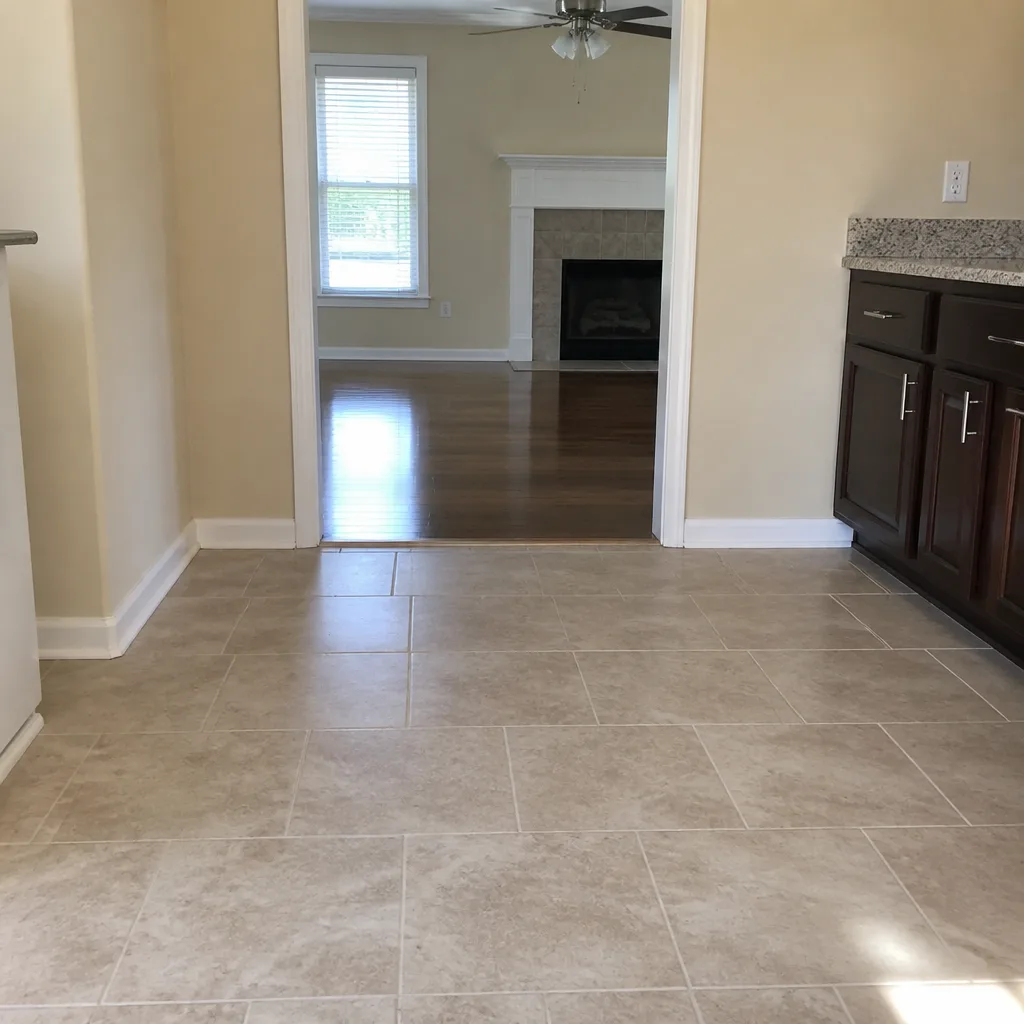
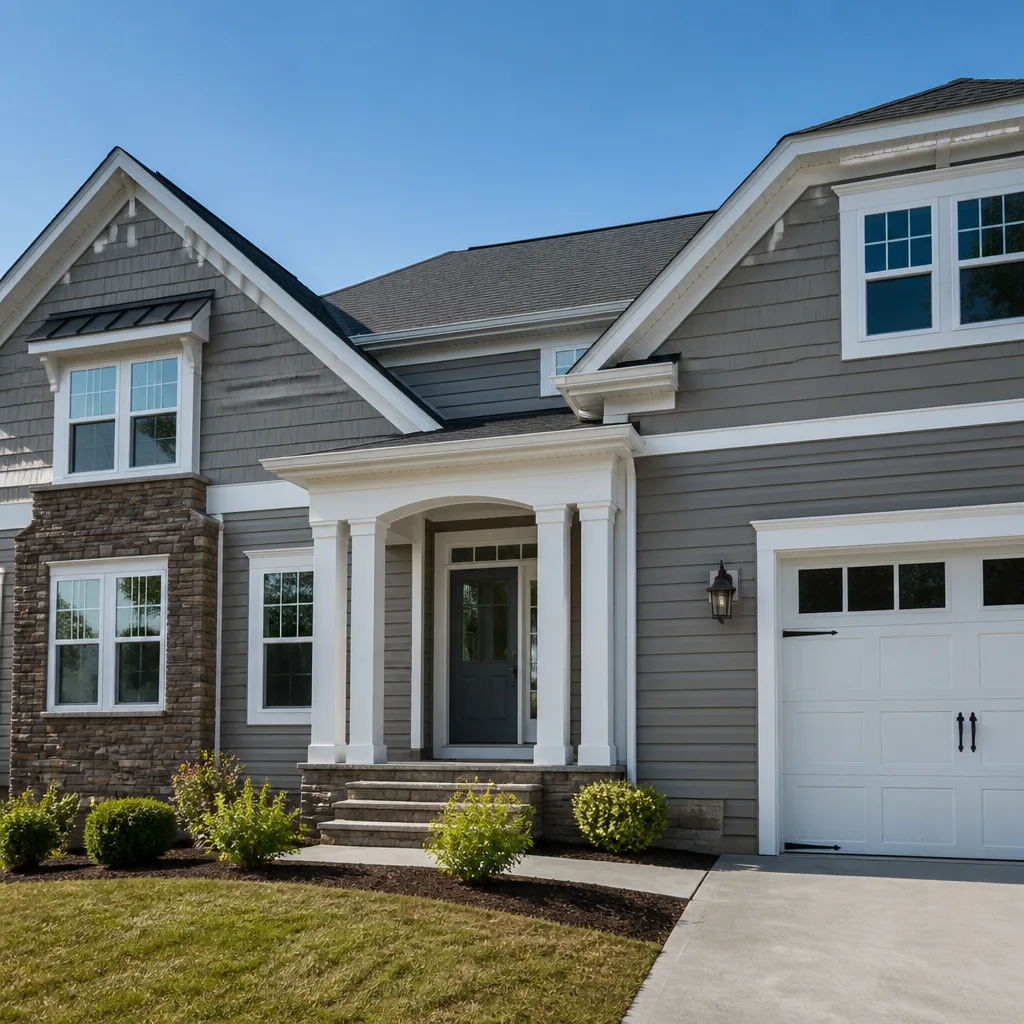
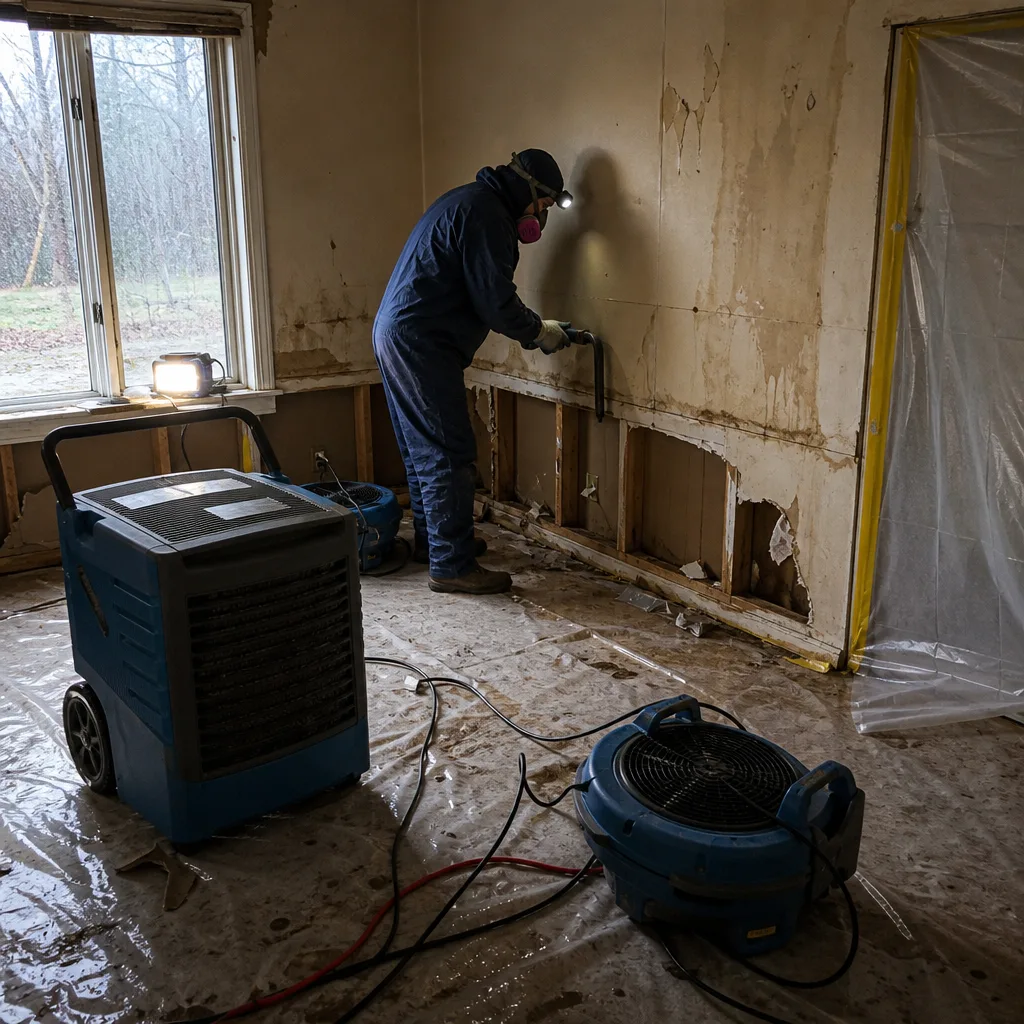 Before
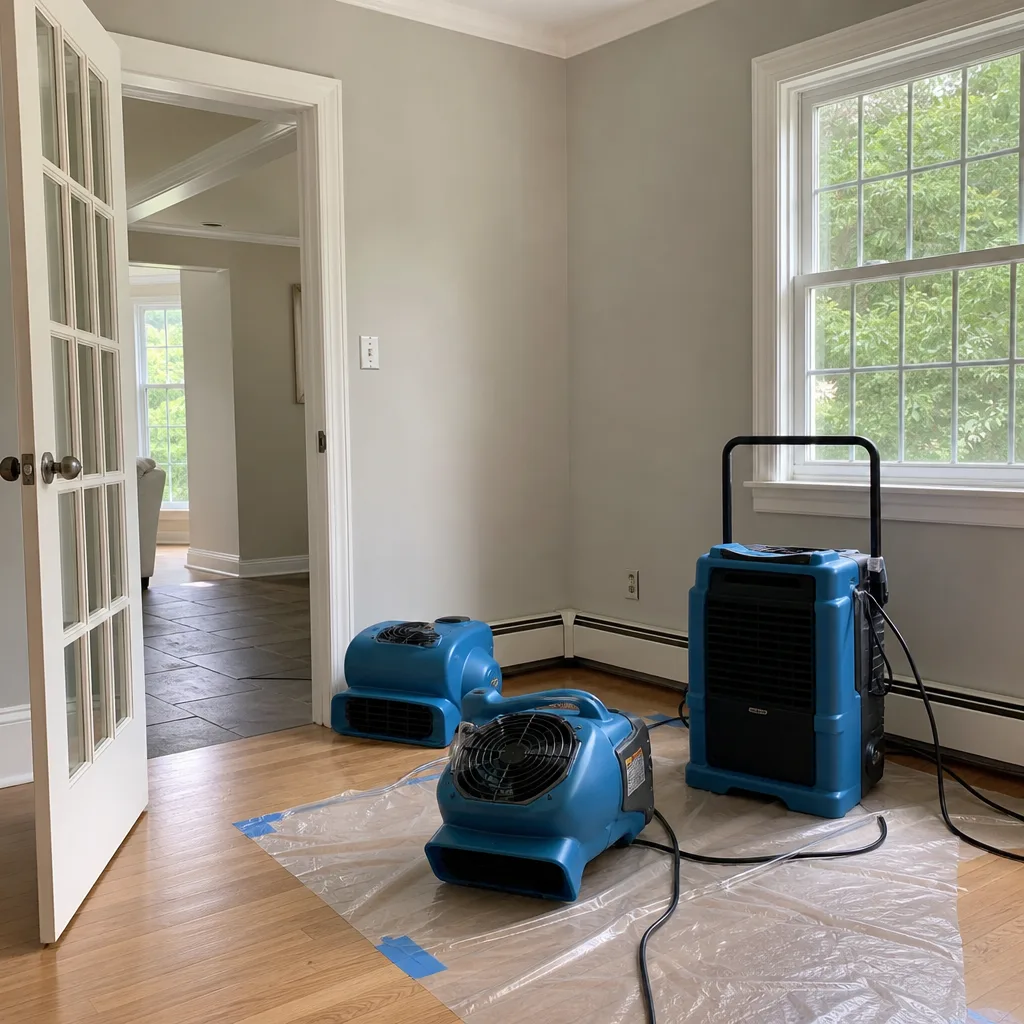 After
After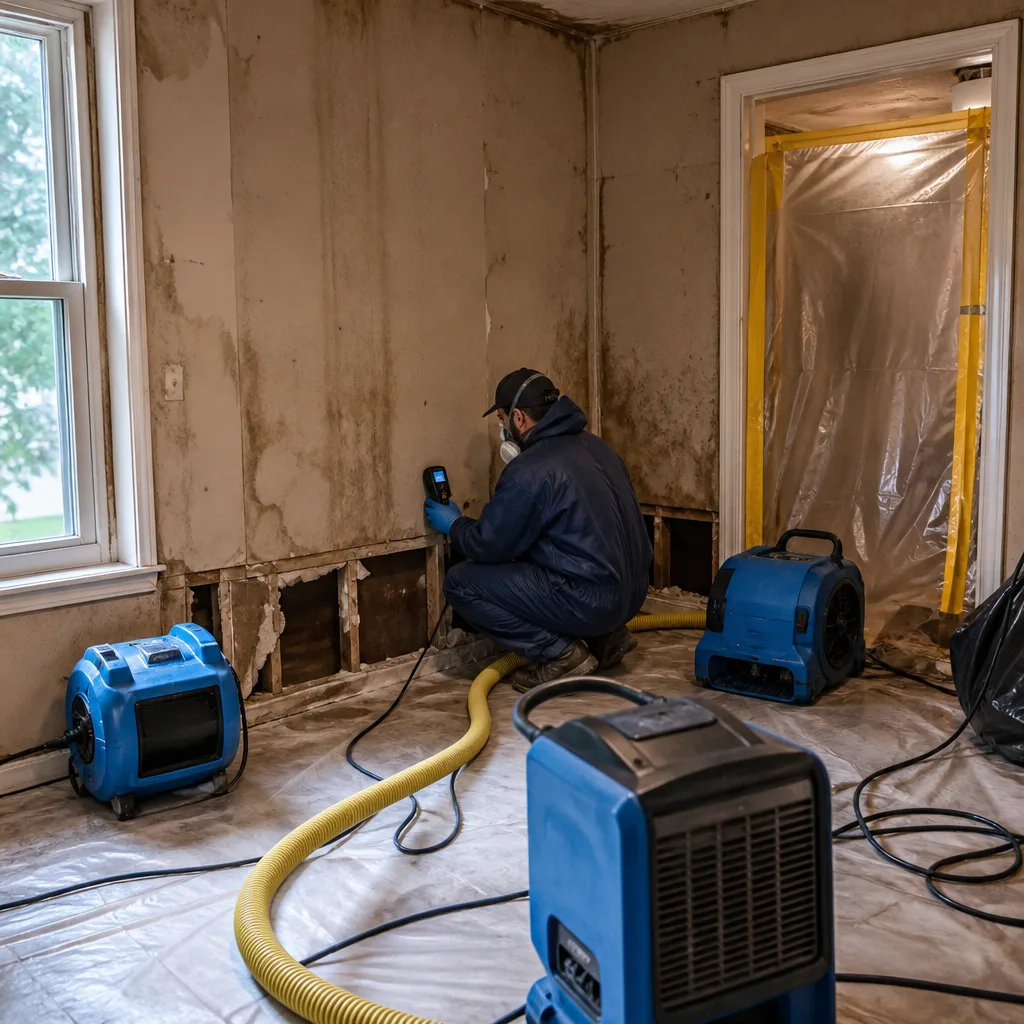 Before
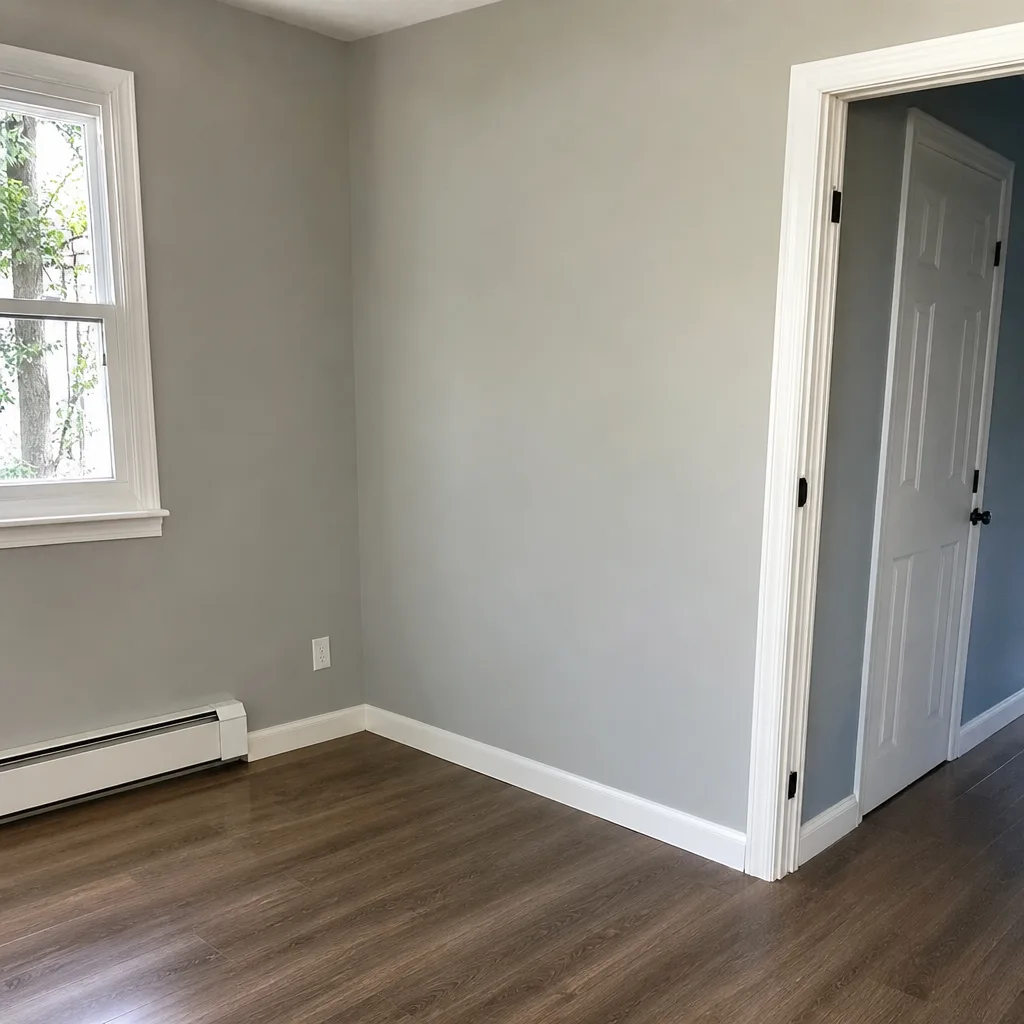 After
After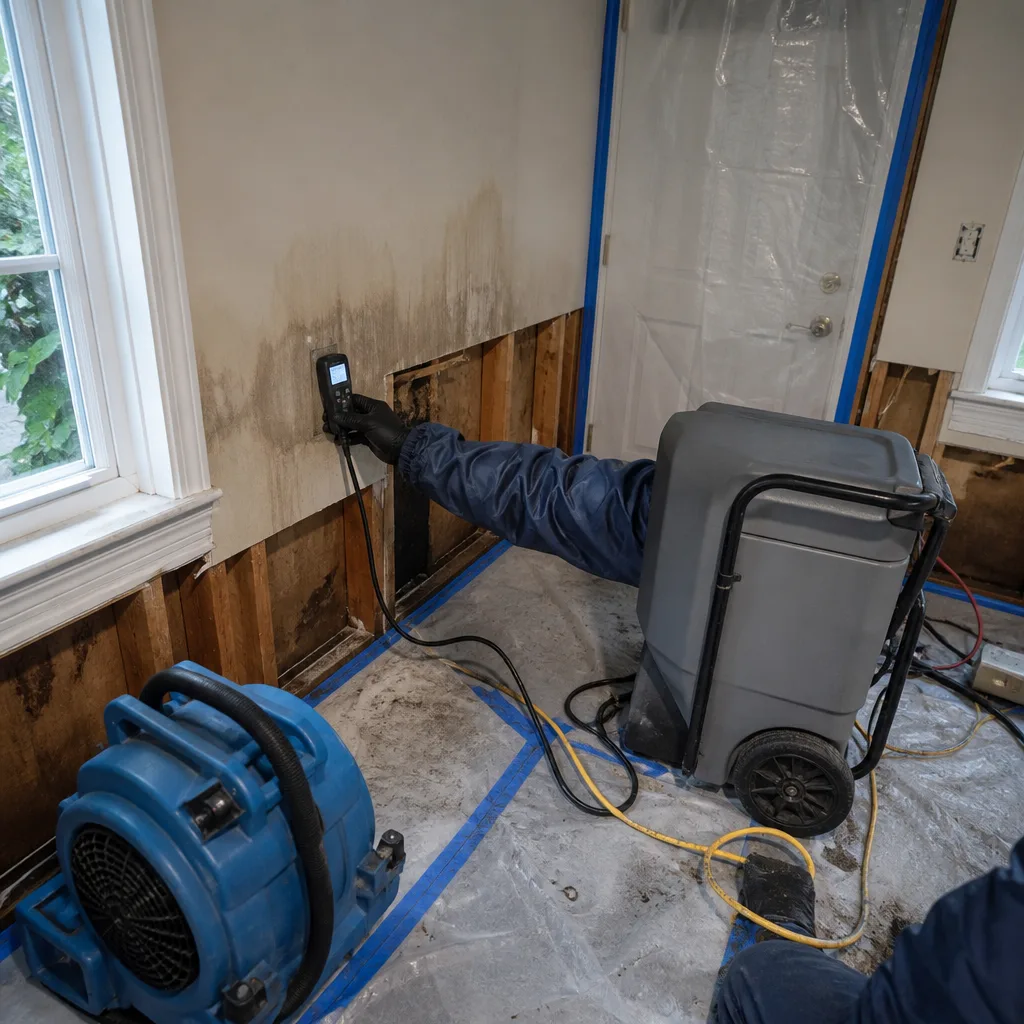 Before
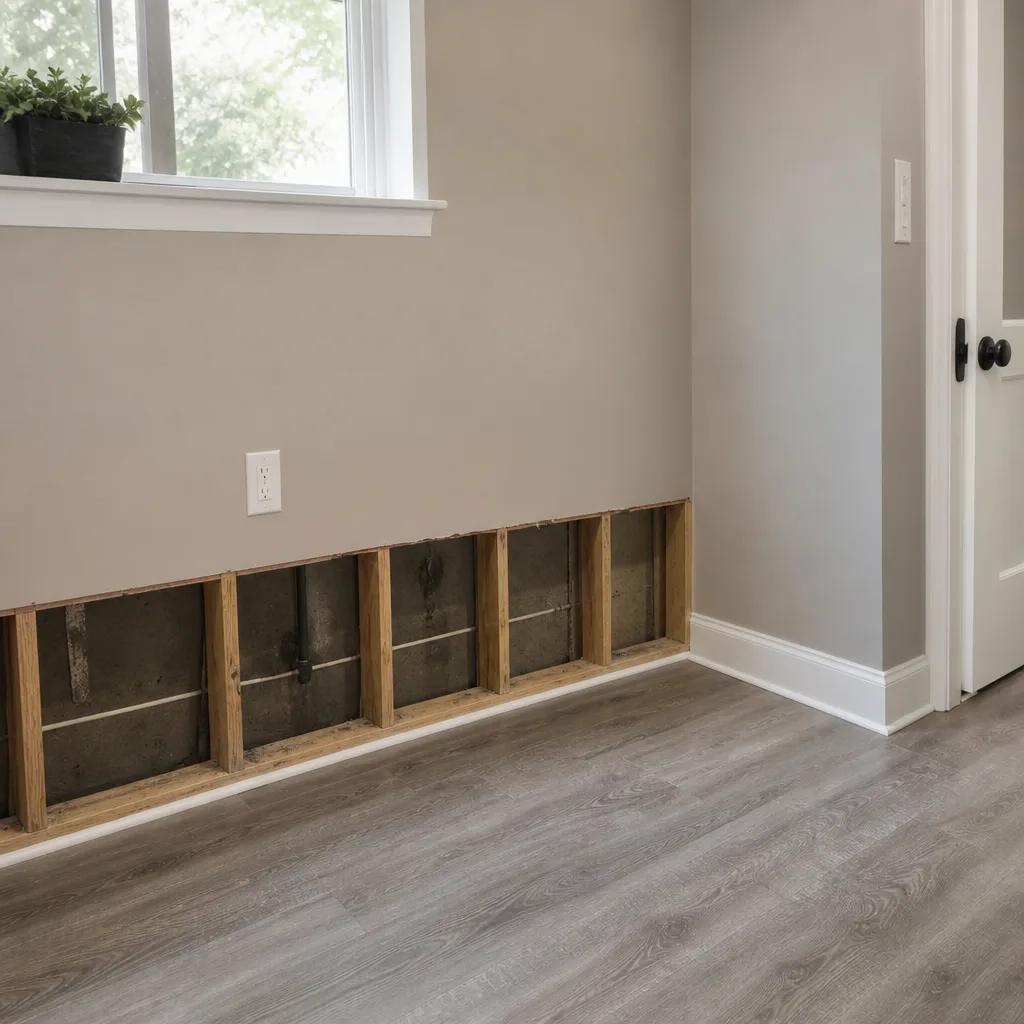 After
After24/7 Emergency Storm & Disaster Restoration in Hillsdale
Storm damage in Hillsdale moves fast, and so do we. When the Pascack Brook jumps its banks or a nor’easter tears through Bergen County, a finished basement can go from damp to destroyed in under an hour. Our live dispatch team answers at (914) 935-7914 around the clock, every day of the year. A uniformed, certified crew reaches Hillsdale homes fast, starts extraction on the first visit, and keeps working until the structure is dry, clean, and safe to occupy. The first call you make after a storm is the one that determines how much of your home survives it.
Understanding Storm & Disaster Restoration Severity in Hillsdale Properties
Not every storm that hits Hillsdale creates the same kind of water. The borough sits directly in the Pascack Brook flood plain, and when that waterway overflows during a nor’easter or heavy rain event, the water entering basements along Brookside Avenue, Park View Drive, and nearby streets is rarely clean. It picks up silt, lawn chemicals, and sanitary-line content as it moves through the borough’s storm drains and low-lying yards. Restoration crews classify that as Category 3 water, the most hazardous kind, and it requires full containment, antimicrobial treatment, and removal of saturated porous materials rather than simple drying. Homes on higher ground, away from the brook, more often see Category 1 or 2 water from wind-driven rain through damaged roofs or failed sump pumps overwhelmed by a high water table. Because Hillsdale’s housing stock is dominated by Cape Cods, colonials, and split-levels built from the late 1940s through the early 1970s, nearly all of those basements are finished or semi-finished. That means drywall, carpet, wood paneling, and insulation are in the path of any water that gets in, and those materials hold moisture in ways that promote mold growth within 24 to 48 hours if drying doesn’t start immediately.
Why Hillsdale Property Owners Choose Floodline Restoration Co.
- 45-minute response commitment: We dispatch crews to Hillsdale addresses from our metro office the moment a call comes in, and we commit to a 45-minute response window for emergency storm and flood work.
- 24/7 live answer, every single call: A real person picks up at two in the morning. No automated system, no voicemail, no callback wait. That’s been our standard since Curt Bowman founded Floodline Restoration Co. in 2010.
- IICRC-certified crews on every job: Our technicians hold WRT, FSRT, and AMRT certifications and train to IICRC, RIA, and IFA standards. Background-checked and uniformed, every time.
- Free visual inspection before any work begins: You get a clear, written scope of work and a firm price before we touch a single stud. No surprises on the bill, ever.
- Direct insurance billing: We bill your carrier directly and handle adjuster communication, so you never play messenger between Floodline and your insurance company.
- One team from first extraction to final rebuild: The same certified crew that runs the moisture map on day one handles daily readings, hands you the drying log, and rebuilds what needs rebuilding. No mid-job handoff.
Our Storm & Disaster Restoration Process
Inspection & Assessment
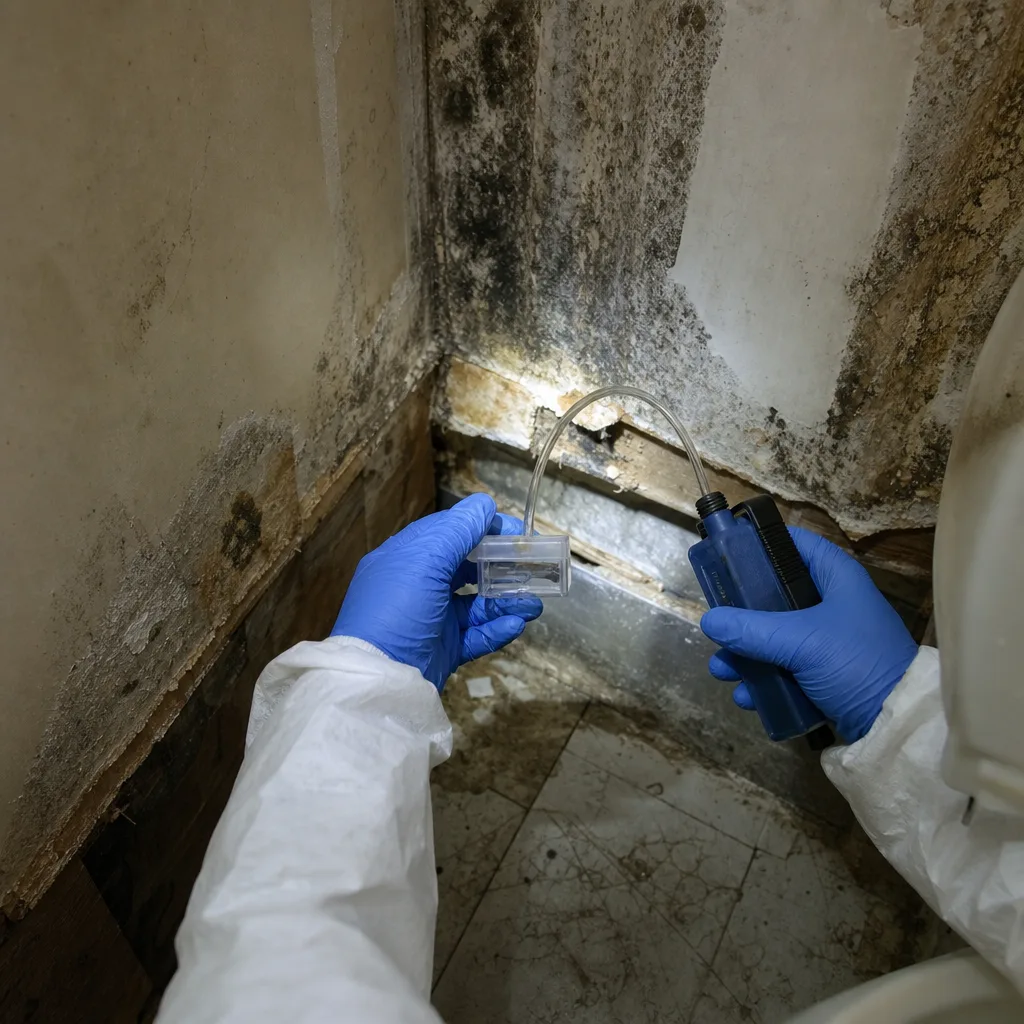
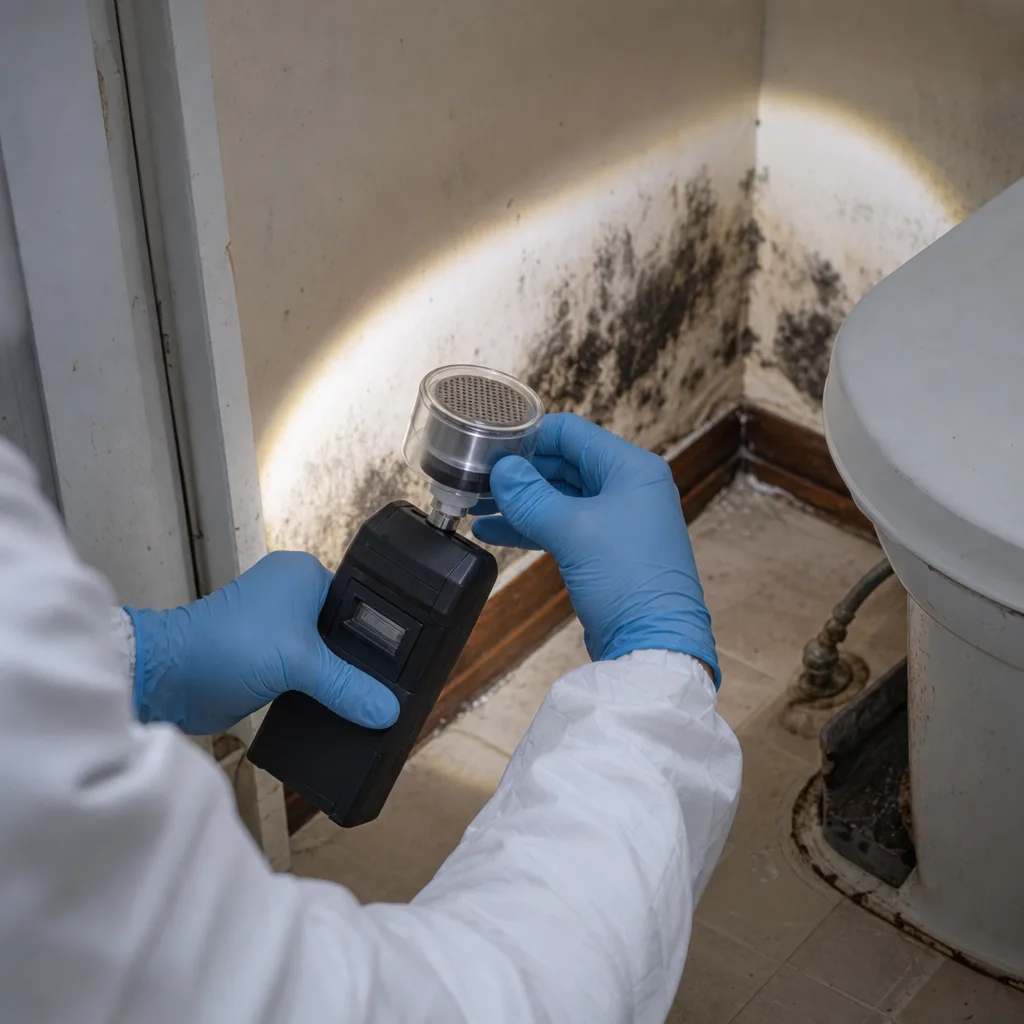
We start with a full visual inspection and moisture mapping using thermal imaging and hygrometers. For brook-adjacent Hillsdale homes, we check the borough’s FEMA flood-zone map and identify the water category before any extraction begins.
Extraction & Stabilization
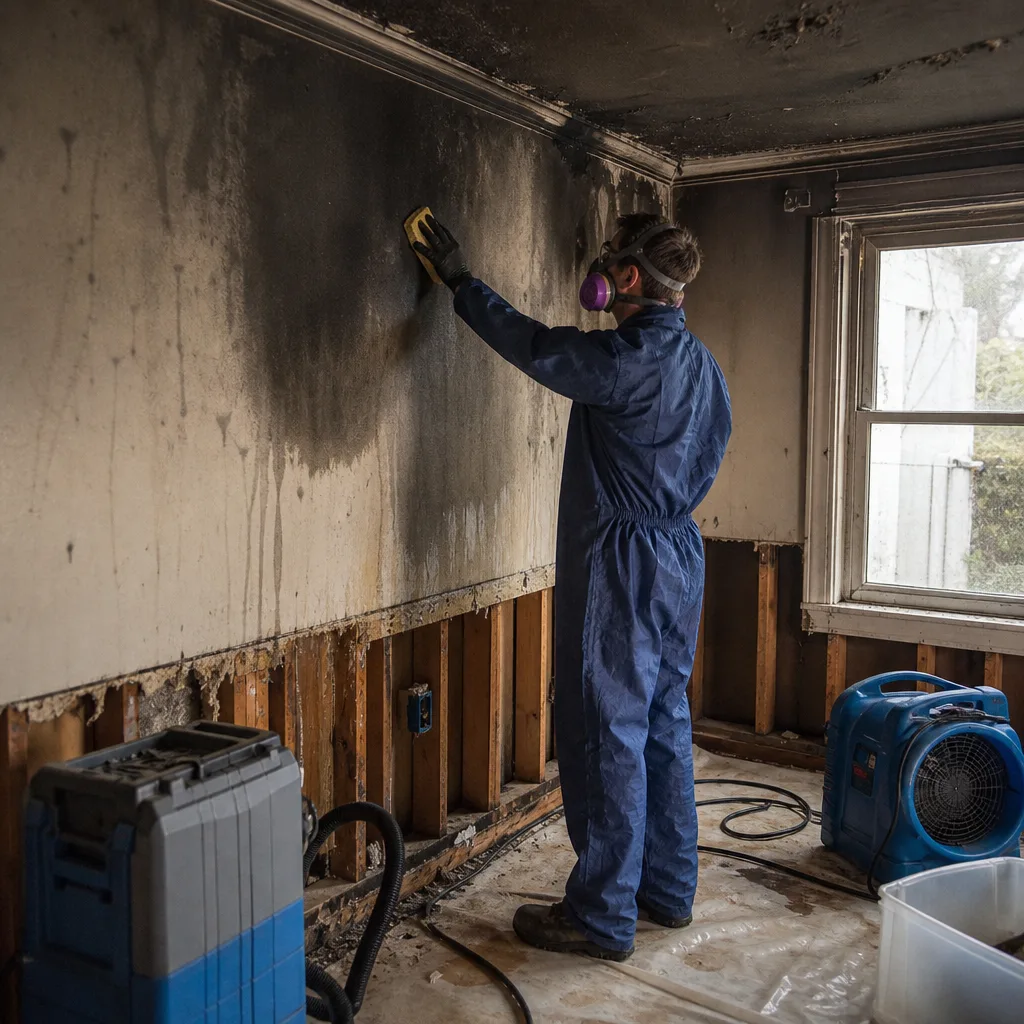
Standing water comes out fast using professional-grade truck-mounted extraction equipment. For Category 3 water, we run full containment before anything else moves. Emergency board-up and roof tarping happen in this phase to stop additional water entry.
Drying & Dehumidification
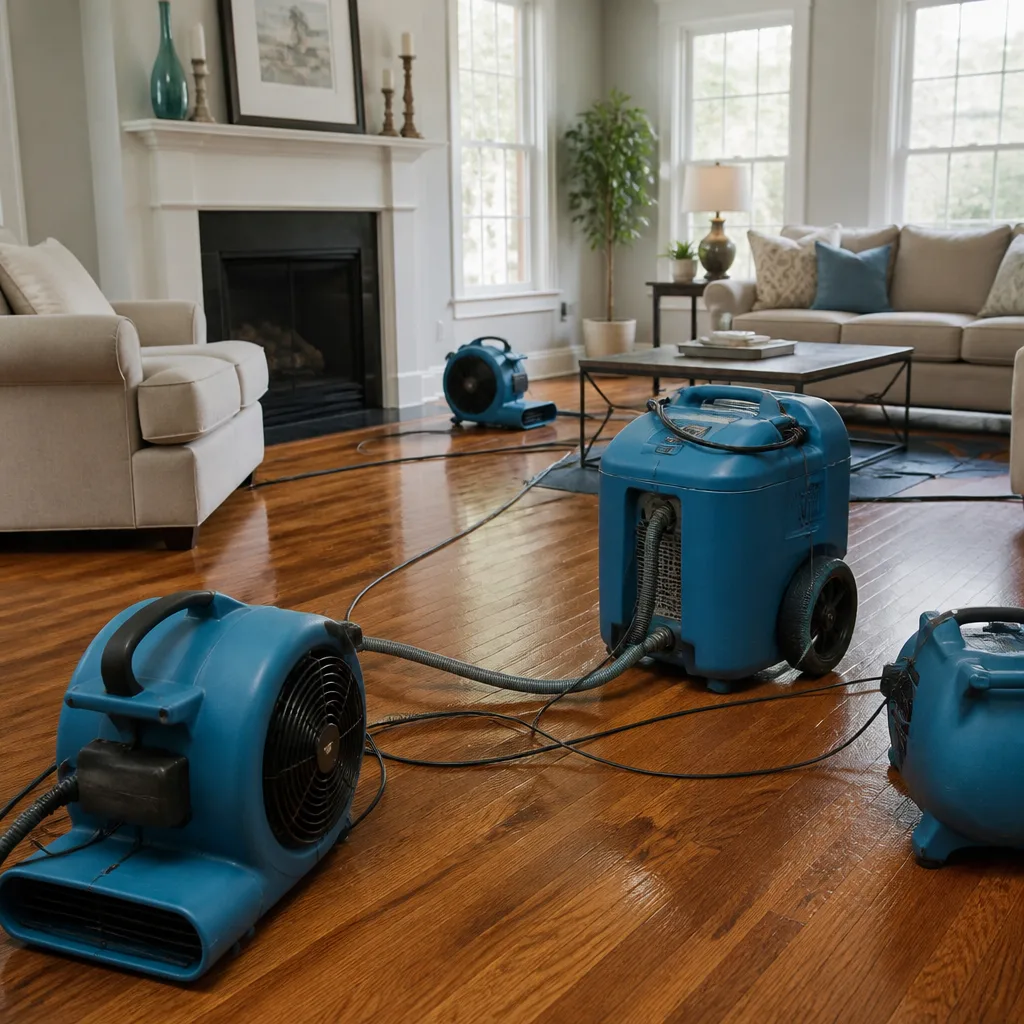
We position Phoenix axial air movers and LGR dehumidifiers to create airflow across every wet surface. Daily moisture readings are logged until the structure hits the dry standard. For 1950s finished basements, we check exterior wall cavities where foundation backfill saturation can hide moisture.
Cleaning & Sanitization
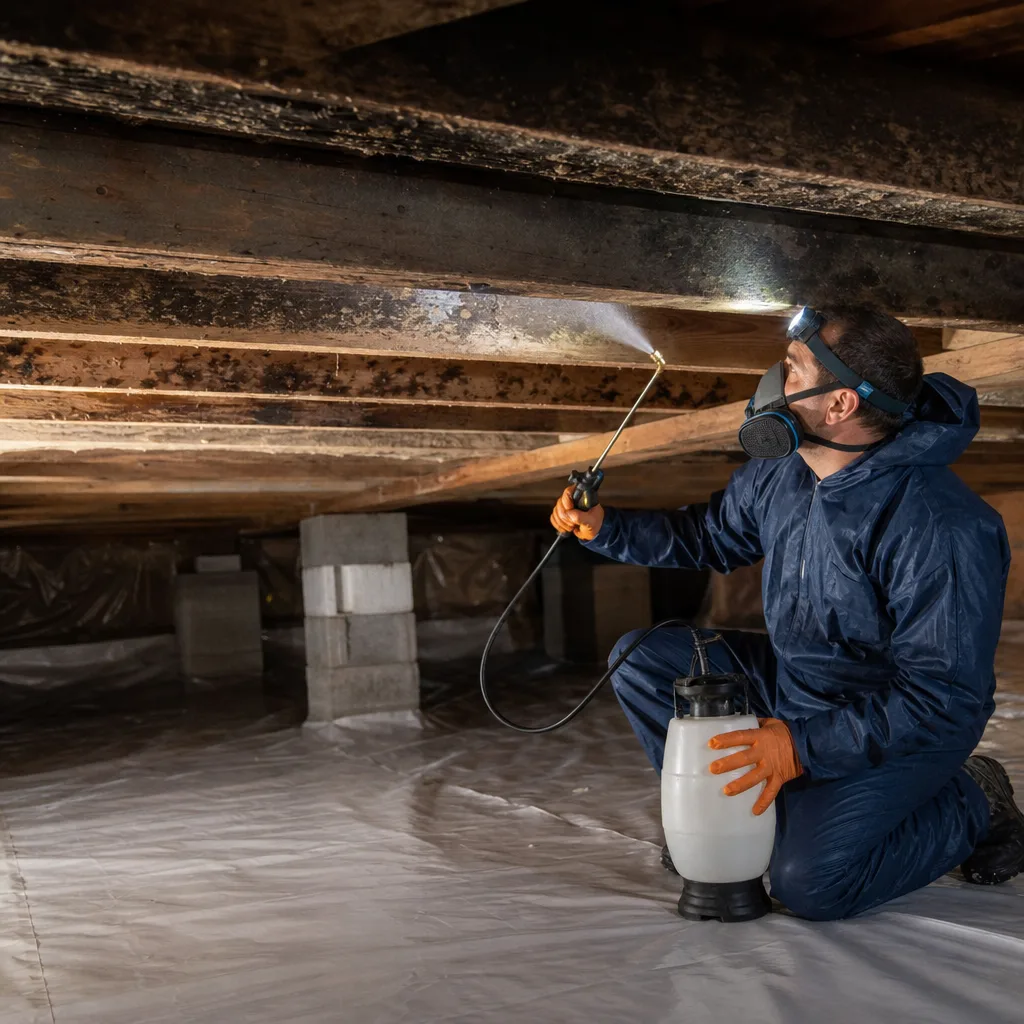
All affected surfaces receive antimicrobial treatment. HEPA air scrubbers run throughout the drying period to capture airborne contaminants. Contents that can be salvaged are cleaned, dried, and documented.
Wind & Structural Repair
Storm-damaged windows, doors, and roofing get repaired or replaced to wind-rated standards appropriate for Bergen County’s storm exposure. We handle loose flashing, damaged gutters, and compromised structural components.
Repairs & Restoration
We rebuild what the storm took out: drywall, insulation, flooring, cabinetry, paint. The same crew that did the extraction does the reconstruction, so nothing is lost in a handoff. Every job ends with a moisture log and our 90-Day Done Right Promise in your hands.
Need Emergency Storm & Disaster Restoration in Hillsdale Now?
Crews minutes away, answering live 24 hours a day. The sooner we start, the less it costs.
Working With Your Insurance Company
Storm restoration in Hillsdale often means an NFIP flood claim, and that claim lives or dies on documentation. We photograph every affected area before, during, and after mitigation. We log moisture readings daily, itemize every piece of damaged content, and prepare the elevation-certificate-ready paperwork NFIP adjusters expect on brook-adjacent properties. Our team communicates directly with your carrier, submits industry-standard estimates, and pushes for a fair settlement while you focus on your family. For homeowners near the Pascack Brook, this documentation is not optional. It is the difference between a paid claim and a denied one.
What We Provide Your Insurer
- Thorough documentation of the loss
- Photos of all damage, room by room
- Moisture readings and drying logs
- A detailed, line-item scope of work
- Direct coordination with your carrier
Built for Hillsdale’s Loss Calendar
The storm damage that hits Hillsdale in March is not the same as what hits in August. January and February bring deep freezes that burst supply lines in the borough’s older Cape Cods and split-levels, often flooding finished basements while families are away. March through April is nor’easter season, and that is when the Pascack Brook becomes the story. Spring snowmelt saturates the water table and combines with heavy coastal rain to push the brook over its banks and overwhelm sump pumps in lower-lying sections of the borough. Summer thunderstorms arrive fast and dump inches of rain in an hour, flashing across the same low-lying streets and testing gutters, downspouts, and grading. September and October bring tropical remnants up the coast, and those storms carry more water than the brook’s channel can handle. Wind damage is a year-round threat here, particularly to older roof systems and the original single-pane windows still common in Hillsdale’s post-war housing stock. Knowing what actually causes losses each season means our crews show up expecting the right kind of damage, with the right equipment already on the truck.
Storm & Disaster Restoration Across Hillsdale’s Neighborhoods
Hillsdale’s storm losses cluster in patterns that follow the Pascack Brook. Homes along Brookside Avenue and the streets that slope toward the brook’s flood plain see the worst of it: finished basements taking on Category 3 water, foundation walls saturated from the outside, and homeowners holding NFIP policies that require specific documentation. The neighborhoods north of Hillsdale Avenue, including the streets around Memorial Park, sit higher and more often see wind damage and roof leaks than brook flooding, but their older colonials still hold 1960s-era basements with wood paneling that traps moisture. The split-levels along the borough’s southern edge near Pascack Valley Hospital catch runoff from the parkway corridors and need sump pump capacity that many original systems never had. And the Cape Cods clustered near Centennial Field deal with wind-driven rain through aging roof flashing and chimney joints. Wherever the job is in Hillsdale, our crews know the building stock, the water patterns, and the paperwork that goes with each address.
Specialized Storm & Disaster Restoration Services We Offer in Hillsdale
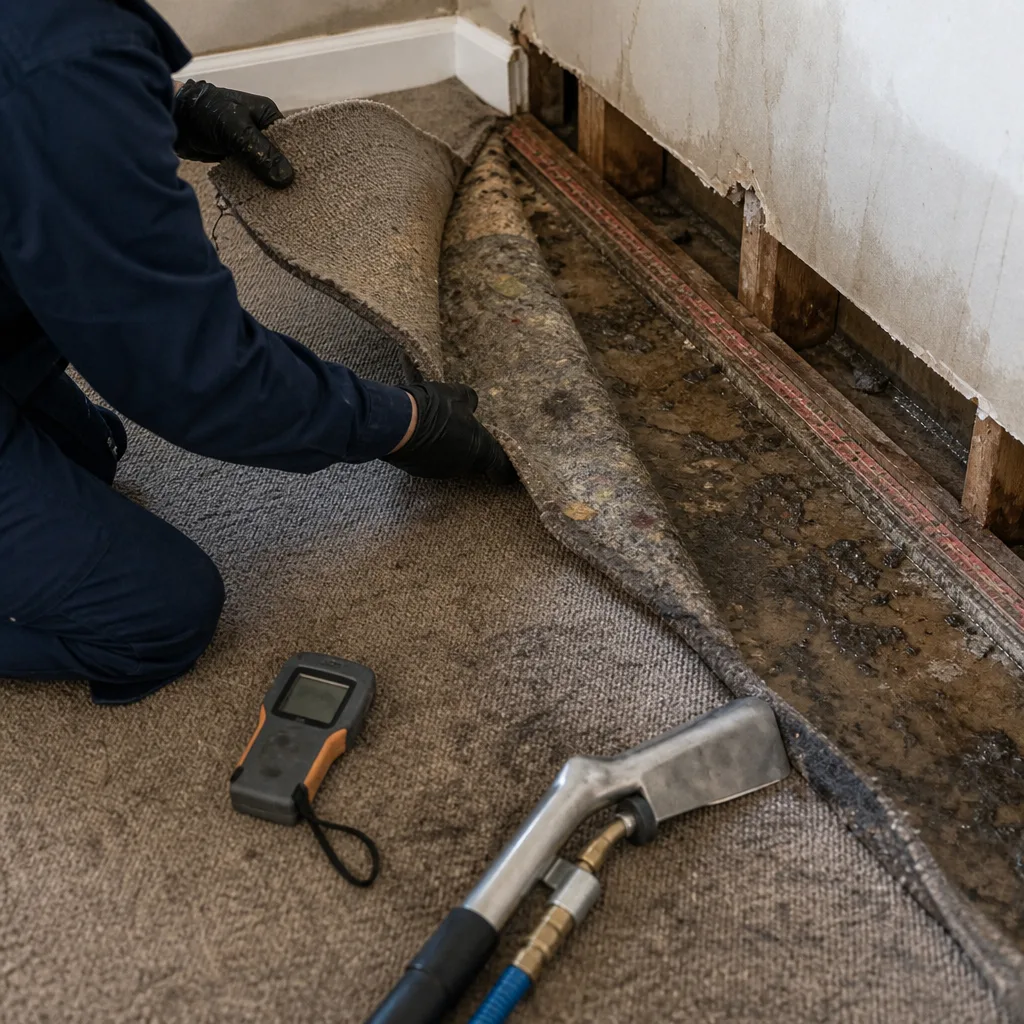
Flood Damage Restoration
When the Pascack Brook jumps its banks, Hillsdale basements fill fast. We extract standing water, remove saturated drywall and paneling, and run structural drying on the home’s framing. For brook-adjacent properties, we document everything to NFIP standards and present the borough’s flood-zone realities to your adjuster in the language they recognize. Done right, and backed in writing with our 90-Day Done Right Promise.
Wind Damage Repair
Nor’easters and summer squalls rip shingles, tear off flashing, and pull down siding across Hillsdale. We repair wind-damaged roofs, replace blown-out windows, and restore exterior walls to wind-rated condition. The first step is always stopping additional water entry, which means emergency tarping and board-up while full repairs get scheduled.
Emergency Board-Up
A tree limb through a window or a blown-out door leaves your Hillsdale home open to weather and trespass. Our crews board up openings the same day, with materials sized to the opening and secured for Bergen County’s wind loads. Board-up is temporary. Poorly done board-up becomes its own problem.
Roof Tarping
Wind-damaged roofs leak within hours of the storm passing. We tarp damaged roof sections until permanent repairs can be made, using heavy-duty materials that hold through the next storm. Tarping buys time. It is not a repair, and we will tell you that plainly before quoting a roof rebuild.
Debris Removal
Storm debris on a Hillsdale property is more than an eyesore. Fallen limbs rest against siding and trap moisture. Blown-in debris clogs drains and creates new water paths. We clear storm debris as part of a full restoration so your property dries evenly and nothing is left to cause secondary damage.
What happens when you call
- 1
A real person answersNo phone trees - you reach a local pro.
- 2
You get an upfront price rangeHonest numbers before anyone is dispatched.
- 3
A background-checked tech heads outLicensed & insured, dispatched right away.
- 4
You approve before work beginsNothing starts until you say go.
Storm & Disaster Restoration Costs in Hillsdale, NJ
Storm restoration pricing in Hillsdale runs in clear bands depending on the scope. Emergency water extraction and drying for a single finished basement room typically costs $2,800 to $5,500. A full Category 3 tear-out of a brook-flooded split-level basement, with containment, antimicrobial treatment, and rebuild of drywall and flooring, runs $12,000 to $28,000 depending on square footage and finish level. Roof tarping alone runs $400 to $900. Emergency board-up for a single opening runs $300 to $700. Wind damage repair for roofing and siding varies with the extent, but most single-family Hillsdale homes land between $4,000 and $15,000. What moves the price: water category, square footage of finished space affected, how long water sat before extraction, and whether the job is brook-adjacent with NFIP documentation requirements. The free visual inspection gives you a firm, written scope before any work starts, and we bill your carrier directly on covered claims. Call (914) 935-7914 for an exact quote on your Hillsdale property.
We Also Serve Cities Near Hillsdale
Our Storm & Disaster Restoration crews work throughout Bergen County. In addition to Hillsdale, we serve Woodcliff Lake, Park Ridge, Montvale, and Harrington Park. Dispatch and scheduling are coordinated from our New York City office, with crews serving Hillsdale locally and answering calls live at any hour.
Serving Hillsdale, NJ - Our Local Coverage Area
We’re based in the Hillsdale area and know this community well. Use the map below to see our service coverage - if you’re nearby, we can almost certainly help.
Hillsdale Storm & Disaster Restoration Questions, Answered
How does Hillsdale’s Pascack Brook flood plain change the category of water in my basement during a nor’easter?
The Pascack Brook flood plain changes everything about how a basement flood gets classified and handled. When the brook overflows during a nor’easter, the water entering Hillsdale basements carries silt, lawn runoff, and often sanitary-line content from overwhelmed storm drains. That makes it Category 3 water under IICRC standards, which requires full containment, removal of saturated porous materials, and antimicrobial treatment rather than simple drying. Properties further from the brook may see Category 1 or 2 water, which is less hazardous and often restorable through drying alone. Our crews check the borough’s FEMA flood-zone map before touching anything on brook-adjacent jobs. Call (914) 935-7914 and we’ll identify what you’re dealing with.
My 1950s Hillsdale Cape Cod basement has finished drywall and wood paneling. What does a typical Pascack Brook flood restoration involve?
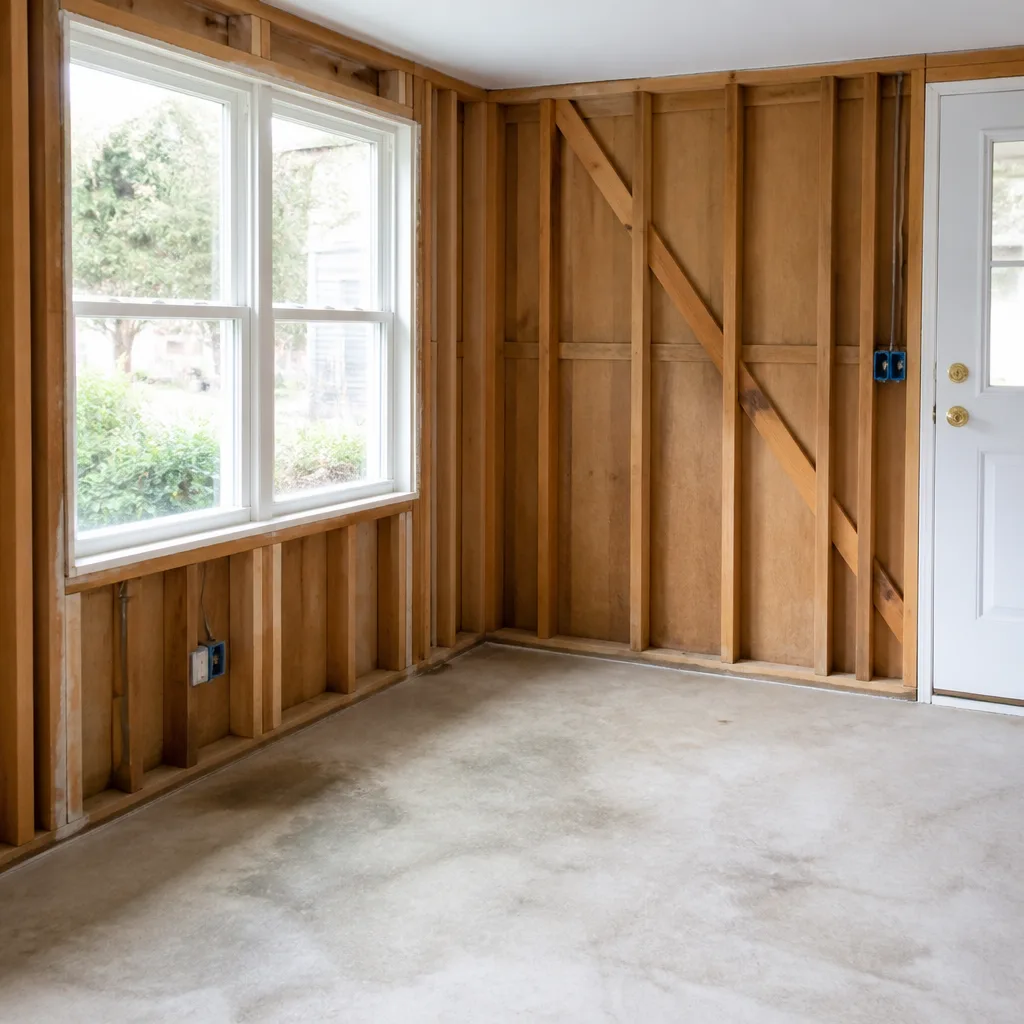
For a finished basement in a 1950s Hillsdale Cape Cod that takes on Pascack Brook overflow, the typical restoration is a full removal of the lower affected drywall, wood paneling, carpet, and insulation, followed by structural drying and rebuild. That paneling traps moisture against framing, and the brook water is almost always Category 3, so porous materials must go rather than be dried in place. We run containment with HEPA air scrubbers, extract with truck-mounted equipment, and log moisture readings daily until the framing hits the dry standard. Then we rebuild to pre-loss condition. This is a documented, permit-worthy rebuild, and we handle it end to end. Call (914) 935-7914 for a free visual inspection.
Do I need an NFIP elevation certificate for storm damage restoration on my Hillsdale home near the brook?
If your Hillsdale property sits within a few blocks of the Pascack Brook and carries an NFIP flood policy, you will likely need elevation-certificate-related documentation as part of your storm restoration claim. The certificate itself documents your home’s elevation relative to base flood elevation, and NFIP adjusters require it to process most structural claims on brook-adjacent properties. Our team is fluent in NFIP claim documentation and prepares moisture logs and inventory records in the format those adjusters expect. We coordinate directly with your carrier so the paperwork moves without you doing it. Call (914) 935-7914 and we’ll walk you through what your specific property needs.
How fast should I call for water extraction after the Pascack Brook floods my Hillsdale basement?
Call immediately. Mold begins forming on saturated drywall, carpet, and wood paneling within 24 to 48 hours, and brook water sitting in a finished Hillsdale basement starts deteriorating finishes within hours. Every hour of delay means more material that must be removed rather than dried. Our live dispatchers answer at (914) 935-7914 24 hours a day, and crews reach Hillsdale homes within a 45-minute response window. The sooner extraction starts, the less of your finished basement gets torn out.
Does the borough require a permit for the structural drying or rebuild after a storm-damaged basement in Hillsdale?
For structural drying alone, no permit is typically required in Hillsdale. Once the work moves into rebuild - replacing drywall, insulation, framing, or electrical - the borough’s construction office generally requires permits, particularly for brook-adjacent properties where FEMA flood-zone rules may apply to how a basement gets reconstructed. We handle permitting as part of our restoration scope and will tell you plainly what is needed before the rebuild starts. Call (914) 935-7914 for a free inspection and we’ll flag any permit considerations on your specific property.
How long does storm damage restoration take on a typical Hillsdale home?
Most Hillsdale storm restoration jobs run 4 to 10 days from first extraction to final rebuild, depending on scope. Water extraction and drying for a single finished room typically takes 3 to 5 days. A full Category 3 basement tear-out and rebuild in a brook-flooded split-level runs 10 to 14 days including permitting and finish work. We log moisture readings daily and hand you the log when the structure hits the dry standard, so you can see exactly where the job stands. Our 90-Day Done Right Promise covers the work in writing.
Can my family stay in our Hillsdale home during storm damage restoration?
It depends on what the water brought in and how much of the home is affected. Category 3 water from Pascack Brook overflow carries contaminants that make staying in the affected area unsafe until containment and antimicrobial treatment are complete. If the damage is contained to a basement with separate access, many families stay on the upper floors during drying. If the storm caused roof or structural damage affecting living spaces, relocation may be necessary and is typically covered under your policy’s loss-of-use provision. We’ll give you a straight answer during the inspection. Call (914) 935-7914 any time.
What should I do in the first 30 minutes after storm damage hits my Hillsdale home?
First: shut off electricity to any affected area if you can do so safely from a dry location. Second: take photos of everything from doorways and stairs, without entering standing water. Third: call (914) 935-7914. A live dispatcher answers and starts a Hillsdale crew toward your address. Do not enter brook water in a flooded basement - it may be Category 3 and electrically charged. Do not start fans or open walls yourself. We’ll handle extraction, drying, and paperwork from there.
Written by Curt Bowman, Owner at Floodline Restoration Co., serving Storm & Disaster Restoration in Hillsdale and surrounding Bergen County communities. Floodline Restoration Co. is based on a simple standard: the line the water left is where we start, and the job is not done until extraction, drying, and rebuild are finished by the same certified crew, with the moisture log and our 90-Day Done Right Promise in your hands.