

Free visual inspection and a written scope of work before any mitigation begins - photos, moisture readings, and drying logs go in your claim file
The scope we write is the scope we bill. Anything new gets shown to you, in writing, before we touch it.
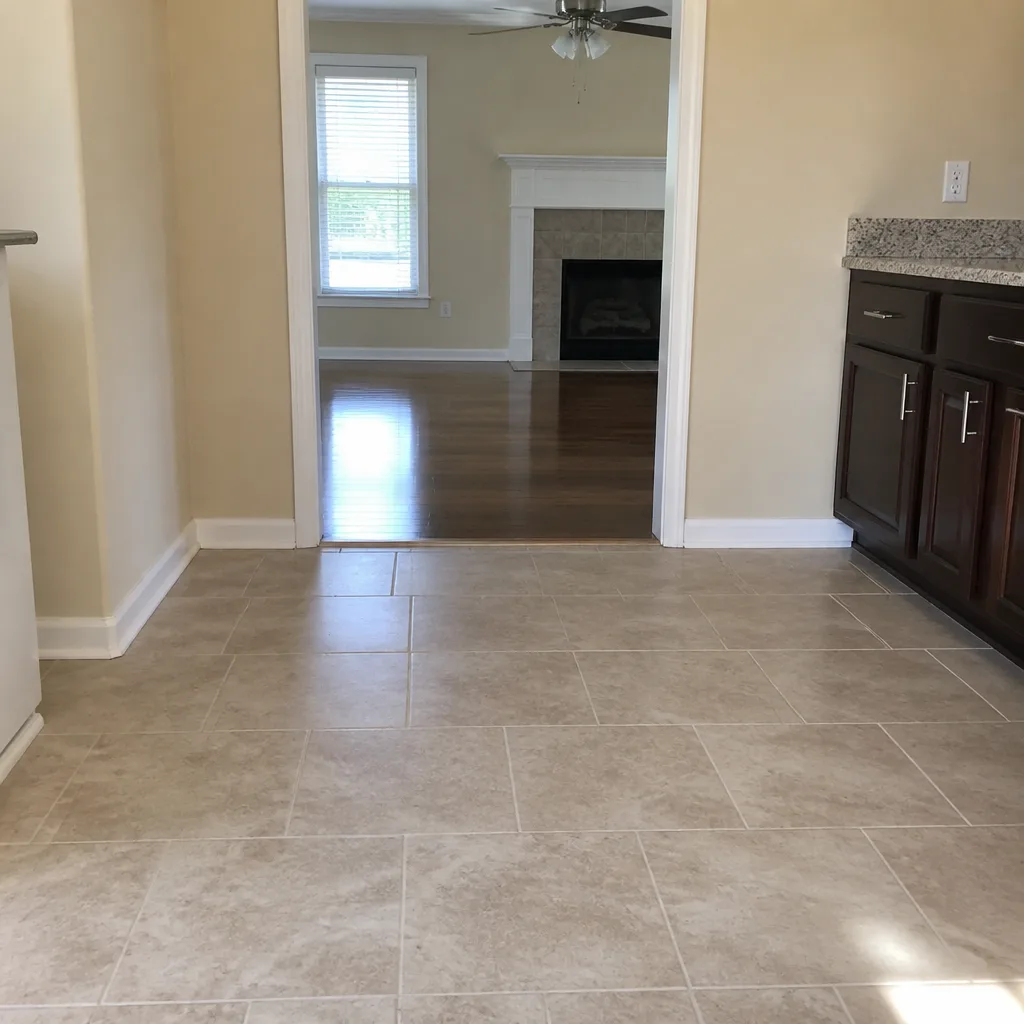
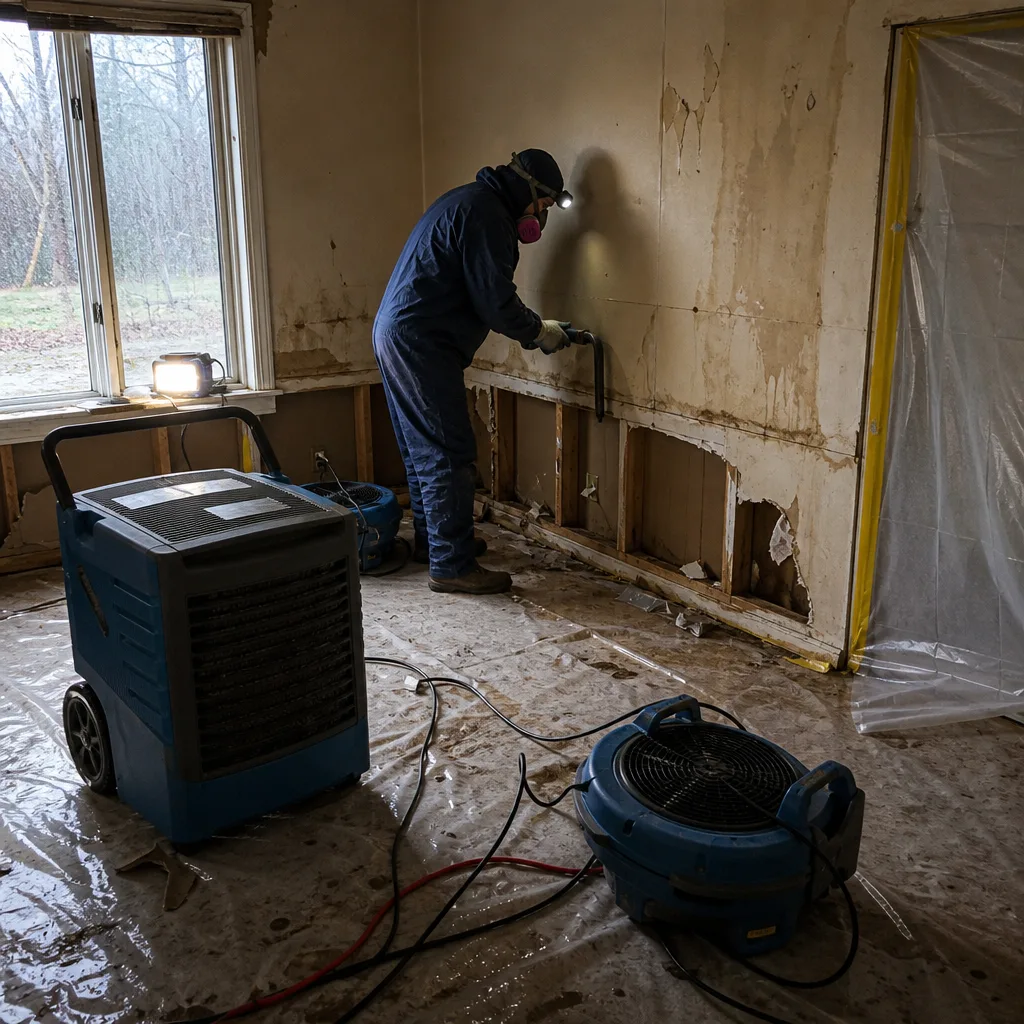 Before
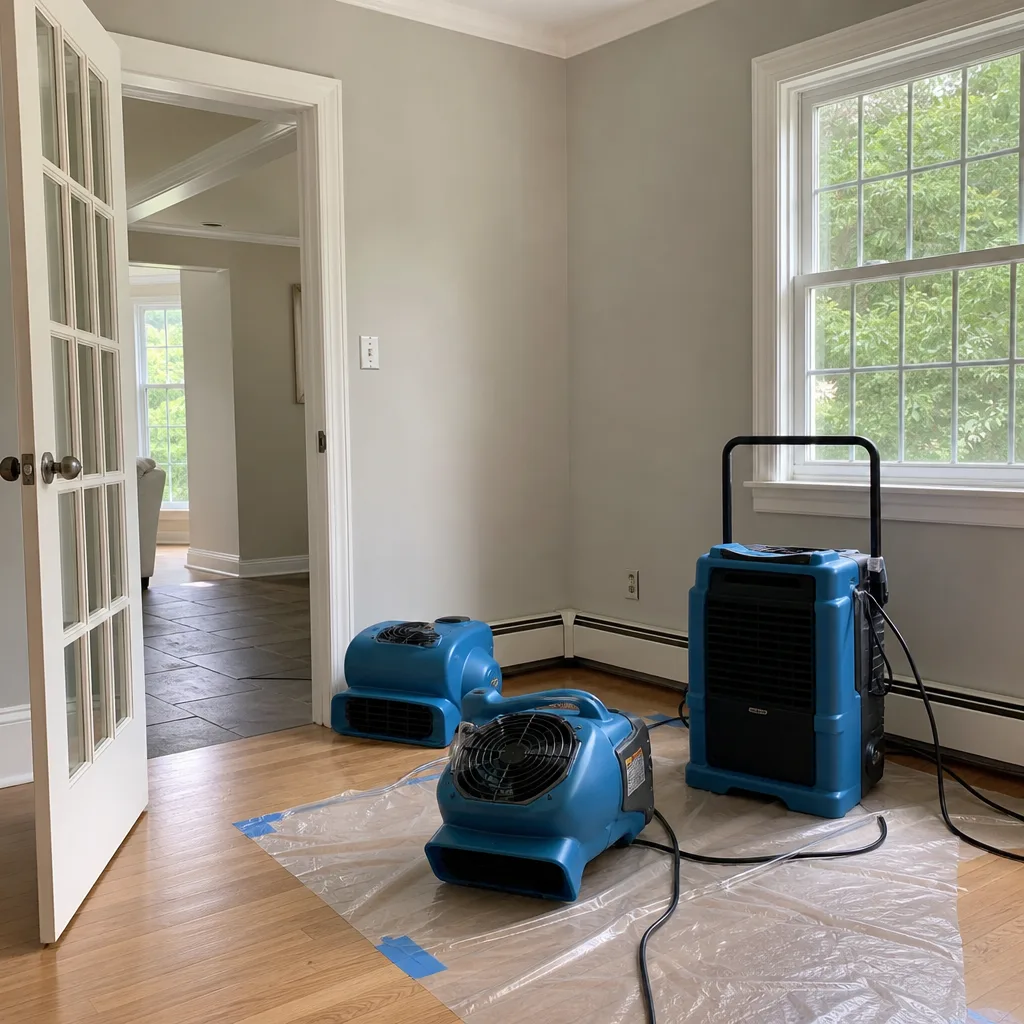 After
After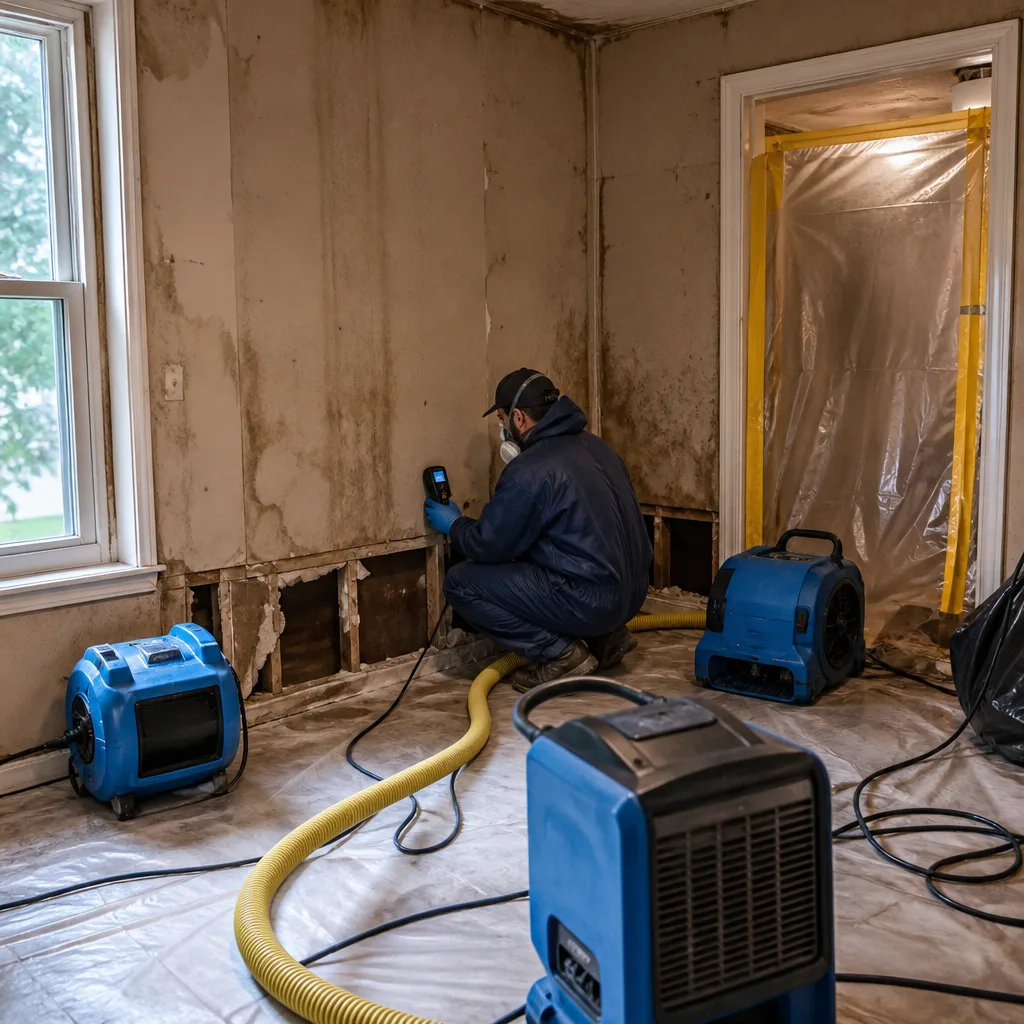 Before
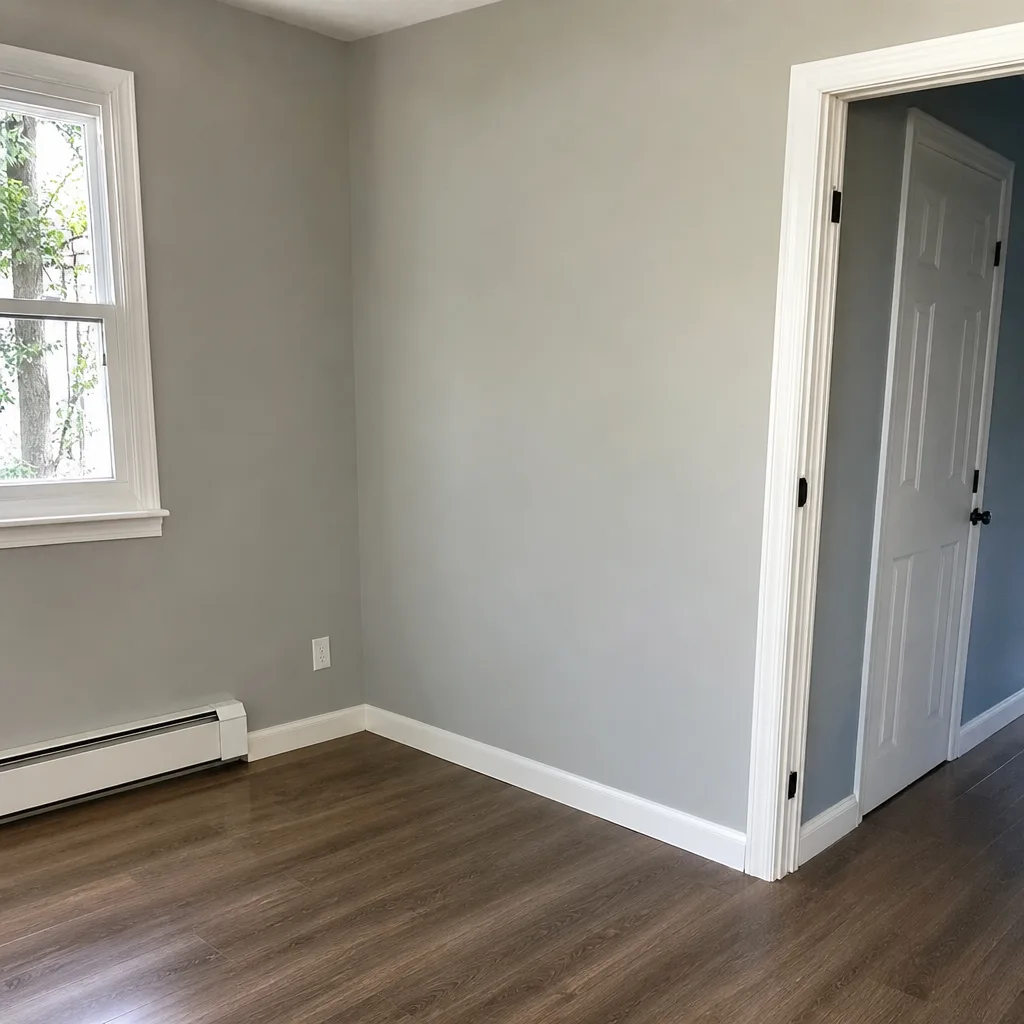 After
After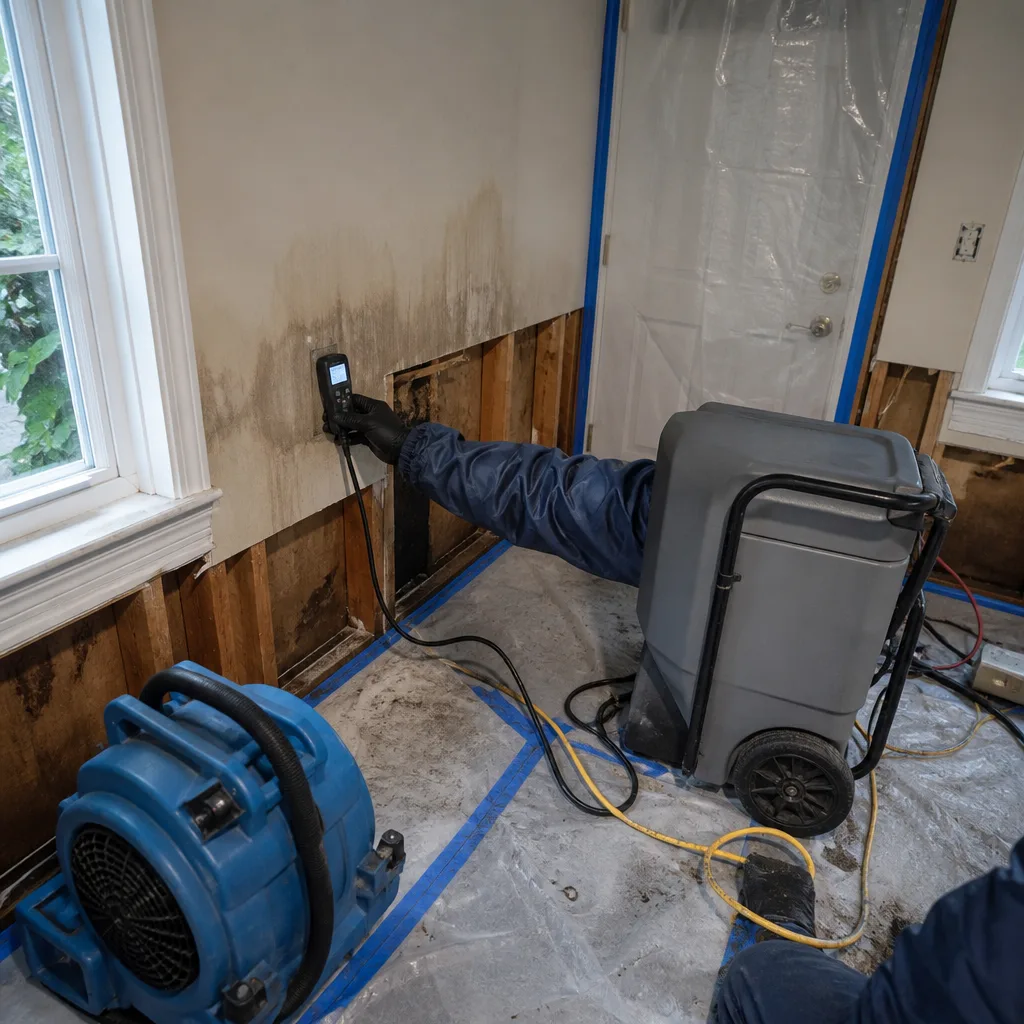 Before
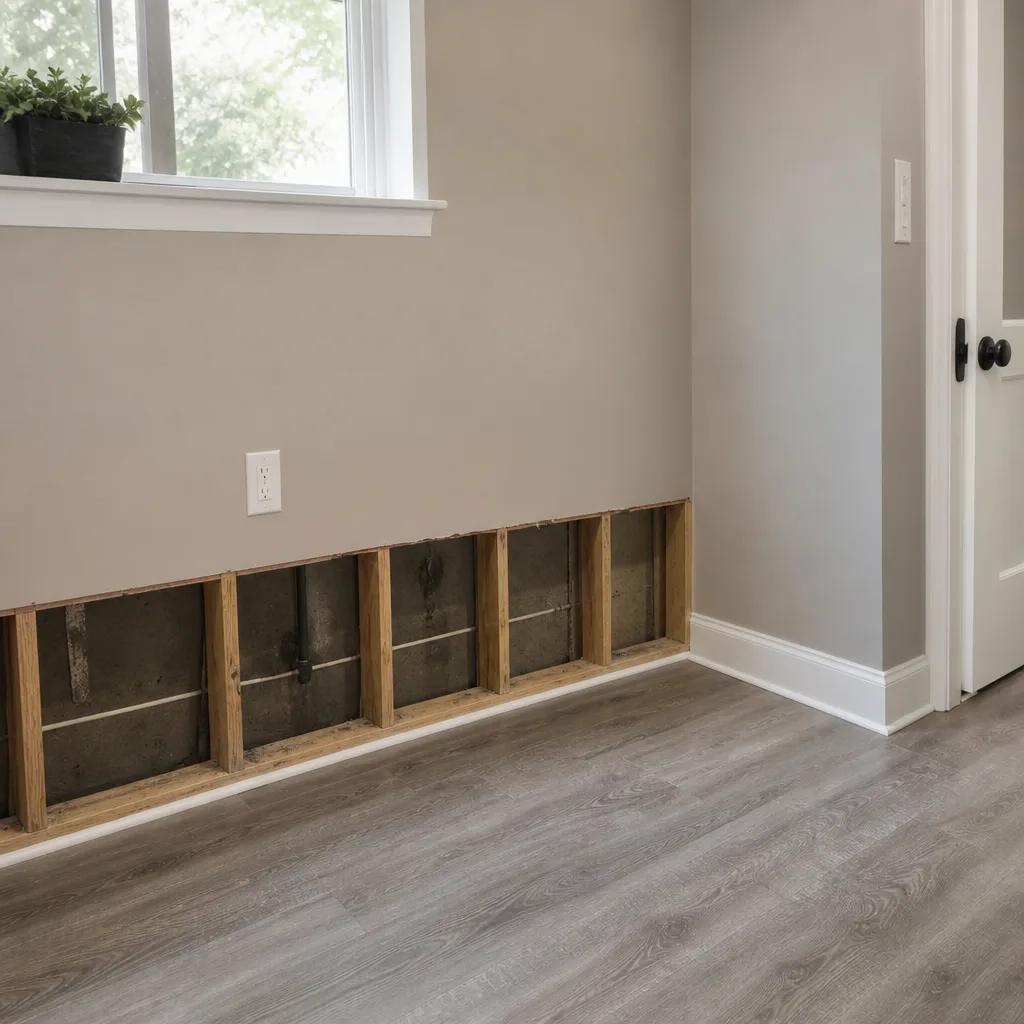 After
After24/7 Emergency Storm & Disaster Restoration in Woodcliff Lake
Storm damage in Woodcliff Lake rarely waits for business hours. When a nor’easter shears shingles off a steep pitch on Werimus Road or spring melt pushes groundwater into a finished basement near the reservoir, the first hour sets the cost and the timeline. That’s why our dispatchers answer live at 2 a.m. and a certified crew reaches the job the same visit, not the next day. Call (914) 935-7914. We’ll walk you through what to do in the first thirty minutes, dispatch a team from our Storm & Disaster Restoration division, and start stabilization before the damage spreads. The visual inspection is free. The written scope comes before any work begins. If your basement is taking water, shut power to that level and call now.
Understanding Storm & Disaster Restoration Severity in Woodcliff Lake Properties
Storm losses in Woodcliff Lake fall into distinct severity classes, and the borough’s housing stock makes the distinction matter. The finished basements common in the late-1950s-to-1990s homes here hide water differently than an unfinished garage slab would. We categorize intrusion as Category 1 (clean supply-line or rainwater), Category 2 (gray water with some contamination), or Category 3 (standing floodwater carrying sewage, runoff, or reservoir overflow). Most storm-driven basement events near the Woodcliff Lake Reservoir are Category 2 or 3 by the time we arrive, because surface runoff picks up lawn chemicals, asphalt residue, and silt before it enters. Our crews moisture-map every structural surface with thermal imaging and probe meters, not just the visibly wet spots. Hidden pockets behind raised-panel wainscoting, under oak stair nosings, or inside plaster wall cavities in a 1960s split-level can sit above 20% moisture content and grow mold inside 48 hours. Drying to the standard means logging daily readings until every mapped zone comes down to a stable, pre-loss number, then verifying with the homeowner and carrier.
Why Woodcliff Lake Property Owners Choose Floodline Restoration Co.
- 45-minute response commitment. When the borough’s topography sends runoff toward lower streets, we start extraction the same visit so water doesn’t have time to wick into custom millwork.
- Live answer, 24/7, every day. A real dispatcher picks up the phone. Not a recording. Not a callback queue. You talk to a person who can send a crew now.
- IICRC-certified crews. Our technicians hold WRT, FSRT, and AMRT certifications and train to IICRC, RIA, and IFA standards. They’re background-checked and uniformed before they ever step into your home.
- Free visual inspection. We see the loss, we tell you straight what needs to happen, and we put a firm number on it before any work begins.
- Direct insurance billing. You never play messenger between us and the carrier. We bill them, we speak to the adjuster, we document everything for the claim.
- One team, start to finish. Extraction, drying, remediation, and rebuild of your finished basement or damaged roof structure are handled by the same certified crew. No mid-job handoff.
Our Storm & Disaster Restoration Process
Inspection & Assessment
We map the loss with thermal imaging and moisture meters, identify the water category, and determine which materials can be saved and which need removal. For Woodcliff Lake homes with custom finishes, this step drives every matching decision that follows.
Extraction & Stabilization
We remove standing water with truck-mounted extraction units, set up emergency board-up or roof tarping if the building envelope is breached, and shut down any electrical circuits in the affected zone.
Drying & Dehumidification
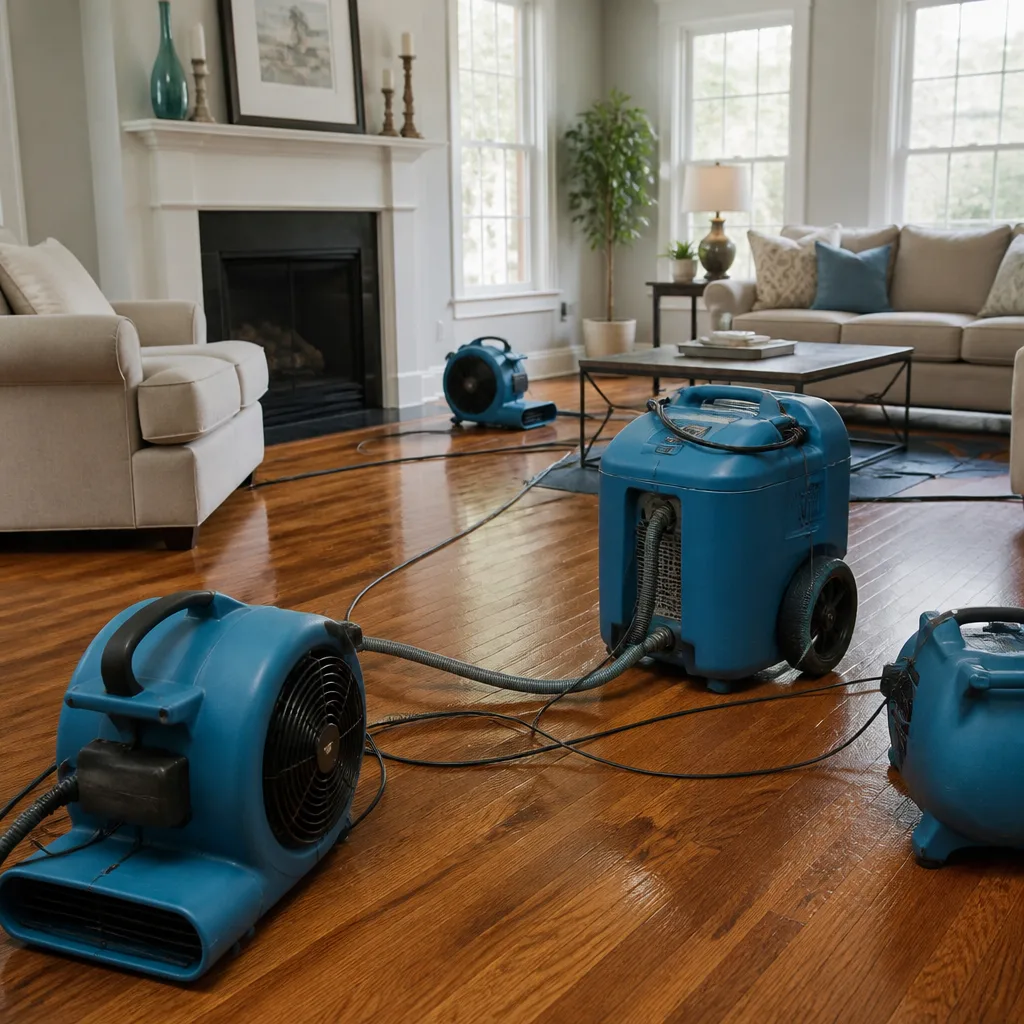
Dri-Eaz dehumidifiers and XPOWER air movers go in on day one. Daily moisture readings are logged until every mapped surface reaches a stable dry standard, including the cavities behind finish materials.
Cleaning & Sanitization
For Category 2 and 3 events, we apply antimicrobial treatments and clean affected surfaces to IICRC standards. HEPA air scrubbers run during remediation to capture airborne particles.
Custom Finish Matching
Where wainscoting, raised panels, custom millwork, or hardwood flooring must be removed, we match profiles, species, and finish tones so the repair reads as original work.
Repairs & Restoration
The same crew that handled extraction and drying rebuilds the finished space, reinstalls matched materials, and verifies the final result with you. The 90-Day Done Right Promise covers the job in writing.
Need Emergency Storm & Disaster Restoration in Woodcliff Lake Now?
Crews minutes away, answering live 24 hours a day. The sooner we start, the less it costs.
Working With Your Insurance Company
We’ve handled enough storm claims in Woodcliff Lake to know what the carriers want, and we deliver it in the format they expect. Documentation starts the first hour: photos of every affected room, moisture readings from initial assessment, and a line-item scope of work that matches industry-standard estimating software. We communicate directly with your adjuster, walk through the documentation, and answer their questions so you don’t have to translate restoration terminology. For custom-finish homes, we document the original materials with photos and measurements before removal, which prevents disputes about replacement value for raised-panel wainscoting or site-finished hardwood. Your claim goes smoother when the paperwork is right the first time.
What We Provide Your Insurer
- Thorough documentation of the loss
- Photos of all damage, room by room
- Moisture readings and drying logs
- A detailed, line-item scope of work
- Direct coordination with your carrier
Built for Woodcliff Lake’s Loss Calendar
Woodcliff Lake’s storm losses follow a seasonal rhythm, and we plan our crews around it. January and February bring freeze-thaw cycles that split supply lines in unheated basement corners and drive ice damming on the steep-pitched roofs common to the borough’s larger homes. March through May is the heaviest season for basement intrusion, as snowmelt combines with a naturally high water table near the reservoir and hydrostatic pressure forces water through block foundations and older drain tile systems on lower-elevation streets. Summer thunderstorms hit fast, with valley topography concentrating runoff toward Woodcliff Lake’s lower roads and overwhelming perimeter drains in minutes. Nor’easter season from late fall through winter brings the wind damage: shingle loss, ridge vent failures, and the occasional tree limb through a roof. Each season requires a different response sequence, and our crews have worked all of them in this borough.
Storm & Disaster Restoration Across Woodcliff Lake’s Neighborhoods
The response routes we run through Woodcliff Lake shape how quickly we can start extraction, and each part of the borough has its own loss pattern. Streets near the reservoir, including Werimus Road and the lower-elevation blocks approaching the water, see the worst of the spring hydrostatic seepage. These homes often have finished basements with custom details, and the water tends to rise behind wainscoting and under stair stringers before anyone notices. The larger properties toward the borough’s higher edges, along streets off Woodcliff Avenue and Ridgewood Road, take the brunt of wind damage. Steep roof pitches there tear shingles and lift flashing during nor’easters, and ice damming in January sends water down inside wall cavities. Older ranch and split-level homes in the central borough, many built in the 1960s, still carry original block foundations and drain tile systems that were undersized even when new. On those, a saturated spring season can push water up through floor cracks in minutes. We keep material profiles and common trim patterns for Woodcliff Lake’s housing stock on file, which lets us start finish matching faster when custom work is involved.
Specialized Storm & Disaster Restoration Services We Offer in Woodcliff Lake
Storm Damage Cleanup
After wind drives rain through a breached roof or a tree limb comes down, we stabilize the opening, remove debris, and start structural drying. For Woodcliff Lake homes with plaster walls and custom finishes, we contain the affected zone and dry in place where possible rather than gutting the room.
Flood Damage Restoration
This is the service we run most often in the borough, particularly in spring. We extract, decontaminate Category 2 and 3 water, dry behind finished surfaces, and match any custom millwork or flooring that required removal. The work ends with a written dry-standard log, not a guess.
Emergency Board-Up
A broken window beside a French door on a Garden State Parkway-side home can’t wait until morning. We board and secure openings the same visit, using fasteners that won’t destroy the original trim or cladding. Security and weatherproofing come first; clean removal comes later when the repair starts.
Roof Tarping
Nor’easters and ice damming beat up the steep-pitched roofs common in Woodcliff Lake. We tarp damaged roof sections with reinforced coverings, anchored to hold through a follow-up storm, until permanent repairs are scheduled. The tarp keeps water out of wall cavities where it would otherwise sit and grow mold behind drywall.
Debris Removal
Storm debris in this borough isn’t just leaves. It’s shingles, ridge vent fragments, tree limbs, and occasionally a shed roof a half-mile from where it started. We clear the property, separate materials for insurance documentation, and haul it all away so the restoration work can begin.
What happens when you call
- 1
A real person answersNo phone trees - you reach a local pro.
- 2
You get an upfront price rangeHonest numbers before anyone is dispatched.
- 3
A background-checked tech heads outLicensed & insured, dispatched right away.
- 4
You approve before work beginsNothing starts until you say go.
Storm & Disaster Restoration Costs in Woodcliff Lake, NJ
A straightforward storm cleanup with extraction and drying in a Woodcliff Lake basement typically runs $2,800 to $5,400 depending on square footage and how many finished surfaces are involved. Category 3 flood remediation, which requires antimicrobial treatment and controlled demolition, lands between $5,000 and $11,000 for a finished lower level. Roof tarping after wind damage costs $450 to $900 on the borough’s typical shingle applications, while emergency board-up runs $350 to $700 per opening. Custom finish matching adds to the scope: raised-panel wainscoting, site-finished hardwood, and plaster repair all carry labor and material costs beyond standard drywall replacement. Your insurance carrier typically covers storm-related water and wind damage, subject to your policy’s deductible and coverage limits. The free inspection gives you a firm, written number before any work begins, so there’s no version of this where the price surprises you after the fact. Call (914) 935-7914 for that exact quote.
We Also Serve Cities Near Woodcliff Lake
The same crew that handles Woodcliff Lake’s reservoir-driven basement seepage and steep-pitch roof damage also covers Woodcliff Lake and the surrounding boroughs. We’re minutes from Park Ridge, Hillsdale, Montvale, and Saddle River, with the same live dispatch and direct insurance billing, wherever the storm hit in Bergen County.
Woodcliff Lake Storm & Disaster Restoration Questions, Answered
Why do basements on streets near the Woodcliff Lake Reservoir flood every spring even without heavy rain?
The water table sits high near the reservoir year-round, and spring snowmelt pushes it even higher. Combined with the valley topography that concentrates runoff toward lower streets, this creates hydrostatic pressure against block foundations and below the slab. Even without a single storm, water forces its way through floor cracks, cove joints, and older drain tile. That’s why our restoration on these streets includes a waterproofing consultation at the end of the job; dry the basement without addressing the pressure, and the same homeowner calls back within 18 months.
Our finished basement has custom millwork and hardwood floors-can you dry it without tearing everything out?
In most cases, yes. We dry in place using Dri-Eaz dehumidifiers and XPOWER air movers, with thermal imaging to verify that wall cavities behind wainscoting and under stair treads are actually drying. If a section of finish material must come out to expose trapped moisture, we photograph and measure everything first, then match the profile, wood species, and finish tone during reinstallation. The goal is pre-loss condition, not a patch job.
How do you handle gutter backflow or ice damming on the steep-pitched roofs common in Woodcliff Lake?
We start outside: clear the ice dam where safe, tarp the affected roof section to stop further water entry, and then trace how far the water traveled inside. Steep pitches mean meltwater can run back under shingles and follow the roof deck into wall cavities before showing up as a ceiling stain. We moisture-map those cavities and dry them thoroughly; treating only the visible stain leaves hidden moisture that turns into mold.
Do I need a pack-out for my finished basement after a Category 3 flood, or can you clean in place?
Category 3 water carries sewage, runoff, and silt, so porous materials like carpet, pad, and upholstered furniture typically require removal. Non-porous surfaces and some sealed hardwoods can be cleaned and treated in place. We’ll tell you the straight answer during the free inspection, with your insurer’s coverage in mind. You won’t be oversold on a pack-out you don’t need.
Will my home’s pre-loss condition be restored to match the original custom finishes in a 1960s split-level?
That’s the standard we write into the scope. For 1960s split-levels with original trim profiles, we source matching material or have it milled to match. Plaster walls are repaired with compatible materials, not spackle patches. The 90-Day Done Right Promise covers the result in writing, so if a finish doesn’t hold up or match, we make it right.
How fast can you get to my Woodcliff Lake home after a storm hits?
Our commitment is a 45-minute response for emergencies in the Woodcliff Lake area. A live dispatcher answers immediately, and a certified crew arrives the same visit to start extraction or stabilization. The faster water stops moving, the less damage it does to finished surfaces.
Will my insurance cover storm and flood damage in Woodcliff Lake?
Storm-related damage from wind, rain entering through a breached roof, or burst supply lines is typically covered under a standard homeowner’s policy, subject to your deductible. Groundwater flooding from rising water tables near the reservoir may require a separate flood policy. We document everything from the first hour and bill your carrier directly, with photos and drying logs that meet their adjuster’s requirements.
What should I do in the first 30 minutes after discovering water in my basement?
Shut off power to the affected level if you can do so safely, especially if water is rising toward outlets or electrical panels. Move small valuables and electronics to higher ground. Do not use a shop vac on Category 2 or 3 water. Then call (914) 935-7914. Our dispatcher will instruct you on anything else specific to your situation and get a crew moving.
Storm & Disaster Restoration in Woodcliff Lake: The Hydrostatic Reality
There’s a pattern we see every spring on the lower-elevation streets closest to the Woodcliff Lake Reservoir, and it’s the reason a standard restoration shop struggles here. The borough sits in a valley, with the reservoir at its center, and the water table runs high enough that finished basements on Werimus Road and the surrounding blocks take on water from below, not just from above. A homeowner calls after a rain, we dry it out, and then the next spring they call again because the foundation pressure never went away. Floodline Restoration Co. was founded in 2010 by Curt Bowman, and Curt built our protocol around this exact failure mode: every basement intrusion job on these lower streets ends with a written waterproofing consultation. We map moisture with thermal imaging, we address the visible damage, and then we tell you straight whether your perimeter drains, foundation coatings, or grading need work to stop the same water before it comes through again. On the upper streets, the problem flips: wind-driven rain and ice damming on steep roof pitches put water behind finished walls where it’s harder to find. Either way, the answer is the same: find it, map it, dry it, and match the repair to what was there before.
Custom Finishes Demand Custom Restoration
Woodcliff Lake’s housing stock predates box-store trim profiles. Walk the basements of homes built between the late 1950s and 1990s and you’ll see raised-panel wainscoting, oak stair nosings, site-finished hardwood, and plaster walls with custom details. When water gets behind these materials, we don’t tear them out and replace them with whatever’s cheap. We photograph and measure before anything comes out, source or mill replacements to match the existing profile, and refinish to align with the surrounding area. After a nor’easter pushed surface runoff toward the reservoir, our crew responded to a finished basement on Werimus Road where water had wicked behind custom wainscoting. We set Dri-Eaz dehumidifiers and air movers, mapped moisture with thermal imaging, and matched the existing raised-panel profile before reinstallation, drying to pre-loss condition without disturbing the rest of the home. That’s the difference between restoration and replacement, and it’s the difference your insurer will see in a detailed, line-item scope.
Storm & Disaster Restoration Staffed by the Same Team From First Call to Final Walkthrough
Most restoration companies in Bergen County split the work: one crew does the emergency extraction, a second does drying, and then a general contractor takes over the rebuild. That’s where the mess starts. Information drops between handoffs, the left hand doesn’t know what the right hand dried, and the homeowner ends up serving as project manager for three separate companies. We don’t work that way. Floodline Restoration Co. operates as a single team from the moment the dispatcher answers the phone at 2 a.m. to the day the last piece of trim goes back on. The same project lead who reads the moisture map on day one handles daily readings, hands the drying log to your adjuster, and walks the job with you before we’re done. Curt Bowman built the company around a dispatch board, not a sales desk, and that structure still shows. You call, a person answers, and the people who show up are the people who finish the job. The 90-Day Done Right Promise, our Keystone Standard, is at the end of every scope we write in Woodcliff Lake. If it’s not right, we make it right, in writing, no arguing.
Serving Woodcliff Lake, NJ - Our Local Coverage Area
We’re based in the Woodcliff Lake area and know this community well. Use the map below to see our service coverage - if you’re nearby, we can almost certainly help.
Storm & Disaster Restoration in Woodcliff Lake: Call Floodline Restoration Co.
When water is moving through your home, the first hour sets the cost and the timeline for everything that follows. Call (914) 935-7914 now. We’ll answer live, dispatch a certified crew to your Woodcliff Lake address, and start extraction or stabilization the same visit. The inspection is free. The scope is written before any work begins, and we bill your carrier directly. If you’re standing in a wet basement on Werimus Road or watching a roof tarp fail on a windy night, the fix starts with one phone call.
Written by Curt Bowman, Owner at Floodline Restoration Co., serving Woodcliff Lake and Bergen County since 2010.