

Free visual inspection and a written scope of work before any mitigation begins - photos, moisture readings, and drying logs go in your claim file
The scope we write is the scope we bill. Anything new gets shown to you, in writing, before we touch it.
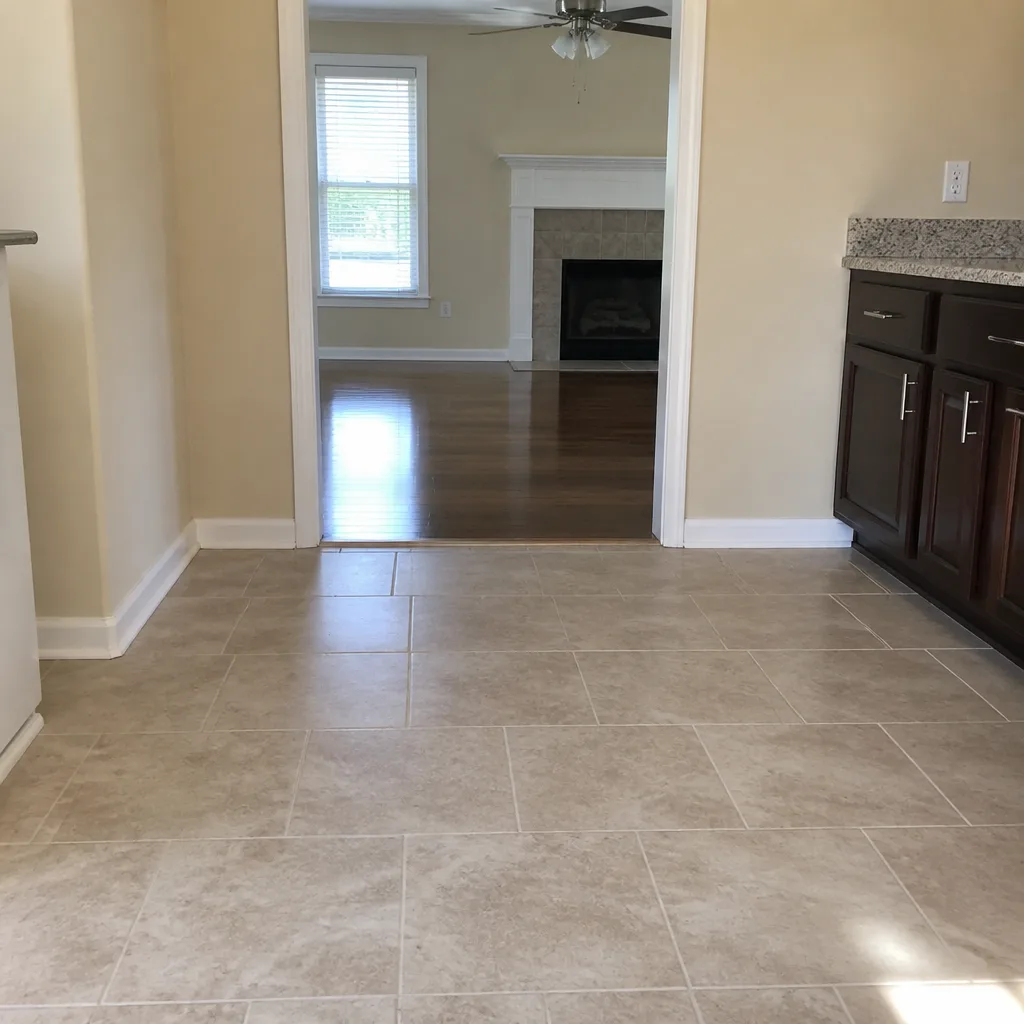
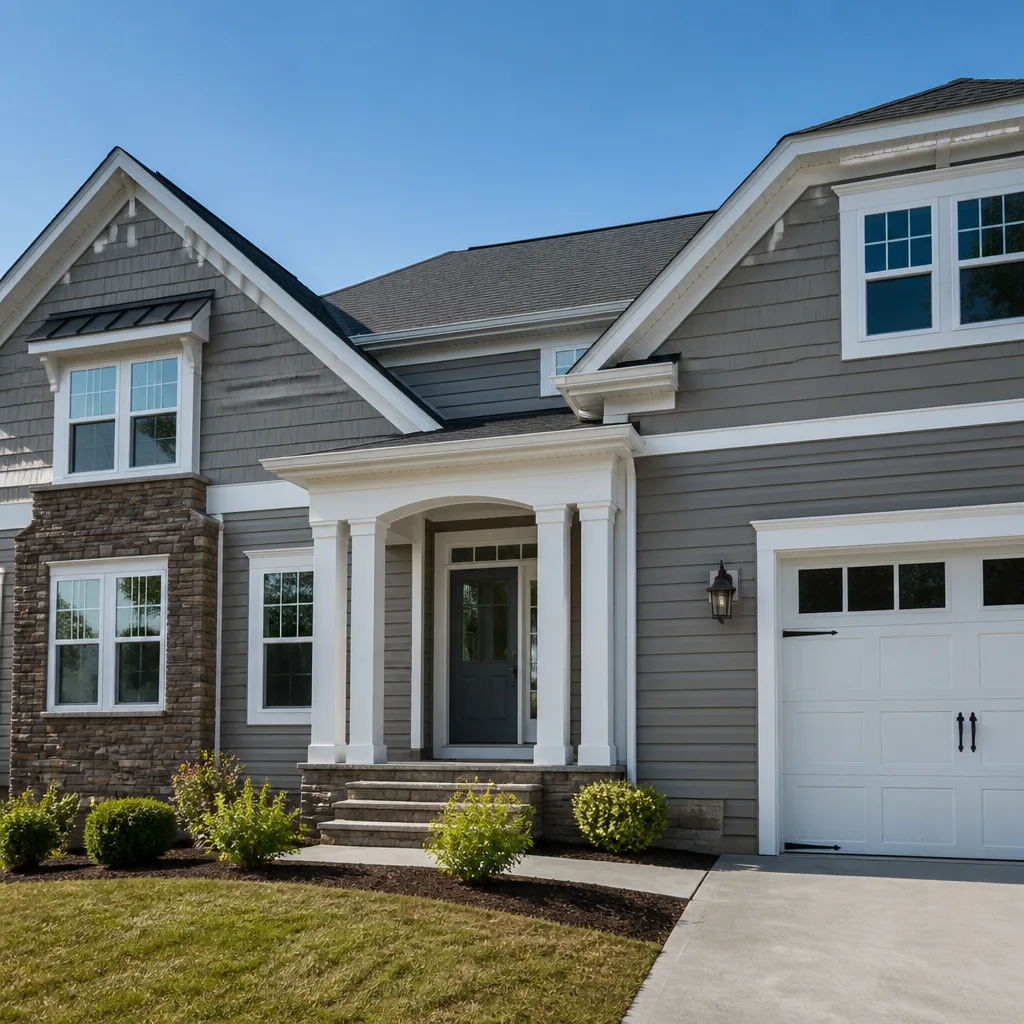
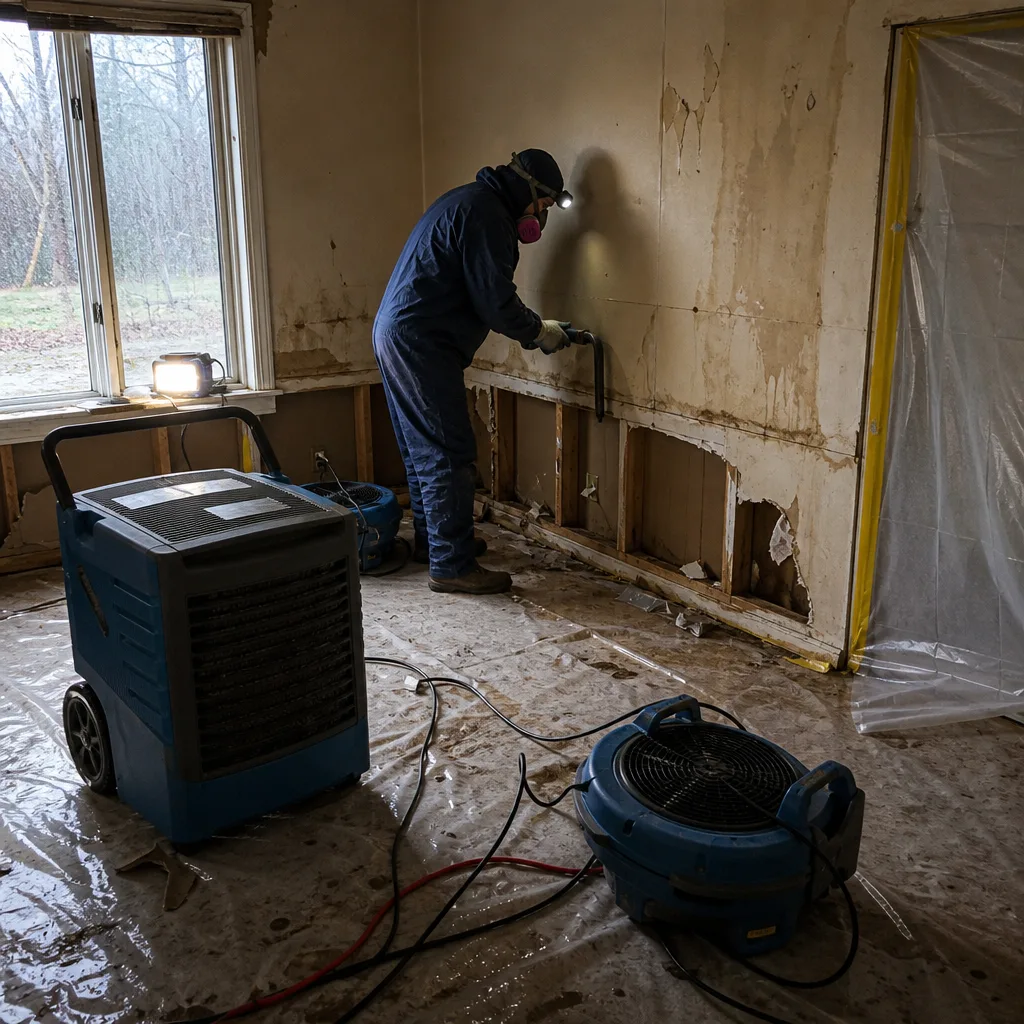 Before
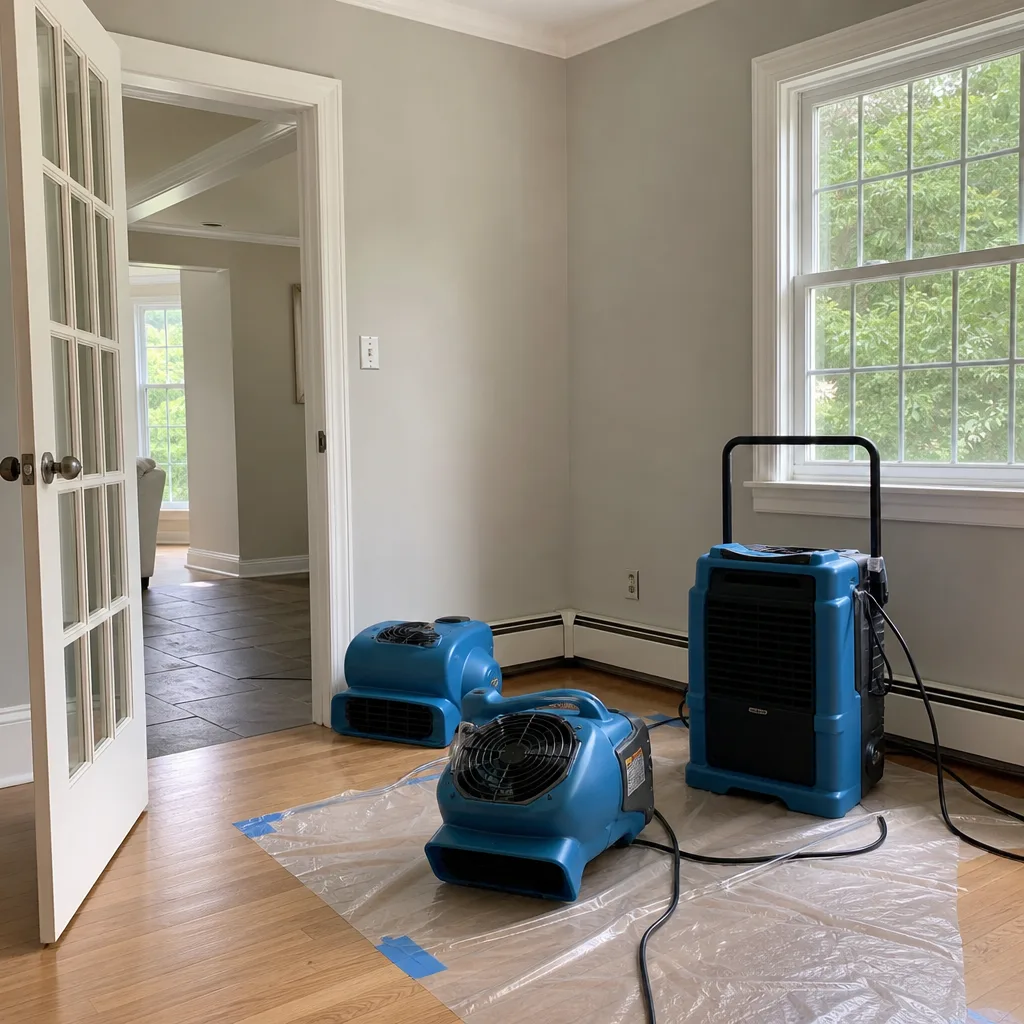 After
After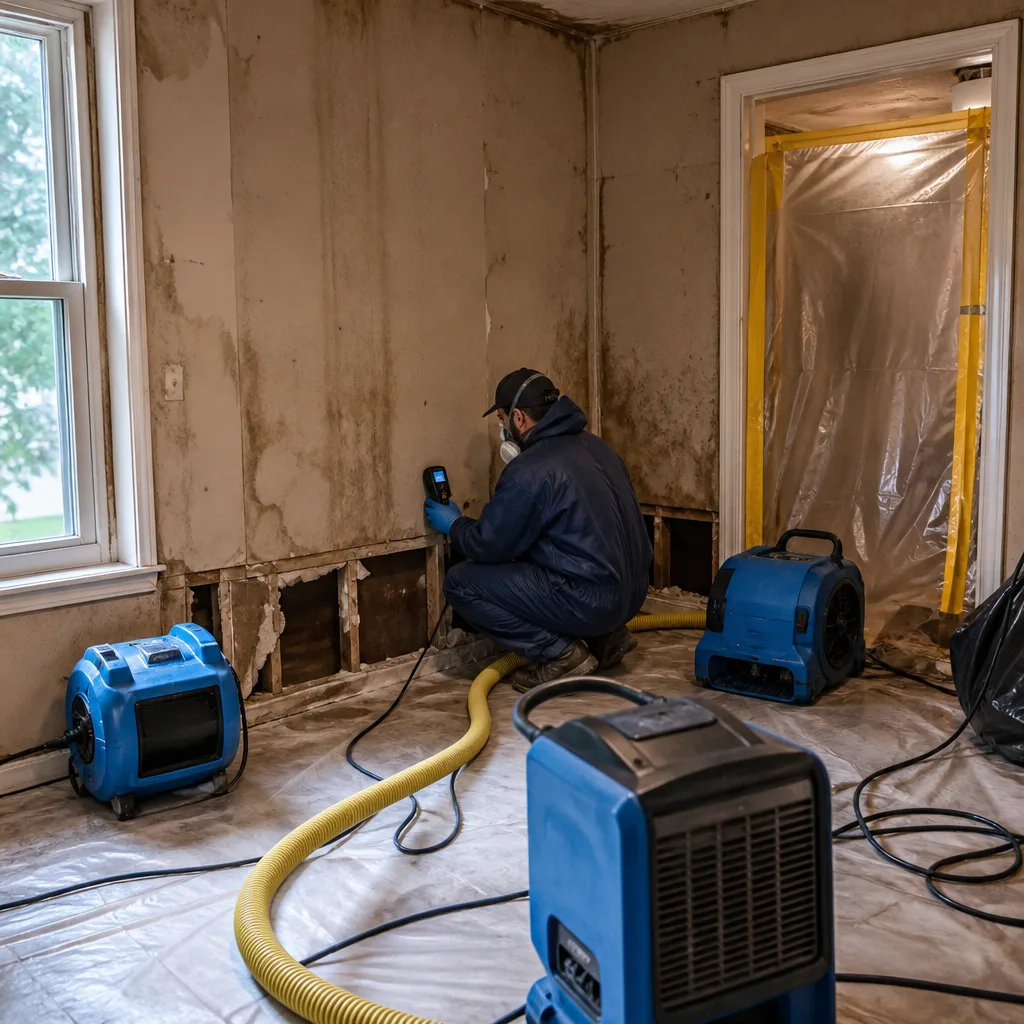 Before
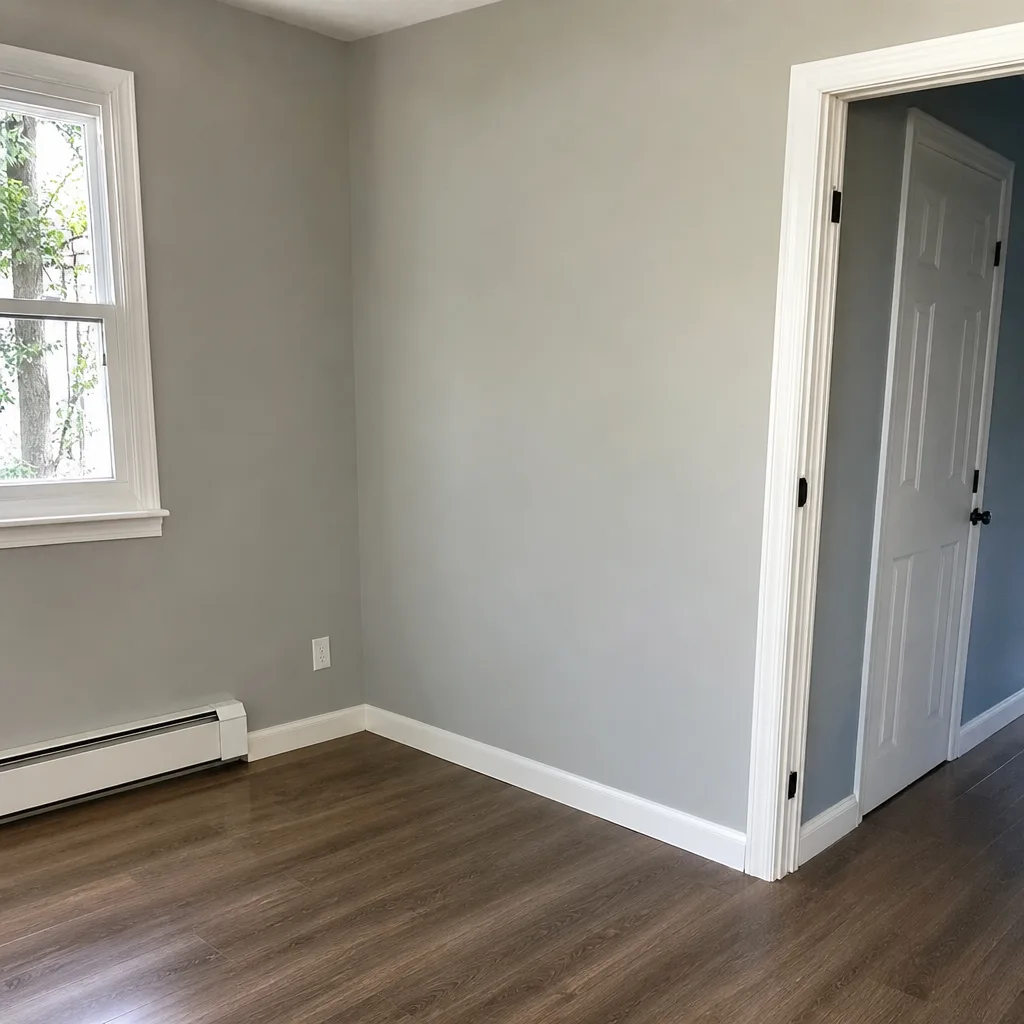 After
After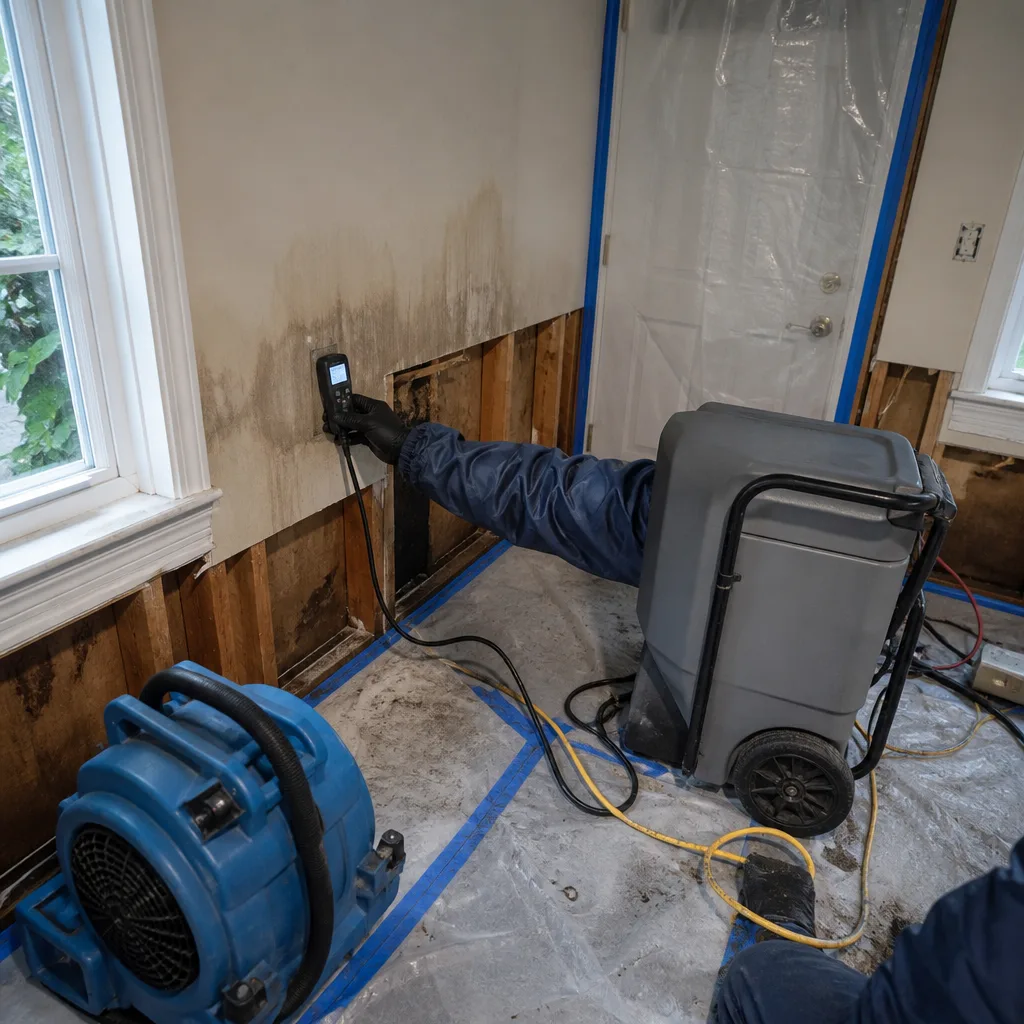 Before
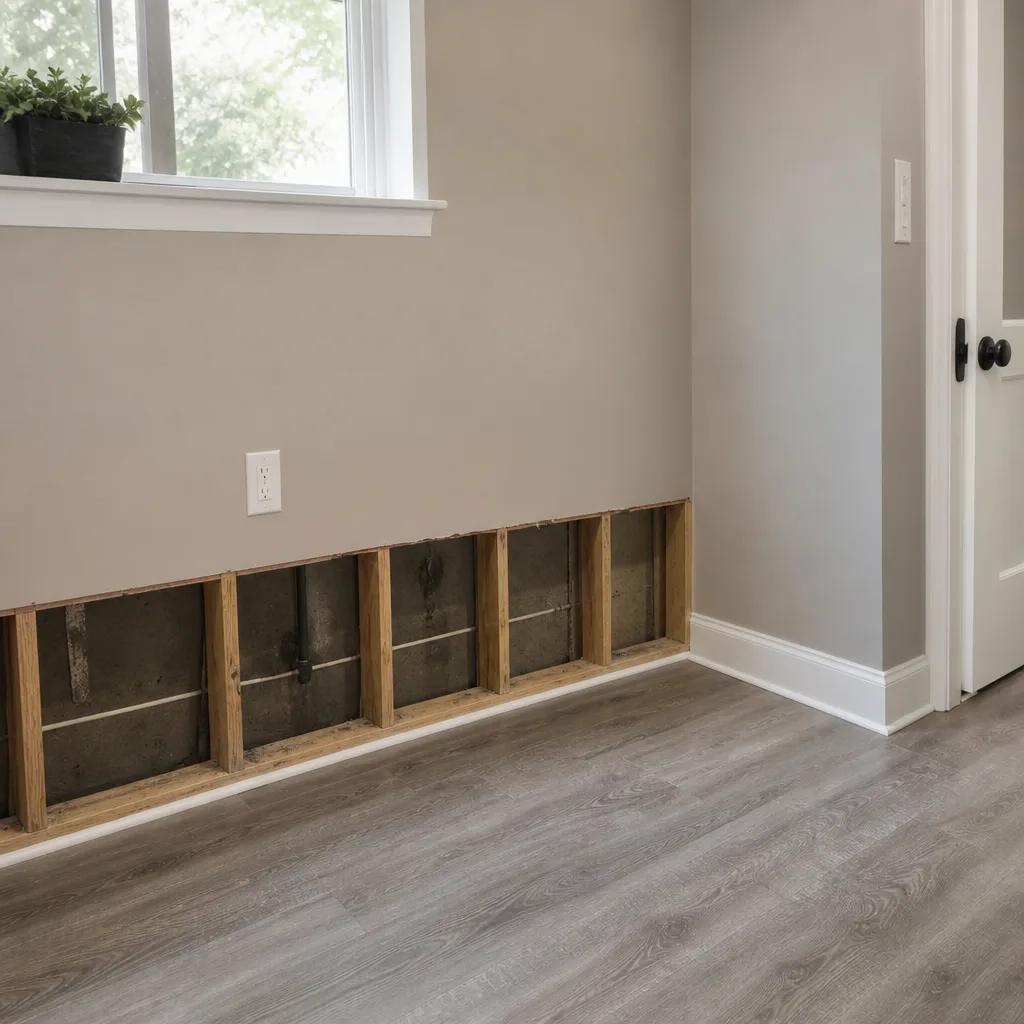 After
After24/7 Emergency Storm & Disaster Restoration in Harrington Park
Storm damage in Harrington Park moves fast, and so do we. Call (914) 935-7914 any hour, any day, and a live dispatcher answers, not a recording. We’ll have a crew on the road toward your home within 45 minutes of that call. The first hour after a tree comes through a roof or a basement takes on water is when the damage spreads fastest. Water wicks up drywall, saturates insulation, and starts feeding mold within 48 hours. A board-up done now costs a few hundred dollars. A rebuild done next month costs thousands. We come out, assess the damage with thermal imaging and moisture meters, and give you a straight answer about what you’re facing. No pressure. No upselling. Just a written scope of work and a team that starts mitigation the same visit. Storm & Disaster Restoration is the work we do every day, and we do it from first extraction to finished rebuild.
Understanding Storm & Disaster Restoration Severity in Harrington Park Properties
Not all storm water is the same. The IICRC classifies water damage in three categories. Category 1 is clean water, from a burst supply line or rainwater before it touches the ground. Category 2 is gray water, with some contamination, from sump pump failures or washing machine overflows. Category 3 is black water, fully contaminated, from sewage backups or floodwater that has picked up ground runoff. Harrington Park homes, mostly 1950s-to-1970s colonials and split-levels on full basements, are built in a way that makes these distinctions matter. Original poured-concrete foundations were poured without modern drainage systems. The parging on those walls has been degrading for fifty or sixty years. When the Hackensack River watershed saturates the clay-heavy soil around a foundation, that water does not drain away. It presses against the wall, and eventually it finds the weak mortar joint. What looks like a clean rainwater seep can quickly become a Category 2 event once the water has moved through the soil and picked up whatever the ground carries. Our techs classify the water correctly on the first visit, because treating a Category 3 event with Category 1 methods leaves contamination behind. That’s how you get a musty smell that never goes away and mold behind walls you cannot see.
Why Harrington Park Property Owners Choose Floodline Restoration Co.
- 45-minute response commitment. We dispatch from our New York City office, and crews serving Harrington Park are minutes away. We’ll be there when we say.
- A live person answers, 24/7. At 2 a.m. during a nor’easter, you get a dispatcher, not a voicemail. That’s been true since Curt Bowman founded this company in 2010.
- IICRC-certified crews. Our techs hold WRT, FSRT, and AMRT certifications and train to RIA and IFA standards. They know what a Harrington Park basement failure looks like, because they’ve seen hundreds of them.
- Free visual inspection. Before you spend a dollar, we walk the damage with you, show you what we found, and explain what needs to happen.
- Direct insurance billing. You never play messenger between us and your carrier. We document the loss, submit the claim, and talk to the adjuster directly.
- One team, start to finish. The same certified crew that extracts and dries also handles the rebuild. No mid-job handoff to a sub you never met.
Our Storm & Disaster Restoration Process
Inspection & Assessment
We arrive with thermal imaging cameras and moisture meters. We find where the water actually went, not just where it pooled. In a Harrington Park split-level, that often means checking the slab edge and behind finished drywall, where wicking hides.
Extraction & Stabilization
Standing water comes out first, using truck-mounted extraction and submersible pumps. If there’s a roof breach or broken window, we board up and tarp before anything else. A building cannot dry if it’s still getting wet.
Drying & Dehumidification
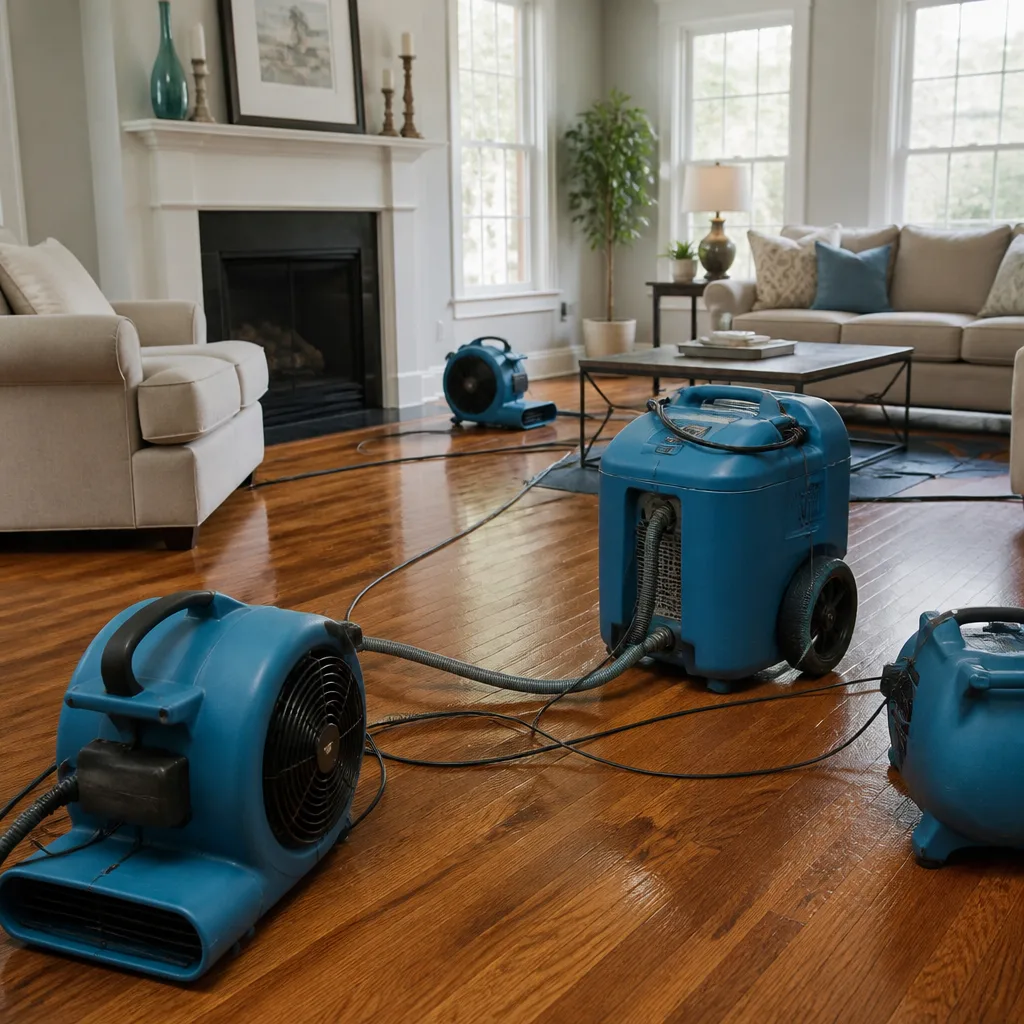
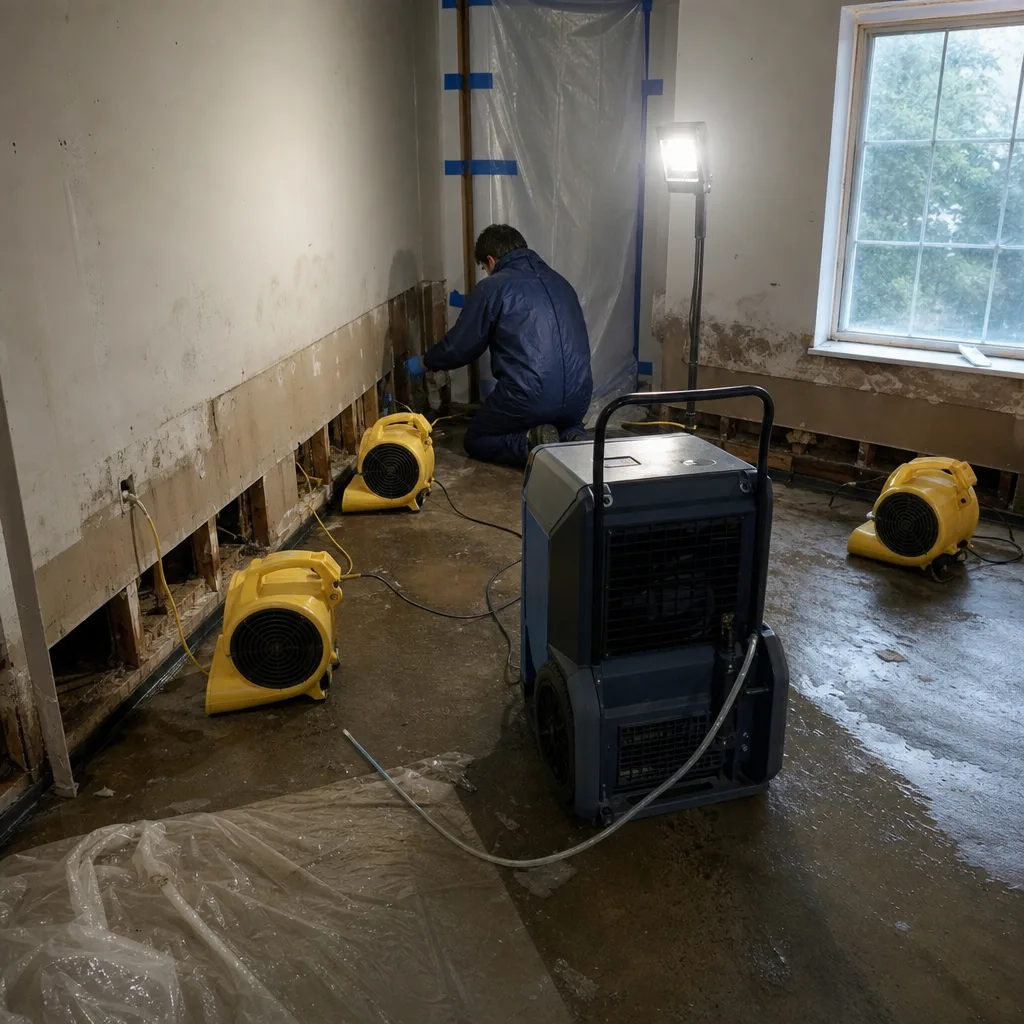
We set up professional-grade Dri-Eaz and Phoenix equipment, air movers first, then LGR dehumidifiers sized to the space. We take daily moisture readings until the dry standard is met, and we log every reading for you and your carrier.
Cleaning & Sanitization
Every affected surface gets treated. Hard surfaces are cleaned and disinfected. Salvageable contents are cleaned. Anything that cannot be cleaned is documented and removed.
Storm-Specific Treatment
This is where Harrington Park’s clay soil matters most. We treat for the hydrostatic water that comes through foundation walls, not just the water on the floor. That means antimicrobial treatment on studs and masonry, containment where mold is present, and HEPA air scrubbing during the entire process.
Repairs & Restoration
Once everything is dry and clean, we rebuild. Drywall, flooring, trim, paint, whatever the scope calls for. The same crew that did the drying does the rebuild, and the 90-Day Done Right Promise covers it all.
Need Emergency Storm & Disaster Restoration in Harrington Park Now?
Crews minutes away, answering live 24 hours a day. The sooner we start, the less it costs.
Working With Your Insurance Company
Storm and flood claims are the most common property claims in Bergen County, and the carrier’s first question is always the same: was the damage mitigated properly, or did the homeowner let it sit? We document from the first hour. Photos of every affected room. Moisture readings from the initial inspection through the final dry standard. A line-item scope of work that shows exactly what was damaged, what we did, and what it cost. We talk to your adjuster directly, meet them on site when needed, and handle the paperwork. You get a square deal, no surprises on the bill, and we bill the carrier directly whenever your policy covers the loss.
What We Provide Your Insurer
- Thorough documentation of the loss
- Photos of all damage, room by room
- Moisture readings and drying logs
- A detailed, line-item scope of work
- Direct coordination with your carrier
Built for Harrington Park’s Loss Calendar
Harrington Park’s damage seasons are predictable, and we plan for them. January and February bring deep freezes that burst supply lines in uninsulated exterior walls. That’s a Category 1 water event that turns into a finished basement drying job within hours. March and April are the thaw. Snowmelt saturates the clay soil around foundations, and that hydrostatic pressure starts finding weak mortar joints in 60-year-old concrete block. May through August brings summer thunderstorms, and while Harrington Park sits inland, the heavy downpours overwhelm the borough’s minimal drainage relief. September through November is nor’easter season, and that’s the big one. A nor’easter saturates the ground for days before the storm even arrives. When the rain hits, the water has nowhere to go but through foundation walls and into basements. December starts the freeze-thaw cycle again. Stressed rooflines from 1960s construction develop ice dams, and water runs down interior wall cavities, showing up as a ceiling stain weeks after the storm. We see these patterns every year, and we’re ready for them before they happen.
Storm & Disaster Restoration Across Harrington Park’s Neighborhoods
Harrington Park is a small borough, under two square miles, and we know its streets. Along Harriot Avenue, the post-WWII colonials sit on full basements with original poured-concrete walls. Those homes are often the first to call after a nor’easter, because their foundations sit low against the rising water table. The split-levels on Elm Street and the surrounding blocks were built in the 1950s and 60s with concrete-block basement walls. The mortar joints on those walls have been opening for fifty years, and after heavy rain, the water wicks through slowly. Homeowners on Lynn Street and the northern end of the borough get the same clay-heavy soil conditions, but the homes sit slightly higher. The water takes longer to pool, and the damage is often hidden behind finished drywall before anyone notices a smell. And the older Cape Cods near the center of town, along LaRoche Avenue, were built in the late 1940s with shallow basements and no drainage tile. Every storm tests them. When we dispatch to Storm & Disaster Restoration in Harrington Park, our crews know which streets flood first and which basements take the longest to dry.
Specialized Storm & Disaster Restoration Services We Offer in Harrington Park
Flood Damage Restoration
This is the call we get most often from Harrington Park. The Hackensack River watershed surrounds the borough on three sides, and the clay soil holds water against foundations for 72 to 96 hours after a major storm. We extract standing water, remove waterlogged materials, dry the structure to standard, and rebuild. The moisture log we give you shows every reading from day one to dry.
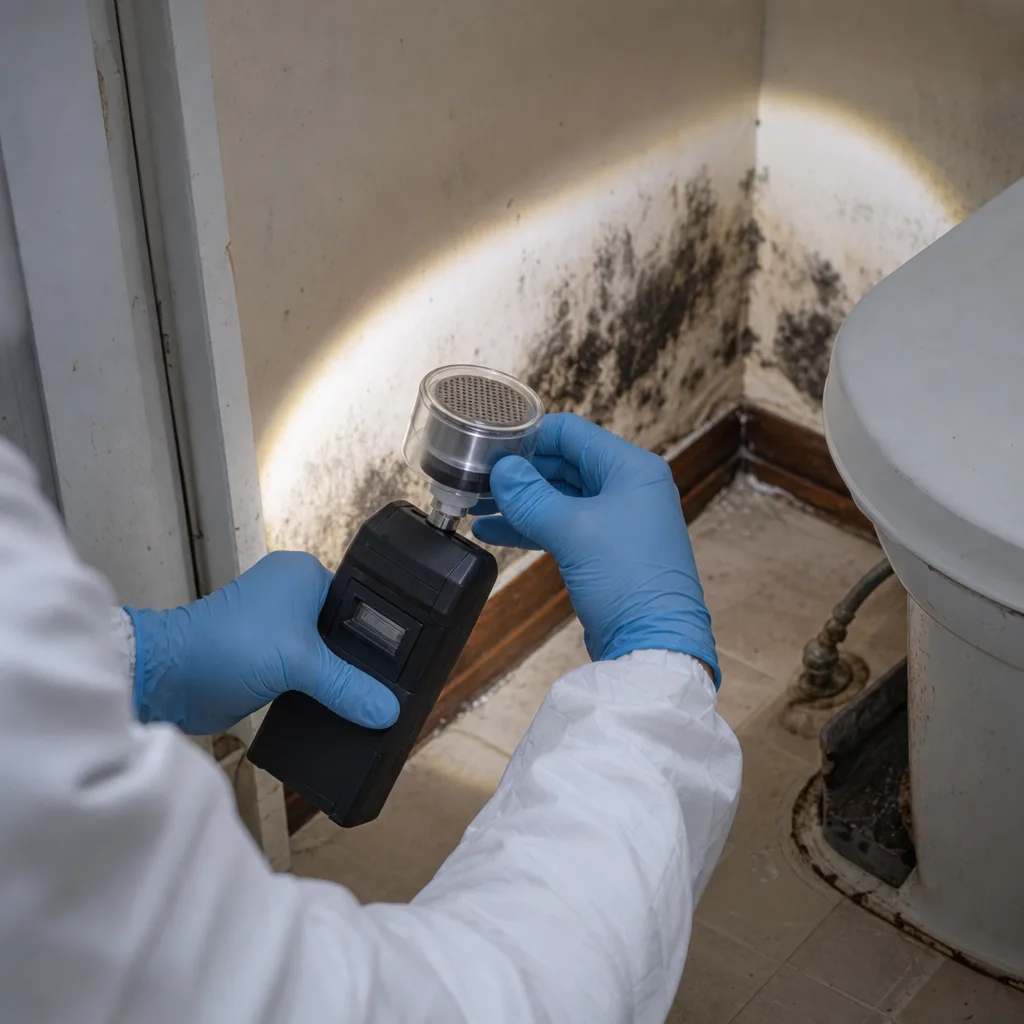
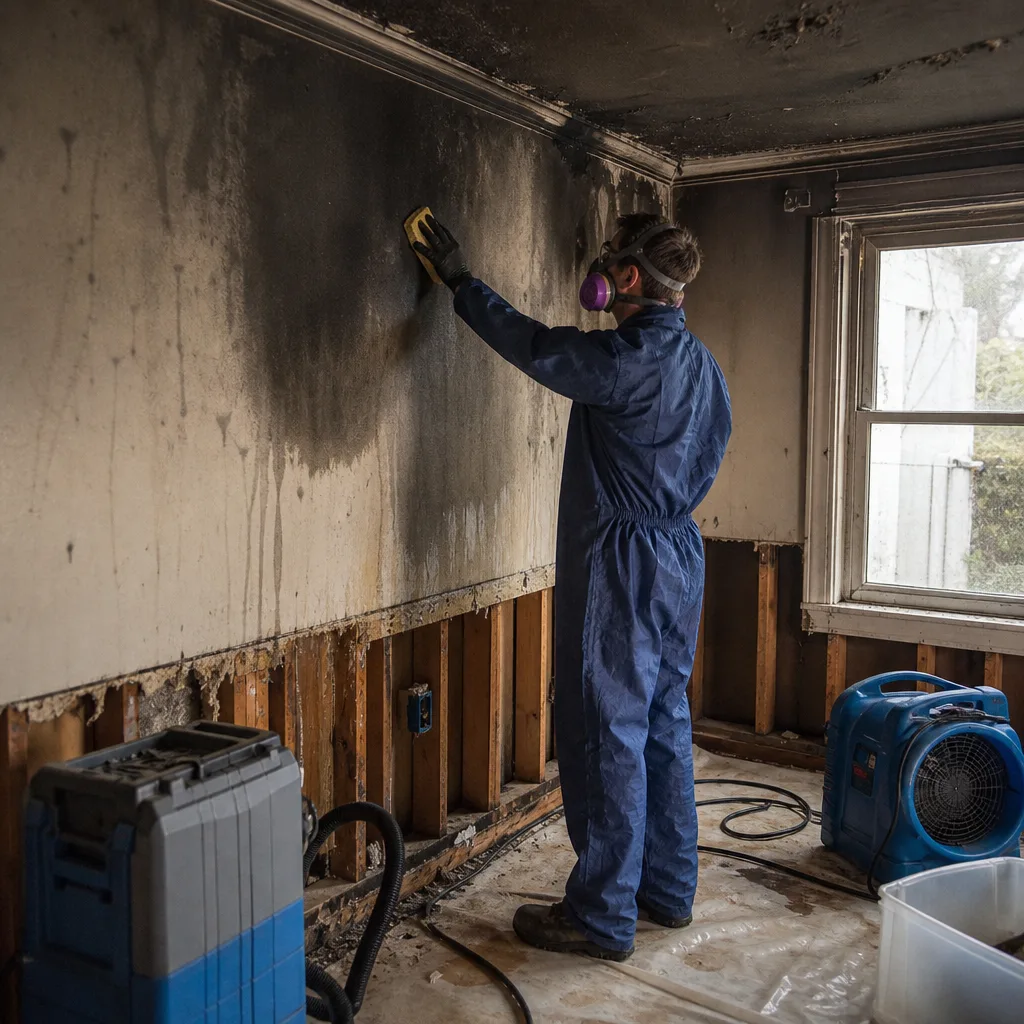
Storm Damage Cleanup
Trees come down in Harrington Park’s mature neighborhoods. Branches puncture roofs. Gutters clog and overflow. We clear debris safely, secure the property, and start the drying process inside. Background-checked, uniformed technicians do the work, and we document everything for your carrier.
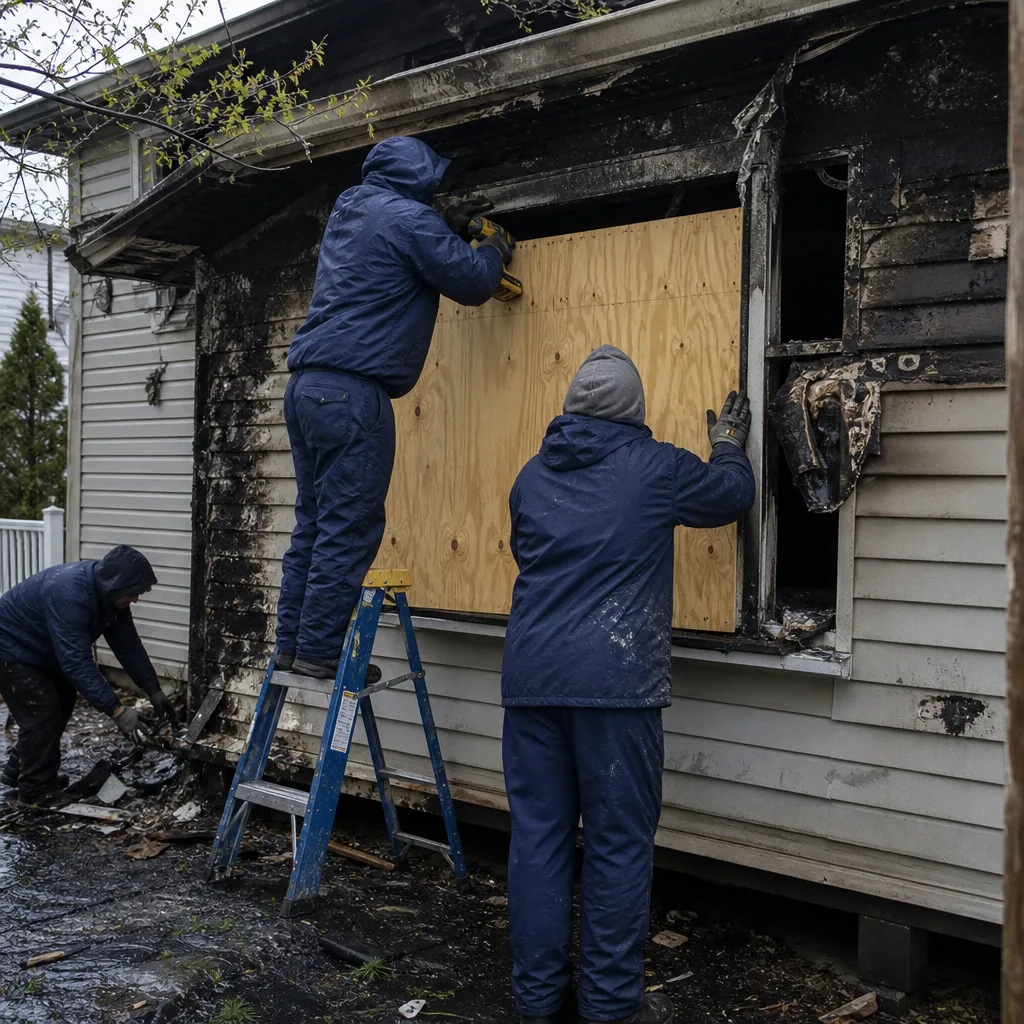
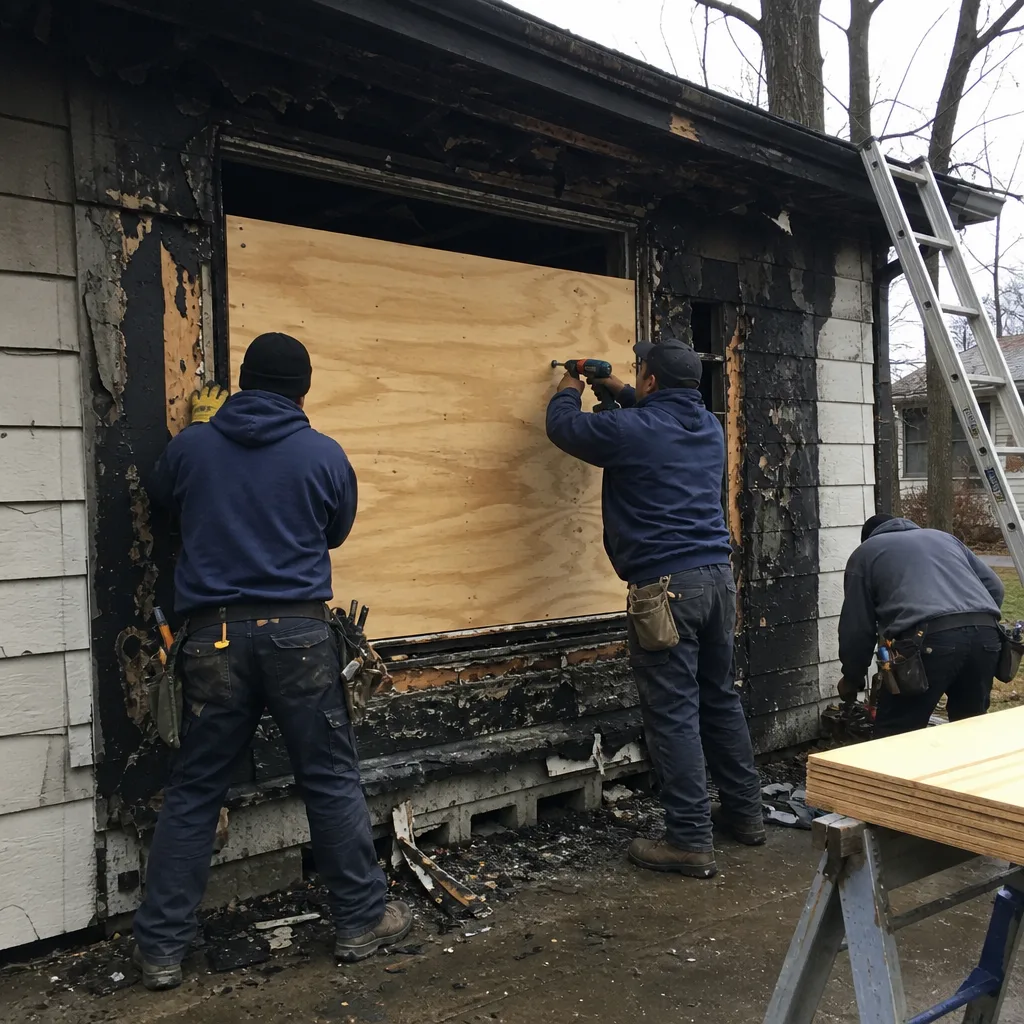
Emergency Board-Up
A broken window or storm-damaged door invites more water, more damage, and sometimes unwanted visitors. We board up openings with plywood and seal them properly, same day. On Harrington Park’s older homes, a front door that no longer latches after a storm is a security risk. We fix that within hours.
Roof Tarping
When a nor’easter strips shingles or a tree limb opens a hole, the water keeps coming until someone covers it. We tarp the roof, fasten it properly to survive the next wind, and mark the damaged area for your adjuster. Then we deal with whatever water already got inside.
Debris Removal
Storm debris in Harrington Park ranges from downed branches to saturated drywall and carpet. We haul it all, separate what’s salvageable, and dispose of the rest according to Bergen County regulations. You do not need a dumpster sitting in your driveway for three weeks.
What happens when you call
- 1
A real person answersNo phone trees - you reach a local pro.
- 2
You get an upfront price rangeHonest numbers before anyone is dispatched.
- 3
A background-checked tech heads outLicensed & insured, dispatched right away.
- 4
You approve before work beginsNothing starts until you say go.
Storm & Disaster Restoration Costs in Harrington Park, NJ
Storm damage work in Harrington Park runs the full range, because the scope depends on what the storm actually did. Emergency board-up and roof tarping typically runs $400 to $850 for a standard single-family home. Flood extraction and drying in a finished basement runs $2,800 to $6,500, depending on square footage and how long the water sat. If mold is present behind drywall, plan for containment and remediation, which adds $1,800 to $5,000 to the scope. A full basement rebuild after a Category 3 event can reach $18,000 to $40,000 when you factor in framing, drywall, flooring, and finish work. The free inspection we do is exactly that, free. We walk the damage with you, explain what we found, and write a firm scope before any work starts. If the loss is covered, we bill your carrier directly. If it’s not, we give you the number before we start, and it does not change unless the scope changes. That’s the square deal, and we stand behind it with the 90-Day Done Right Promise in writing.
We Also Serve Cities Near Harrington Park
Our crews cover the surrounding Bergen County communities as well. We handle storm and disaster restoration in Northvale, Hillsdale, Park Ridge, and Woodcliff Lake. Same 45-minute response, same live dispatch, same written guarantee.
Serving Harrington Park, NJ - Our Local Coverage Area
We’re based in the Harrington Park area and know this community well. Use the map below to see our service coverage - if you’re nearby, we can almost certainly help.
Harrington Park Storm & Disaster Restoration Questions, Answered
How soon after a nor’easter should I schedule an inspection in Harrington Park?
Schedule it immediately, even if your basement looks dry. Harrington Park’s clay soil holds groundwater against foundation walls for 72 to 96 hours after the storm passes. That water may not show up as a puddle for days. An inspection right after the storm catches the problem before mold has a chance to start, and before the damage spreads. Call (914) 935-7914 and we will be out within 45 minutes.
What does a category 2 versus category 3 water event mean for my Harrington Park basement?
Category 2 water is gray water with some contamination, from a sump pump failure or a washing machine overflow. Category 3 water is black water, fully contaminated, from sewage or floodwater that has picked up ground runoff. In Harrington Park, storm water that has moved through clay soil is usually Category 2, but if the borough’s sewer system backs up during a heavy storm, that’s Category 3. Category 3 requires full removal of saturated porous materials, not just drying. Get it classified correctly by a certified tech. Call (914) 935-7914 for a free assessment.
Why does my Harrington Park basement wall look dry but still smell musty after a storm?
The face of the concrete block can look dry while the cavities behind finished drywall are holding moisture. This is the most common failure mode we see in Harrington Park’s 1950s-to-1970s homes. Water wicks through weakened mortar joints and travels behind the drywall, where you cannot see it. The musty smell is the first sign that mold is already growing. We find it with moisture mapping and thermal imaging. Then we fix it properly. Call (914) 935-7914.
Can you dry my finished basement without removing the drywall if the water came from a burst pipe?
Sometimes, yes. If the water was Category 1, the drywall was not saturated above the base plate, and we get to it within 24 to 48 hours, we can often dry it in place using professional-grade air movers and dehumidifiers. But in an older Harrington Park home, the drywall may have been wet longer than you realize. Our techs test moisture content deep in the wall cavity before deciding. We never remove drywall unnecessarily, and we never leave hidden moisture behind. Call (914) 935-7914 for an honest answer.
What should I do between the time I call and your crew arrives for a Harrington Park flood?
First, shut off the power if water is near outlets or your electrical panel. Do not enter standing water if the power is on. Then call us at (914) 935-7914. If it is safe, move small valuables to higher ground. Do not use a shop vac on Category 2 or 3 water. Do not poke holes in wet drywall. Let our techs assess the situation with the right equipment. The less you disturb the water, the faster we can extract and dry it properly.
What certifications do your Harrington Park restoration techs hold?
Our crews are certified to IICRC standards, including WRT (Water Damage Restoration Technician), FSRT (Fire and Smoke Restoration Technician), and AMRT (Applied Microbial Remediation Technician). They also train to RIA and IFA standards. Every tech is background-checked and uniformed. When we send a crew to your Harrington Park home, you know who is walking through your door.
How long does storm damage drying and remediation take in a typical Harrington Park home?
Most residential drying jobs take three to five days of active equipment time. A finished basement with clay-soil groundwater intrusion can take five to seven days, because the slab edge stays elevated longer than the center of the room. Mold remediation adds one to three days for containment, removal, and clearance testing. The rebuild phase depends on the scope. We give you a timeline in writing before work starts, and we update you daily. Call (914) 935-7914 for a specific answer for your home.
Can we stay in our Harrington Park home during the restoration work?
For most water and storm damage jobs, yes. If containment is set up for mold remediation, you may need to stay out of the affected area for a few days, but the rest of the house remains livable. For a full Category 3 event, where sewage is involved, we may recommend vacating the basement and sometimes the main floor until sanitization is complete. We give you a straight answer on day one, not after the work starts. Call (914) 935-7914 for the honest assessment.
Written by Curt Bowman, Owner at Floodline Restoration Co., serving Harrington Park and surrounding Bergen County communities since 2010.